If you’ve ever popped the hood of your car to check the power steering fluid and noticed it looking milky or foamy, you might have felt a little concerned. And you should be! Power steering fluid is meant to be clear, clean, and free of any discoloration. When it turns milky, it’s usually a sign that something isn’t right.
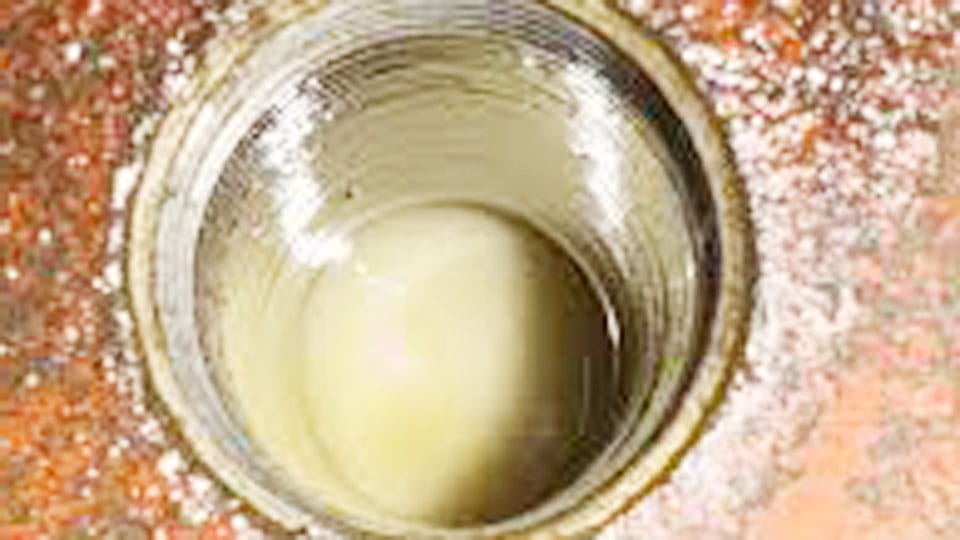
Image by yesterdaystractors
I’ve dealt with this issue before, and I know how frustrating it can be. But don’t worry—I’m here to break it all down for you. In this guide, I’ll explain why power steering fluid turns milky, what it means for your vehicle, and how you can fix it before it leads to expensive damage.
What Does Milky Power Steering Fluid Mean?
Power steering fluid is a hydraulic fluid that helps transfer force from your steering wheel to the wheels of your car, making it easier to steer. It should be clear, red, or amber, depending on the type.
When it turns milky, that usually means contamination—most often from water or air bubbles mixing with the fluid. This can affect how your steering system works and may even damage components if left unchecked.
Let’s go through the most common reasons this happens.
Common Causes of Milky Power Steering Fluid
Water Contamination
Water in the power steering system is one of the most common reasons for milky or cloudy fluid. But how does water get in there?
- Condensation – Temperature changes can cause moisture to build up inside the reservoir, especially in humid areas.
- Improper fluid storage – If you used an old or improperly sealed bottle of power steering fluid, it may have absorbed moisture.
- Cracked or loose seals – A worn-out seal in the system can allow water to seep in.
- Driving through deep water – If you’ve recently driven through flooded streets or deep puddles, water could have made its way into the system.
Air in the System
Sometimes, air bubbles in the power steering fluid can make it look foamy or milky. This happens when air gets trapped in the system, usually because of:
- A low fluid level – If the fluid is low, the pump can pull air in along with the remaining fluid.
- A loose or leaking hose – Small leaks in the return line can introduce air into the fluid.
- Improper fluid changes – If air wasn’t properly bled from the system after a fluid change, it can cause foaming.
- A failing power steering pump – If the pump is damaged, it might be pulling in air, creating bubbles in the fluid.
Mixing Different Fluids
Using the wrong type of power steering fluid—or accidentally mixing different brands—can cause a chemical reaction that results in a cloudy or milky appearance.
Different fluids have different additives, and mixing them can lead to:
- Breakdown of lubricating properties
- Foaming or thickening of the fluid
- Possible damage to the seals and pump
Always check your owner’s manual to make sure you’re using the correct fluid for your vehicle.
Metal or Debris Contamination
If your power steering fluid is milky and also has tiny metallic flecks, that’s a sign that parts inside the system are wearing out. Possible sources include:
- A failing power steering pump – The internal components might be wearing down, releasing fine metal shavings.
- Damaged rack and pinion gears – If these parts start breaking down, small particles can mix into the fluid, changing its color.
In this case, the fluid may not only look milky but also gritty, which is a big red flag that your system needs attention ASAP.
How to Diagnose the Problem
If you’ve noticed that your power steering fluid looks milky or foamy, here’s how to figure out what’s causing it:
Step 1: Check the Fluid’s Appearance
- Light and bubbly? → Air might be trapped in the system.
- Cloudy and watery? → Water contamination is likely.
- Milky with metal shavings? → Internal wear and tear may be the issue.
Step 2: Look for Leaks
- Check for damp spots or puddles under your car.
- Inspect the hoses and seals for cracks or looseness.
Step 3: Listen for Strange Noises
- Whining or groaning noises while turning the steering wheel? That could mean air in the system or a failing pump.
Step 4: Check for Steering Issues
- Is the steering wheel harder to turn than usual?
- Does the steering feel jerky or unresponsive?
If you notice any of these symptoms along with milky power steering fluid, it’s time to fix the issue before it gets worse.
How to Fix Milky Power Steering Fluid
Once you’ve figured out what’s causing the problem, here’s how to fix it:
Flush and Replace the Fluid
If the fluid has been contaminated with water, air, or other substances, the best solution is to flush the system and replace it with fresh fluid.
How to Flush Power Steering Fluid:
- Lift the front wheels off the ground for easier turning.
- Locate the return hose and disconnect it from the reservoir.
- Drain the old fluid into a pan.
- Refill with fresh power steering fluid while turning the wheel back and forth to remove air bubbles.
- Reconnect everything and check for leaks.
Bleed the System to Remove Air
If air is causing the foaming, you’ll need to bleed the power steering system.
- Start the engine and let it idle.
- Turn the steering wheel slowly from full left to full right several times.
- Check the fluid level and top it off if needed.
- Repeat until the fluid runs clear and no bubbles are visible.
Inspect and Replace Worn-Out Parts
If the issue is caused by a failing pump, damaged seals, or worn-out hoses, those parts will need to be replaced. A bad pump can continue introducing air or metal shavings into the system, so it’s best to replace it before further damage occurs.
Preventing Future Problems
To avoid dealing with milky power steering fluid again, follow these maintenance tips:
- Check your power steering fluid regularly – Catching discoloration early can prevent bigger problems.
- Use the correct type of fluid – Always follow the manufacturer’s recommendations.
- Keep an eye on seals and hoses – Small leaks can lead to bigger issues over time.
- Avoid driving through deep water – Water contamination is one of the leading causes of milky fluid.
- Flush the system periodically – Changing your power steering fluid at regular intervals keeps it clean and free of contaminants.
FAQs
Can I drive with milky power steering fluid?
It’s not recommended. Milky fluid means contamination, which can lead to steering problems and damage to the system.
How often should I change my power steering fluid?
Most manufacturers recommend every 30,000 to 60,000 miles, but check your owner’s manual.
What happens if I ignore milky power steering fluid?
It can lead to steering stiffness, pump failure, and expensive repairs.
Is it expensive to fix milky power steering fluid?
A simple fluid flush is cheap, but if parts like the pump or rack-and-pinion are damaged, repairs can cost hundreds of dollars.
Conclusion
Seeing milky power steering fluid in your car is never a good sign, but the good news is that it’s fixable. Whether it’s caused by water contamination, air bubbles, or a failing pump, addressing the problem early can save you from costly repairs down the road.
By staying on top of regular maintenance, checking for leaks, and using the right fluid, you can keep your power steering system running smoothly for years to come.

Hi, I’m Melvin, an automobile engineer with extensive experience in automobile equipment. I currently work for a local automobile firm, where I specialize in the car parts industry. I’ve had the opportunity to collaborate with seasoned inspectors, gaining invaluable hands-on experience that goes beyond just theory.
My passion for automotive care started at a young age, which led me to create CarSpareCare. Through CarSpareCare, I share the knowledge and skills I’ve acquired over the years to help others navigate the world of car maintenance and repairs.
My goal is to provide practical tutorials, essential safety advice, and the latest industry insights so that anyone—whether a beginner or an expert—can confidently tackle their automotive projects.