
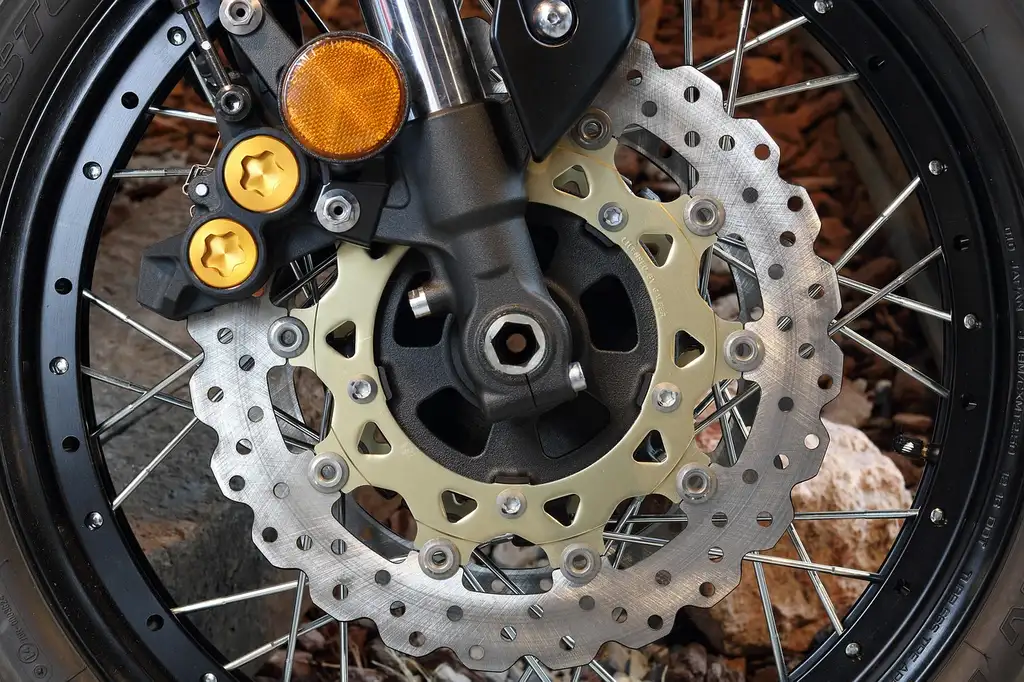
What Causes Rear Brakes to Lock Up First?
Rear brakes lock up first when rear brake force is too high, rear pressure rises too fast, or ABS and traction control read wheel speed incorrectly.
Complete guides on brake pads, rotors, calipers, and brake fluid. Keep your braking system safe and performing at its best.
Rear brakes lock up first when rear brake force is too high, rear pressure rises too fast, or ABS and traction control read wheel speed incorrectly.

A low-speed groan can be normal on full-lock turns, but foamy fluid, stiff steering, leaks, or grinding usually point to a fault.
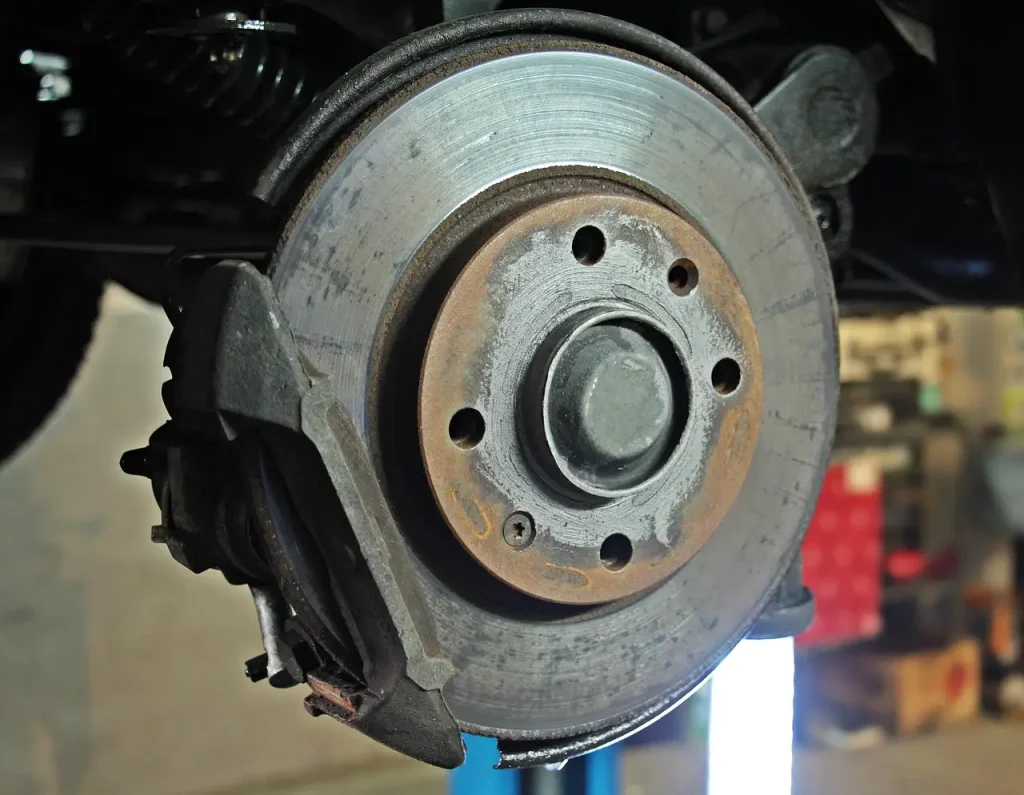
A brake warning light that stays on after the parking brake is released often points to low brake fluid. Check the reservoir level, pedal feel, and light pattern.

If the pads are only noisy and still have several millimetres left, you can usually drive a short distance to a shop. Grinding, weak braking, or a brake warning light means stop and tow it.
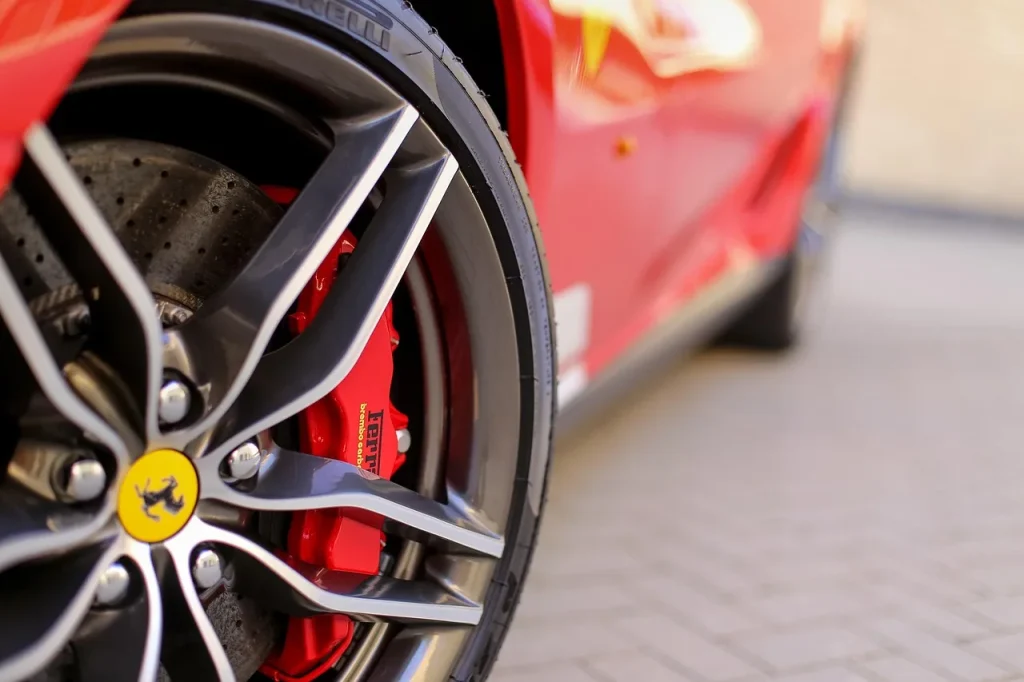
Grinding, a sinking pedal, or longer stopping distances mean stop driving now; damage can start on the next stop. The article breaks down drive, stop, and tow decisions by symptom.
A 40 mph shimmy usually points to wheel imbalance, a bent wheel, tire defect, or front-end looseness. This guide shows how braking, coasting, and steering load narrow the cause.
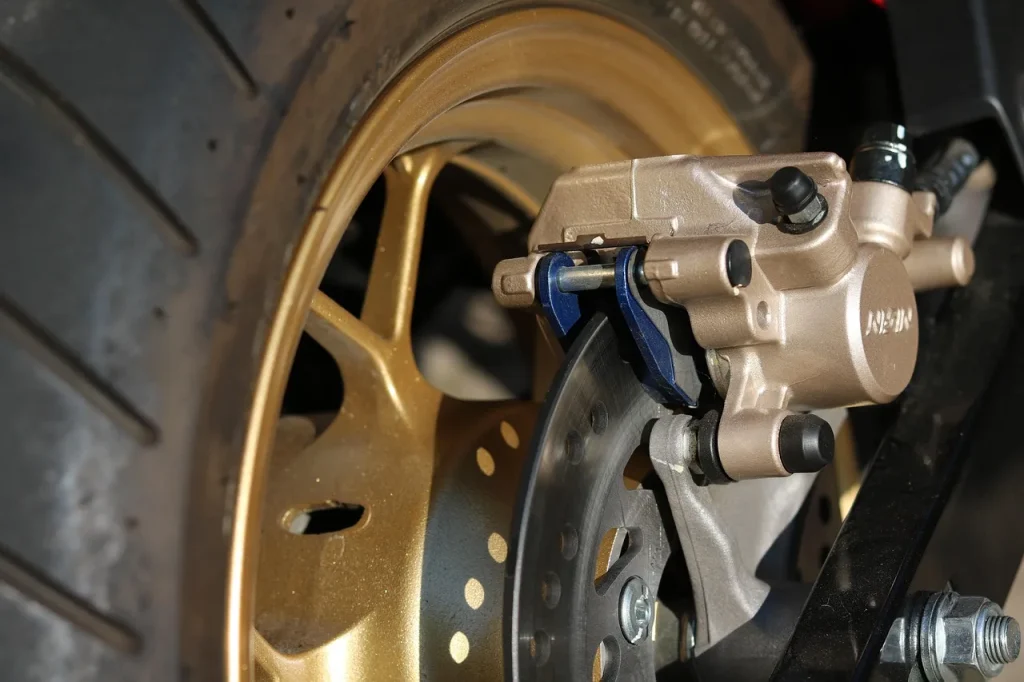
Sudden brake grab usually comes from uneven friction or a sticking brake part. Check contaminated pads, seized slides, rear hardware, and ABS faults first.
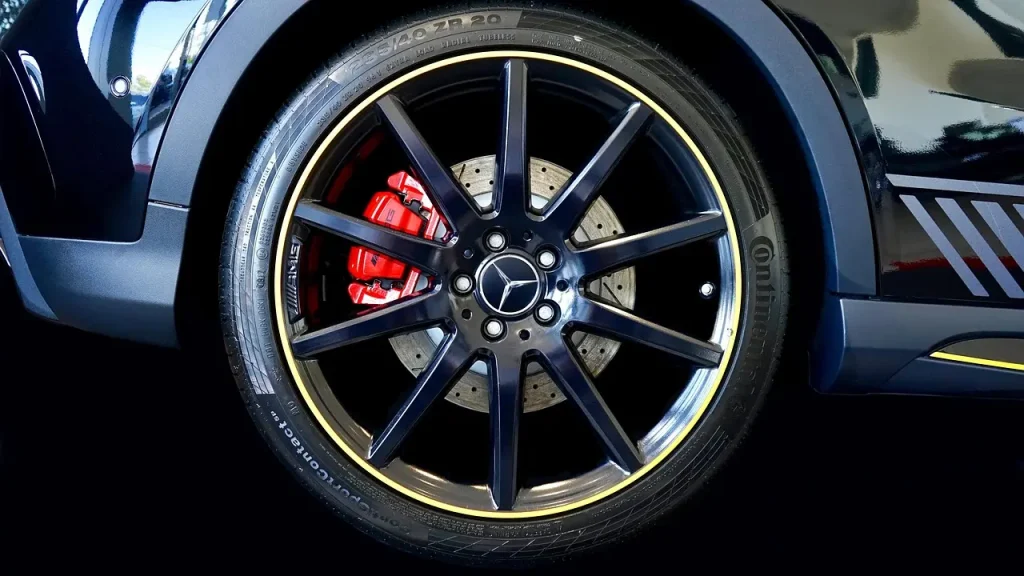
Braking in a curve can make a car feel unstable when tire grip is split. Check tires, suspension, and brake balance before it gets worse.
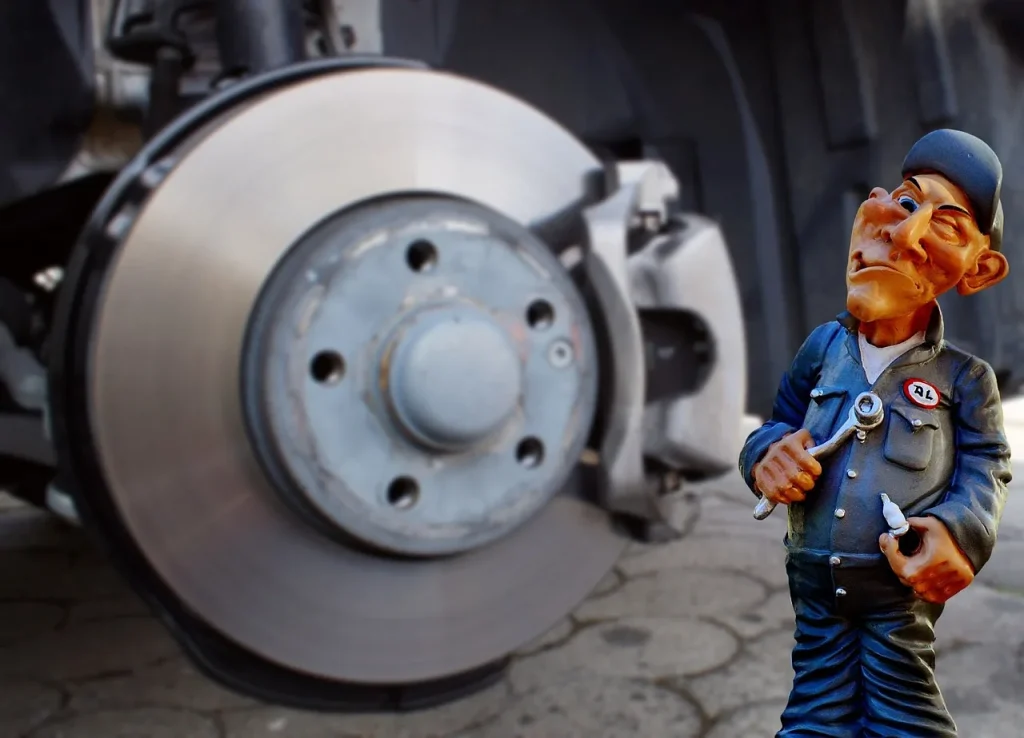
Inspect brake clips, pins, boots, shims, and bracket contact points for wear, corrosion, or binding, then clean or replace parts before reassembly.

A sinking pedal that drops under steady pressure points to a failing brake master cylinder. Includes a quick checklist for booster and hose faults.