
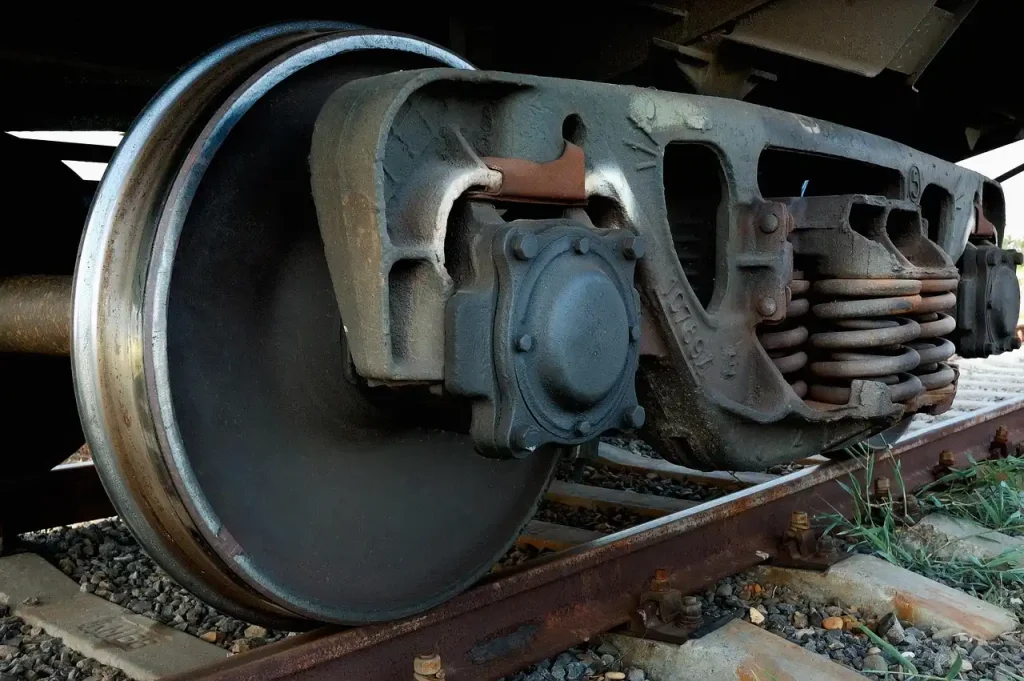
How to Remove Rust From Steel Wheels
Remove light rust with a nylon brush or 180–320 grit paper, then use rust remover or vinegar for heavier scale. Learn when corrosion means the wheel should be inspected or replaced.

Remove light rust with a nylon brush or 180–320 grit paper, then use rust remover or vinegar for heavier scale. Learn when corrosion means the wheel should be inspected or replaced.
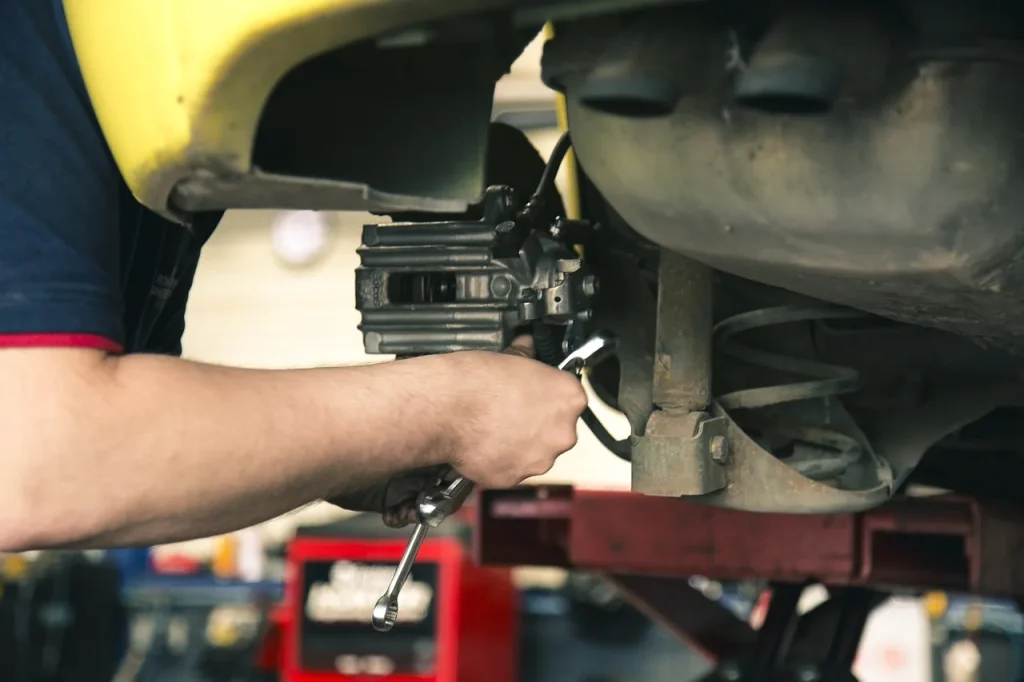
At 50,000 miles, replace the engine and cabin air filters and brake fluid if the manual says so. Inspect tires, brakes, fluids, belts, hoses, battery, spark plugs, and transmission fluid.

Clean spark plugs only when buildup is light and the plug is intact. Replace rounded electrodes, cracked insulators, oil-fouled tips, or worn iridium and platinum plugs.

Check the moisture source first, then dry the right surfaces, clean the air path, and use the matrix to tell HVAC dampness from soaked trim.

Wash first, then test the paint. If oxidation wipes off or polish brings back gloss, correct it; if the clear coat is peeling, cracking, or chalky, repainting is the only fix.

Yes, you can paint car wheels at home if they are straight, clean, and free of structural damage. It also explains when to repair or replace wheels first.

Check tire pressure monthly and fluids before long trips. This guide adds a simple routine, safety priorities, and a first-tools list for new drivers.

Clean spark plug wire corrosion if the terminal is still tight; replace the wire if it’s burned, loose, or the core is damaged.

A low-speed groan can be normal on full-lock turns, but foamy fluid, stiff steering, leaks, or grinding usually point to a fault.
Remove the negative terminal first, reconnect it last, and keep loose cables clear. Covers tools, memory saver use, and common reset effects.