
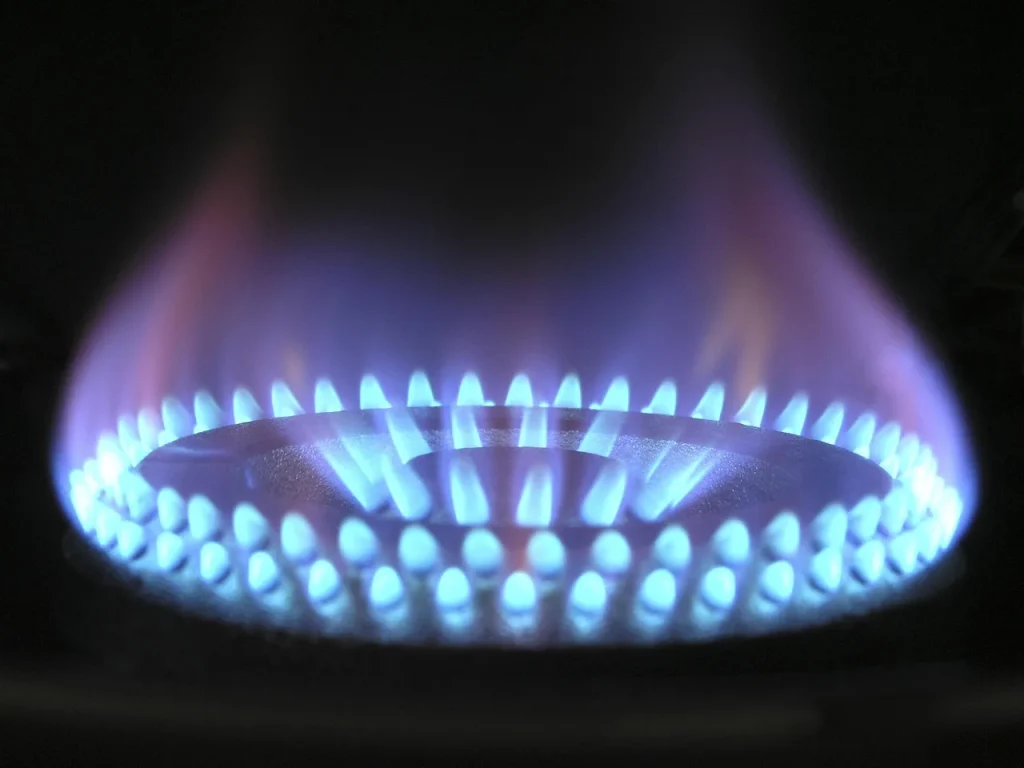
What Causes Poor Fuel Economy in a Car?
Poor fuel economy usually means your MPG falls below your car’s normal pattern after a change in weather, route, traffic, or maintenance condition.
Step-by-step how-to guides for car maintenance and repairs. DIY auto repair made simple for beginners and experienced mechanics alike.
Poor fuel economy usually means your MPG falls below your car’s normal pattern after a change in weather, route, traffic, or maintenance condition.
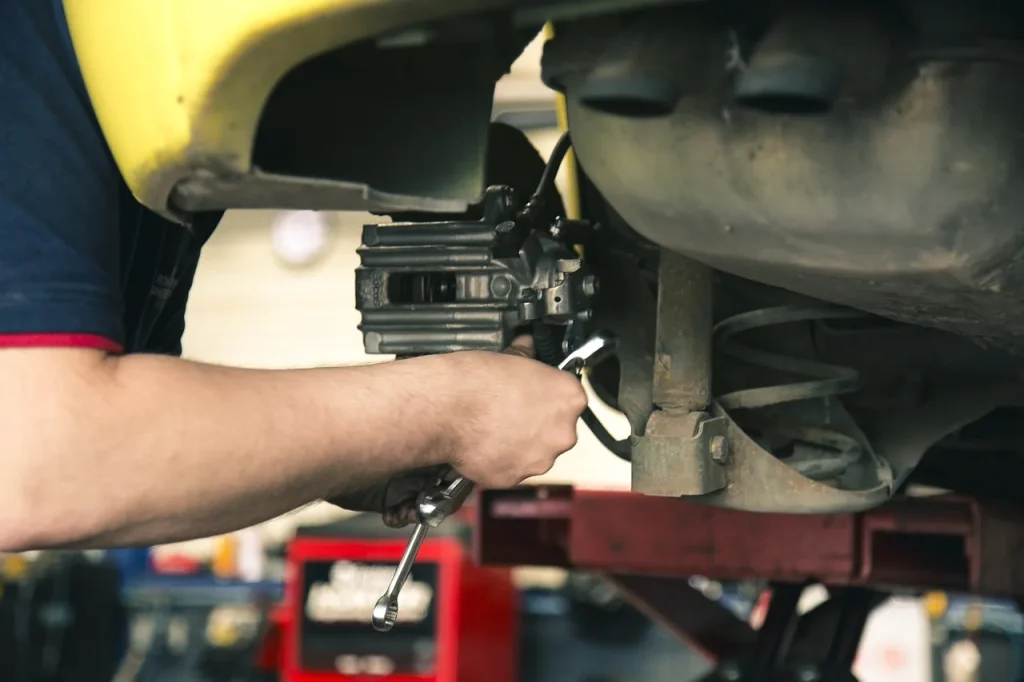
At 50,000 miles, replace the engine and cabin air filters and brake fluid if the manual says so. Inspect tires, brakes, fluids, belts, hoses, battery, spark plugs, and transmission fluid.

Check tire pressure monthly and fluids before long trips. This guide adds a simple routine, safety priorities, and a first-tools list for new drivers.
Fix safety or fluid-loss faults first, then service wear items and delay cosmetic repairs by mileage band.

Inspect safety-critical systems first on older cars: brakes, tires, steering, suspension, leaks, battery, fluids, belts, hoses, and aging rubber parts.

Change oil every 6-12 months, brake fluid every 2 years, and inspect battery, coolant, and filters each season to protect a low-mileage car.

Battery first, then tires, coolant, wipers, lights, washer fluid, and an emergency kit before a winter road trip.

Check cooling, tires, battery, belts, and AC before heat rises. Know the warning signs that mean you should stop at once.
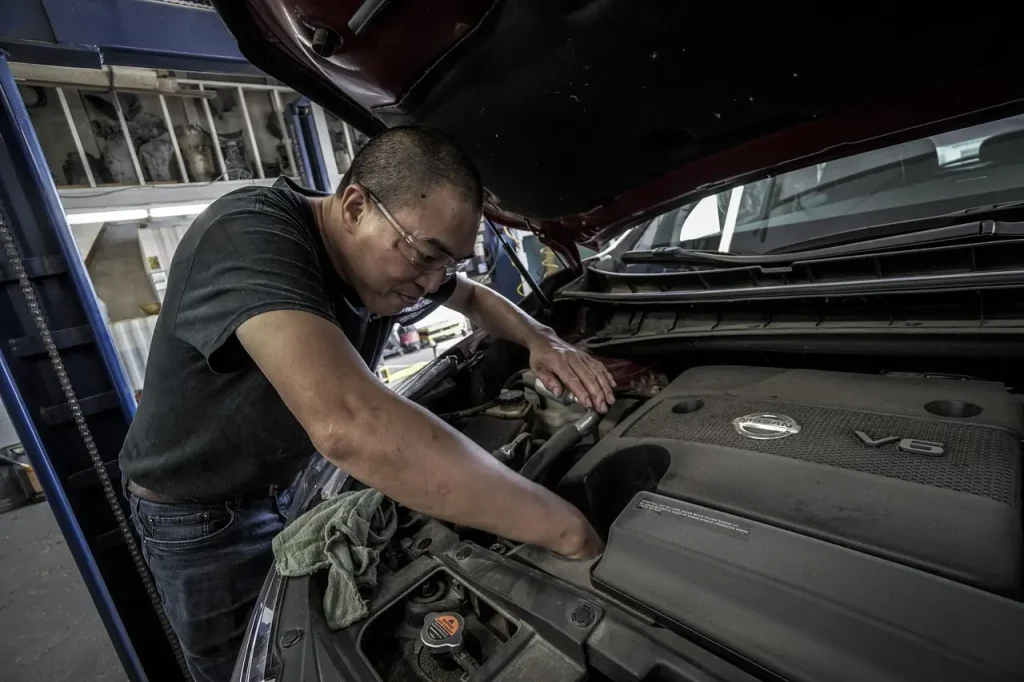
Check tires, fluids, lights, battery, brakes, wipers, and the spare before a long road trip. Book overdue service and postpone cosmetic work until after travel.

Restart a stored car by checking battery, fluids, tires, brakes, and fuel first. Then follow a controlled recommissioning checklist before driving.