

Car maintenance after storing a car for months: restart
Restart a stored car by checking battery, fluids, tires, brakes, and fuel first. Then follow a controlled recommissioning checklist before driving.
Step-by-step how-to guides for car maintenance and repairs. DIY auto repair made simple for beginners and experienced mechanics alike.
Restart a stored car by checking battery, fluids, tires, brakes, and fuel first. Then follow a controlled recommissioning checklist before driving.
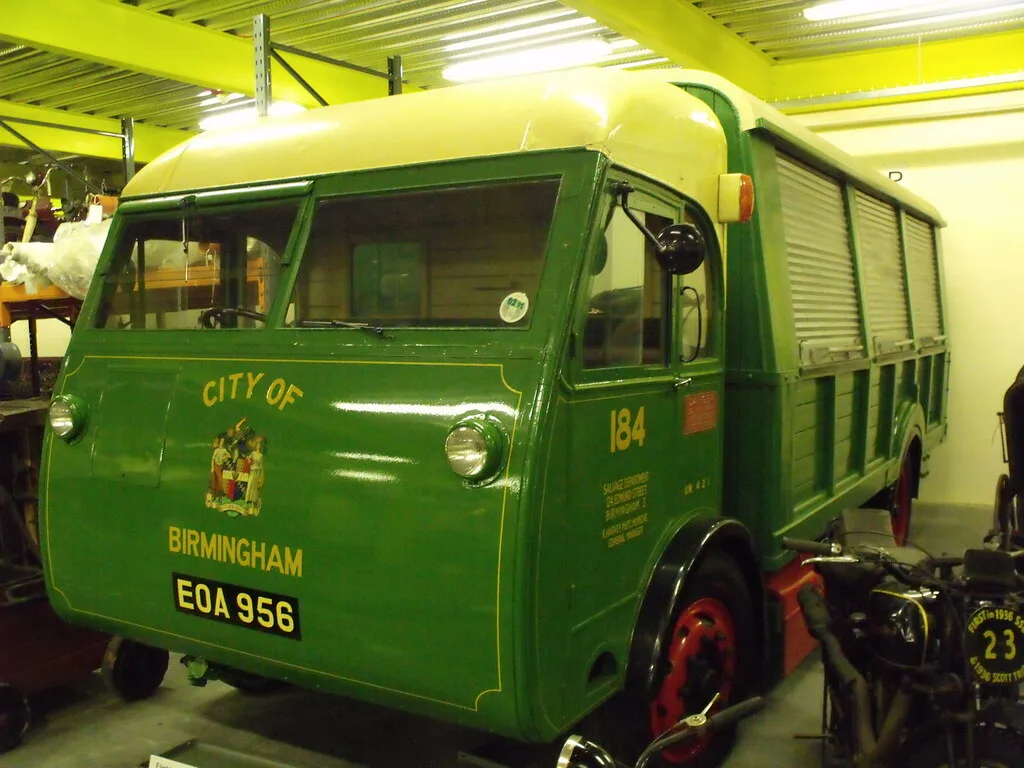
Use a storage-by-environment checklist for cars stored over 2 weeks, with fuel, battery, tire, and rodent-prevention steps for gas cars, hybrids, EVs, and classics.

Check tires, coolant, battery, brake fluid, oil, air filter, wipers, and sun protection before summer heat turns small issues into breakdowns.
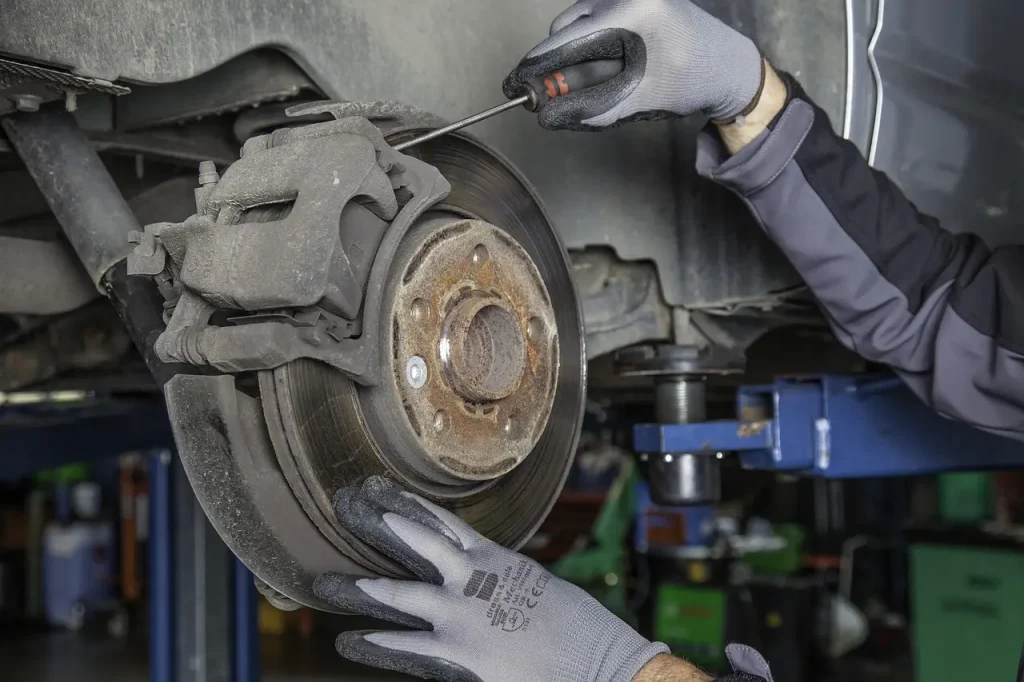
Ceramic pads suit commuting; metallic pads handle heat, towing, and repeated hard stops better.
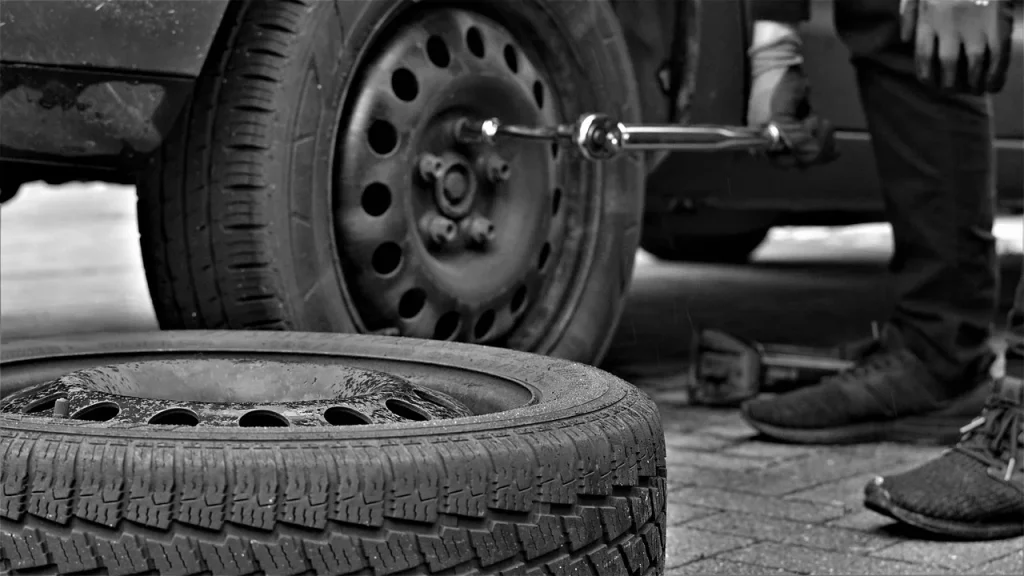
Use winter tires below 45°F or in snow and ice; all-season tires fit mild winters and light storms.

Choose windshield wipers by fitment first: size, connector, and arm type. Then compare beam, hybrid, and winter blades for your climate.
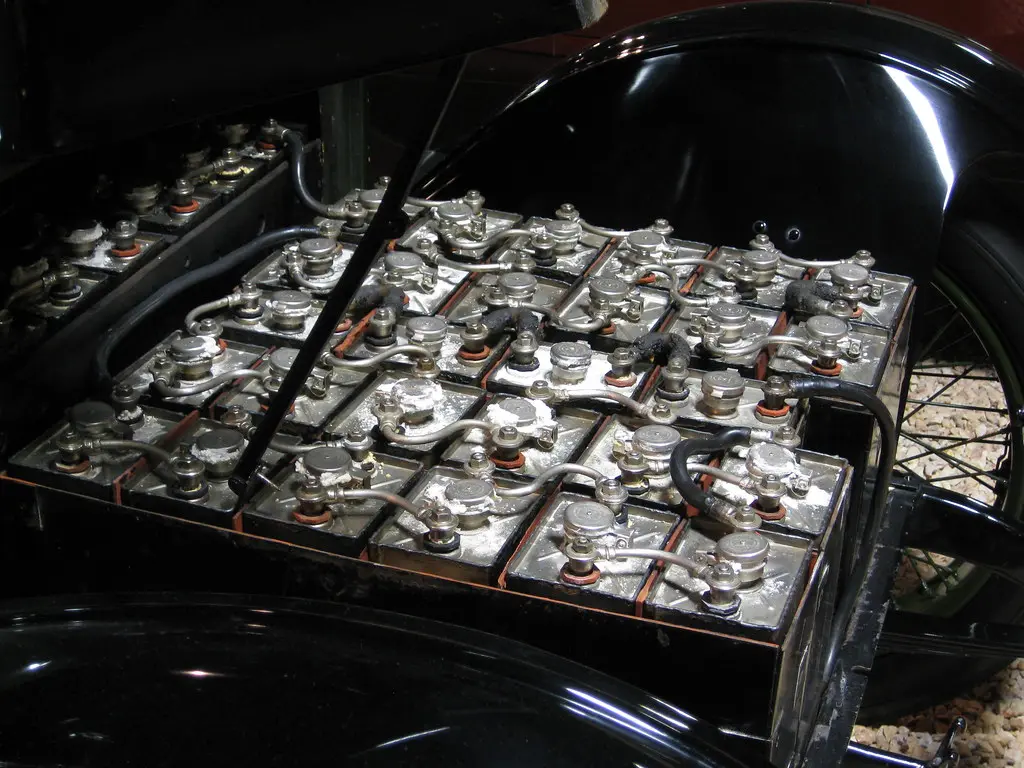
AGM fits most daily drivers. Lithium works only with the right charging profile, vehicle support, and a use case that justifies the cost.

Replace windshield wipers when they streak, chatter, or miss arcs; most last 6–12 months, less in sun, ice, and grit.
Paper folder plus digital backup, updated within 2 minutes after each service. Save dates, mileage, work orders, cost, warranty terms, and receipt photos.

Buy OEM for failure-critical or hard-to-replace parts, and buy verified aftermarket parts for low-risk wear items when fit and specs are clear.