
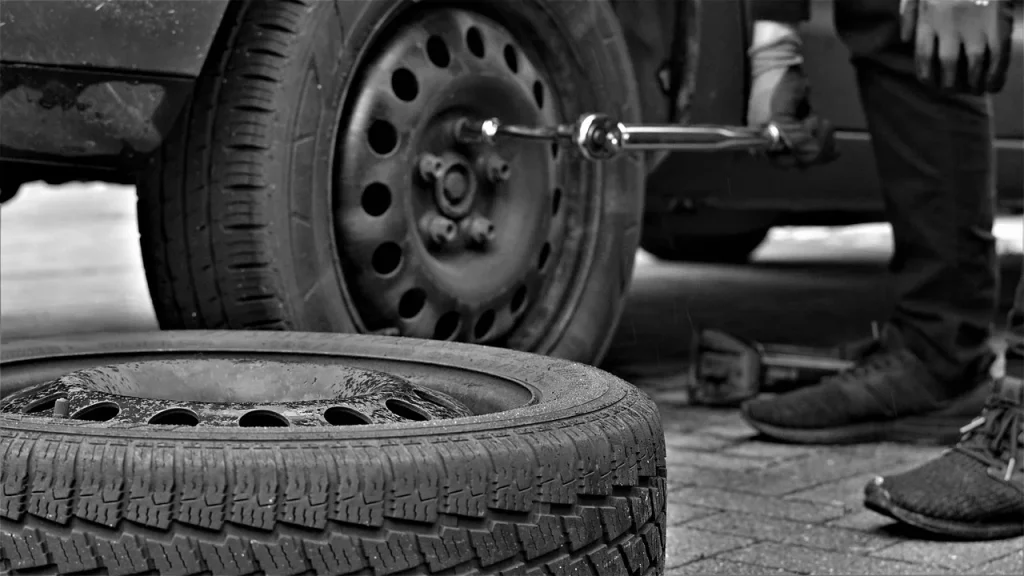
Use winter tires if your area stays cold much of the time or if snow and ice are common; all-season tires are usually fine for mild winters and the occasional storm. Cold pavement changes the tire’s rubber before most drivers feel it, and that can stretch stopping distance fast. I have seen the difference on the same road, same car, same driver. This guide compares tread, rubber, braking, and real driving scenarios so you can choose for your climate and commute.
Winter tires vs all-season tires: the core trade-off
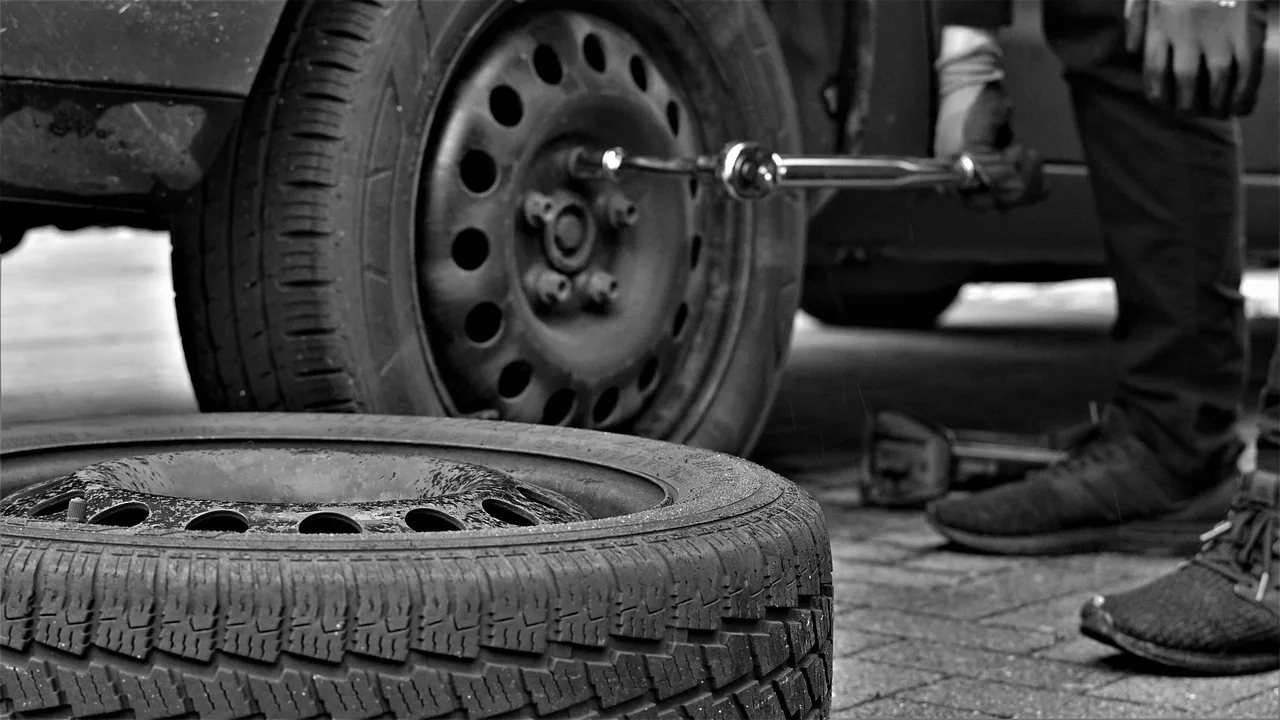
Winter tires are built for cold weather, snow, and ice. All-season tires are a compromise that works across dry, wet, and light snow use, and almost all cars in the U.S. leave the factory on them. The trade is simple: winter tires buy more cold-weather grip and shorter stopping on snow and ice, while all-season tires buy lower cost, longer tread life, and less hassle.
| Decision factor | Winter tires | All-season tires: key differences | Winner |
|---|---|---|---|
| Cold-weather grip | Stays flexible in the cold | Hardens in cold weather | Winter tires |
| Snow and ice performance | Designed for snow and ice traction | Works in light snow, weaker in deeper winter conditions | Winter tires |
| Dry-road behavior | Softer feel, more wear when warm | Better all-around road manners | All-season tires |
| Ownership cost | Higher purchase cost, plus swap and storage | Lower cost and one set to manage | All-season tires |
| Best fit | Frequent snow, ice, mountain travel, or long cold season | Mild winters, mostly cleared roads, occasional storms | Depends on use |
How winter rubber stays flexible in the cold
Winter tires use a less durable rubber compound that stays flexible in the cold. That matters because the compound touches the road first; once it hardens, grip drops before the tread can help much. In low temperatures, the softer winter compound keeps working after an all-season compound starts to stiffen.
Why all-season tires are a compromise
All-season tires are built to do a little of everything. That fits drivers who see rain, dry pavement, and only occasional snow, but the design has to give up some cold-weather bite to last longer and behave better in warm use. That trade is why they are common factory fit on many U.S. cars.
What changes first: grip, braking, or steering feel
Grip usually falls first, then braking distance grows, then steering feel gets vague. A cold, stiff tire may still roll, but it cannot conform to the road surface as well. In daily driving, that shows up as longer stops, less confident lane changes, and more ABS intervention on packed snow or wet ice.
Side-by-side comparison of winter tires and all-season tires
Winter tires use more aggressive tread blocks, extra edges for grip, and siping across the tread to bite into snow. All-season tires use a less aggressive pattern that balances noise, wear, and mixed-road use. The pattern choice is why a winter tire often feels calmer in snow, while an all-season usually feels cleaner on dry pavement.
Compound and low-temperature behavior
All-season tires use a more durable rubber compound that hardens in cold weather. Winter tires use a less durable rubber compound that remains flexible in the cold. That flexibility is the main reason winter tires pull ahead once temperatures stay low for days at a time.
Tread design, siping, and snow bite
Winter tire tread design uses medium-sized tread blocks, extra edges, and sipes that open under load. Those tiny cuts give the tread more biting edges, which helps in snow and on polished packed surfaces. All-season tread is usually less open, because it has to stay quieter and wear more slowly on dry roads.
Dry, wet, and light-snow performance
All-season tires are the better fit for dry and wet roads when winter weather is mild. Winter tires still work in wet conditions, but they are tuned for cold grip first, not long warm-season tread life. In light snow, all-seasons can be acceptable if the roads are mostly cleared and temperatures do not stay very low.
Are winter tires better than all-season tires in snow?
Yes, winter tires are better in snow, especially when the snow is deep, packed down, or mixed with ice. They accelerate, turn, and stop with more control because the compound stays flexible and the tread has more edges to dig in. All-season tires can handle light snow, but they give up margin fast as conditions worsen.
Snow traction on acceleration and braking
Diffen lists winter-tire snow acceleration as 0-60 mph in 19.1 seconds, versus 22.9 seconds for all-season tires. It also lists winter-tire snow stopping distance at 382 feet from 60 mph, compared with 421 feet for all-season tires. That gap matters most when traffic stops suddenly on a cold, snowy road.
Ice grip and stopping distance
Ice is where a true snow tire earns its keep. The flexible compound and finer tread edges help the tire conform to frozen surfaces instead of skating across them. No tire turns ice into pavement, but winter tires usually give more predictable braking and less wheelspin when temperatures stay low.
What changes when roads are packed or slushy
Packed snow and slush reward tread that can clean itself and keep biting. Winter tires are ideal in areas that experience winter storms and blizzards because the tread is designed for those conditions, not just for occasional flakes. On slush, all-seasons may feel acceptable at reduced speed, but winter tires usually keep more control in lane changes and stops.
How do winter tires perform on dry roads compared with all-season tires?
All-season tires are often better on dry roads. Winter tires can feel softer, less precise, and more likely to squirm because the rubber is built to stay pliable in the cold. If a car spends most of winter on dry, cleared roads, the winter-tire advantage may be smaller than the wear and cost penalty.
Steering feel and tread squirm
On dry pavement, winter tread can move around more under load. That slight tread squirm dulls steering response and makes highway lane changes feel less crisp. All-season tires are usually calmer and quieter, which is why they fit long pavement-heavy commutes better.
Warm-weather wear on winter rubber
Winter tires wear faster than all-season tires because the rubber compound is softer. Once temperatures rise, that softer tread can disappear quickly, especially on a car that still sees highway miles in spring. Running winter tires too long into warm weather is a fast way to waste money.
Why dry pavement can punish winter tires fast
Dry pavement has more grip than snow, so the tire flexes and scrubs more. That extra movement heats the tread and speeds wear. If the route includes a lot of dry interstate driving and only occasional snow, the cost of dedicated winter tires may not return enough benefit.
What the markings mean: M+S and the mountain snowflake symbol

M+S means mud and snow, and all-season tires are marked with M+S. The mountain and snowflake symbol is the winter-service marking, and winter tires carry it. The two markings are not the same thing, and M+S alone does not prove a tire is a true winter tire.
What M+S means on a tire sidewall
M+S identifies a tread intended to do better than a summer tire in mud and snow. It is common on all-season tires and on some other tread types, so it is not a strong promise of cold-weather traction by itself. It tells you the tire is rated as more winter-capable than a summer tire, not that it is a snow specialist.
What the mountain and snowflake symbol signals
The mountain and snowflake symbol marks winter service capability. That matters because it is the quick sidewall check for a tire designed specifically for cold-weather use. If the symbol is present, the tire belongs in the winter category rather than the general-purpose category.
Why the two markings are not the same
M+S can appear on tires that are still compromises for mixed use. The mountain snowflake symbol is the clearer sign of a tire built for winter traction. When the forecast includes repeated snow, ice, or long stretches below freezing, the symbol matters more than the lettering.
Do winter tires wear out faster, and what does that cost?
Yes, winter tires often wear out faster than all-season tires because their softer compound trades some durability for better cold traction. The real cost is not only tread wear. It also includes mounting, seasonal swapping, and storage if the car runs two sets instead of one.
Why softer winter compounds wear faster
Winter tire rubber is made to stay flexible in the cold, so it is less durable by design. That tradeoff is acceptable when the tire spends months in freezing weather, but it becomes expensive if the tire stays on through warm, dry driving. Durability is the price of cold grip.
Mounting, swapping, and storage costs
A two-set setup usually needs mounting at least twice a year unless the wheels stay paired with the tires. That adds labor and sometimes balancing. Storage also has a real cost, whether that is paid storage or simply space in a garage or basement that could be used for something else.
One tire set versus two tire sets over a season
Here is a simple ownership model. One set means one purchase, one set of rotations, and no seasonal swap cost. Two sets mean winter tires plus all-seasons, seasonal mounting or wheel swaps, and storage. For a driver with short winters and low annual miles, one set often wins on cost; for a driver with long cold seasons, the second set can pay back in safety and longer life from the non-winter set.
| Cost item | One tire set | Two tire sets |
|---|---|---|
| Tire purchase | One set of tires | Two sets of tires |
| Seasonal mounting/swapping | None beyond normal service | Yes, each season change |
| Storage | None | Yes, off-season storage space or fee |
| Wear pattern | All miles go to one set | Mileage split by season |
Decision matrix: which tire fits your climate and driving pattern?

Use winter tires when cold weather is sustained, roads are often snowy or icy, and the car must commute before plows clear the route. Use all-season tires when winters are mild, driving is mostly on cleared roads, and annual mileage is high enough that a second set would spend too much time parked. Vehicle type also matters: rear-wheel drive and EV torque usually push the decision toward winter tires sooner than front-wheel drive, while AWD helps but does not replace winter traction.
| Climate and use pattern | Recommended tire | Why |
|---|---|---|
| Mild winter, mostly cleared suburban roads, low snow days | All-season tires | Good enough for light snow and daily dry/wet driving |
| Frequent snow, black ice, mountain roads, or winter storms | Winter tires | Cold compound and siping help most in repeated bad weather |
| Urban commute with quick plowing, garage parking, moderate mileage | All-season tires or winter tires if mornings are icy | Roads clear fast, so the extra winter grip may be used only part of the time |
| Early commute on untreated roads, curb parking, long cold season | Winter tires | First-mile traction matters before traffic and plows improve the road |
| AWD vehicle with moderate snow | Winter tires if freezing temperatures are common | AWD helps move the car, not stop it |
| RWD vehicle or EV with strong torque | Winter tires | Extra torque makes cold traction limits show up sooner |
How FWD, RWD, AWD, and EV torque change the choice
Front-wheel drive may get by a bit longer on all-seasons in a mild winter because the driven wheels carry more weight. Rear-wheel drive is less forgiving on snow and ice, so winter tires usually make a bigger difference. AWD helps with getting moving, but braking and cornering still depend on the tire; in some cases, strong torque can overwhelm all-seasons early, especially on cold pavement.
Choose winter tires if… / Choose all-season tires if…
Choose winter tires if your roads stay below freezing for long stretches, you drive before plows clean the route, or you regularly deal with snow, ice, or mountain travel. Choose all-season tires if winter is mild, snow is occasional, and you want one set with lower cost and less seasonal hassle.
Choose winter tires if…
- You face repeated snow, ice, or winter storms.
- Your commute starts on untreated roads or in early-morning darkness.
- You park outside and cannot avoid cold starts on frozen pavement.
- Your car is RWD, or it is an EV with strong instant torque.
Choose all-season tires if…
- Your winters are mild and snow is occasional.
- Most winter driving happens on cleared roads.
- You want one tire set and lower ownership cost.
- You drive enough annual miles that a second set would spend too much time stored.
Frequently asked questions
What is the difference between winter tires and all-season tires?
Winter tires use a cold-weather rubber compound that stays flexible at low temperatures, plus tread designed to bite into snow and ice. All-season tires are a compromise tire type that works across dry, wet, and light snow use, but they harden in cold weather and give up winter grip.
Are winter tires better than all-season tires in snow?
Yes. Winter tires usually stop shorter, accelerate better, and feel more controlled in snow because the compound stays soft in the cold and the tread has more edges to grab. All-season tires can handle light snow, but they are the weaker choice once roads get packed, slushy, or icy.
Do winter tires wear out faster than all-season tires?
Yes. Winter tires use a less durable compound that stays flexible in the cold, and that softness wears faster on dry or warm roads. The wear penalty is the tradeoff for winter traction, so they make the most sense when the tire spends a real season in freezing weather.
Can I use all-season tires in winter?
Yes, if your winter is mild and roads are mostly cleared. All-season tires are factory-fit on many U.S. cars and are built for dry, wet, and light snow conditions. They are a weaker choice when temperatures stay low, roads ice up, or storms are frequent.
What does the mountain snowflake symbol mean on tires?
The mountain and snowflake symbol identifies a tire with winter service capability. It is the marking to look for when you want a true winter tire rather than a general-purpose tire with some snow ability. If a tire lacks that symbol, it should not be treated as a dedicated snow tire.
Are winter tires worth the extra cost?
They are worth it when winter is long, cold, and snow or ice are regular. The extra cost includes the second set, seasonal mounting, and storage, so the payoff has to come from real use. If your roads clear quickly and snow is rare, all-seasons are often the better value.

Hi, I’m Melvin, an automobile engineer with extensive experience in automobile equipment. I currently work for a local automobile firm, where I specialize in the car parts industry. I’ve had the opportunity to collaborate with seasoned inspectors, gaining invaluable hands-on experience that goes beyond just theory.
My passion for automotive care started at a young age, which led me to create CarSpareCare. Through CarSpareCare, I share the knowledge and skills I’ve acquired over the years to help others navigate the world of car maintenance and repairs.
My goal is to provide practical tutorials, essential safety advice, and the latest industry insights so that anyone—whether a beginner or an expert—can confidently tackle their automotive projects.

