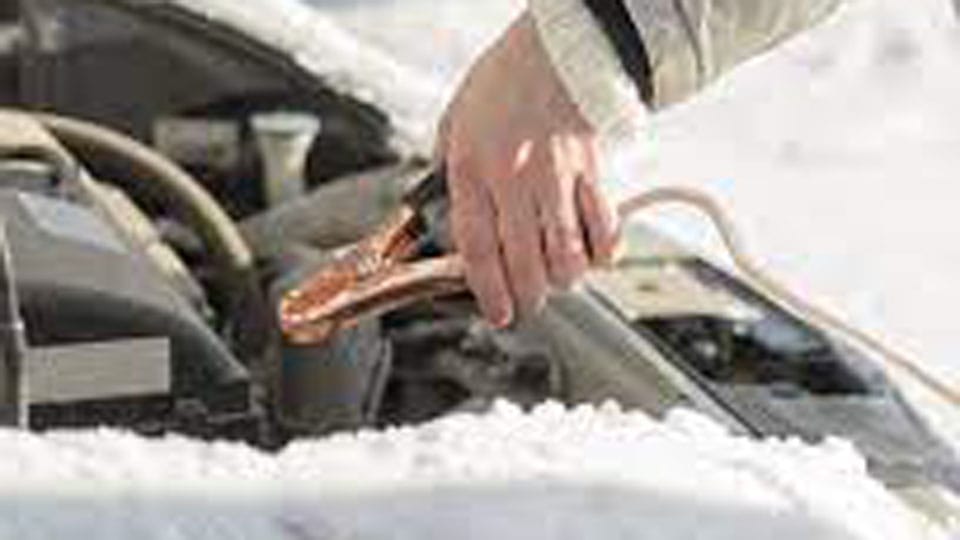
Car battery maintenance usually costs little for cleaning, testing, and topping up; a shop diagnostic is often a modest fee, while replacement is much more if the battery is failing. Ignore weak-battery signs and you can pay for jump starts, towing, and a battery that dies without warning. This guide breaks down routine upkeep, warning signs, and the point where spending more on maintenance stops making sense.
Car battery maintenance cost: what you actually pay for
Car battery maintenance cost is usually a small recurring spend for checks and cleaning, then a larger one-time cost when replacement becomes the better financial choice. The cheap work is inspection, terminal cleaning, and charging. The expensive jump is replacing a battery that no longer holds voltage under load.
Routine upkeep cost vs one-time repair cost
Routine upkeep is the low-cost branch of the choice tree. A battery check, corrosion cleaning, and a brief charge can often be done for little money, especially if the owner handles the basic work at home. Replacement is different. It is not maintenance anymore; it is a new battery, plus labor if the job is done at a shop.
For broader service budgeting, battery care sits inside a larger maintenance schedule. Routine maintenance can include tire rotation at about 5,000 miles, oil changes in the example cost $80 to $140, tire rotations are listed from $30, and at 10,000 miles, inspection of fluids, wiper blades, and brakes is from $60. Engine and cabin air filter changes are shown at $50 to $100, brake fluid change is listed at $120 to $180, spark plug changes are listed at $120 to $190, and brake pad replacement is listed at $110 to $270 per axle.
What owners can do at home and what shops charge for
A home check is cheap because the tools are cheap. A shop visit costs more because it includes diagnosis time, sometimes a conductance test, and a load test. The key is to pay for measurement when a visual check is not enough. That is how owners avoid replacing a battery that only needs cleaning, or cleaning a battery that is already worn out.
According to How much does car maintenance cost? — Routine maintenance can include tire rotation at about 5,000 miles.
How much does a battery inspection cost?
A battery inspection usually costs little, and at a shop it often falls in a low-price range when it is a standalone diagnostic. The inspection should check open-circuit voltage, terminal corrosion, and battery condition under load. If the battery is serviceable, electrolyte level or top-up may also be checked.
Voltage check, load test, and corrosion check
A proper inspection is more than looking at the case. A multimeter reading tells whether the battery is sitting near a healthy charge state. A battery tester can do a conductance test or a load test and give a state-of-health reading. Corrosion around the terminals matters because it can block current flow and mimic a weak battery.
On serviceable batteries, the inspector should also check electrolyte level. If the plates are exposed, the battery can fail early. That is a maintenance issue only if the battery still has usable life left. If the test results show low capacity or poor load performance, the owner should stop spending on small fixes and move to replacement planning.
When a shop inspection is worth paying for
A shop inspection is worth paying for when starting problems repeat, lights dim at idle, or the battery is older and the owner needs a clear yes-or-no answer. It is also worth paying for if the owner does not have a multimeter or does not want to guess from symptoms alone. Guessing gets expensive fast.

Can you maintain a car battery yourself?
Yes, many battery checks and light maintenance tasks can be done by the owner. A multimeter, gloves, a terminal brush, and a charger are enough for basic diagnosis and cleanup. What a home check cannot do well is confirm battery health under real load or separate a weak battery from a charging-system problem.
Tools for DIY checks: multimeter, gloves, brush, and charger
A low-cost multimeter is the best starting tool. It can read 12V system voltage and help interpret open-circuit voltage and charge state. A terminal brush removes corrosion. Gloves matter because battery residue is messy and acid-damaged hardware is common. A charger matters when the battery is low but still recoverable.
What a home check can tell you, and what it cannot
A home check can tell you whether the battery is obviously discharged, whether the terminals are dirty, and whether charging changes the voltage in a useful way. It cannot reliably judge internal plate damage or predict an imminent failure after one decent-looking voltage reading. That is where a tester with load or conductance capability earns its cost.
- Check the terminals for white or green corrosion.
- Measure battery voltage after the car has been off.
- Charge the battery if it is low but not damaged.
- Retest after charging.
- Stop if voltage collapses quickly or starting is still weak.
How much does car battery charging cost?
Car battery charging cost is usually low at home and modest at a shop. A trickle charger or smart charger costs money up front, but the electricity cost of one recharge is small. Charging only helps when the battery is discharged. It does nothing for a battery that has lost capacity or fails a load test.
Trickle charger vs smart charger costs
A trickle charger is simple and slow. A smart charger costs more but is safer for routine use because it manages the charge stage more intelligently. For owners who store a car or make short trips, a smart charger is usually the better buy because it helps maintain voltage without overcharging a battery that is still healthy.
Charging time, electricity cost, and when charging will not solve the problem
Charging time depends on battery size and how empty it is. A nearly flat battery may need many hours, while a lightly discharged battery may recover faster. The electricity bill for one charge is usually small enough that the charger cost matters more than the power cost. Charging is not enough when the battery fails load testing, loses voltage quickly, or will not hold a charge overnight.
What does terminal cleaning cost?

Terminal cleaning is one of the cheapest battery services, and it often fixes slow cranking caused by corrosion rather than battery failure. The cost is mostly for a brush, protective grease, and a few minutes of labor. If corrosion keeps returning, though, the battery or cable ends may need deeper attention.
Corrosion removal, dielectric grease, and tool cost
Terminal cleaning means removing corrosion from the posts and clamps, tightening the connection, and applying dielectric grease to slow future buildup. A brush and basic hand tools are inexpensive. The important part is not the cleaning itself; it is restoring full contact so the starter and charging system can deliver current without waste.
How dirty terminals can mimic a weak battery
Dirty terminals can cause slow cranking, dim lights, and poor charging performance. That can look like a dead battery even when the battery itself is still serviceable. If cleaning restores normal starting, the owner saved replacement money. If the symptoms remain, the cost question shifts toward charging-system testing or battery replacement.
Battery cost decision table: when maintenance stops making sense
This decision tree separates recurring upkeep from money that should be spent only when the battery still has useful life. The threshold column is the key. Once the battery crosses that line, another cleaning or recharge is usually just delayed replacement.
| Scenario | Typical owner cost | What is being checked or done | Threshold that justifies moving to replacement |
|---|---|---|---|
| DIY check | $0–$20 | Voltage with a multimeter, terminal condition, visible damage, basic starting behavior | Low voltage returns after charging, or the battery cannot hold a normal resting reading |
| Shop inspection | $20–$40 | Load test, conductance test, corrosion check, electrolyte check on serviceable batteries | Poor state-of-health reading, weak load result, or repeated no-start complaints |
| Terminal cleaning or charging | $10–$50 | Corrosion removal, clamp tightening, dielectric grease, recharge with trickle or smart charger | Cleaning or charging does not restore reliable starts after retest |
| Replacement trigger | $120–$300+ | Battery is no longer holding charge or fails under load, so further upkeep is wasteful | Battery fails load test, voltage drops fast, or repeated jump starts are needed |
How much does battery replacement cost for a car?
Battery replacement for a car usually costs about $120–$300+ depending on battery type, size, labor, and whether a core charge is added. Flooded batteries are generally the cheapest. EFB and AGM batteries cost more because they are built for higher electrical demand or stop-start systems.
Flooded, EFB, and AGM price differences
Flooded batteries are the basic option and usually cost the least. EFB batteries sit above them in price and are common where start-stop use is more demanding. AGM batteries usually cost the most because of their construction and cycling tolerance. The right battery group size matters too, because the wrong size can cause fitment or performance problems.
Labor, core charge, and installation cost
Shop replacement includes labor, and some shops add a core charge until the old battery is returned. That is not hidden profit; it is part of battery recycling and parts handling. If the vehicle is difficult to access, labor can matter as much as the battery itself. On an easy swap, the battery price is the bigger line item.
Battery age, warning signs, and test results should decide the spend. Old or weak batteries may fail without warning. A dead battery is not always a bad battery, but a battery that fails a load test or will not recover after charging is usually beyond useful maintenance.
What is included in car battery maintenance?
Car battery maintenance includes inspection, terminal cleaning, charging when the battery is discharged, and battery testing when symptoms suggest hidden trouble. On serviceable batteries, electrolyte checks or top-ups may also be included. Good maintenance starts with measurement, then spending.
Warning signs of hidden battery issues
Slow cranking, repeated jump starts, dim lights, clicking on startup, and corrosion that returns quickly are the usual warning signs. A battery can also look fine but fail under load. That is why voltage alone is not enough. A battery tester gives the better answer when the car still acts unreliable.
Different vehicle types and brands can change total ownership cost, but battery budgeting should still follow the same logic: inspect first, clean or charge only if the test supports it, and replace when the battery no longer earns the next dollar spent on it.
Frequently asked questions
Do car batteries need maintenance?
Yes, but not every battery needs the same amount. Basic maintenance is checking voltage, looking for corrosion, and making sure the terminals are tight and clean. Maintenance-free batteries still need inspection, because “maintenance-free” usually means less routine topping up, not zero attention.
How often should a car battery be checked?
A battery should be checked at least a few times a year, and sooner if starting gets slow or the car sits unused. Before winter and before long trips are sensible times. If the battery is older, a shop load test is worth the small cost because weak batteries fail when temperatures drop.
Can I maintain a car battery myself?
Yes. A multimeter, gloves, a brush, and a charger are enough for basic home care. The owner can check voltage, clean terminals, and recharge a low battery. What home care cannot do well is confirm internal battery health, so a shop test is still useful when symptoms keep coming back.
Is a maintenance-free battery really maintenance free?
No. It usually means the battery does not need regular water topping like some serviceable designs. It still needs inspection for corrosion, loose clamps, charging issues, and weak state-of-health. If the battery is not holding charge or failing a load test, no amount of routine cleaning will buy much more life.

Hi, I’m Melvin, an automobile engineer with extensive experience in automobile equipment. I currently work for a local automobile firm, where I specialize in the car parts industry. I’ve had the opportunity to collaborate with seasoned inspectors, gaining invaluable hands-on experience that goes beyond just theory.
My passion for automotive care started at a young age, which led me to create CarSpareCare. Through CarSpareCare, I share the knowledge and skills I’ve acquired over the years to help others navigate the world of car maintenance and repairs.
My goal is to provide practical tutorials, essential safety advice, and the latest industry insights so that anyone—whether a beginner or an expert—can confidently tackle their automotive projects.