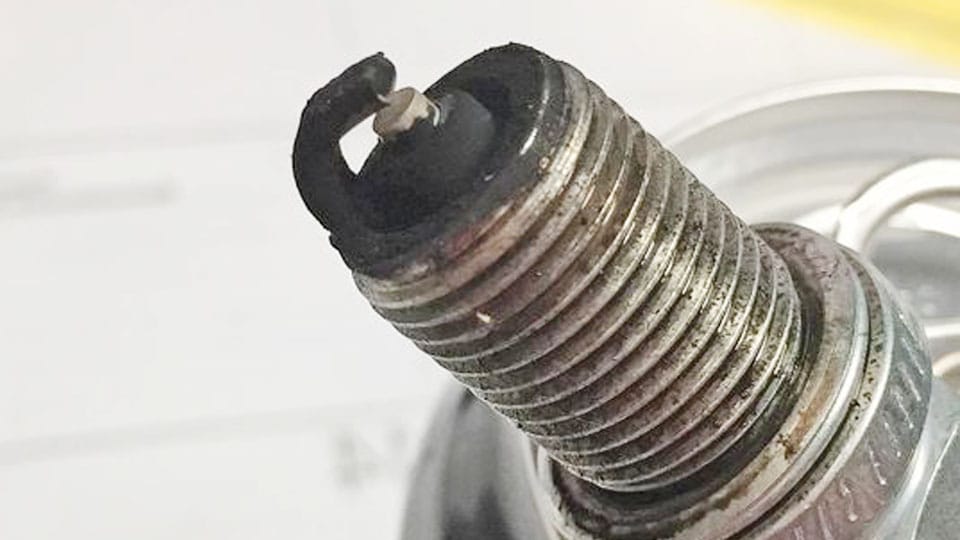
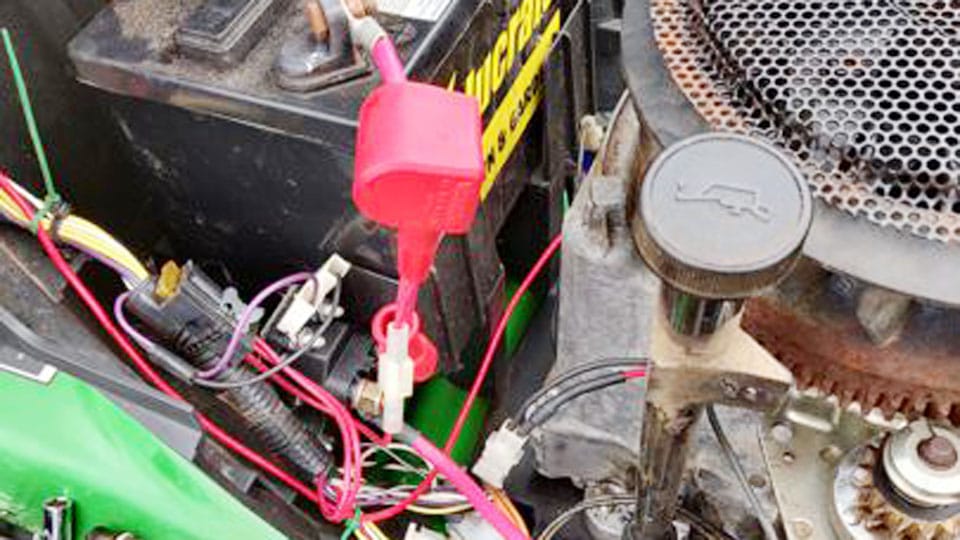
Spark plug cleaning is not worth it when the electrode is rounded, the insulator is cracked, the tip is oil-fouled or fuel-fouled, or the plug is iridium or platinum with heavy wear; replace it. A bad call can keep the misfire, damage the coil or catalytic converter, and waste time on a part that will fail again. This guide gives a hard-stop checklist for cleaning versus replacing, based on plug condition, plug type, and misfire risk.
Spark plug cleaning decision guide

Cleaning works only when the plug’s problem is surface contamination and the metal, ceramic, and threads are still sound. If the electrode is worn, the insulator is cracked, or the gap is already out of spec, cleaning does not restore the plug. At that point, replacement costs less than a repeat misfire.
What the plug can still recover
Light dry carbon can sometimes be removed, especially on older copper plugs with visible metal left on the center and ground electrodes. A dry, intact insulator and clean threads are the best signs that cleaning may buy more service life. If the plug was removed because of a temporary rich condition, the cause may be outside the plug itself.
A plug that only looks dirty after short-trip driving may clean up well, but the gap still needs checking with a spark plug gap gauge against the manufacturer spec. Cleaning removes deposits. It does not reset wear.
What makes cleaning a waste of time
Cleaning is poor value when the plug has rounded electrodes, burned edges, chipped porcelain, tracking marks, or damaged threads. Those are structural failures, not dirt. The same goes for plugs with heavy oil fouling, a wide gap, or heat damage from long use. The plug may still misfire after a spotless cleanup.
Modern iridium and platinum plugs generally need extra caution. Their fine-wire tips are generally less tolerant of wear than older copper designs, so heavy deposits or visible erosion usually point to replacement rather than repeated cleaning.
Clean, reuse, or replace?
This table is the fast decision check. Use it after you inspect the tip, insulator, well, and threads. If more than one replacement trigger applies, do not try to save the plug.
| Condition | Visible signs | Likely cause | Whether cleaning is worth trying | Replacement trigger |
|---|---|---|---|---|
| Carbon fouling | Dry black soot on the tip; no cracks; electrodes still sharp enough to measure | Rich running, short trips, weak ignition, or extended idle time | Yes, if buildup is light and the plug is otherwise sound | Heavy carbon on a fine-wire iridium or platinum plug, or a gap already outside spec |
| Fuel wetness | Wet fuel on the firing end; plug may smell of gasoline | Flooding, failed injector control, weak spark, or repeated no-start attempts | Usually no, unless the cause is corrected and the plug dries with no damage | Any sign of heat damage, repeated wetting, or a plug that still misfires after drying |
| Oil fouling | Oily deposits on the plug, or oil pooled in the well | External leak such as a valve-cover gasket or tube seal; less often internal engine wear | Only after the leak is fixed, and only if the plug itself has no wear or damage | Oil baked onto the plug, carbon caked over oil, or repeated fouling after repair |
| Physical damage | Cracked insulator, chipped ceramic, rounded electrode, burned tip, damaged threads, tracking marks | Overheating, seizure, cross-threading, impact damage, or long service life | No | Immediate replacement |
When is spark plug cleaning not worth it?
Cleaning is not worth it when damage has changed the plug’s shape or heat path. Cracked porcelain, rounded electrodes, burned tips, and bad threads are replacement jobs. Heavy deposits on iridium or platinum plugs are another hard stop because the fine-wire tip is easier to weaken than rescue.
Cracked or chipped insulator
Any crack, chip, or tracking mark on the ceramic usually means replacing the plug. The insulator keeps spark energy where it belongs. Once that barrier is damaged, cleaning cannot restore it, and the plug can leak spark under load.
Eroded or rounded electrodes
If the center or ground electrode is rounded, burned, or missing material, the gap has changed for good. Cleaning may make the tip look better, but it will not rebuild metal. That extra gap can weaken spark and keep the misfire alive.
Burned or damaged threads
Threads that are cross-threaded, stripped, seized, or heat-damaged are a replacement issue. Reusing a plug with poor threads risks a bad seal or more damage on reinstall. If the plug starts rough in the head, stop and correct the problem before tightening anything.
Heavy deposits on fine-wire iridium or platinum plugs
Older copper plugs sometimes tolerate a careful clean if the wear is light. Fine-wire iridium and platinum plugs are less forgiving. If they carry heavy carbon, oil, or baked-on deposits, replacement is the safer call because the remaining electrode life is limited.
Can a fouled spark plug be cleaned and reused?
Sometimes, but only when fouling is light and the plug still passes inspection. Light dry carbon may be cleaned, dried fuel may come off after the root cause is fixed, and a clean gap can still be within spec. Heavy fouling, oil, or any damage shifts the answer to replace.

Light dry carbon versus heavy buildup
Light dry carbon is the most reusable case. A wire brush, soft brush, or toothbrush and a spray cleaner made for engines or electrical parts may remove the soot. Harsh chemicals are a bad idea. They can damage the plug or leave residue that does not belong near ignition parts.
Heavy buildup is different. If deposits hide the electrode shape, or if a modern fine-wire plug is packed with residue, the time spent cleaning often exceeds the value of the part. A new plug is usually the better answer.
Why gap wear still matters after cleaning
Cleaning does not close a worn gap. Use a spark plug gap gauge during inspection and again before reinstalling, and match the manufacturer spec. If the gap is excessive, the plug can still misfire under load even after it looks clean.
When repeat misfire risk outweighs reuse
Say your engine starts missing at idle after a wet, black plug is cleaned and reinstalled. If the plug was already near the end of its service life, that risk is not worth saving a low-cost part. A repeat misfire can foul the new plug too if the root cause remains.
Cleaning every 10,000 to 15,000 miles may be part of a maintenance routine on some engines, but interval care is not the same as rescue work. A plug with visible wear, repeated fouling, or heat damage should not be treated like a routine maintenance item.
What to inspect before you decide
Inspection decides the job more than cleaning does. Look at the electrode condition, the porcelain, the threads, the plug well, and the boot. A clean plug that still fails these checks should be replaced.
Electrode condition and gap size
Check for worn, rounded, burned, or missing electrode material. Then measure the gap. The spark plug gap gauge is for both inspection and reinstall, and it must match manufacturer spec. If the electrode is worn enough to enlarge the gap beyond spec, cleaning is not the fix.
Insulator cracks and tracking
Inspect the white ceramic for cracks, chips, or dark tracking lines. Tracking often means the spark has already found an easier path outside the intended gap. That plug should be replaced, even if the fouling itself looks minor.
Thread condition and seizure
Threads should start cleanly by hand and tighten without grinding or binding. Damaged or seized threads make reuse unsafe. If the plug is stuck, penetrating oil belongs in small amounts, with patience. Do not force the plug, and do not snap it off in the head.
Oil in the plug well
Oil in the well often points to a leaking valve-cover gasket or tube seal. That external leak can cause misfire by contaminating the boot and the plug. Fix the leak first, then decide whether the plug itself still has enough life to reuse.
Tools that matter during inspection and reinstall
Right tools reduce breakage, cross-threading, and repeat work. The basics are simple, but each one does a specific job. Use them before you decide the plug is bad.
Spark plug socket and extension
Use the correct spark plug socket, commonly 5/8 inch or 13/16 inch, with a ratchet and extension. The right socket grips the shell and reduces ceramic damage when you remove or install the plug.
Compressed air
Blow debris out of the plug wells before removal. Compressed air keeps grit from falling into the cylinder when the plug comes out. It also helps you see whether oil is pooling in the well before you start turning anything.
Spark plug gap gauge
Check the gap during inspection and after cleaning, then compare it with the spec for that engine. If the gap is wrong, the plug may still run poorly even when the tip looks clean. That is one of the easiest ways to avoid a false save.
Torque wrench
Use a torque wrench on reinstall to follow the manufacturer torque spec. Overtightening can crack the plug or damage the head threads. Too little torque can leave a poor seal and make future removal harder.
Penetrating oil
Use penetrating oil only for seized plugs, and apply it in small amounts with patience. It helps with removal, not with cleaning. If the plug still will not move, forcing it risks breaking the shell or the head threads.
Ignition coil boot
Disconnect the ignition coil boot by the boot, not the wire. Inspect it for cracks, tears, or oil contamination before reinstalling. A damaged boot can cause a misfire that looks like a bad plug, which leads to the wrong repair.
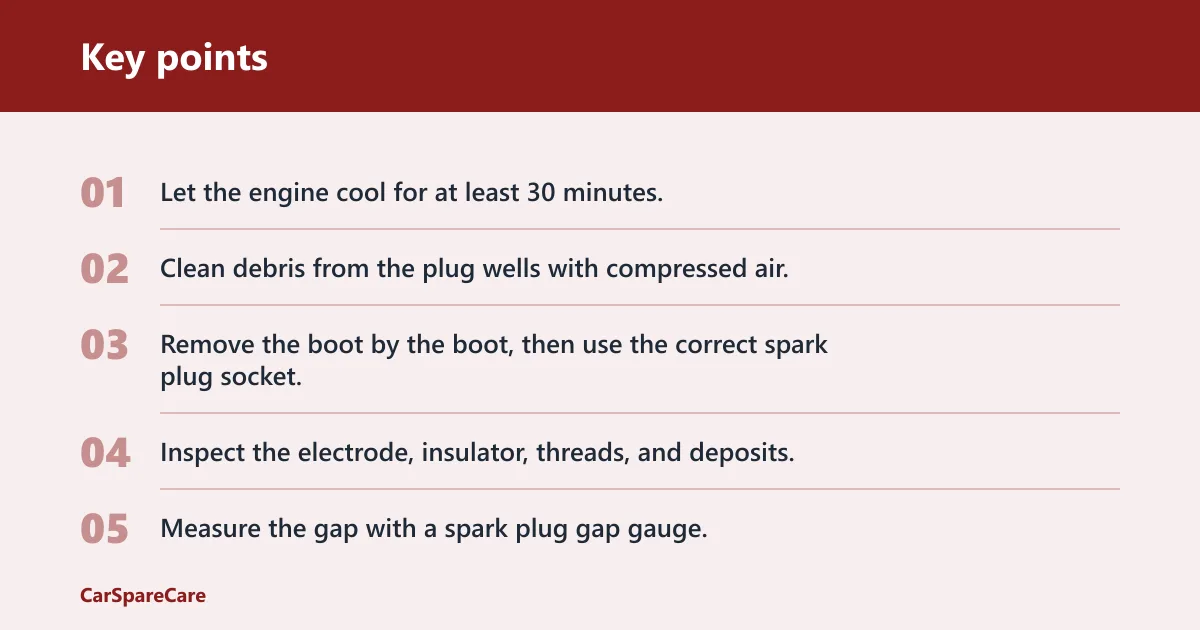
- Let the engine cool for at least 30 minutes.
- Clean debris from the plug wells with compressed air.
- Remove the boot by the boot, then use the correct spark plug socket.
- Inspect the electrode, insulator, threads, and deposits.
- Measure the gap with a spark plug gap gauge.
- Clean only if the plug passes the hard-stop checks.
- Reinstall with a torque wrench to spec, or replace the plug.
When replacement is the smarter choice
Replacement wins when the plug is old, heavily worn, or damaged by heat, oil, or fuel. It also wins when the plug type leaves little room for recovery. The cost of a new plug is usually lower than the time spent cleaning, plus the risk of a repeat misfire.
Modern iridium and platinum plugs
Cleaning has less value on modern iridium and platinum plugs because the fine-wire electrode is not meant for repeated rescue work. If the tip is heavily fouled or the gap is already out of spec, replacement is the cleaner decision. A fresh plug also removes doubt about hidden wear.
Old plugs at or past service interval
Plugs can go bad with age and heat cycles even if they still look serviceable. Heat cycles make plugs harder to remove over time, and aluminum heads expand and contract faster than steel plug shells. That matters because a stubborn old plug can turn a simple job into a broken-one.
Plugs damaged by oil, fuel, or heat
Oil-fouled plugs may point to a valve-cover gasket or tube seal leak, but the plug itself may still need replacement after the leak is fixed. Fuel-fouled plugs that keep getting wet are also poor reuse candidates. Heat-damaged plugs belong in the scrap pile, not back in the head.
Picture a plug with a black, oily well on a V6, a cracked boot, and a gap that is already wide. Cleaning the tip would miss the leak source, the boot fault, and the wear. That is three separate reasons to replace the plug and fix the leak.
Frequently asked questions
Cleaning spark plugs vs replacing
Cleaning is worth trying only for light surface fouling on a plug that still has a sound insulator, sharp enough electrodes, good threads, and a correct gap. Replace it when there is cracking, rounding, heavy fouling, or any sign of heat or thread damage. That is the safer and cheaper long-term call.
Can you clean a spark plug?
Yes, if the plug is only lightly fouled and the damage is limited to dry carbon. Use a soft brush or wire brush with a spray cleaner made for engines or electrical parts, and avoid harsh chemicals. If the plug is damaged, cleaning only hides the problem for a short time.
Can spark plugs be cleaned and reused?
They can be reused when cleaning removes light deposits and the plug still matches spec for gap, shape, and thread condition. Reuse is less attractive on iridium and platinum plugs with heavy wear, because cleaning cannot restore electrode life. If repeat misfire risk is high, replace the plug.
Do spark plugs go bad with age?
Yes. Age, heat cycles, and normal wear slowly erode the electrodes and can make removal harder later. A plug can still look acceptable and still misfire under load. That is why service interval matters, not just appearance. If the plug is old and worn, do not assume cleaning will restore it.
Is it difficult to replace spark plugs?
Usually it is moderate, not extreme, if access is decent and the engine is cool. The job becomes harder when plugs are seized, wells are oily, or the coil boot is brittle. The correct socket, compressed air, and a torque wrench make the work far safer and more predictable.

Hi, I’m Melvin, an automobile engineer with extensive experience in automobile equipment. I currently work for a local automobile firm, where I specialize in the car parts industry. I’ve had the opportunity to collaborate with seasoned inspectors, gaining invaluable hands-on experience that goes beyond just theory.
My passion for automotive care started at a young age, which led me to create CarSpareCare. Through CarSpareCare, I share the knowledge and skills I’ve acquired over the years to help others navigate the world of car maintenance and repairs.
My goal is to provide practical tutorials, essential safety advice, and the latest industry insights so that anyone—whether a beginner or an expert—can confidently tackle their automotive projects.