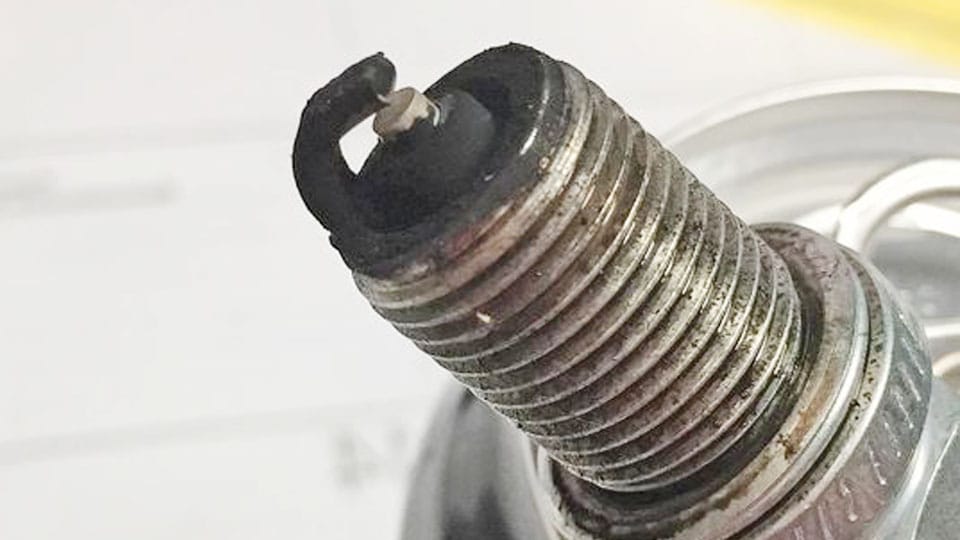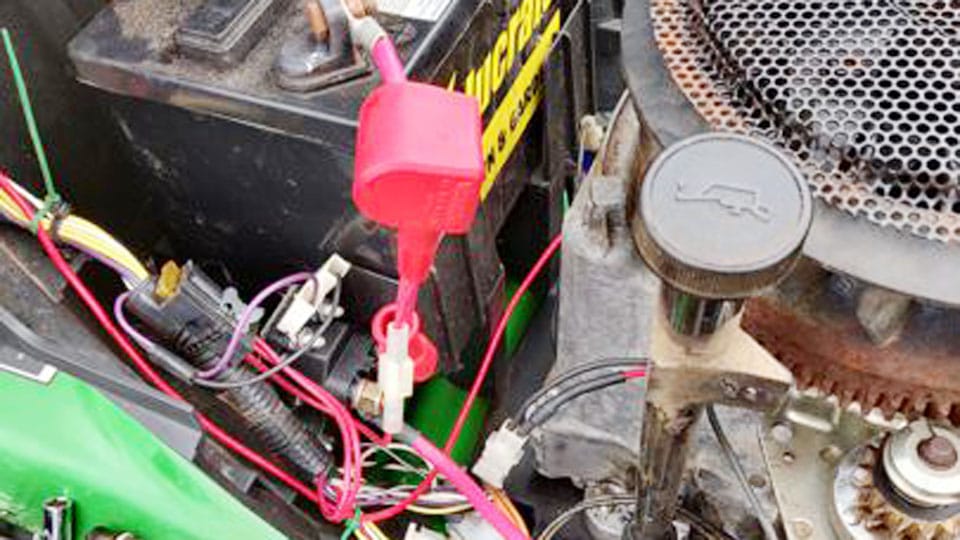
Spark plugs loosen when the threads, seat, gasket, or torque are wrong. If a plug backs out repeatedly, stop retightening and inspect the plug, the head, and the hole. Ignoring it can cause misfires, hot-running damage, blown threads, or a plug that ejects from the head. This guide shows how to identify installation error, thread damage, seal failure, and cylinder-head wear, then tells you the next fix for each case.
Symptoms And Dangers Of Loose Spark Plugs
Repeat loosening often means the plug was not tightened to the correct spec, the sealing surface is damaged, or the cylinder-head threads are worn. A plug that keeps backing out is not normal. Treat it as a fault-finding problem.
What the loosening changes
A loose plug cannot hold the combustion seal as it should. That can let combustion gas leak past the seat, which may sound like ticking or light popping. Loose plugs can also cause engine misfires, rough idling, reduced acceleration and power, lower fuel economy, and engine vibration.
Correct torque matters because it clamps the plug against the head with enough force to hold combustion pressure. Too little clamping force lets the seal relax. Too much force can strip cylinder-head threads or crack the plug insulator.
Why repeat loosening points to a fault
If the same plug loosens again soon after installation, the problem is often not the plug alone. It may be under-torque, a crushed or failed gasket, cross-threading, or damaged aluminum head threads that no longer hold clamp load well. That is why the next step should be inspection, not another quick tighten.
📊 Spark plugs should usually be tightened between 10 and 30 pound-feet. Source: How Tight Should Spark Plugs Be.
Can spark plugs come loose?
Yes. Spark plugs can come loose if the initial install was too light, if the sealing parts failed, or if the threads no longer grip the plug properly. A loose plug may seal poorly at first and then work farther out with heat cycles, vibration, and combustion pressure.
How under-torque lets the plug work loose
Under-tightened plugs may not seat fully against the gasket or taper seat. When that happens, the plug can move slightly each time the engine heats and cools. That movement can turn into repeat loosening and, in some cases, misfires.
How gas leakage follows a poor seal
Combustion gas leakage is a common result of a loose plug. The leak may sound like a ticking noise near the cylinder head. It also means the cylinder is not holding pressure as it should, which can worsen performance.
What causes a spark plug to come loose?
The main causes are under-tightening, cross-threading, seal failure, wrong plug reach, and heat-cycle relaxation after prior damage. Each one affects how well the plug clamps to the head. The fix depends on which failure mode is present, not on a generic retighten.
Under-tightening and missed torque specification
Missing the manufacturer torque spec is the simplest cause. Spark plugs often need a torque in the low double-digit pound-feet range, but the vehicle service manual should override any generic range. The exact value varies by engine and plug type.
Cross-threading during installation
Cross-threading can happen when the plug starts into the hole at an angle. Even slight thread damage can prevent proper clamping and make a plug feel loose again after a short time. Cross-threading is especially risky in aluminum cylinder heads.
Crushed gasket or seal failure
Some plugs use a gasket that must crush correctly to seal. If the gasket is already distorted, reused when it should not be, or seated unevenly, the plug may lose clamp load after a few heat cycles. Seal integrity is tied directly to correct torque.
Wrong plug reach or seating mismatch
A plug with the wrong reach may not sit where the head expects it to sit. That can leave too much or too little thread engagement, or stop the gasket from sealing correctly. The result can look like loosening, but the real issue is a mismatch in plug design.
Heat-cycle relaxation after prior damage
If the head threads have been damaged before, the plug may seem tight at first and then back out again. Heat cycles can relax a weak fit. This is common when a plug was previously over-tightened, which can strip cylinder head threads.
Say your four-cylinder engine starts idling rough after a plug change, and one plug on an aluminum head backs out slightly within a week. That points away from random vibration and toward a torque or thread problem that needs inspection before the next run.
How do you tell which cause is behind repeat loosening?
Start by removing the plug and looking at the plug body, gasket, and threads. Then inspect the head threads and the seating surface. The wear pattern usually points to the failure mode. Do not assume every loose plug needs the same fix.
Inspect the plug body, gasket, and threads
Check whether the gasket is flattened evenly, whether the threads are shiny or torn, and whether the plug shows signs of uneven loading. A plug that has clean threads but a crushed or damaged gasket points toward sealing failure. Torn threads point toward install damage or head wear.
Check the cylinder head threads and seating surface
Look into the plug hole for thread damage, missing material, or debris. Aluminum head threads need extra caution because they can strip more easily than harder materials. If the hole no longer holds torque, repeat loosening is likely until the threads are repaired.
Match the symptoms to the failure mode
Ticking, light popping, and combustion gas leakage usually point to a seal problem. Rough idle and misfires point to poor sealing, under-torque, or an incorrect plug. If the plug backs out after correct torque, think damage, mismatch, or heat-cycle relaxation before anything else.
| Symptom pattern | Likely cause | Next check | Next fix step |
|---|---|---|---|
| Plug loosens soon after install | Under-torque | Verify torque spec and installed torque | Retorque to the manufacturer specification with a calibrated torque wrench |
| Plug will not start straight or feels gritty | Cross-threading | Inspect plug threads and head threads for angled entry damage | Stop use, clean and assess threads, then repair if needed |
| Plug loosens again after being tightened | Damaged cylinder head threads | Check for stripped or weak threads in the head | Use thread repair or head repair, depending on damage depth |
| Ticking or light popping with soot around the plug | Crushed gasket or seal failure | Inspect gasket crush and seating surface | Replace the plug if the seal is no longer sound |
| Correct torque, but poor seat depth or odd protrusion | Wrong plug reach | Compare plug reach and seat type to the manual | Install the correct plug type |
| Repeat loosening after prior overtightening | Heat-cycle relaxation or thread wear | Test thread hold carefully and inspect for damage | Repair the threads before reinstalling |
How tight should spark plugs be?
The right answer is the manufacturer’s specified torque for your engine and plug type. A common generic range is 10 to 30 pound-feet, but the service manual is the source that matters. Generic values are only a fallback when the vehicle-specific spec is confirmed.
Why the manufacturer service manual matters most
The manual accounts for plug design, seat style, head material, and thread size. Those details change the clamp load needed for a proper seal. A number that works for one engine may be wrong for another, even if the plugs look similar.
Why a torque wrench is the right tool
A calibrated torque wrench helps prevent under- or over-tightening. It gives repeatable results on reinstall and removes guesswork. That matters because loosening often starts with a plug that was never tightened evenly in the first place.
Why guessing by feel can cause repeat loosening
Hand feel changes from person to person and from engine to engine. It is especially unreliable when a plug hole is awkward to reach. If the plug is left too loose, poor sealing and misfires can follow. If it is too tight, the threads can be damaged.
Do loose spark plugs need new threads or a new plug?
Sometimes the plug can be reused, but only if the threads are clean and the seal is still sound. If the threads are damaged, thread repair may be needed. If the plug body, gasket, or insulator is damaged, replacement is the safer step.
When the plug can be reused
Reuse is reasonable when the plug threads are clean, the gasket is intact, and the plug removed without galling or deformation. If the only issue was under-torque, reinstalling the same plug at the correct spec may solve it.
When thread repair is the next step
If the plug hole will not hold torque, the plug rocks in the bore, or the threads are visibly stripped, the head likely needs repair. That is the point where repeat loosening becomes a thread problem, not an install habit.
When the cylinder head or plug must be replaced
If the plug insulator is cracked, the threads are badly torn, or the sealing surface is too damaged for reliable clamp load, replacement is the safer choice. In aluminum heads, the risk of recurring thread failure is higher after overtightening history.
How do you stop spark plugs from loosening again?
Use the correct plug, the correct seal type, and the correct torque. Then confirm the threads and seating surface before final assembly. A torque wrench and a spark plug socket are the right tools for controlled removal and installation.
Use the correct plug and sealing type
Match the plug reach, seat style, and heat range to the engine. The wrong plug can seem to install normally while still failing to seal. That is one of the more common reasons a plug keeps loosening after a “correct” install.
Use the right socket and torque wrench
A spark plug socket helps protect the plug during removal and fitting, often with a rubber insert that grips the plug body. That reduces install damage. A torque wrench then applies the specified load instead of a rough estimate.
Confirm seating before final assembly
Start the plug by hand, make sure it turns in freely for several turns, and stop if it binds. That helps avoid cross-threading. Then torque it to the manual’s value and listen later for ticking or light popping that would suggest a leak.
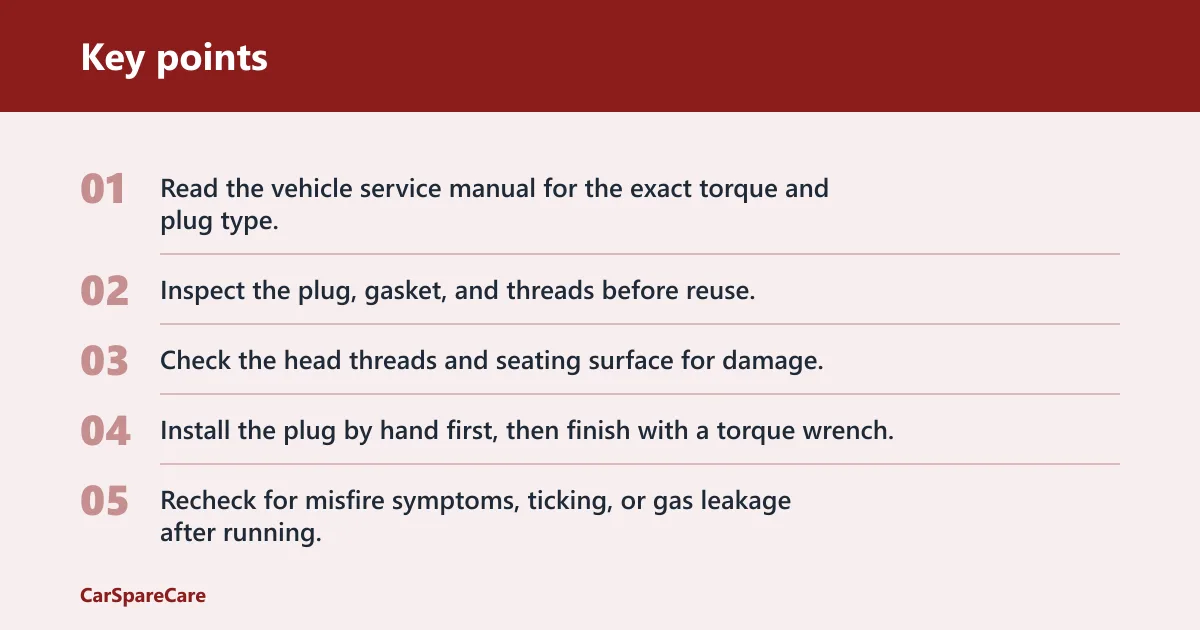
- Read the vehicle service manual for the exact torque and plug type.
- Inspect the plug, gasket, and threads before reuse.
- Check the head threads and seating surface for damage.
- Install the plug by hand first, then finish with a torque wrench.
- Recheck for misfire symptoms, ticking, or gas leakage after running.
Suppose a plug in a V6 keeps loosening even after it was “snugged” twice by feel. The next step is not more force. It is a thread and seal inspection, because the problem may be a damaged aluminum head, the wrong plug reach, or a gasket that never seated correctly.
Frequently asked questions
Can under-tightened spark plugs cause misfires?
Yes. Under-tightened spark plugs can fail to seal properly, which can lead to combustion gas leakage and misfires. They may also cause rough idle, slow acceleration, poor fuel economy, and engine vibration if the leak is significant enough.
Can over-tightened spark plugs damage the threads?
Yes. Over-tightening can strip cylinder head threads, and it can also crack the plug insulator. Aluminum heads need extra caution because stripped threads can lead to repeat loosening even after the plug is “fixed” once.

Hi, I’m Melvin, an automobile engineer with extensive experience in automobile equipment. I currently work for a local automobile firm, where I specialize in the car parts industry. I’ve had the opportunity to collaborate with seasoned inspectors, gaining invaluable hands-on experience that goes beyond just theory.
My passion for automotive care started at a young age, which led me to create CarSpareCare. Through CarSpareCare, I share the knowledge and skills I’ve acquired over the years to help others navigate the world of car maintenance and repairs.
My goal is to provide practical tutorials, essential safety advice, and the latest industry insights so that anyone—whether a beginner or an expert—can confidently tackle their automotive projects.