

How to Make Old Car Paint Glossy Again
Wash first, then test the paint. If oxidation wipes off or polish brings back gloss, correct it; if the clear coat is peeling, cracking, or chalky, repainting is the only fix.
DIY car repair and maintenance fixes you can do at home. Save money with easy-to-follow guides for common automotive repairs.
Wash first, then test the paint. If oxidation wipes off or polish brings back gloss, correct it; if the clear coat is peeling, cracking, or chalky, repainting is the only fix.

Park away from cart corrals, use a buffer space, and choose barriers plus paint protection in the right order to reduce shopping cart dings.
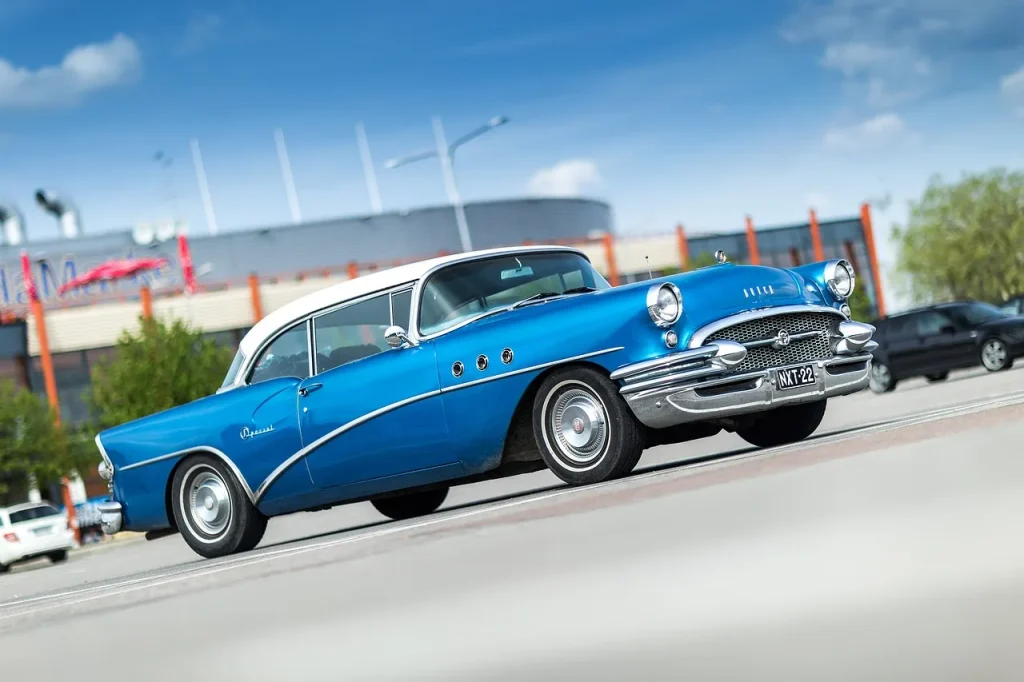
Wash off the scrape within 24 hours, check the damage layer, and choose touch-up paint, film, or body-shop repair before rust starts.

Clean the panel first, then look for lifting edges, flakes, or peeling; smooth haze is oxidation, not clear-coat failure.
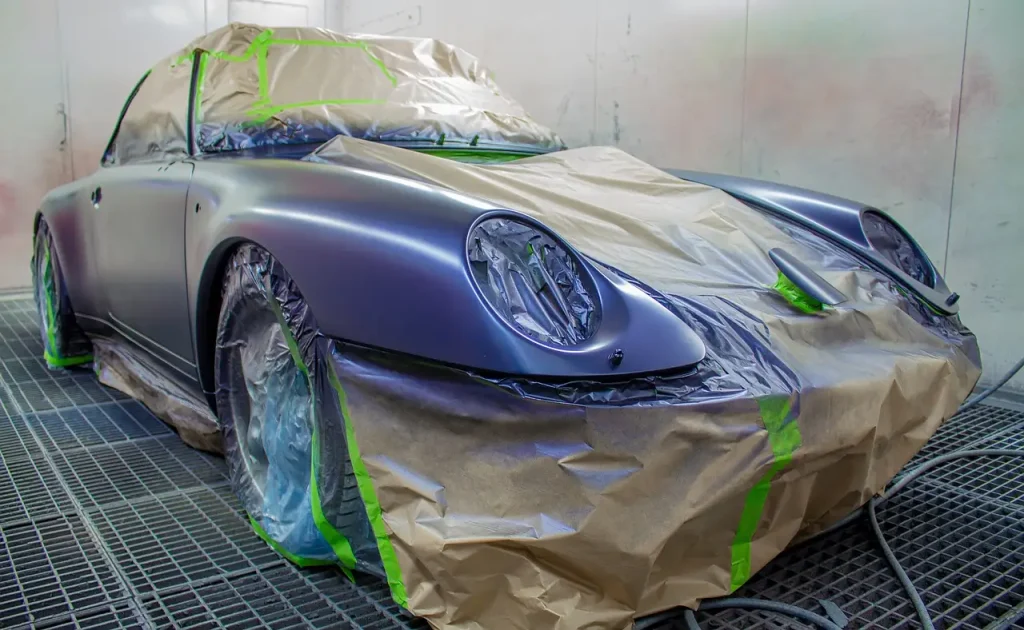
Defects that catch a fingernail, show bare metal, or survive a solvent wipe usually need repainting; swirls and light scratches usually need correction.

Use a clay mitt on washed, cool paint with lubricant, light pressure, and straight passes. Stop if it drags, then wipe and inspect.
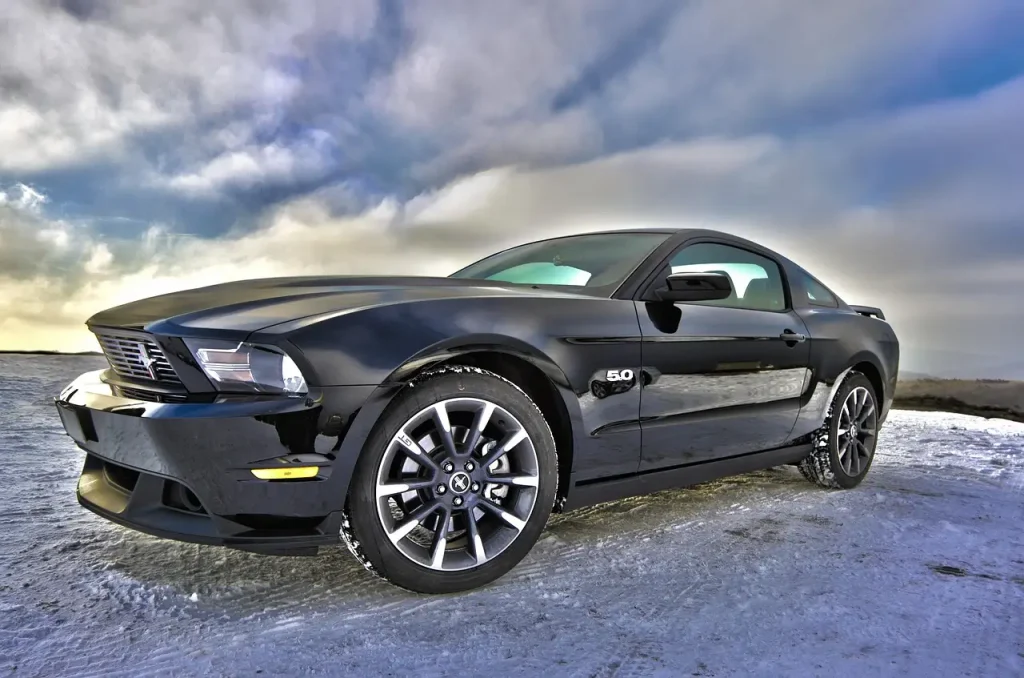
Use iron fallout remover on cool, clean paint first. If the surface still feels rough after rinsing, follow with clay. Learn the signs, steps, and stop points.

Use tar remover on cool, clean paint by washing first, testing a small spot, and wiping after a brief dwell time.
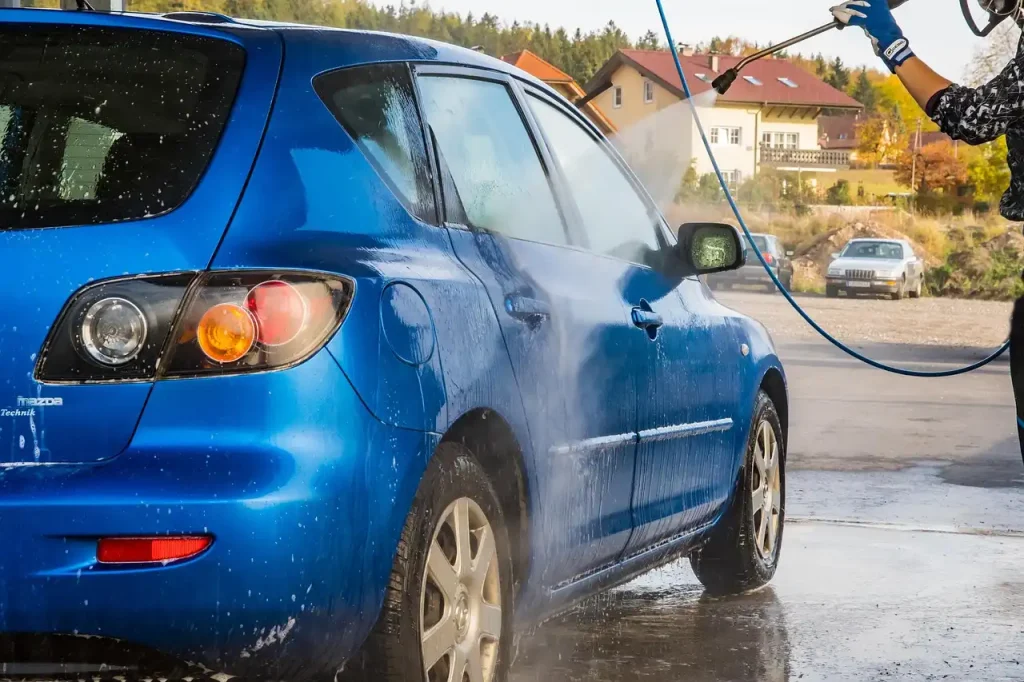
Use wax, sealant, or ceramic coating, plus proper washing, drying, decontamination, and parking habits, to keep paint cleaner for longer.

Use a contamination-based rule: dust gets a blower or dry microfiber, light grime gets a pH-neutral rinse or rinseless wash, and grit gets a full wash.