
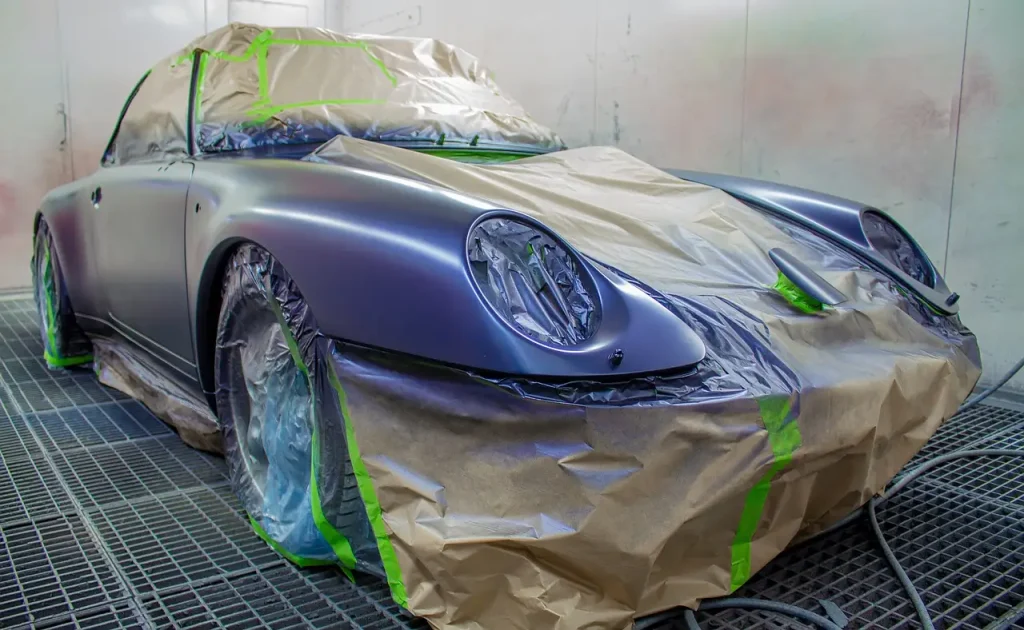
If a defect catches a fingernail, shows bare metal, or stays visible after a strong wash and solvent wipe, repainting is likely needed; hazing, swirls, and light scratches usually need correction. Guess wrong and you can waste money on polishing or, worse, sand through weakened paint. This guide shows a quick inspection method to separate correction, spot repair, and repaint territory.
Paint inspection basics
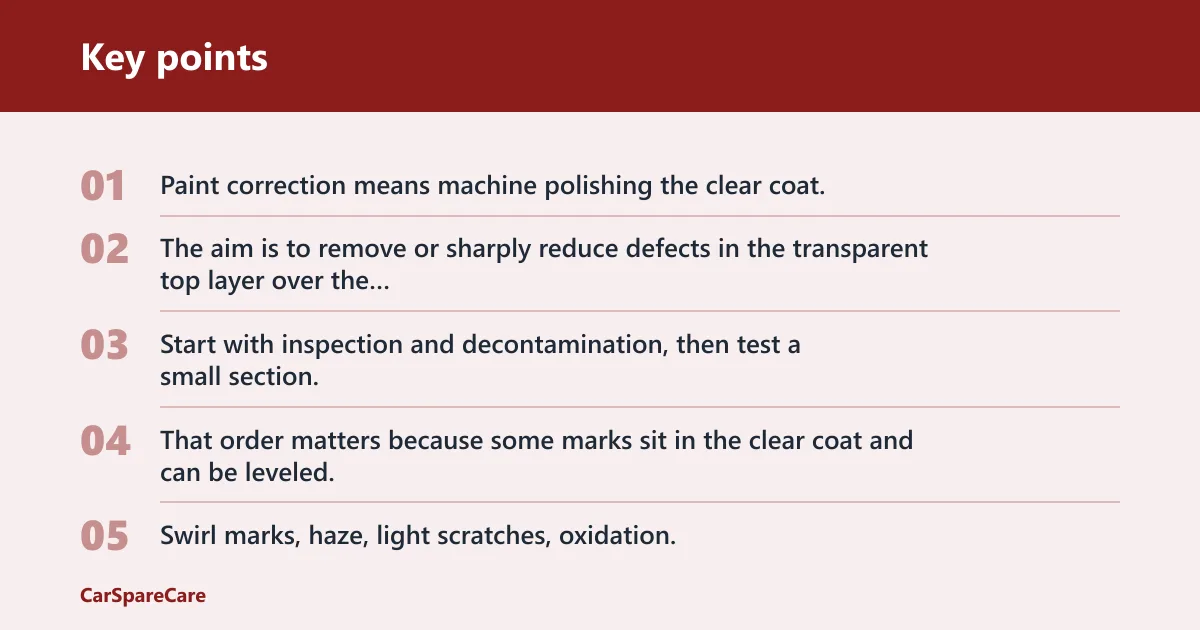

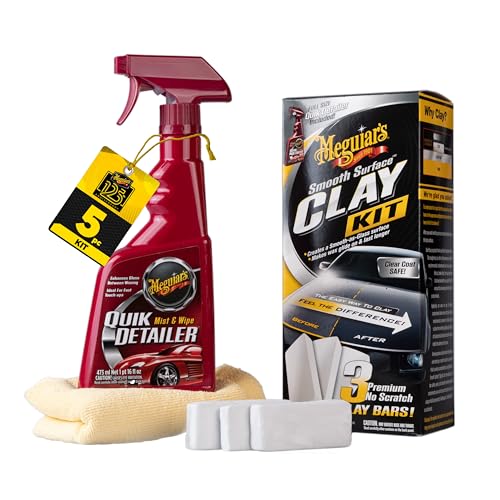
Paint correction means machine polishing the clear coat. The aim is to remove or sharply reduce defects in the transparent top layer over the color coat. It is not wax, and it is not a quick buff. Start with inspection and decontamination, then test a small section, then use the least aggressive method that works.
That order matters because some marks sit in the clear coat and can be leveled, while others run through it. Swirl marks, haze, light scratches, oxidation, and water spots often belong in the first group. Clear coat failure, primer showing, metal exposure, cracking, and peeling belong in the second.
What correction can fix
Correction fits when the defect is in the clear coat and the panel still has sound finish around it. Fine swirls, wash-induced haze, faint towel marring, and many water spots respond to careful polishing. Oxidation on neglected paint often improves too, because polishing removes the dull upper layer rather than repainting the panel.
What repainting fixes instead
Repainting is body-shop repair for paint that is missing or failing. Use it when the clear coat has peeled, flaked, or cracked, or when the scratch has gone through to primer, basecoat, or metal. Repainting restores damaged panels rather than refining the top surface.
Why inspection starts before polishing
Start with strong, direct light and a clean surface. Bright overhead LEDs or sunlight at an angle make swirls, haze, and buffer marks easier to see, and dark paint makes defects and finishing quality easier to see as well. Wash and decontaminate first so dirt, tar, and bonded grime do not hide the real damage.
Technicians should test a section before choosing a method. That is how you avoid over-polishing one area while under-treating another. A light one-step correction may start around $400 to $700, while a more involved two-step correction often lands around $800 to $1,500 or more.
Can this scratch be polished out?
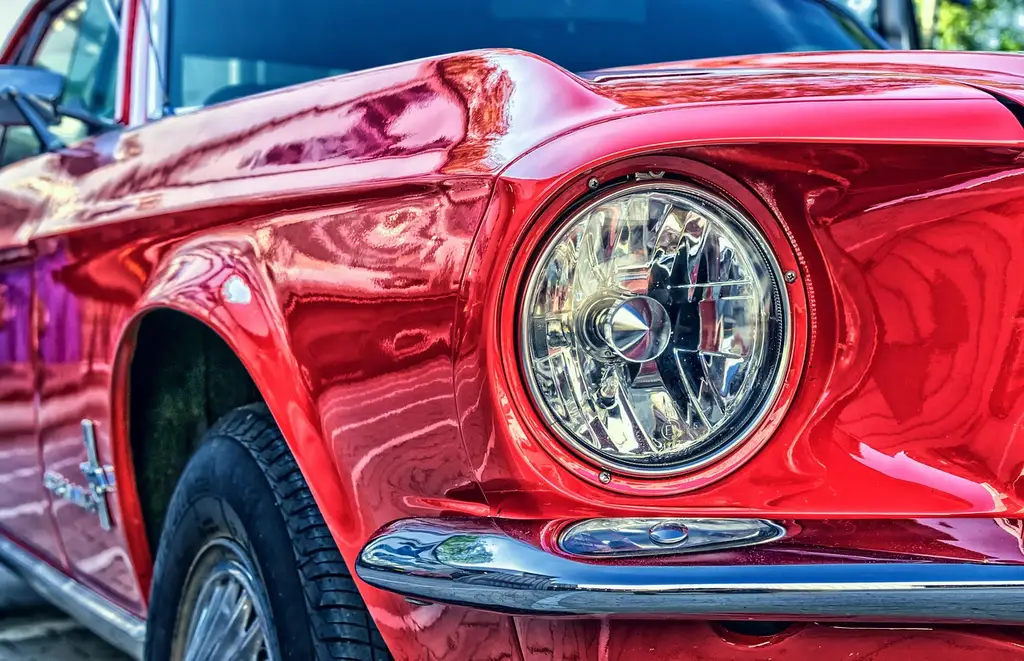
A scratch can usually be polished out if it stays in the clear coat and does not cut deeply enough to reach a different layer underneath. The quickest field check is the fingernail test: if your nail glides over the mark, correction is more likely; if it catches, the scratch is often deeper and may need repainting or touch-up work.
Use the fingernail test
Run a clean fingernail lightly across the scratch at a right angle. A gliding feel suggests a shallow defect in the clear coat. A catch, stop, or sharp edge means the damage is more than surface marring. The test is not perfect, but it is a fast way to separate likely correction candidates from deeper damage.
Suppose a black sedan has a thin white line on the door handle recess. If the nail slides across it and the line disappears under inspection light after a test polish, correction is the likely path. If the line feels like a groove and still shows after cleaning, the damage is probably through the clear coat.
Look for clear-coat only damage
Clear-coat-only defects usually look dull, hazy, or circular in bright light. Swirl marks are circular or spiderweb-like wash defects. Haze and light scratches often appear where towels, automatic wash brushes, or dry dust have rubbed the surface. These defects usually sit above the color coat and can be reduced with polishing.
Water spots need a closer look. Mineral deposits from rain, sprinklers, or poor drying may sit on top of the finish, but they can also etch into the clear coat. If they are only deposited on the surface, decontamination and polishing may remove them. If they have etched the clear coat deeply, stronger correction or repainting may be needed.
Spot the signs of deeper damage
Deeper damage often shows a sharp edge, a color change, or a different layer at the bottom of the mark. Primer looks different from body color. Basecoat loss can leave a lighter or duller area. Metal exposure may show as silver or rust-prone bare metal. Those are not polishing jobs.
A common first-timer mistake is treating every scratch as a clear-coat mark. On a silver hatchback, a long scrape on the rear quarter may look mild in shade but reveal a gray primer line in sunlight. That panel needs spot repair or repainting, while the adjacent panels may only need correction.
Paint correction matrix
This matrix gives a quick decision guide. It does not replace a detailed inspection, but it helps separate surface defects from paint failure. If the symptom points to clear coat damage only, correction is the first choice. If it shows missing paint or layer failure, repainting or spot repair is safer.
| Symptom | Likely recommendation and reason |
|---|---|
| Swirls | Correction. These wash-induced circular marks usually sit in the clear coat and can often be reduced with polishing. |
| Haze | Correction. Hazy, cloudy finish often reflects fine clear-coat marring or poor finishing that responds to machine polishing. |
| Etched water spots | Correction or spot repair. Light deposits may decontaminate out; deeper mineral etching can need polishing, and severe etching may cross into repaint territory. |
| Deep scratch catching a fingernail | Spot repair or repaint. A catch suggests the scratch may be through the clear coat and into color, primer, or metal. |
| Primer showing | Repaint. Primer exposure usually means the top color layer is gone, so polishing cannot restore what is missing. |
| Peeling clear coat | Repaint. Clear coat failure is a structural finish problem, not a polishing defect. |
| Oxidation | Correction. Chalky or dull paint often improves when the damaged top layer is polished away, if the clear coat is still intact. |
| Color mismatch | Repaint. A mismatch between repaired and original paint points to prior refinishing or failed spot work, not a correction issue. |
One-step versus two-step basics
One-step correction uses a single polish and pad choice to remove mild defects and improve gloss. Two-step correction adds a more aggressive first stage, then a refining stage for better finish. The right choice depends on how deep the defects are, how hard the paint is, and how much clear coat remains to work with.
Cheap correction can leave holograms and buffer trails, especially on dark paint and sensitive finishes. Those marks often show up in sunlight as dull arcs or straight-line haze from poor machine control. If the finish already has thin or failed clear coat, aggressive work can make the panel worse.
When does repainting make more sense?
Repainting makes more sense when the defect is not merely on the clear coat but has broken through it or when the finish itself is failing. If you see primer, bare metal, peeling, flaking, cracking, or strong color mismatch, correction will not rebuild the missing layer. That is repaint territory.
Clear coat failure signs
Clear coat failure often shows up as peeling, flaking, or cracking. Those are not cosmetic swirls; they are signs that the transparent top layer has separated or broken down. Polishing a failing clear coat can remove more material without fixing the failure, so repainting is usually the safer path.
Chips to metal or primer exposure
Any chip that exposes primer or metal needs more than polishing. If the basecoat is gone and primer is visible, the surface cannot be made whole by correction. Bare metal exposure is even more urgent because it can corrode if left open. Repainting, often with spot repair on a single panel section, is the correct fix.
Cracks, flaking, and color mismatch
Cracked finish is a repaint signal. Flaking clear coat is a repaint signal. Severe color mismatch is also a repaint signal because it indicates prior refinishing, aging differences, or failed blending. None of those problems are solved by machine polishing, and aggressive correction can make the mismatch more obvious.
What ceramic coating can and cannot hide
Ceramic coating is a transparent protective layer that adds slick, hydrophobic protection. It does not hide scratches or repaint damage. If the paint has swirls, etching, or sanding marks, the coating often makes poor prep more obvious because it adds gloss over the existing defect instead of removing it.
Why defects may still show through
Because the coating is clear, it follows the shape of the finish beneath it. That means swirls, haze, scratches, and etched spots can still show through after application. If the base surface was not corrected well first, the coating can lock in the look of those defects.
How poor prep makes paint look worse
Prep errors matter. If the panel was not decontaminated, if polishing left haze, or if the applicator dragged residue across soft paint, the final finish may look worse under direct light. Coating does not replace correction. It sits on top of the corrected surface.
Why coating is not a repair
Coating cannot fill peeled clear coat, fix cracking, or cover primer showing through. It is a protective layer, not a repair layer. If the paint is failing, the right order is repair first, then correction where appropriate, then coating if the surface is sound enough for it.
Panel-by-panel decision guide
Do not judge the whole car from one bad panel. One bumper, fender, or door may need repainting while the rest of the vehicle only needs correction. That panel-by-panel triage saves money and prevents unnecessary body work on sound paint.
When one panel needs repainting
If a single door has primer showing, peeling clear coat, or a scratch that catches the fingernail and reveals a different layer, repaint that panel. The surrounding panels may still be good candidates for correction. That approach keeps labor focused where the damage actually is.
When the rest of the car can be corrected
If the other panels only show swirls, haze, light scratches, oxidation, or light water spotting, they can often be corrected after proper wash and decontamination. Dark paint may make those defects easier to see, but visibility does not automatically mean failure. It often means the finish needs better inspection and careful polishing.
How to choose the least aggressive fix
- Wash and decontaminate the panel.
- Inspect it in strong angled light.
- Run the fingernail test on the scratch.
- Look for primer, metal, cracking, or peeling.
- Test a small area with the least aggressive polish that may work.
- Move to repainting if the defect remains or if paint failure is visible.
That method keeps you from sanding or polishing past the point of repair. It also helps separate a small spot repair from a full-panel repaint. The safest choice is the one that fixes the defect without removing healthy paint.
Frequently asked questions
How can I tell if a scratch can be polished out or needs repainting?
Check the scratch after washing and decontaminating the panel. If it looks like a fine line in the clear coat and your fingernail glides over it, correction may work. If the nail catches, or if you can see primer, basecoat loss, or metal, repainting or spot repair is more likely.
Does a fingernail test really tell if a scratch is through the clear coat?
It is a useful field check, but not a perfect measurement. A gliding nail usually means a shallow mark in the clear coat. A catch suggests deeper damage, possibly through the clear coat. Use it with light inspection, not by itself, because paint thickness and edge shape affect the feel.
When should I choose repainting instead of polishing?
Choose repainting when the finish is failing or paint is missing. Clear coat peeling, flaking, cracking, primer showing, bare metal, and severe color mismatch all point away from correction. Polishing can improve gloss, but it cannot restore material that is already gone or structurally breaking down.
Can clear coat peeling or flaking be corrected?
No. Peeling and flaking mean the clear coat has failed as a layer. Polishing may temporarily make the edge look cleaner, but it will not reattach or rebuild the finish. Repainting is the proper fix, often limited to the failed panel if the surrounding paint is still sound.
What defects can ceramic coating hide and what defects can it not hide?
Ceramic coating does not hide scratches, swirls, haze, or repaint damage. It is transparent, so defects still show through if the surface was not corrected first. It can add slick, hydrophobic protection over a sound finish, but it cannot cover peeling clear coat, primer exposure, or cracked paint.
Can oxidation always be corrected?
Not always. Light to moderate oxidation often improves because polishing removes the dull top layer. If the clear coat has already failed, or if oxidation has progressed into peeling, flaking, or cracking, correction is no longer enough. At that point, repainting is the safer and more complete repair.

Hi, I’m Melvin, an automobile engineer with extensive experience in automobile equipment. I currently work for a local automobile firm, where I specialize in the car parts industry. I’ve had the opportunity to collaborate with seasoned inspectors, gaining invaluable hands-on experience that goes beyond just theory.
My passion for automotive care started at a young age, which led me to create CarSpareCare. Through CarSpareCare, I share the knowledge and skills I’ve acquired over the years to help others navigate the world of car maintenance and repairs.
My goal is to provide practical tutorials, essential safety advice, and the latest industry insights so that anyone—whether a beginner or an expert—can confidently tackle their automotive projects.

