
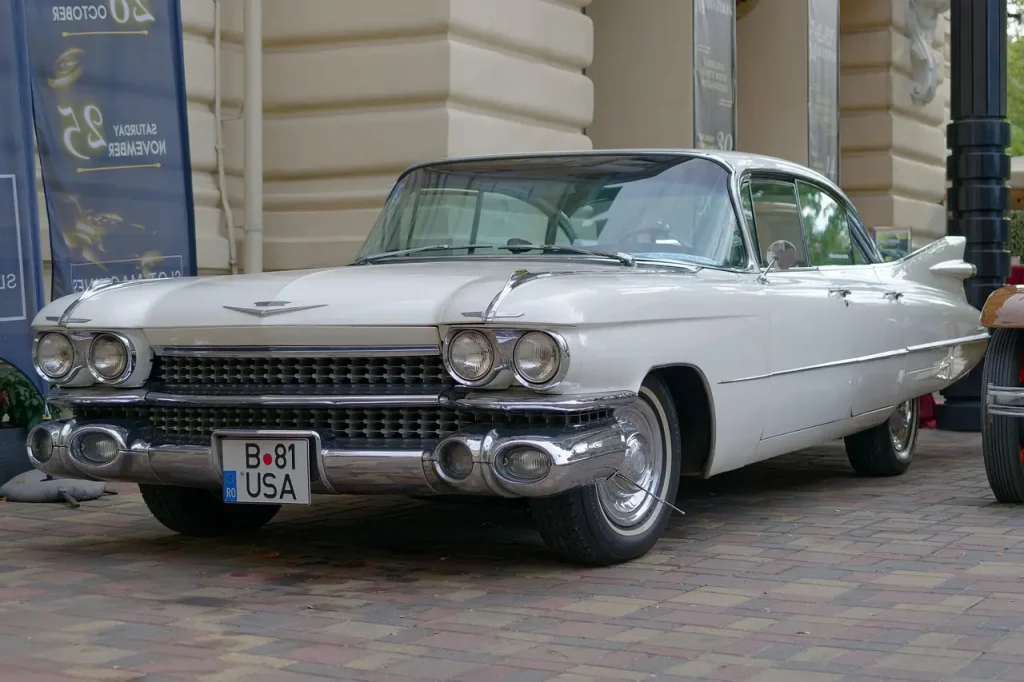
Clean white paint with a pH-balanced shampoo first. If yellowing remains after clay and a mild polish, the problem is usually oxidation or clear-coat damage, and repainting may be needed. Ignored staining lets grime, tar, UV, and heat dull the finish, then correction gets harder and more expensive. This guide shows how to separate surface discoloration from paint damage, then gives a prevention-first routine that keeps white paint bright without overpolishing.
Why white paint turns yellow


White paint turns yellow for different reasons, and the fix depends on which one you see. Surface staining can often be washed or decontaminated away. Oxidation leaves a chalky film that makes the finish dull and warm-toned. Clear-coat failure is different again; once the clear layer breaks down, polishing cannot restore what is missing.
Surface staining versus oxidation
Road film and traffic grime sit on top of the paint first. On white cars, that buildup shows quickly on hoods, roofs, mirrors, and trunk lids because those panels collect more sun, dust, and fallout. If the paint feels rough and the color looks dirty rather than faded, start with washing and decontamination before touching polish.
Oxidation is a breakdown of the paint surface that often looks chalky, flat, and slightly yellow. On single-stage white paint, the damage can affect the colored layer itself. On basecoat-clearcoat paint, oxidation usually lives in the clear coat and often responds better to decontamination plus a mild polish.
UV damage on clear coat
UV radiation speeds up paint degradation, especially on vehicles parked outdoors. It does not only change color; it also weakens the clear coat over time. Once that top layer starts to fail, you may see hazing, loss of gloss, patchy yellowing, or areas that look uneven even after a careful wash.
That is why white paint does not all age the same way. Solid white and pearl white can both look clean at a glance, but pearl finishes can appear more uneven when contamination settles in the clear coat, while solid white can show oxidation more plainly.
Single-stage white versus basecoat-clearcoat
Single-stage white paint has color and protection in one layer. If it oxidizes, you may be able to revive some brightness with proper cleaning and light polishing, but you also remove a little material each time. Basecoat-clearcoat systems are more common on modern cars, and they usually tolerate gentler correction better when the damage is still in the clear coat.
That difference matters because repeated polishing is not a free fix. If the car already has thin clear coat, heavy correction can make the problem worse. Start with the least aggressive method that can solve the symptom.
White paint rescue checklist
The checklist below separates the most common white-paint complaints from the likely cause and the safest first fix. Use it before you reach for compound or a strong cleaner.
| Symptom | Likely cause | Safest fix | Do not do |
|---|---|---|---|
| Yellowing on hood, roof, or trunk | UV exposure plus road film on horizontal panels | Wash, decontaminate, then inspect under shade before any polish | Do not attack it with heavy compound first |
| Chalky roof with dull gloss | Oxidation in the clear coat or single-stage finish | Use a mild polish after washing and claying | Do not scrub with household cleaners |
| Rough paint that still looks white | Bonded contamination, tar, or industrial fallout | Apply iron remover, then clay with lubricant | Do not clay dry |
| Tan haze near wheel arches and lower doors | Traffic grime and road film splash | Pre-soak, wash with pH-balanced shampoo, repeat if needed | Do not use a stiff brush on painted panels |
| Spotty yellow marks after parking under trees | Sap, pollen, bird droppings, or water spotting | Remove quickly with a safe wash and targeted spot cleaning | Do not let it bake on for days |
| Orange-brown specks on white paint | Embedded iron particles or brake dust fallout | Use iron remover before mechanical decontamination | Do not rub aggressively with a dry towel |
| Patchy yellowing that returns after polishing | Clear-coat breakdown or deeper oxidation | Check film thickness and assess repaint or clear-coat repair | Do not keep polishing the same area |
| Edge wear, peeling, or flaking clear coat | Clear-coat failure | Stop correction and plan paint repair | Do not try to buff through the damage |
| White paint looks dull only in sunlight | Light oxidation or fine marring | Use a finishing polish, then protect the surface | Do not jump straight to aggressive polishing |
| Yellow tint is even across the whole panel | Aging clear coat or stained top layer | Test a small section with mild correction first | Do not assume wax alone will fix it |
How do you clean white car paint correctly?
Clean white car paint with a pH-balanced shampoo, plenty of lubrication, and gentle wash technique. A two-bucket wash helps limit grit transfer, and horizontal panels often need extra care because they tend to collect more grime and fallout. Dry the car with clean microfiber towels so you do not add fresh marring while removing water.
Two-bucket wash and shampoo choice
Use a car shampoo that is pH-balanced and safe for wax or sealant. One bucket holds wash solution, the other holds rinse water for the mitt. That setup keeps dirt out of the paint as much as possible, which matters on white paint because traffic film stands out fast.
Work from the top down. Roof, glass, hood, trunk, then sides and lower panels. Rinse the mitt often, and use a straight-line motion instead of circular scrubbing. A common first-timer mistake is pressing harder on the roof because the dirt looks light-colored; on white paint, light grime still carries grit.
Why horizontal panels need extra attention
Horizontal panels catch more direct sun, more dust, and more fallout. That mix is why yellowing often starts there first. If the hood and roof stay dirty between washes, contamination has more time to bond and discolor the clear coat.
Suppose a white sedan sits outside under a tree and the roof gets a thin film of pollen and road dust every week. If the owner rinses but skips a proper wash for a month, that film can harden enough that a simple wash no longer restores the original brightness.
Drying without adding marring
Dry with a clean microfiber towel or a soft drying towel, and blot rather than drag where possible. Avoid old bath towels and dirty chamois materials. If water spots are a regular issue, dry in smaller sections so minerals do not sit on the surface long enough to leave marks.
How do you remove bonded contamination?
Bonded contamination needs chemical or mechanical decontamination, not just soap. Start with iron remover if you suspect fallout, then use a clay bar or clay mitt with proper lubricant if the surface still feels rough. This step can restore smoothness and improve gloss before you decide whether polishing is actually needed.
Iron remover before claying
Iron remover is commonly used before claying or polishing. It helps loosen embedded metal particles that washing will not touch. Follow the label dwell time exactly, because leaving it on too long can leave residue or create new cleanup work.
Use it on cool paint in shade. If the product reacts heavily, rinse thoroughly and reapply only as the label allows. Iron remover is not a cure for oxidation, but it may remove some contamination that can make white paint look yellow or dirty.
Clay bar or clay mitt
A clay bar or clay mitt removes bonded contamination that washing misses. It needs clay lubricant, and it should glide, not grab. If it drags or squeaks, add more lubricant. Used dry, clay can mar white paint and leave fine haze that is easy to see in strong light.
Use clay only when the paint still has a bonded feel after washing and iron removal. If the panel is already smooth and the discoloration is clearly in the finish, claying will not solve oxidation or clear-coat failure.
How to reduce marring risk
- Wash the car first with pH-balanced shampoo.
- Rinse and inspect the paint in shade.
- Apply iron remover where fallout is likely.
- Rinse again after the label dwell time.
- Clay only the rough areas with plenty of lubricant.
- Wipe the panel clean and inspect before polishing.
Protect white paint with wax, sealant, or ceramic coating after it is clean and decontaminated. These layers help slow contamination buildup and add some resistance to UV and grime, but none of them stops yellowing forever. In sun-heavy climates, maintenance matters more than product claims.
Wax versus sealant versus ceramic coating
Wax gives basic protection and usually needs more frequent renewal. Sealants last longer and can offer better contamination resistance than wax alone. Ceramic coatings can improve durability and cleaning behavior, but they still need proper prep and regular washing; they are not a shield against poor maintenance or ignored oxidation.
How often should you reapply? It depends on the product and the environment, but cars parked outdoors in strong sun usually need closer attention than garage-kept vehicles. If the finish starts holding dirt, water stops beading, or the gloss drops, it is time to inspect the protection layer instead of waiting for visible yellowing.
Parking, tar, sap, and bird droppings
Park in shade or indoors when possible. That reduces solar heat gain when the vehicle is parked in the sun, which matters because cool paints can reduce parked-car heat soak by 5 to 10 degrees Celsius. The article also says reflective paint and glaze can reduce the need for A/C in a car, and the same strategy targets solar heat gain when parked in the sun.
Move quickly on bird droppings, sap, and tar. Those contaminants can stain white paint faster than darker colors because the residue is obvious and often alkaline or acidic. If you wait, the cleanup step becomes more aggressive than it should be.
Some published work on reflective paint and related technologies says a combination of technologies reduced breath air temperature by 12 degrees C, seat temperatures by 11 degrees C, windshield temperature by 20.4 degrees C, and instrument panel surface temperature by 16.8 degrees C. Vehicle simulations also show a 30 percent reduction in thermal load can reduce fuel used for A/C by 26 percent. Those figures matter for cabin load, but they are separate from the paint-yellowing problem.
When polishing helps and when it will not
Polishing helps when the yellow cast comes from oxidation, light staining, or fine marring in the clear coat. It will not fix missing clear coat, peeling, or deep color change below the surface. If the finish improves only slightly after a test spot, or the damage returns quickly, repainting or clear-coat repair may be the safer answer.
What polishing can remove
A mild polish can remove a thin oxidized layer, some embedded haze, and light surface defects that make white paint look tired. It can also bring back gloss after decontamination. Start with the least aggressive polish that does the job, especially on a car with limited clear coat left.
Say your hatchback has a yellowed roof and the rest of the body still looks bright. If a test spot in the middle of the roof clears up after washing, iron removal, and a light polish, the problem was likely surface-level. If the same spot stays dull and patchy, the issue is deeper.
Clear-coat failure signs
Clear-coat failure often shows as peeling, flaking, cracking, cloudy patches, or a rough edge that polish cannot smooth out. Yellowing that stays after proper cleaning and a mild polish can also point to failure rather than staining. Once the clear layer breaks down, correction can only go so far.
If the paint is on a lease return, a daily driver, or a car that lives outside, it is better to stop chasing a perfect finish once failure signs appear. At that stage, repainting usually costs less than repeated correction that keeps removing usable clear coat.
Frequently asked questions
What makes white car paint turn yellow
Common causes are oxidation, UV exposure, road film, traffic grime, sap, bird droppings, and embedded fallout. White paint shows these problems quickly because the color is light and the discoloration stands out. Vehicles parked outdoors face a higher risk, especially on roofs, hoods, and trunks.
How often should I wax a white car?
That depends on the product and where the car lives. Wax often needs more frequent renewal than sealant or ceramic coating. For a car parked outside in strong sun, inspect protection more often and reapply when water behavior, gloss, or dirt release starts to fade.
Does ceramic coating stop white paint from yellowing?
No coating stops yellowing forever. A ceramic coating can help with contamination resistance and make washing easier, but it does not prevent oxidation, UV damage, or clear-coat failure on its own. Good wash technique, quick contaminant removal, and shade or indoor parking still matter.

Hi, I’m Melvin, an automobile engineer with extensive experience in automobile equipment. I currently work for a local automobile firm, where I specialize in the car parts industry. I’ve had the opportunity to collaborate with seasoned inspectors, gaining invaluable hands-on experience that goes beyond just theory.
My passion for automotive care started at a young age, which led me to create CarSpareCare. Through CarSpareCare, I share the knowledge and skills I’ve acquired over the years to help others navigate the world of car maintenance and repairs.
My goal is to provide practical tutorials, essential safety advice, and the latest industry insights so that anyone—whether a beginner or an expert—can confidently tackle their automotive projects.

