
Wash a car in winter only when conditions give you time to rinse, dry, and clear hidden water before it freezes. If you must wash near freezing, use a touchless rinse or a heated self-serve bay, then dry door seams, mirrors, locks, and handles right away. Winter salt is corrosive, and water trapped in trim can freeze fast. (EPA; NOAA/NWS)
Best times to wash in winter

Wash soon after slushy driving, salt spray, or a winter storm. Road salt and salty slush collect in wheel arches, rocker panels, seams, and the underbody, where residue can keep working long after the body looks clean. The goal is to remove contamination before it dries and settles into tight spaces. (EPA)
What changes when the temperature drops?
Cold weather shortens your drying window. Water left in mirrors, locks, handles, emblems, and window channels can freeze quickly, and cold panels give you less forgiveness if droplets are left behind. Use lukewarm water rather than hot water, and avoid abrupt temperature swings on cold paint. (NOAA/NWS)
If your car is parked outside at around freezing after a salt-heavy commute, a full driveway wash can leave wet seams and frozen locks before you finish. In that situation, a quick rinse at a heated self-serve bay plus immediate drying is usually the safer winter move. (EPA; NOAA/NWS)
When is a heated self-serve bay better than home washing?
Choose the bay when you need a quick pre-rinse, when the weather is near freezing, or when you cannot dry the car promptly after washing. Heated self-serve bays and touchless washes are often the better choice for winter because they let you rinse salt off fast and reduce the chance of freeze-up. (EPA; NOAA/NWS)
What do you need before you start?
Gather the tools that let you wash quickly, keep grit off the paint, and dry trouble spots before they freeze. A winter-safe setup is mainly about control: separate wash and rinse water, a soft mitt, a drying towel, and a way to clear seams and locks. (EPA)
- Two buckets: one for wash solution and one for rinse water
- Grit guards for both buckets, if available
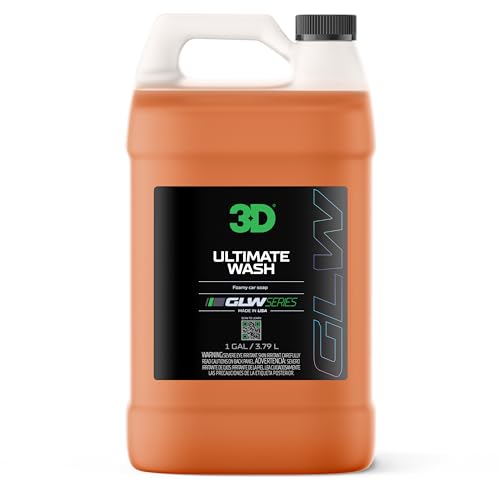
- pH-neutral car shampoo for the wash bucket and a separate rinse bucket
- Microfiber or lambswool wash mitt with high lubricity
- High-absorbency microfiber drying towel
- Garden hose, pressure sprayer, or wash gun with a fan setting
- Optional silicone treatment for door seals
- Compressed air or a small air blower for locks and seams
- Wheel brush reserved only for wheels and lower body work
How should you rinse salt off first?
Start with a strong pre-rinse so grit leaves the surface before any contact wash begins. Focus on the lower panels, wheel wells, rocker panels, seams, and underbody first, because those areas collect the most salt and slush. Pre-rinsing first also lowers the chance of dragging abrasive debris across the paint. (EPA)
What is the right rinse order?
- Rinse the wheel wells, lower doors, rocker panels, seams, and underbody first.
- Let water run long enough to loosen caked salt before touching the paint.
- Switch to the main body only after loose grit is off the surface.
- Use extra rinse time on the underbody and inside wheel arches, where salt hides.
How does a pre-rinse help winter washing?
A good pre-rinse does the hard part of winter cleaning before you add contact pressure. It removes loose grime, keeps your mitt cleaner, and makes the rest of the wash safer for cold paint and trim. If the car is heavily coated, spend more time rinsing than scrubbing. (EPA)
How do you wash safely by hand in winter?
Use a pH-neutral car shampoo in separate wash and rinse buckets, then work with a clean mitt. That protects wax, sealant, and ceramic coatings better than harsh household cleaners, and it helps the mitt glide instead of scrape. Keep the mitt lubricated and rinse it often so grit does not stay in the fibers. (EPA)
The two-bucket method is the simplest way to lower scratch risk during winter washing. One bucket holds shampoo solution, and the other holds rinse water for the mitt. That separation keeps winter grit from cycling back onto the paint. (EPA)
What washing order works best?
- Fill one bucket with shampoo solution and the other with clean rinse water.
- Insert grit guards if you have them.
- Load the mitt with shampoo and wash the upper panels first.
- Rinse the mitt after each section, then reload it with clean soap.
- Finish with the lower panels, wheels, and the rear bumper.
- Top up the soap bucket only as needed; add 1 ounce per gallon, then recheck the feel of the wash solution before adding more.
What should you do if winter dirt is heavy?
Do not scrub dry salt or use old brush surfaces that may hold grit. A soft wash mitt is safer than a rough sponge, but only if it is rinsed often. Work one panel at a time and keep pressure light so the soap, not your hand, does most of the work. (EPA)
When winter dirt is thick, a touchless wash or careful self-serve rinse is usually safer than a brush wash. Heavy grit can scratch cold paint if it is dragged across the surface before it is loosened. (EPA)
Which winter wash option is safest for your car?
The safest choice depends on temperature, salt load, drying time, and how much physical contact the car needs. In winter, the best option is usually the one that removes salt quickly without forcing you to scrub frozen grit or leave water in places that will freeze. (EPA; NOAA/NWS)
| Temperature band | Wash location | Recommended water temperature | Drying deadline and freeze-risk precautions |
|---|---|---|---|
| Above 32°F (0°C) | Home driveway or self-serve bay | Lukewarm | Dry immediately after each section; clear mirrors, locks, and door seams before closing doors |
| 28°F to 32°F (-2°C to 0°C) | Heated self-serve bay preferred | Lukewarm, not hot | Finish drying within minutes; use compressed air or towel drying on seals and locks |
| Below 28°F (-2°C) | Touchless or heated self-serve bay only | Lukewarm rinse if available | Avoid home washing; dry all jambs, mirrors, handles, and lock cylinders before leaving the bay |
How do home wash, touchless, self-serve, and brush wash compare?
Home washing can work when temperatures are above freezing and you have time to dry the car carefully. Touchless washes are the best winter option when salt is heavy and you want to avoid paint contact. Self-serve bays are a good middle ground because they let you pre-rinse and dry by hand. Automatic brush washes are the least forgiving in winter if the car is still gritty, because brushes can move abrasive debris across the paint. (EPA)
When should you avoid each option?
Avoid home washing when the driveway will freeze before you can dry the car. Avoid touchless washes if the car needs heavy agitation to remove thick buildup, because touchless systems rely on chemistry and water pressure rather than scrubbing. Avoid self-serve bays if you cannot finish drying the seals, locks, and mirrors right away. Avoid brush washes when the car is coated with road grit or slush. (EPA; NOAA/NWS)
How does heavy salt or slush change the choice?
Heavy salt or slush pushes you toward the fastest salt-removal method, not the most thorough-looking one. If the car is caked, a strong pre-rinse and a touchless or self-serve wash is usually safer than hand contact or brushes. The more abrasive the residue, the more you want to minimize contact. (EPA)
How do you dry the car before it freezes?
Dry the car immediately with a high-absorbency microfiber towel. Winter drying is time-sensitive because standing water can freeze in seams, and droplets can spot before you finish the last panel. Drying also helps keep doors, mirrors, and locks from freezing shut. (NOAA/NWS)
Focus on the places where water hides: mirror housings, emblems, handles, fuel doors, door jambs, and the top edges of rubber seals. Towels handle most surfaces best, while compressed air helps clear crevices and lock areas. (EPA)
What should you dry first?
- Wipe the roof, hood, and glass to remove the biggest pools.
- Dry mirrors, handles, trim seams, and badges next.
- Open each door and wipe the jambs and latch areas.
- Blow water out of locks, mirror folds, and window channels if you have air.
- Finish with the lower panels and the wheel arch lips.
How do you keep seals and locks from freezing overnight?
Use a second towel for the door edges and lock areas so grime does not move back onto fresh paint. If the temperature is below freezing, inspect the seals before you shut the doors. One missed bead of water can freeze a seal to the frame overnight, especially if the car sits outside. (NOAA/NWS)
Silicone treatment can help door seals resist sticking, but it does not replace drying. The safest workflow is still to clear the water first, then close the doors only after seams, mirrors, and locks are dry. (EPA)
What winter decision rules should you follow?
Use the table as a quick winter wash planner: choose the lowest-risk location that lets you remove salt and dry the car before freeze-up. If conditions are borderline, favor the option that gives you the shortest exposure to standing water and the least chance of dragging grit across cold panels. (EPA; NOAA/NWS)
What mistakes cause winter wash problems?
One common mistake is washing too late in the day. If the temperature will fall fast after sunset, water left in seams can freeze before you can deal with it. Wash earlier, while you still have sunlight and warmer air to help drying. (NOAA/NWS)
Another mistake is using hot water on cold paint. That does not make winter washing safer. Lukewarm water is the better compromise because it helps dissolve salt without creating a harsh temperature jump on cold panels. (NOAA/NWS)
Do not skip wheel wells and the underbody. Those are the highest-salt zones and need the most thorough rinse. Also do not leave door seals, locks, mirrors, and handles wet. Those parts freeze first and are the most likely to cause a nuisance after the wash. (EPA; NOAA/NWS)
How do you prevent repeat freeze problems?
Keep a protective layer on the paint. Wax, sealant, or ceramic coating can help water bead and make winter grime easier to remove, but it does not replace proper washing or drying. It helps the process; it does not do the work for you. (EPA)
What does a winter-safe rinse workflow look like?
For winter salt removal, start with the dirtiest areas, rinse away loose grit, wash gently only after the surface is clear, and dry the freeze-prone parts before they can lock up. If you want a deeper walkthrough of pre-rinsing with pressure equipment, see how to use a pressure washer on car paint safely. Use that approach only when the wash setup and weather still give you time to dry the car properly. (EPA; NOAA/NWS)
Frequently asked questions
How do I wash my car in winter without damaging the paint?
Use a two-bucket hand wash with pH-neutral shampoo, a soft mitt, and lukewarm water, then dry with a microfiber towel immediately. Start with the salt-heavy lower panels and underbody. Avoid dry scrubbing, harsh brushes, and sudden hot-water rinses on cold paint. (EPA; NOAA/NWS)
Is it safe to wash a car when temperatures are below freezing?
It is safer to use a heated self-serve bay or touchless rinse below freezing than to wash at home. If you must wash near freezing, keep the process short and dry the seals, locks, and mirror housings right away. Below 28°F (-2°C), home washing is usually the poorer choice. (NOAA/NWS)
Should I use warm or cold water when washing a car in winter?
Lukewarm water is the safer choice. Cold water can work, but lukewarm water removes salt more easily and reduces the chance that water freezes before you dry it. Avoid hot water on cold paint because it can create an abrupt temperature change. (NOAA/NWS)
Can I wash my car at home in winter or should I use a car wash?
Home washing works best above freezing, with enough time to dry every seam and lock area. Use a touchless or self-serve bay when the car is dirty with heavy salt, when the temperature is near or below freezing, or when your driveway dries too slowly. (EPA; NOAA/NWS)
How do I stop doors, mirrors, and locks from freezing after washing?
Dry those areas first, not last. Open the doors and wipe the jambs, mirror bases, handles, and lock areas with a microfiber towel, then clear hidden water with compressed air if available. A silicone treatment on door seals can help keep rubber from sticking. (EPA; NOAA/NWS)
Should I wash road salt off the car more often in winter?
Yes. Salt should come off quickly after storms or slushy driving, because it reaches seams, rocker panels, wheel arches, and the underbody. A regular winter wash schedule matters more than making each wash perfect, as long as the process stays paint-safe and freeze-safe. (EPA)
Sources
- U.S. Environmental Protection Agency (EPA) guidance on vehicle washing, runoff, and winter salt removal
- National Oceanic and Atmospheric Administration / National Weather Service (NOAA/NWS) guidance on freezing temperatures and ice formation
- Clean Water Act stormwater and runoff compliance framework as referenced by EPA materials

Hi, I’m Melvin, an automobile engineer with extensive experience in automobile equipment. I currently work for a local automobile firm, where I specialize in the car parts industry. I’ve had the opportunity to collaborate with seasoned inspectors, gaining invaluable hands-on experience that goes beyond just theory.
My passion for automotive care started at a young age, which led me to create CarSpareCare. Through CarSpareCare, I share the knowledge and skills I’ve acquired over the years to help others navigate the world of car maintenance and repairs.
My goal is to provide practical tutorials, essential safety advice, and the latest industry insights so that anyone—whether a beginner or an expert—can confidently tackle their automotive projects.

