

When Is Spark Plug Cleaning Not Worth It?
Clean spark plugs only when buildup is light and the plug is intact. Replace rounded electrodes, cracked insulators, oil-fouled tips, or worn iridium and platinum plugs.
Diagnose and fix engine problems with expert guides. From oil consumption to timing belts, get in-depth engine repair advice.
Clean spark plugs only when buildup is light and the plug is intact. Replace rounded electrodes, cracked insulators, oil-fouled tips, or worn iridium and platinum plugs.

Clean spark plug wire corrosion if the terminal is still tight; replace the wire if it’s burned, loose, or the core is damaged.

Spark plug wires arc at night when damaged insulation leaks high voltage through cracks, boots, or carbon tracks, and damp air makes it easier to see.

If a spark plug backs out more than once, stop retightening and inspect the threads, seat, gasket, and torque. This guide covers the likely causes and next fixes.

A spark plug that keeps popping out usually points to stripped threads, bad torque, a damaged plug, or a slipping boot. This guide separates the faults.

Check the sealing surface, threads, washer, and bore for damage before refitting a spark plug. Stop if it will not start by hand or torque smoothly.
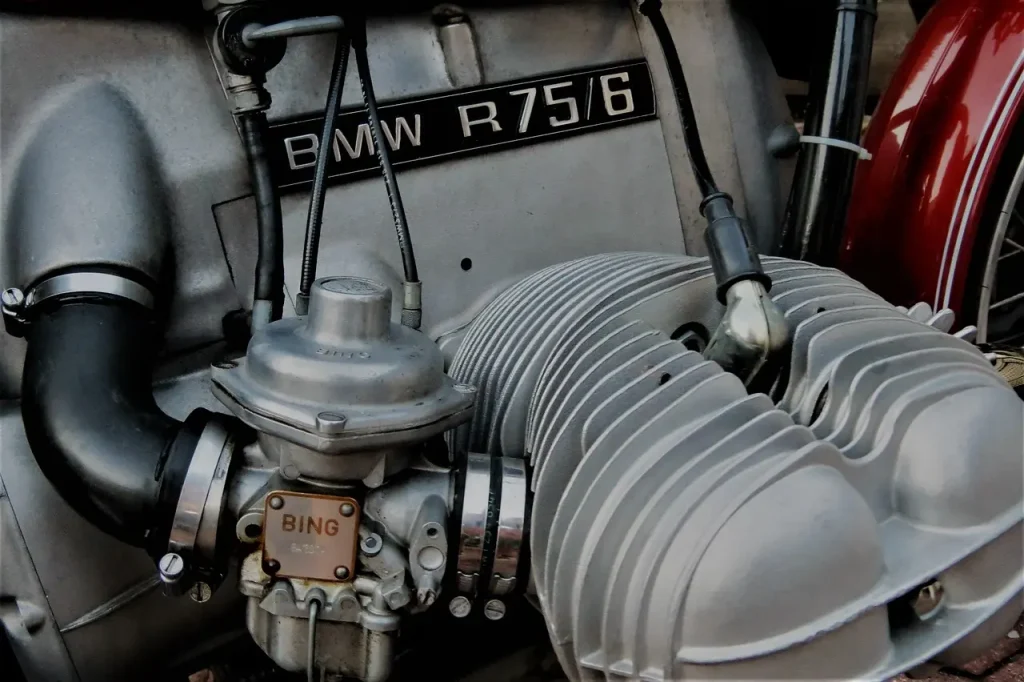
Replace spark plugs only when the engine is stone-cold; wait 2–3 hours after a drive. Avoid stripped threads, torn boots, and broken plugs.

Warm the engine until the valve cover is only warm to the touch, then remove plugs with the right socket, compressed air, and a gentle break-loose motion.

Copper spark plugs are usually the cheapest, platinum sits in the middle, and iridium costs the most upfront. Installed prices and lifetime value vary by engine and labor.

Labor for spark plug replacement usually runs 1–3 hours, or about $100–$450 at common shop rates. Engines with buried plugs or intake removal can cost much more.