Follow a 3-part car interior maintenance guide: vacuum and wipe high-touch surfaces weekly, deep-clean each material monthly, and treat any spill or moisture within about 15 minutes using the product specified for that surface. Skip that schedule and you risk stained fabric, dried leather, hazy screens, odors, mold, and trim damage from the wrong cleaners. This guide covers safe routines for leather, fabric, plastic, screens, glass, carpet, mats, and suede-like trim, plus fast spill and moisture response.
Interior care works best when you match the method to the surface, the soil, and the likely damage. Dust on a dashboard needs a different tool than body oils on a steering wheel, salt in carpet, or moisture trapped under a floor mat. The highest-priority zones are usually the driver’s seat, steering wheel, cup holders, and floor mats.
What interior maintenance covers



Car interior maintenance includes more than cleaning. It means a repeating schedule that removes dust and residue, protects light-sensitive and wear-prone materials, and responds fast to spills or wet carpet before damage sets in. The five intervals are weekly reset, monthly deeper clean, seasonal protection, after-spill response, and after-wet-interior response.
Cleaning, maintenance, and protection are different jobs
Cleaning removes current contamination: dust, food crumbs, body oils, pet hair, mud, smoke film, and salt. Maintenance sets the interval, tool, and product choice for each material so those contaminants do less harm over time. Protection adds products or barriers that reduce fading, abrasion, and staining, such as UV protectant on trim, fabric protector on cloth, mat liners, seat protectors, and leather conditioner where the seat material actually calls for it.
That distinction matters because sunlight dries plastic and leather, while trapped moisture can lead to mold or mildew. A dashboard may only look dusty, but a carpet pad can stay wet long after the visible surface feels dry.
The five service intervals
- Weekly quick reset: Vacuum seats, carpets, and floor mats once a week or every two weeks, then wipe high-touch hard surfaces with a clean microfiber towel and an automotive interior cleaner.
- Monthly deeper clean: Brush seams, clean vents, wipe door panels, clean interior glass, and use the correct seat or fabric cleaner for the material.
- Seasonal deep clean: Before hot sun, winter slush, or humid weather, add protection such as UV protectant, fabric protector, mat liners, and a fresh leather-conditioning check if applicable.
- After-spill response: Blot and remove residue within 15 minutes, then dry the area fully.
- After-wet-interior response: Lift mats, inspect under-mat dampness, dry padding, and check for hidden leaks or trapped water.
Climate and use change the schedule
Snowy climates need more carpet and mat attention because salt crystals grind into fibers and hold moisture. Hot climates need more plastic, vinyl, and leather protection because UV fading and drying move faster. Rideshare use, pets, smokers, and families with kids all raise the cleaning load on seats, cup holders, door panels, and floor areas.
Interior surfaces matrix
How to read the matrix
Use the frequency column as the default, then shorten the interval when a surface takes heavier daily contact or stays damp. The safest tool column shows the first tool to reach for, not every possible tool. If the warning sign appears, routine care is no longer enough, move to the decision path later in this guide.
Maintenance matrix
| Surface | Cleaning frequency | Safest tool | What not to use | First warning sign of damage |
|---|---|---|---|---|
| Cloth seats | Vacuum weekly or every two weeks; spot-clean after spills; fabric clean monthly | Vacuum with crevice tool, soft brush, light-misted fabric cleaner on microfiber | Soaking sprays, hard scrubbing, oily dressings | Dark tide mark or stiff patch after drying |
| Leather seats | Wipe weekly; clean monthly; condition seasonally if the finish allows it | Dry microfiber, pH-safe leather cleaner, leather conditioner | Degreasers, bleach, solvent cleaners, heavy saturation | Dry feel, light cracking, or color transfer that stops wiping clean |
| Dashboard and trim | Dust weekly; clean monthly; protect seasonally | Microfiber towel, soft detailing brush, non-greasy interior cleaner, UV protectant | Shiny silicone dressings, household cleaners, direct overspray into switches | Sticky feel, blotchy sheen, or fading on the top pad |
| Vents | Dust monthly; sooner if smoke or pet hair is present | Soft detailing brush and vacuum suction nearby | Direct liquid spray into louvers | Dust buildup blowing back out when fan starts |
| Floor mats | Shake out or vacuum weekly; wash after mud or salt | Vacuum, brush, water-safe cleaner appropriate to mat material | Reinstalling while damp, greasy tire dressings on foot area | Slippery surface, curled edges, or damp backing |
| Carpet | Vacuum weekly or every two weeks; spot-clean as needed; deep clean seasonally | Vacuum, fabric cleaner, blotting microfiber | Saturating carpet padding, steam held too long in one spot | Persistent damp smell or wet padding under pressure |
| Screens | Dust weekly; clean fingerprints as needed | Dry or barely damp microfiber used only for screens | Harsh solvents, alcohol-heavy wipes unless the manufacturer allows them, direct spray | Rainbow haze, fine scratches, or touch response issues after cleaning |
| Glass | Clean monthly; sooner when haze affects visibility | Low-residue glass cleaner on microfiber towel | Ammonia where prohibited by tint or trim, dirty towels that smear oils | Night glare, film, or repeat fogging from residue |
| Door panels | Wipe weekly in touch zones; clean monthly in full | Microfiber towel, soft brush for seams, interior cleaner matched to finish | Soaking window switches, one-size-fits-all degreasers | Shiny worn armrest or sticky pull handle |
| Alcantara or suede-like surfaces | Light brush weekly; spot-clean immediately; dedicated clean only when needed | Soft upholstery brush, dry microfiber, minimal-moisture suede-safe cleaner | Conditioners, saturation, hard rubbing in circles | Flattened nap, dark water mark, or rough patch |
Which products and tools are safe for each surface?
The safe choice is surface-specific, low-residue, and used in small amounts. Automotive interior products are the default, not harsh household cleaners. Use microfiber towels, soft brushes, and a vacuum with a crevice tool for most jobs, then match the cleaner to leather, fabric, vinyl, plastic, glass, or screens.
Core tools and where each one fits
A vacuum with a crevice tool reaches seat seams, rail edges, pedal corners, and the line where carpet meets trim. A soft detailing brush loosens vent dust, salt granules, and crumbs without marring soft-touch panels. Keep separate microfiber towels for glass, screens, leather, and general trim to avoid moving oily residue onto clear surfaces.
Use one towel for product application and another dry towel for final leveling. That cuts streaking on glossy trim and leaves less residue on steering wheels and armrests.
Cleaners and safety rules by material
- Plastic, vinyl, and door-panel trim: Use an interior cleaner labeled for automotive plastics or vinyl, with a non-greasy finish. ShopForUrAuto notes dashboards and trim commonly face dust, fingerprints, and UV fading.
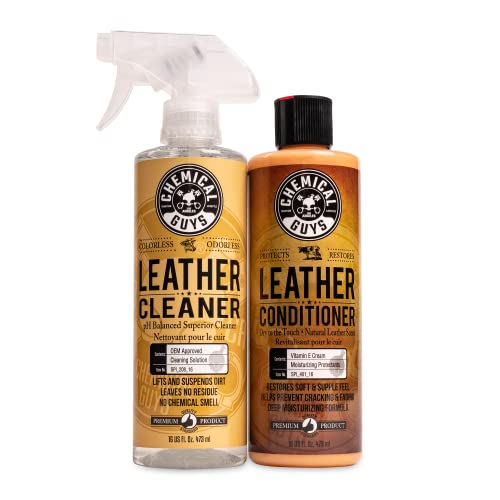
- Leather: Use a pH-safe leather cleaner and, if the finish calls for it, a leather conditioner. Coated leather and vinyl are not the same material even if they look similar.
- Fabric and carpet: Use fabric cleaner in a light mist. Avoid over-wetting because liquid can move into padding and dry slowly.
- Screens and gauge lenses: Use a dry or barely damp microfiber only, unless the vehicle maker states another approved product. Avoid harsh solvents on screens.
- Glass: Use glass cleaner on the towel, not sprayed across the cabin. Clean interior glass when haze, smoke film, or body-oil smears start to cut visibility, especially on the windshield and front side glass.
Always test in an inconspicuous area first. Spray onto the towel for screens, glossy trim, gauge lenses, and most dashboard pieces. Light misting is enough for cloth. Saturation is not.
Protection products that make sense
UV protectant fits the upper dash, hard trim, and some vinyl surfaces when it dries to a natural, non-slippery finish. Fabric protector is useful on cloth seats and carpet after they are fully clean and dry. Leather conditioner belongs only on compatible leather surfaces, not on suede-like trim. Odor absorbers help after the residue source is gone and the cabin is dry; they do not solve trapped moisture or mold. Mat liners and seat protectors are simple wear-control tools in wet or family-heavy use.
How often should you clean your car interior?
The workable baseline is weekly or every-two-weeks vacuuming, monthly deeper cleaning by material, and seasonal protection before weather extremes. Clean sooner when the cabin sees kids, pets, smoke, slush, or heavy commuting. Immediate action is for spills, mud, salt, and any wet-interior event, even when the surface looks only slightly damp.
Weekly quick reset
- Vacuum high-load areas. Vacuum the seats, carpets, and floor mats once a week or every two weeks. Start with the driver’s footwell, seat base, seat seams, and cup-holder area because those zones usually collect the first visible dirt and abrasive grit.
- Wipe touch points. Put interior cleaner on a microfiber towel, not directly on trim, then wipe the steering wheel, shift area, door pulls, cup holders, and dashboard touch zones. One or two light sprays onto the towel are usually enough for a small section.
- Check glass and screens. Remove fingerprints from screens with a dedicated dry microfiber. Clean interior glass when haze or film starts affecting visibility, especially the windshield and front side glass.
Monthly deeper clean
- Brush seams and vents. Use a soft detailing brush while holding vacuum suction nearby. This lifts dust from vent slats, seat stitching, emblem edges, and switch surrounds without pushing debris deeper.
- Clean by material. Use fabric cleaner on cloth, leather cleaner on leather, and interior cleaner on vinyl or plastic trim. Work one surface at a time so residue from one product does not spread to another finish.
- Dry and inspect. Buff off any remaining residue with a second microfiber towel. Look for the first warning signs from the matrix: stickiness, haze, stiff fabric, cracking, fading, or damp backing.
Seasonal deep clean
Before summer, focus on sun-exposed trim, leather, and glass film. Before winter or rainy seasons, focus on mats, carpet edges, door sills, and moisture paths. Consumer Reports frames maintenance advice around keeping a car for several years beyond warranty, and interior care follows the same logic: prevent wear before it becomes repair work. (Consumerreports)
Material-by-material maintenance
Cloth seats, carpet, and floor mats
Fabric traps dust, crumbs, salt, pet hair, and body-oil transfer in different ways. Dust and crumbs vacuum out. Salt crystals and mud need faster removal because they stay abrasive and can wick moisture back into the pile. Fabric cleaner belongs on the towel or as a light mist over the target area, followed by blotting; do not soak the foam or carpet padding.
For mats, remove them before cleaning the carpet below. Reinstall only when both sides are dry. Hidden dampness under mats is a common source of repeat odor.
Leather seats and vinyl seating surfaces
Leather needs gentler chemistry and less moisture than cloth. Vinyl usually needs cleaning and UV protection, but not leather conditioner. If the seating surface feels slick after treatment, too much product is left behind. That residue attracts body oils and can speed visible wear on bolsters and seat bases.
Suppose a tan driver’s bolster starts looking darker than the seat center while the surface still feels smooth. That is usually transferred dye and body oil, not dryness alone. Clean first with a pH-safe leather product, then reassess before adding conditioner.
Dashboard, door panels, trim, vents, and soft-touch plastics
These surfaces mostly collect dust, fingerprints, skin oils, and UV exposure. ShopForUrAuto says dashboards and trim commonly face dust, fingerprints, and UV fading. Use a soft brush for grained textures and seams, then level cleaner residue with a dry microfiber so the finish stays natural, not shiny.
Do not spray into switches, stitching, speaker grilles, or vents. Spray the towel instead. Soft-touch coatings can turn sticky when hit repeatedly with strong cleaners or oily dressings.
Screens, gauge lenses, and interior glass
Screens and clear gauge lenses scratch more easily than many owners expect. A dedicated, clean microfiber matters more here than extra product. For fingerprints, a barely damp towel is safer than direct spray. Interior glass can carry smoke film, off-gassing haze, and body-oil smears, all of which cut visibility and make the cabin look dirty even when the seats look clean.
A common first-timer mistake is using the same towel on the touchscreen after wiping the steering wheel. The towel may look clean, but a thin oil film will streak the screen and can leave a rainbow haze on glossy panels.
What should you do after spills, mud, or a wet interior?
Act by contamination type, not by panic. Drinks and food need blotting and residue removal, mud and salt need controlled extraction without grinding grit deeper, and any wet-interior event needs mat removal, under-mat inspection, and full drying. Moisture left in padding is the highest-risk failure because mold can start out of sight.
After-spill response for drinks, food, and body-oil residue
- Blot, do not rub. Press a dry microfiber or absorbent towel onto the spill within 15 minutes. Rubbing spreads liquid sideways and drives it deeper into fabric seams or perforations.
- Match the cleaner. Use fabric cleaner for cloth, leather cleaner for leather, and interior cleaner for vinyl or hard trim. Apply to the towel or as a light mist, then work from the outside edge toward the center to limit spread.
- Dry the area fully. Use a dry towel and moving air if available, then leave the area exposed. If the spill reached carpet or seat foam, check again later for coolness or dampness under hand pressure.
Mud, salt, and pet mess cleanup
- Let heavy mud loosen. If mud is thick, allow the surface layer to dry enough that it can be lifted by vacuum and brush, rather than smeared. Then vacuum first before using any cleaner.
- Remove salt residue. Salt should not stay in carpet or mat fibers because it holds moisture and stays abrasive. Vacuum, then use a light fabric-cleaner treatment and blot dry.
- Lift pet hair carefully. Use vacuum suction and a soft brush in one direction. Aggressive scraping can fuzz cloth and disturb suede-like nap.
Wet carpet, trapped moisture, and under-mat dampness
- Remove mats immediately. Pull out all mats, then press a dry towel into the carpet below. If the towel picks up moisture, the event is more than surface-level and the carpet base needs drying time.
- Check hidden areas. Inspect seat-rail edges, the firewall-side carpet, door-sill corners, and the underside of rear mats. Water often migrates there even when the center of the carpet looks fine.
- Dry in layers. Blot the top surface, lift what can be lifted safely, and keep air moving until the backing no longer feels cool or damp. Do not reinstall mats or seat protectors while any moisture remains.
- Trace the source. If dampness returns after rain, snow, or washing, routine cleaning is no longer the fix. Look for a leak, blocked drain, door-seal issue, or a spill that ran under trim.
Picture a winter mat that looks dry on top but leaves the carpet underneath cool and slightly dark near the heel pad. That is enough to delay drying and start odor. The correct move is mat removal and under-mat drying, not more fragrance.
How do you stop odors before they set in?
Stop odors at the source by removing residue, then drying the cabin fully, then using an odor absorber only if the smell remains. Food, smoke, pet odor, and dampness behave differently, so one product will not solve every case. Moisture-related odor needs drying and source control first.
Source-first odor control
Food smells usually come from residue in fabric, carpet seams, or cup holders. Smoke odor often leaves a film on glass and hard surfaces. Pet odor may sit in fabric and carpet fibers along with hair and dander. Damp smells often mean retained moisture under mats, in padding, or in hidden carpet edges.
Clean the residue first. Dry the area second. Only then use an odor absorber if a mild remaining smell persists.
When an odor absorber helps and when it does not
An odor absorber helps with light lingering odor after proper cleaning, such as a faint food smell or mild stale-cabin smell. It does not fix mold, a wet carpet pad, cigarette film still on glass, or a spill that dried sticky under a seat track. Fragrance can mask those issues for a day and then fail.
High-risk use cases that need a different routine
Who should shorten the interval?
- Families with kids: Check cup holders, seat creases, and under booster seats every week.
- Pet owners: Vacuum seats and cargo trim more often, and inspect for claw marks on door tops and soft trim.
- Smokers: Clean glass and hard surfaces more often because residue film builds where you notice glare first.
- Rideshare or high-mileage drivers: Wipe touch points and rear door panels weekly because passenger turnover raises oil and grime load.
- Snowy, rainy, or humid climates: Inspect under mats and carpet edges after storms, not only after visible spills.
Protection choices for long-term wear
Seat protectors help with child seats, pet transport, and work clothing. Mat liners reduce the amount of mud and salt reaching carpet. UV protectant on hard trim is most useful before peak sun months. Fabric protector belongs on fully dry cloth, especially light colors. Leather conditioner is a maintenance product, not a cure for cracking that is already advanced.
When routine maintenance is not enough
Decision path for escalation
- Check the symptom. If the issue is dust, crumbs, light smears, or a fresh spill, routine care is usually enough. If the symptom is cracking, color loss, sticky coating, recurring haze, or dampness that returns, continue to the next step.
- Test for hidden cause. Press a clean towel into carpet, look under mats, inspect seams, and compare the area again after drying. Recurring odor, repeat dampness, or stain wick-back usually means contamination remains below the surface.
- Escalate by risk. Persistent stains may need extraction or specialty stain work. Mold risk, recurring moisture, electrical switch contamination, screen damage, or leak tracing belong with a professional detailer or repair shop.
Cases that call for professional help
Get outside help when carpet padding stays wet, when odor returns after full drying, when a screen shows touch problems after cleaning, when leather coating is cracking or flaking, or when a soft-touch panel has turned sticky. Consumer Reports includes a question about keeping a car looking new, and this is where maintenance shifts into corrective work rather than routine care.
For reference, large consumer advice outlets and cleaning guides cover adjacent maintenance topics too: Consumer Reports says it tests, evaluates, and compares tires, batteries, and more; Carvertical published a guide titled How to clean your car interior like a pro; and Carvertical also includes a guide on how to get the smell out of your car. Those broad guides are useful, but the key failure point inside the cabin is still the same: material-specific care plus fast moisture response.
Frequently asked questions
How often should I clean my car interior?
Vacuum seats, carpets, and floor mats once a week or every two weeks, then do a deeper material-specific clean monthly. Clean sooner if the cabin sees pets, kids, smoke, salt, or rain-soaked footwear. Any spill, mud load, or moisture event should trigger immediate cleanup and drying.
What is the best way to keep a car interior clean?
The best way is to keep dirt from turning into residue or hidden moisture. Use separate towels for glass, screens, and general trim, clean the driver area first, remove mats before cleaning carpet, and use barriers such as mat liners or seat protectors where wear repeats. Prevention beats restoration.
How do I stop my car interior from smelling bad?
Remove the source first, then dry the cabin fully, then use an odor absorber if a mild smell remains. Food, smoke film, pet odor, and damp carpet need different treatment. Fragrance alone will not fix trapped moisture, old spill residue, or mold risk under mats or padding.
Which products are safe for dashboard, seats, and screens?
Use automotive interior cleaner for dashboard and trim, fabric cleaner for cloth, pH-safe leather cleaner and compatible conditioner for leather, and a dry or barely damp microfiber for screens. Avoid harsh solvents on screens, greasy dressings on trim, and any product that leaves a slippery or shiny film.
What should I do after spills, mud, or moisture inside the car?
Blot spills within 15 minutes, vacuum loose mud before adding cleaner, and remove floor mats right away after any wet event. Then inspect the carpet underneath, dry the surface and backing fully, and watch for odor or returning dampness. If moisture comes back, look for a leak or trapped contamination.

Hi, I’m Melvin, an automobile engineer with extensive experience in automobile equipment. I currently work for a local automobile firm, where I specialize in the car parts industry. I’ve had the opportunity to collaborate with seasoned inspectors, gaining invaluable hands-on experience that goes beyond just theory.
My passion for automotive care started at a young age, which led me to create CarSpareCare. Through CarSpareCare, I share the knowledge and skills I’ve acquired over the years to help others navigate the world of car maintenance and repairs.
My goal is to provide practical tutorials, essential safety advice, and the latest industry insights so that anyone—whether a beginner or an expert—can confidently tackle their automotive projects.