Clean a filthy car interior on a budget with a few basics: vacuum, microfiber cloths, warm water with a drop of dish soap, and a soft brush; a dedicated glass cleaner can be added if streaks remain. Skip the wrong products or heavy soaking, and you can stain fabric, fog windows, damage trim, or turn a cheap clean into a repair bill.
Budget interior cleaning matrix
This matrix puts the cheapest safe option first, then shows where a low-cost product saves time or cuts risk. Keep the order in mind: dry grit out first, liquids second. That matters because grit embeds in carpet and upholstery fibres, and the longer it sits there, the more wear and discoloration it causes.
| Tier | Item | Safe uses | Do not use on | Tradeoffs |
|---|---|---|---|---|
| $0 | Vacuum cleaner | Carpets, seat joints, backrests, edges, under mats | Wet foam, delicate headliners, loose trim | Removes loose grit first, but does not lift bonded stains |
| $0 | Microfiber or lightly damp cloth | Vinyl, leather, plastic, glass | Dripping wet use, rough scrubbing on soft linings | Cheap and safe, but can smear dirt if the cloth is dirty |
| $0 | Warm water with a drop of dish soap | Light dirt on hard trim and non-porous surfaces | Unfinished leather, soaked seats, headliner | Works for light grime, but leaves residue if overused |
| Under $15 | Small stiff brush | Carpets, upholstery stains, textured mats | Headliner, glossy trim, soft leather | Speeds stain work, but can rough up fabric if pressed hard |
| Under $15 | Carpet shampoo | Cloth seats, carpet, floor mats | Foam-backed upholstery if heavily wet, headliner | Better on ground-in soil, but needs careful drying |
| Under $15 | Vinyl cleaner | Dashboard, trim, vinyl panels | Fabric, headliner, general all-surface use | Safer than harsh solvents on trim, but still needs a test spot |
| Under $30 | Dedicated glass cleaner | Inside glass and mirrors | Seat fabric, leather, headliner | Reduces streaks faster than soapy water, but is not needed for every job |
| Under $30 | Methylated spirit | Sticker residue, tobacco stains on hard surfaces | Painted trim edges, delicate finishes, fabrics that can mark | Useful in tiny amounts, but risky if used broadly |
What should you clean first?
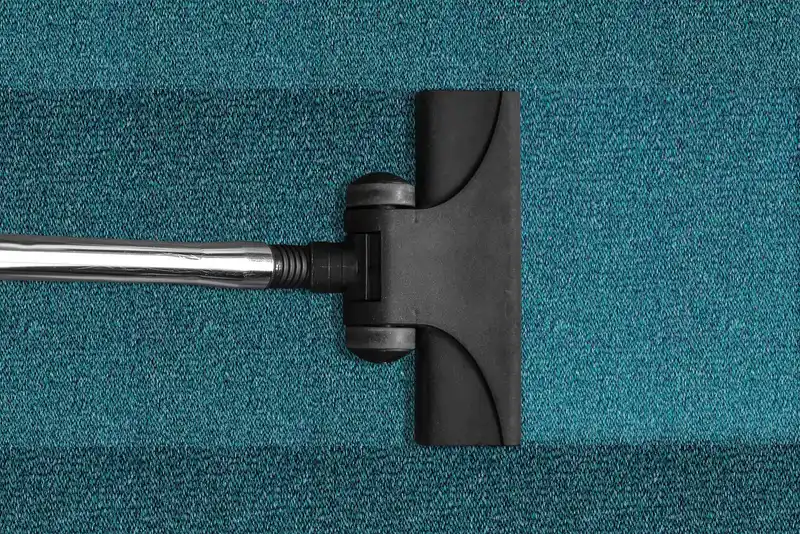
Start by removing dry grit with a vacuum cleaner before any liquid touches the cabin. Use a narrow nozzle for seat joints and backrests, then move to carpets and edges. That keeps dirt from turning into muddy paste and cuts the wear that embedded grit causes in carpet and upholstery fibres.
Do the dry pass first
Go over the footwells, seat rails, under the seats, and the gap where the seatback meets the cushion. Use the narrow nozzle to pull debris from tight seams. If you only have a dustpan and stiff brush, sweep the carpet loose first and collect it before you wipe anything.
Why order matters
Liquids trap loose grit and spread it. That is how streaks, smears, and scratched trim happen. A common first-timer mistake is wiping a dusty dashboard before vacuuming the floor, then dragging grit back onto clean panels with the same cloth.
What do you need to start?
You can clean a filthy interior with a short shopping list and a few household items. The cheapest safe setup is enough for most daily-driver messes, but a couple of low-cost products help when the dirt is set in. Buy for the surface you have, not for the label that promises one product for everything.
What to gather
- Vacuum cleaner with a narrow nozzle
- Several microfiber cloths
- One cloth kept only lightly damp
- Small stiff brush
- Warm water and a drop of dish soap
- Carpet shampoo for cloth seats and carpet
- Vinyl cleaner for dashboard and trim
- Methylated spirit for stickers or tobacco stains, used sparingly
- Dedicated glass cleaner if windows still streak after wiping
How do you clean seats and carpet cheaply?
Use carpet shampoo in a thin layer, then work it with a small stiff brush and water. Do not soak cloth seats, because the interior foam may take days to dry. For foam-backed upholstery, lighter passes are safer than flooding the fabric. Clean in sections so you can dry each area before moving on.
- Vacuum the seat seams, backrests, and carpet pile.
- Apply carpet shampoo thinly to the stained area.
- Work the spot with a small stiff brush in short, controlled strokes.
- Lift foam with a clean microfiber cloth; do not scrub in circles.
- Blot with a dry cloth until the fabric feels only slightly damp.
- Open the doors and let air move through the cabin.
Suppose a cloth seat has a coffee ring about 10 cm wide. Start with vacuuming, then use only enough shampoo to wet the stain, not the whole cushion. If the fabric darkens across a much larger patch, stop and blot more; that wider wet edge usually means too much liquid is being pushed into the foam.
How do you clean car carpet on a budget?
For carpets, a vacuum cleaner and a small stiff brush are the cheapest useful tools. The brush should stay controlled, not aggressive. Carpet shampoo belongs on the pile, not poured through it. That keeps the backing from staying wet too long and avoids soggy mats that smell later.
- Lift floor mats and vacuum the carpet underneath first.
- Brush the pile gently to stand it up before cleaning spots.
- Apply carpet shampoo as a thin layer.
- Work the stain with the stiff brush, then blot with a cloth.
- Repeat once with a little more shampoo if needed.
- Let the carpet dry fully before replacing mats.
For stubborn dirt, a second pass is better than a wetter first pass. Add only a little more shampoo at a time, then recheck after blotting. That keeps you from soaking the carpet backing and shortens drying time.
How do you clean dashboard, trim, and glass?
Use a lightly damp microfiber cloth for vinyl, leather, plastic, and glass. Keep the cloth clean, or you will smear dirt instead of lifting it. For stubborn stains on trim, use a vinyl cleaner rather than a harsh solvent. It is safer for panels and dashboards when used as directed.
Dashboard and trim
Wipe dust first, then move to slightly heavier grime. Fold the cloth often so you are always using a clean face. Leather should get only light wiping unless a leather-safe cleaner is in hand. Do not treat it like vinyl or plastic.
Inside glass and mirrors
Glass and mirrors clean best with a lint-free cloth and a glass-safe cleaner. A damp microfiber cloth works for light film, but streaks may stay behind if the glass has nicotine or road grime. If that happens, switch to a dedicated glass cleaner and use a fresh cloth side for the final wipe.
How should you handle headliners and stubborn stains?
Clean the headliner with very light pressure and as little moisture as possible. Do not press hard on suspended linings, or they may stretch and sag. For sticker residue or tobacco stains on hard surfaces, methylated spirit can help, but only when applied sparingly to a damp cloth and kept away from delicate finishes.
Headliner care
Use a barely damp cloth and gentle dabs. Never soak the roof lining. Too much moisture can loosen adhesive and create a sagging patch that costs far more to fix than the original stain.
Stubborn stains on hard surfaces
For sticker glue or tobacco film, dampen the cloth, not the panel, with a small amount of methylated spirit. Work a hidden corner first. If the finish softens, dulls, or changes color, stop there. That is the point where a cheap fix becomes an expensive mistake.
Common mistakes
The cheapest job goes wrong when the wrong product or too much liquid is used. Most damage comes from over-wetting, over-scrubbing, or treating every surface as if it were the same material. Fixing those mistakes takes more time than cleaning the cabin properly once.
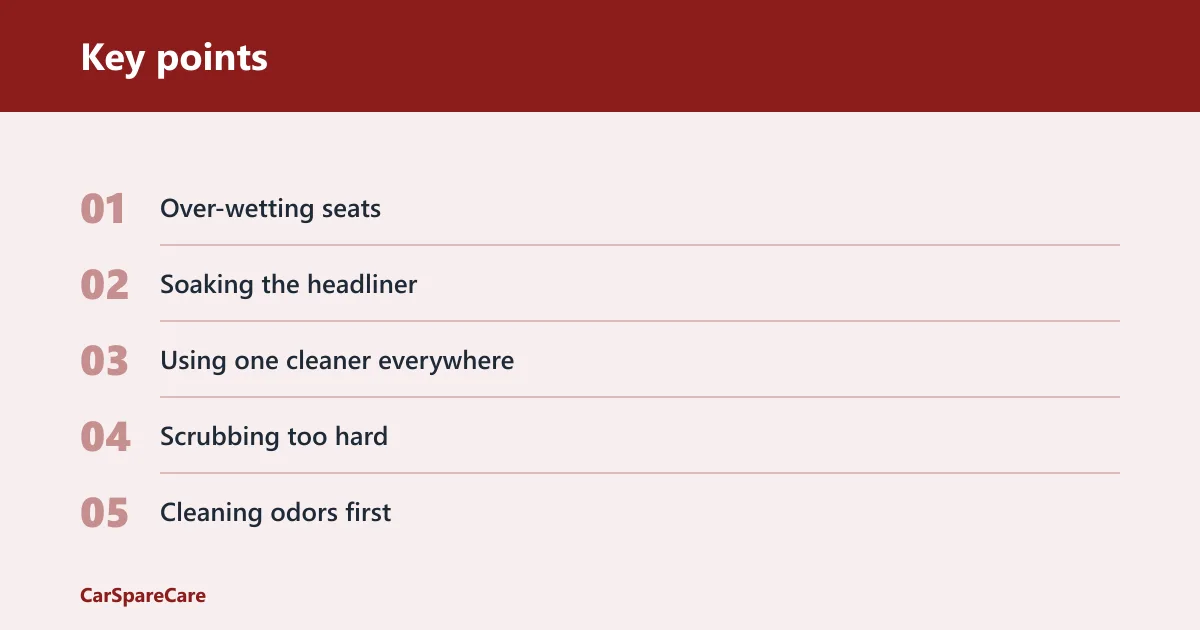
- Over-wetting seats: blot instead of flooding, especially on foam-backed upholstery.
- Soaking the headliner: use only a lightly damp cloth and no pressure.
- Using one cleaner everywhere: match the cleaner to cloth, vinyl, leather, plastic, or glass.
- Scrubbing too hard: use a small stiff brush with control, not force.
- Cleaning odors first: remove visible dirt before any odor treatment.
- Using dirty cloths: switch to clean cloth faces often to avoid smearing grit.
A common first-timer mistake is spraying a dashboard until it looks wet, then wiping it with the same cloth that just touched the floor mat. That usually leaves streaks and can push grime into seams. A cleaner cloth and a lighter touch solve more problems than extra product.
Frequently asked questions
What is the cheapest way to clean car interior?
The cheapest way is a vacuum, a few microfiber cloths, and warm water with a drop of dish soap. That handles dust, light grime, and many hard surfaces. If you need more cleaning power, the first products worth buying are carpet shampoo and a vinyl cleaner, because they solve different problems.
How do you clean car seats without damaging them?
Vacuum the seams first, then use the right cleaner for the seat material. For cloth, use carpet shampoo in a thin layer and blot dry. For vinyl or leather, use a lightly damp microfiber cloth only. Avoid soaking, because too much liquid can damage foam or leave leather looking uneven.
How often should you deep clean a car interior?
At least once a year, give the inside of the car a spring clean. If the car carries kids, pets, food, or muddy shoes, do it more often. A quick vacuum and wipe between deep cleans helps cut wear and discoloration, and it keeps the next full clean faster. (Howacarworks)

Hi, I’m Melvin, an automobile engineer with extensive experience in automobile equipment. I currently work for a local automobile firm, where I specialize in the car parts industry. I’ve had the opportunity to collaborate with seasoned inspectors, gaining invaluable hands-on experience that goes beyond just theory.
My passion for automotive care started at a young age, which led me to create CarSpareCare. Through CarSpareCare, I share the knowledge and skills I’ve acquired over the years to help others navigate the world of car maintenance and repairs.
My goal is to provide practical tutorials, essential safety advice, and the latest industry insights so that anyone—whether a beginner or an expert—can confidently tackle their automotive projects.