
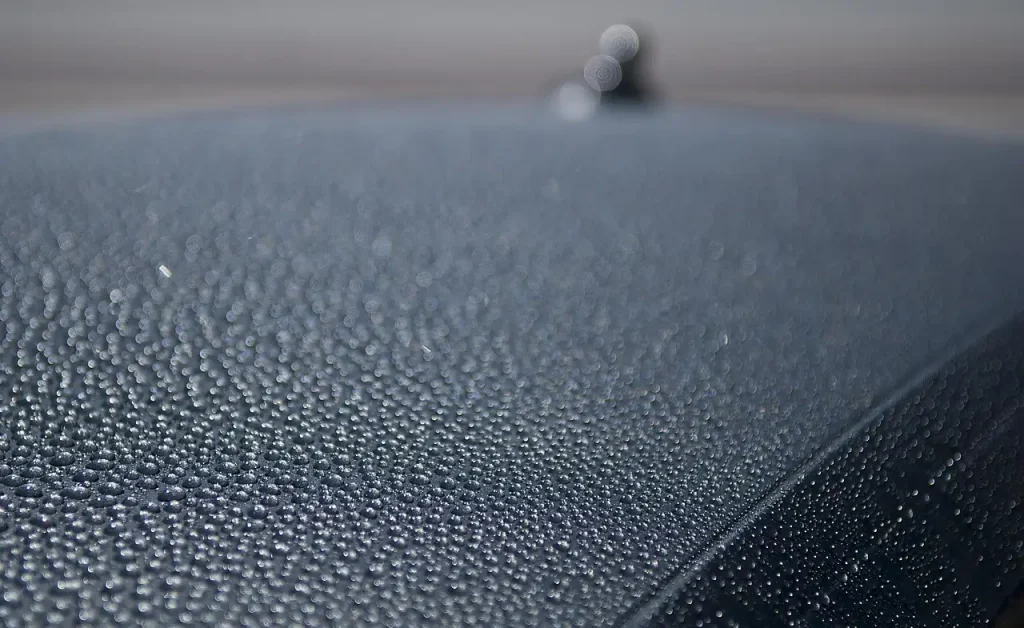
Wash every 1–2 weeks, dry with a clean microfiber towel, and apply wax or sealant every 2–4 months. If the car sits outside, rinse off bird droppings the same day, and do the same for road salt or pollen when they build up. Consumer Reports and Autogeek both emphasize regular washing as the baseline for paint care, while bird droppings can etch paint, water spots come from mineral residue, and winter salt raises corrosion risk. This guide covers a low-effort paint-care schedule, the products that matter, and the habits that keep a daily driver looking new.
Why daily-driver paint loses its shine
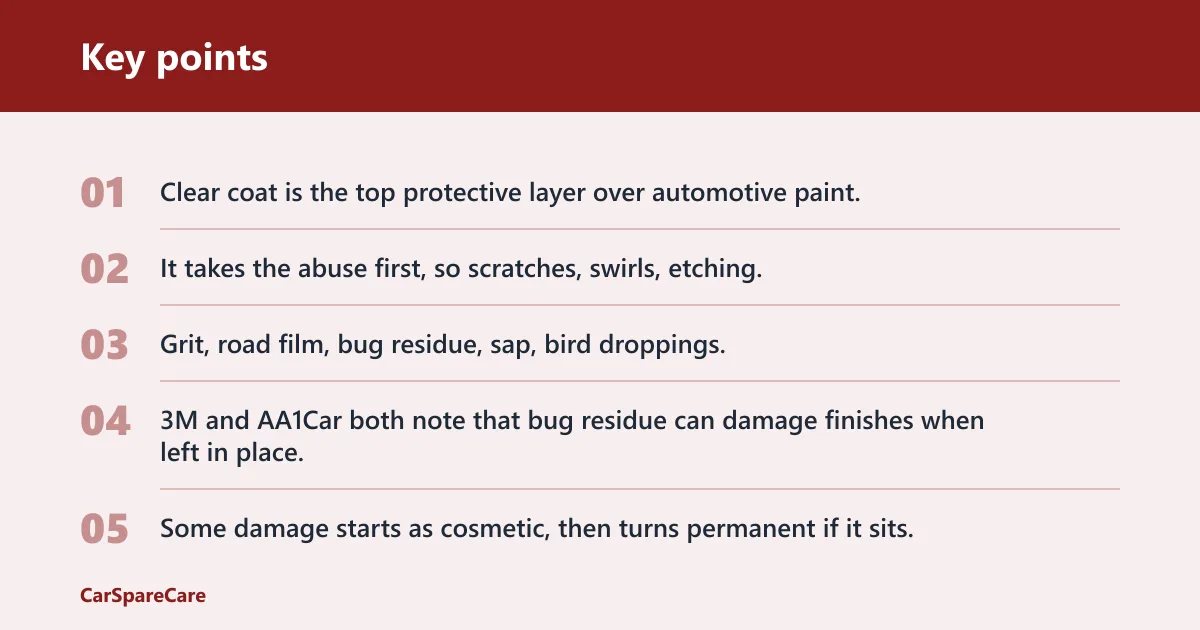
Clear coat is the top protective layer over automotive paint. It takes the abuse first, so scratches, swirls, etching, and UV exposure shorten its life before the color coat below is touched.
Dirt does not need much help to harm it. Grit, road film, bug residue, sap, bird droppings, and salt all sit on the surface and can be dragged across the finish during a bad wash or a dry wipe. 3M and AA1Car both note that bug residue can damage finishes when left in place, especially in heat and sun.
The main hazards
Some damage starts as cosmetic, then turns permanent if it sits. Water spots can etch, bird droppings can stain or etch, and road salt can work into seams, lower panels, wheel wells, and behind mud flaps where corrosion starts.
UV exposure is slower, but it steadily dulls gloss. That is why cars parked outside need more attention than garage-kept cars, even if they are driven the same distance.
Which damage can become permanent?
Light dust on the surface is easy to remove safely. Etching, bonded contamination, and repeated swirl marks are harder because they affect the clear coat itself, not just the dirt sitting on it.
Suppose a sedan is parked under a tree and comes back with fresh bird droppings on the hood. Waiting until the next weekend raises the chance of staining; quick removal with detail spray and microfiber is the safer move the same day. Timely removal matters because both droppings and bug residue can become more aggressive as they dry and bake on.
What should you do first?
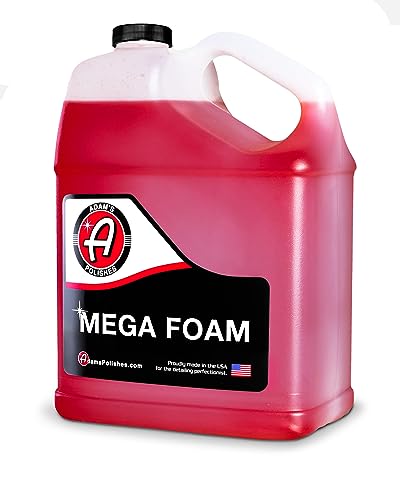
Start with a safe wash, dry the car before spots form, then add a protective layer after the paint is clean. That order matters because protection works best on a clean surface, and wiping over grit is what causes most avoidable marks.
Safe wash method for daily drivers
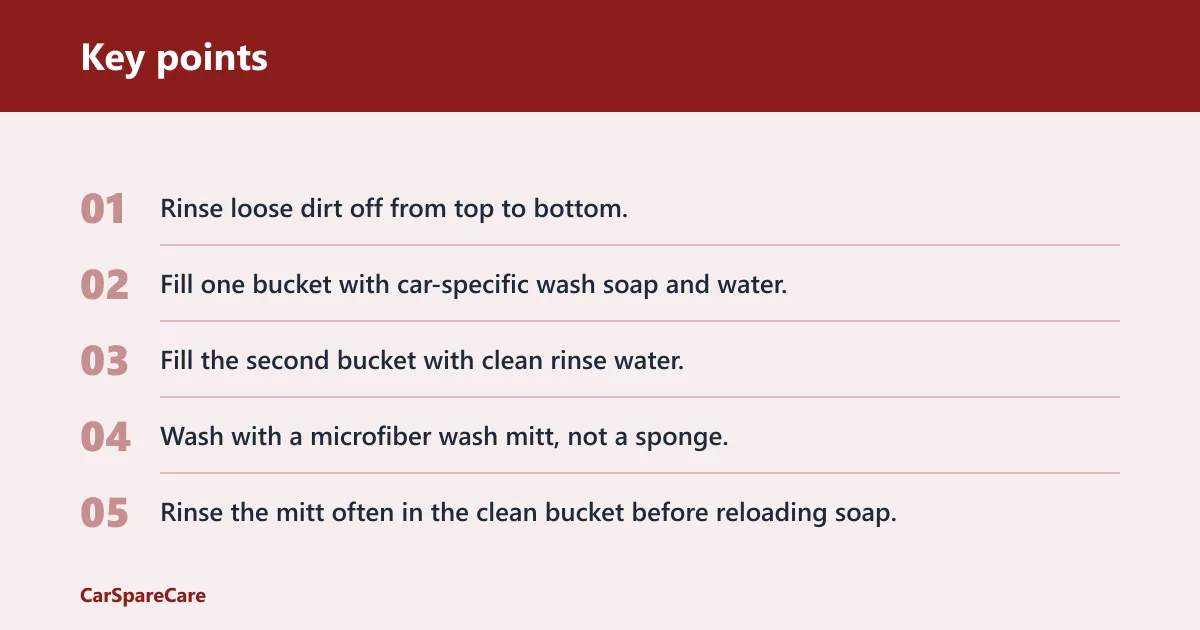
The baseline is the two-bucket method: one bucket for soapy water and one bucket for rinse water. It reduces the chance of putting dirt back onto the paint, which is why it is the common DIY starting point for scratch prevention.
- Rinse loose dirt off from top to bottom.
- Fill one bucket with car-specific wash soap and water.
- Fill the second bucket with clean rinse water.
- Wash with a microfiber wash mitt, not a sponge.
- Rinse the mitt often in the clean bucket before reloading soap.
- Wash upper panels first, then lower panels, and save the wheels for last.
- Rinse thoroughly so soap and loosened grit are gone.
- Dry immediately with a clean microfiber drying towel or a dedicated vehicle dryer.
A microfiber wash mitt traps grit better than a sponge, but only if it stays clean. If it picks up heavy dirt, rinse it often so you are not dragging grit across the clear coat.
Drying matters just as much as washing. A clean microfiber drying towel helps prevent mineral spotting and towel-induced marring, especially on dark paint and in direct sun. Hard-water minerals are the usual cause of those spots, which is why fast drying matters more than letting the car air-dry.
Minimum toolkit for apartment dwellers
If you do not have hose access, keep a small kit in the car or trunk: quick-detail spray, several clean microfiber towels, and a way to get water safely. That can mean a touchless wash bay, a self-serve bay, or a waterless maintenance wash only when the car is lightly dusty.
Dish soap and household cleaners do not belong in that kit. A car-specific wash soap is the safer choice for regular cleaning.
How often should you wash your car to protect the paint?
For most vehicles, washing every two to four weeks is a reasonable schedule. If the car sits outside, gets winter salt, or collects pollen and sap, shorten that gap and clean the paint as soon as contamination builds up. Consumer Reports supports routine washing as the most practical baseline for paint preservation, especially for daily drivers.
Garage-kept cars
Garage-kept daily drivers can usually stay on the lighter side of the schedule if they are not exposed to road salt or tree debris. For garage-kept daily drivers, a wash about every two to four weeks is often enough unless you see spots, film, or fresh contamination.
Street-parked cars
Street-parked cars usually need more frequent attention because they collect dust, fallout, bird droppings, and weather exposure. When the car lives outside and picks up regular grime, a weekly rinse or wash is a sensible routine.
Winter-salt driving
Winter road treatment is a paint threat because salt builds up on lower panels, wheel wells, and behind mud flaps. In that season, wash the car more often, use an underbody rinse, and do not let salty film sit for long. Salt corrosion risk is highest when salt stays wet on metal and trapped in seams.
Picture a commuter sedan that runs 40 miles of highway each day in winter. The upper panels may look fine, but the lower doors and rear arches can still be loaded with salt, so the wash should focus on those areas first.
Paint care schedule table
| Scenario | Exact task sequence | Time/cost estimate |
|---|---|---|
| Garage-kept daily driver | Weekly: quick check for dust, pollen, and spots; biweekly: rinse loose dust if needed, wash with car soap and the two-bucket method, dry with a clean microfiber towel; monthly: inspect for bonded contamination and top up protection if water no longer beads well; every 2–4 months: apply wax or sealant; same-day: spot-clean bird droppings or bug residue. | 45–75 minutes; about $5–$15 in soap and towel wear per wash |
| Street-parked daily driver | Weekly: check for droppings, sap, and water spots; biweekly: rinse or wash every 1–2 weeks, use a microfiber mitt and clean rinse bucket, dry immediately, keep quick-detail spray in the car for spot cleanup; monthly: inspect lower panels and mirror caps for embedded grit and clean them sooner if needed. | 45–90 minutes; about $5–$20 per wash, plus small spot-clean supplies |
| Winter-salt use | After each storm or slush event: rinse the underbody, lower panels, wheel wells, and behind mud flaps; weekly in active winter salt: do a full wash; monthly: inspect seams, rocker panels, and wheel-arch lips for residue; after each wash: dry completely and open doors and fuel flap to inspect edges. | 60–120 minutes; about $8–$25 depending on wash bay or supplies |
| 10-minute emergency cleanup | Stop the car in shade if possible, flood bird droppings or bug residue with detail spray, wait briefly, lift contamination with a clean microfiber towel, use a second towel if needed, then dry the spot area. | 10 minutes; low cost if supplies are already in the car |
Do wax, sealant, or ceramic coating protect paint best?
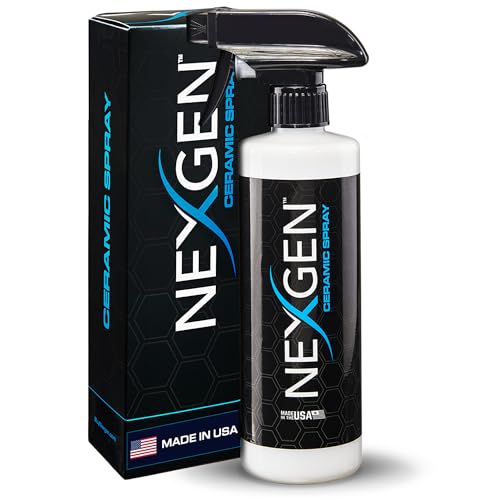
The best option depends on how much upkeep you want, how long you need the protection to last, and how much prep you are willing to do. Wax has the shortest life and the simplest process; sealant lasts longer; ceramic coating lasts longest but depends heavily on surface prep and correct application. Realistic durability is usually about 1–3 months for wax, 4–6 months for many sealants, and 1–5 years for consumer or professionally installed coatings, depending on product quality and care. 3M, wax durability discussions, and coating life guides all point to maintenance and environment as major variables.
Wax
Wax is a sacrificial protective layer for owners who want hands-on maintenance and a simple refresh cycle. It should be reapplied every few months, so it fits drivers who do not mind repeating the job several times a year.
Paint sealant
Paint sealant lasts longer than wax and is a practical choice for older daily drivers that need steady protection from weather and daily exposure. It usually asks for less frequent upkeep than wax while staying easier to live with than coating systems.
Ceramic coating
Ceramic coating gives longer service life and easier cleaning, but it is not a shortcut around preparation. The surface must be clean and corrected enough for the coating to bond well, so it is often a better fit for newer vehicles or professional installation.
None of these options makes paint maintenance disappear. They all reduce how quickly grime sticks and how often you need to refresh protection, but they still need proper washing and drying.
How do you remove bird droppings without damaging clear coat?
Remove bird droppings quickly with detail spray and a clean microfiber towel. Do not scrape the spot dry, because droppings can stain or etch clear coat if they sit or if you grind them into the surface while wiping. The same warning applies to bug splatter, which can also etch if left to bake on.
Safe spot-removal steps
- Spray the spot generously with quick detail spray.
- Let it soften for a moment.
- Lift, do not scrub, with a clean microfiber towel.
- Fold to a clean side before a second pass.
- Inspect the area in good light for residue or etching.
Bug residue, tree sap, and small fuel spills deserve the same same-day treatment. The longer they sit, the more likely they are to leave a mark that washing alone will not remove. DetailXPerts also notes that bug residue can become more difficult to remove once baked on.
How do you stop swirl marks and light scratches from coming back?
Stop using dirty towels, paper towels, and dry wiping on paint. Use a microfiber wash mitt, rinse it often, dry with a clean microfiber towel, and keep your protection layer fresh so dirt releases more easily during the next wash.
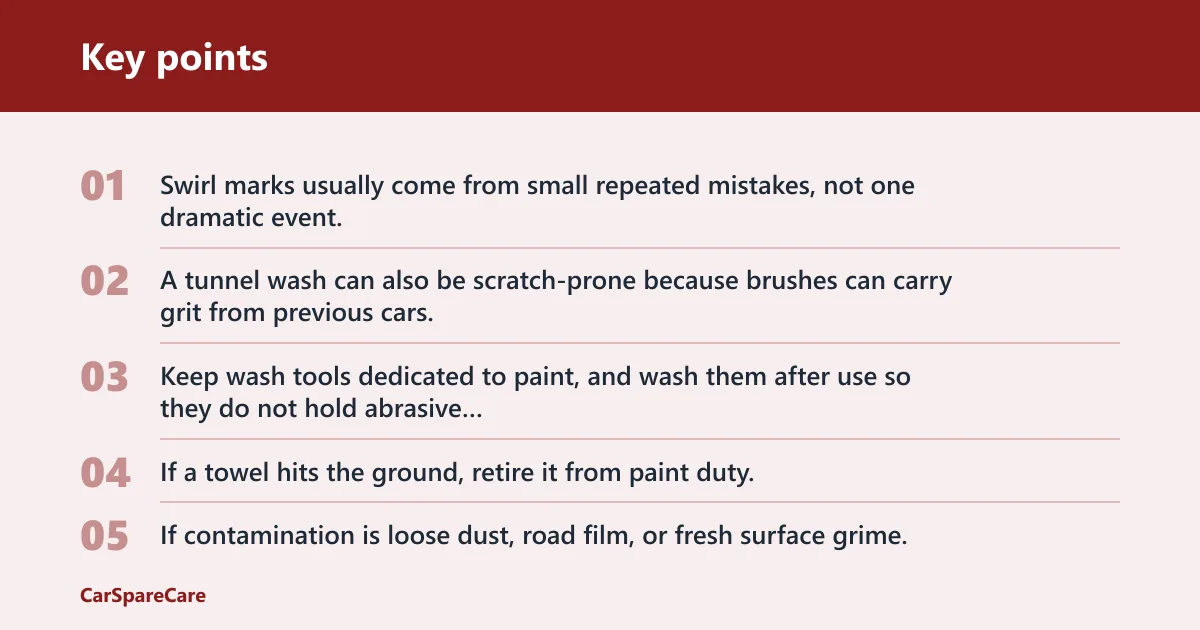
Swirl marks usually come from small repeated mistakes, not one dramatic event. A tunnel wash can also be scratch-prone because brushes can carry grit from previous cars.
Keep wash tools dedicated to paint, and wash them after use so they do not hold abrasive particles. If a towel hits the ground, retire it from paint duty.
When washing is enough, and when it is not
If contamination is loose dust, road film, or fresh surface grime, a normal wash is usually enough. If the paint feels rough after washing, that points to bonded contamination, so chemical decontamination or clay may be appropriate. If swirls, haze, or light oxidation are visible in the sun, light polishing may help. If the car is a daily driver with thin-looking clear coat, heavy correction should be avoided unless a professional is handling it.
Chemical decontamination can remove iron fallout and some bonded residue without scrubbing as aggressively as clay. Clay is useful when the paint feels gritty after washing, but it should be followed by protection because it can leave the surface bare and more vulnerable.
Light polishing is appropriate when the finish has mild haze, faint wash marks, or reduced gloss that washing will not fix. Deep scratches, heavy swirling, and large defect removal are where daily drivers can cross into unnecessary risk, especially if the car still needs to survive commuting, parking-lot use, and weather.
When to avoid DIY correction on a daily driver
Avoid DIY correction when the panel already has thin-looking clear coat, when damage is widespread, when the car is leased and needs only safe upkeep, or when the finish still looks acceptable after a wash and wax. In those cases, preserving paint is often smarter than chasing perfection.
The low-effort answer is simple: wash on a schedule, dry before spots form, protect the clear coat, and attack contamination the same day it appears. That routine works because it keeps dirt from becoming scratches, stains, or etched spots.
For a daily driver, the job is about timing more than products. Safe washing removes grit, quick drying avoids mineral spots, and a wax, sealant, or coating gives you more time before grime bonds hard to the surface.
The practical rule is escalation: wash for loose dirt, use chemical decon or clay when the surface still feels rough after washing, polish only when gloss loss or light defects justify it, and skip aggressive correction when the paint is already serviceable.
Frequently asked questions
How often should I wash my car to protect the paint?
Most drivers can use a two- to four-week wash interval, but outside parking, winter salt, pollen, sap, and bird droppings justify more frequent cleaning. If the car looks film-covered or feels gritty, wash sooner rather than waiting for the calendar.
What is the safest way to dry a car without scratching the paint?
Use a clean microfiber drying towel right after washing, or a dedicated vehicle dryer if you have one. Do not let the car air-dry in sun if you want to avoid spots, and do not use bath towels or paper towels on clear coat.
How can I prevent water spots on car paint?
Rinse thoroughly, dry immediately, and keep the car out of direct sun when possible. Water spots form when minerals are left behind as water evaporates, so quick drying and a clean towel are the simplest defenses.
What should I use to protect new car paint from sun and road salt?
For a new daily driver, start with a careful wash and then choose a wax, sealant, or ceramic coating based on how much upkeep you want. If road salt is part of the season, pair protection with frequent underbody rinses and regular washing.

Hi, I’m Melvin, an automobile engineer with extensive experience in automobile equipment. I currently work for a local automobile firm, where I specialize in the car parts industry. I’ve had the opportunity to collaborate with seasoned inspectors, gaining invaluable hands-on experience that goes beyond just theory.
My passion for automotive care started at a young age, which led me to create CarSpareCare. Through CarSpareCare, I share the knowledge and skills I’ve acquired over the years to help others navigate the world of car maintenance and repairs.
My goal is to provide practical tutorials, essential safety advice, and the latest industry insights so that anyone—whether a beginner or an expert—can confidently tackle their automotive projects.

