
Keep a paper folder and a digital backup. Update both soon after each service visit with the date, mileage, work done, cost, warranty terms, and photos of receipts. Missing records can cost warranty coverage, weaken resale value, and turn a simple dispute into a long slog. This guide lays out a low-friction filing system, what to save, and how to keep it current.
Why car maintenance records matter
Good records show what was done, when it was done, and who did it. Buyers, dealers, warranty administrators, and repair shops all want the same thing: a clear service history with dates, mileage, and receipts that match the car’s story.
How records help at resale
A complete service history can lift a vehicle’s resale value. Buyers usually care more about a clean timeline than a stack of loose receipts. Oil changes, tire rotations, brake checks, and repairs make sense in order. Organized records also make the car easier to explain during a sale.
How records support warranty and claim disputes
Warranty documents, service receipts, and repair estimates matter when a shop, dealer, or insurer questions a claim. If the car had the required maintenance and the paper trail shows it, the owner is in a better position to show that a part failed even though it was cared for properly.
Why a mechanic needs a clear history
At the next visit, a mechanic needs to know what was replaced, what symptoms came before the repair, and what work is still due. A clean maintenance log keeps the shop from guessing, cuts duplicate diagnosis time, and helps tie repeat issues to the right system.
What should be in your maintenance log?
Your maintenance log should capture each visit in a few useful fields, such as date, mileage, VIN, service type, parts, labor, shop name, warranty length, next-due service, receipt photo filename, and notes on unusual symptoms. That is enough for resale, repairs, and later disputes without turning the log into a project.
The exact fields to record after each visit
| Field | What to enter | Example |
|---|---|---|
| Date | Day the work was completed | 2026-09-14 |
| Mileage | Odometer reading at drop-off or pickup | 84,215 |
| VIN | Vehicle identification number | 1HGCM82633A123456 |
| Service type | Oil change, brake check, repair, recall, or other | Brake pad replacement |
| Parts | Main parts installed | Front pads, rotors, hardware |
| Labor | Work performed by the shop | Inspection, replacement, road test |
| Shop name | Business name or dealership | Northside Auto Care |
| Warranty length | Parts or labor warranty terms | 12 months / 12,000 miles |
| Next-due service | When the car should be seen again | Oil change at 87,000 miles |
| Receipt photo filename | File name used for the digital copy | 2026-09-14_84215_NorthsideAutoCare.jpg |
| Notes | Unusual symptoms or warnings before repair | Brake pedal felt soft when cold |
What counts as routine maintenance versus major repair
Routine maintenance includes oil changes, tire rotations, and brake checks. Major repairs can include engine, transmission, cooling-system, suspension, electrical, or crash-related work. Keep both, but track them differently so routine service can be sorted by interval while major repairs stay attached to the car’s long-term history.
Which receipts and notes belong with each entry
Keep the service receipt, any estimate, any parts list, and any warranty note with the log entry. If the shop mentioned a warning light, a noise, or a leak, write that down too. That short symptom note often matters later when the same fault comes back.
How to keep car maintenance records?
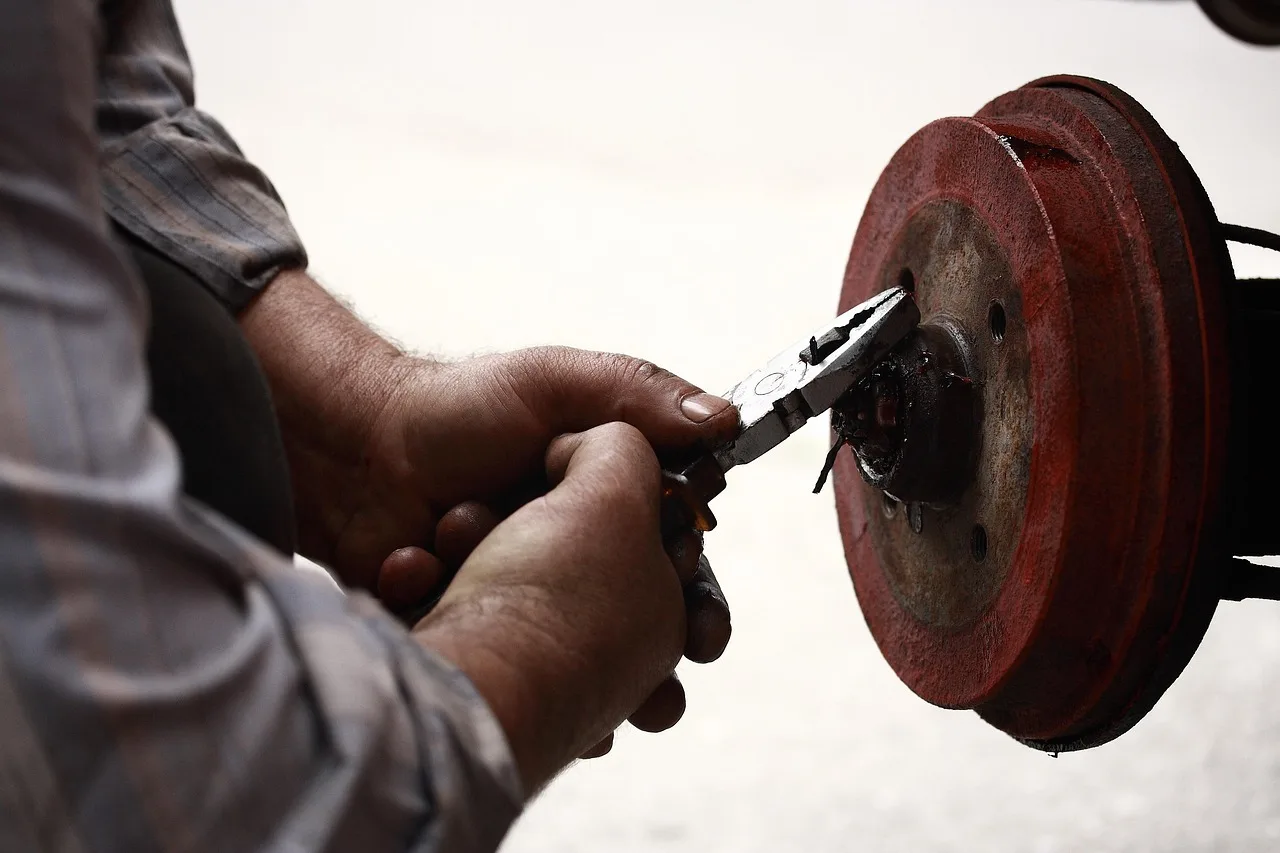
Use a paper binder for original receipts and a digital backup for search and recovery. After each service visit, file the paper copy by date, scan or photograph it the same day, and add one short log entry. That is enough to keep the system usable without spending more than a few minutes.
Set up a paper binder with dated sections
A binder can be divided into sections for different vehicles or categories. Use clear plastic sleeves for smaller documents like receipts, and place dated tabs on the divider pages. Organizing everything by date makes documents easier to find when a buyer, mechanic, or insurer asks for proof.
Add a digital backup the same day
A digital recordkeeping app can store scans online and keep them searchable, which can help when a receipt is lost or the binder is in the garage. eCarLog is one digital option for storing records online. The key is to scan the paper record before it gets stuffed into a glovebox again.
Use one 2-minute entry routine after every service
- Take the receipt, estimate, and any warranty sheet.
- Write the date, mileage, service type, shop name, and VIN.
- Add parts, labor, warranty length, next-due service, and symptom notes.
- Photograph or scan the paper and save the file.
- Place the original in the binder under the correct date.
How long should you keep each type of record?
General maintenance records should be kept for at least three to five years. Major repairs or accidents should be kept indefinitely. Separate the files by document type, because routine service can age out differently from warranty paperwork, recall proof, or accident files that may be needed years later.
Routine maintenance and repair records
Keep routine service logs, oil change receipts, tire rotation records, brake checks, and ordinary repair invoices for at least three to five years. If the car is still in your care and the work affects resale or a recurring issue, keep it longer. A clean timeline helps every time the car changes hands.
Warranty documents and service contracts
Keep warranty documents until the coverage expires, then hold them a bit longer if the repair had a long labor or parts warranty. These papers show the coverage details, expiration dates, and claim conditions. Without them, a warranty conversation can turn into guesswork.
Recall notices, accident records, and insurance files
Keep recall notices with proof of authorized dealership repair completion. Keep accident records indefinitely, including police reports, insurance claims, and repair estimates. Those files can matter years later when a buyer, insurer, or attorney asks what happened and how the car was fixed.
How to organize receipts, scans, and photos
The easiest system is date-first. Put the paper receipt in a dated sleeve, then save a scan or photo with the same date at the front of the filename. Use one folder for the car and one subfolder for each year, so a search returns the right file fast.
Best way to file paper receipts by date
Start with the newest item at the front or back, but stay consistent. If the binder uses monthly tabs, keep receipts behind the matching month tab. If it uses yearly tabs, keep every service entry in date order inside that year. The point is to make the next receipt obvious.
Simple photo and filename rules for digital copies
Use a filename that tells the story without opening the file. A good format is something like: date_mileage_shopname_servicetype. For example, a filename like 2026-09-14_84215_NorthsideAutoCare_brakepads.jpg. That format helps a search tool find the file later and helps a mechanic read it quickly.
How to store shop invoices, estimates, and repair notes
Store the final invoice with the estimate and any supplemental repair notes in the same digital folder. If a shop gives a thin invoice, keep it anyway and add your own notes about what was discussed, what was replaced, and what symptoms appeared before the visit. That makes the file more useful later.
What to do when the shop gives you a thin invoice
If the invoice is generic, ask for the missing details before leaving: parts installed, labor performed, warranty length, and any diagnostic notes. If the shop cannot add them, write them down yourself while the visit is fresh. A thin invoice is still usable when paired with your own log entry and a symptom note.
How to ask for the missing details
Ask for the specific service type, the parts list, and the warranty terms. If the shop performed a recall repair, ask for proof that the repair was completed by an authorized dealership or repair facility. If the invoice still stays vague, keep the paper anyway and annotate it in the binder.
What to write down yourself before you leave
Write the mileage, the warning light or noise, the repair recommendation, and the name of the person who explained the work. If the car went in for a brake issue and the pedal felt soft, say so in the notes. Those details help another shop understand the complaint later.
One-page maintenance record template
Use one page per visit, or one entry per visit if you prefer a digital log. The goal is to capture enough detail that the paper folder, digital backup, and shop invoice all tell the same story. Keep the same fields every time so the log can be scanned or read in seconds.
Template fields
- Date
- Mileage
- VIN
- Service type
- Parts
- Labor
- Shop name
- Warranty length
- Next-due service
- Receipt photo filename
- Notes for unusual symptoms
How to use the template after each service visit
Fill in the page before the receipt gets buried. Then staple or clip the receipt to the back of the sheet, or slip both into the same plastic sleeve. If the digital copy uses the same date and mileage, the paper log and scan stay easy to match.
How to match the template to paper and digital backups
Write the same date and mileage on the paper page, the receipt sleeve, and the file name. Use one folder on the computer or cloud account for each vehicle, then store scans by year. That small habit makes a maintenance log understandable to a mechanic, a buyer, or a claims reviewer.
Frequently asked questions
How to keep car maintenance records?
Keep a paper folder and a digital backup, then add a short log entry after every visit. Record the date, mileage, VIN, service type, parts, labor, shop name, warranty length, next-due service, receipt photo filename, and symptom notes. That routine keeps the file useful without taking much time.
How long should you keep car maintenance records?
General maintenance records should be kept for at least three to five years. Major repairs or accidents should be kept indefinitely. Warranty documents should stay until the coverage ends, and recall completion papers should be kept with the car’s permanent history if possible.
What is the best way to organize car service receipts?
File receipts by date in a binder with plastic sleeves and dated tabs, then keep a scanned copy in a digital folder with the same date-first naming pattern. That gives you a paper original, a searchable backup, and a faster way to find the right document later.
Do digital maintenance records count?
Yes, digital records count as a backup and often as the easiest way to search a car’s history. Still keep the original paper receipt when you get one, because some disputes are easier to handle with both the scan and the physical document in the file.
How do maintenance records help when selling a car?
A complete service history can lift a vehicle’s resale value because buyers can see that oil changes, tire rotations, brake checks, and repairs were done on schedule. It also cuts questions during the sale, since the owner can point to dated proof instead of memory.
Should I keep car maintenance records?
Yes. Keep them for resale, warranty claims, and basic protection if a repair turns into a dispute. The records also help the next mechanic understand what has already been done, which can prevent repeated diagnosis and wasted parts replacement.

Hi, I’m Melvin, an automobile engineer with extensive experience in automobile equipment. I currently work for a local automobile firm, where I specialize in the car parts industry. I’ve had the opportunity to collaborate with seasoned inspectors, gaining invaluable hands-on experience that goes beyond just theory.
My passion for automotive care started at a young age, which led me to create CarSpareCare. Through CarSpareCare, I share the knowledge and skills I’ve acquired over the years to help others navigate the world of car maintenance and repairs.
My goal is to provide practical tutorials, essential safety advice, and the latest industry insights so that anyone—whether a beginner or an expert—can confidently tackle their automotive projects.

