

Can Bad Shocks Cause Braking Instability? Signs and Checks
Yes—bad shocks or struts can cause braking instability, especially with nose dive, tire skip, or pull during braking.
Complete guides on brake pads, rotors, calipers, and brake fluid. Keep your braking system safe and performing at its best.
Yes—bad shocks or struts can cause braking instability, especially with nose dive, tire skip, or pull during braking.
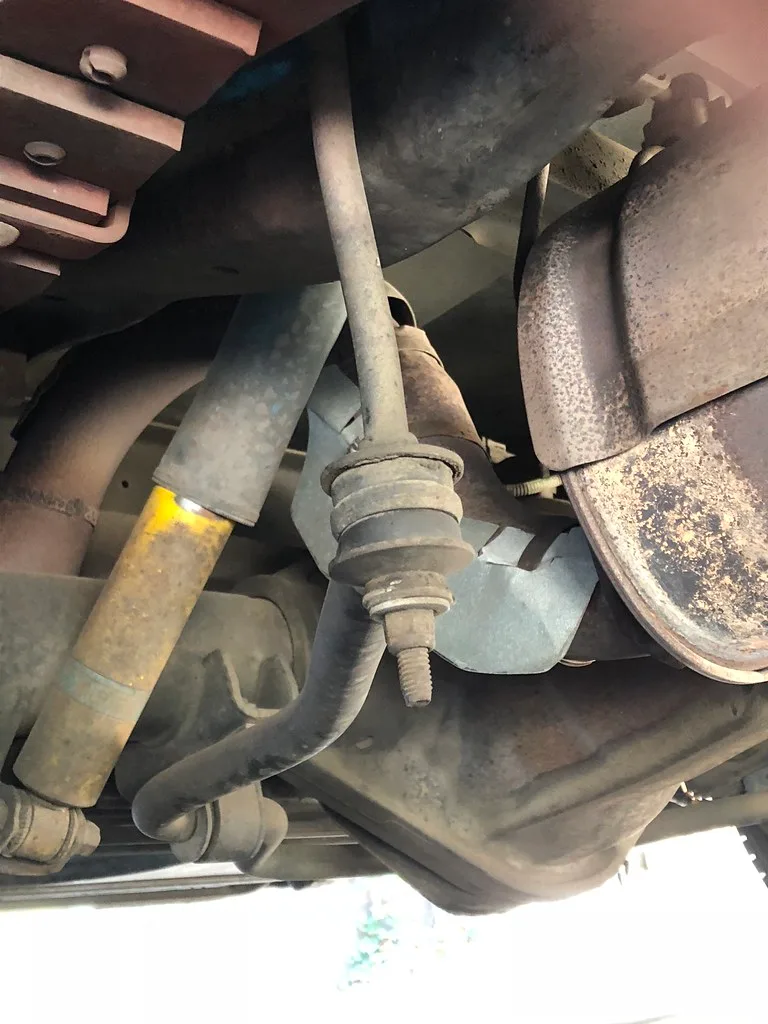
Worn sway bar links can cause clunks and vague turn-in, but loose-on-center steering usually points to tie rods, brakes, or alignment.
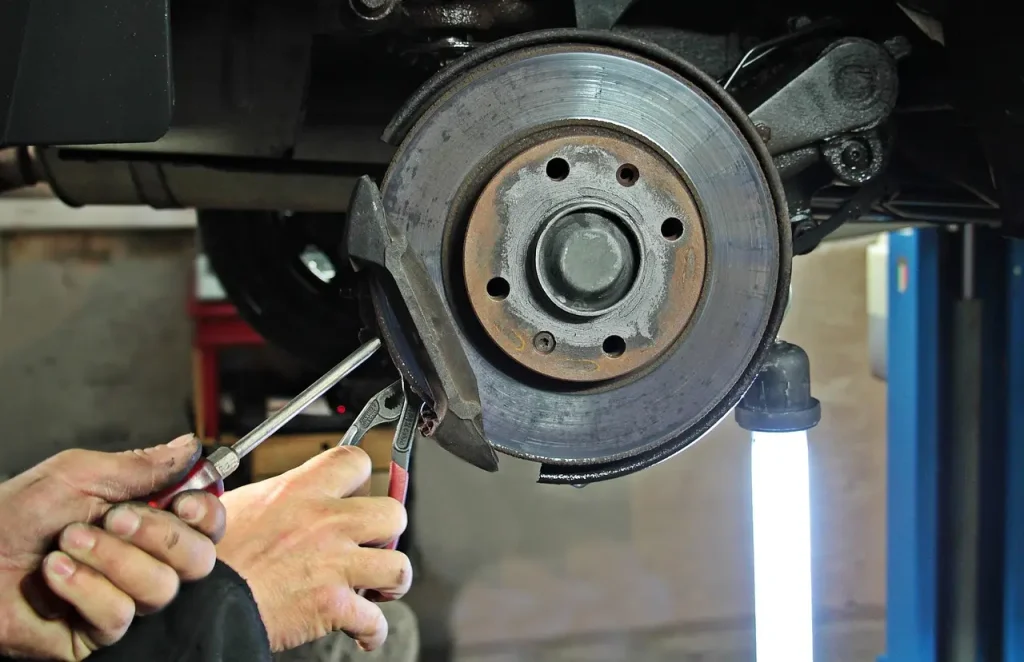
Use a 10-minute test-drive loop to spot steering play, brake noise, pedal fade, pull, and warning lights before you buy.
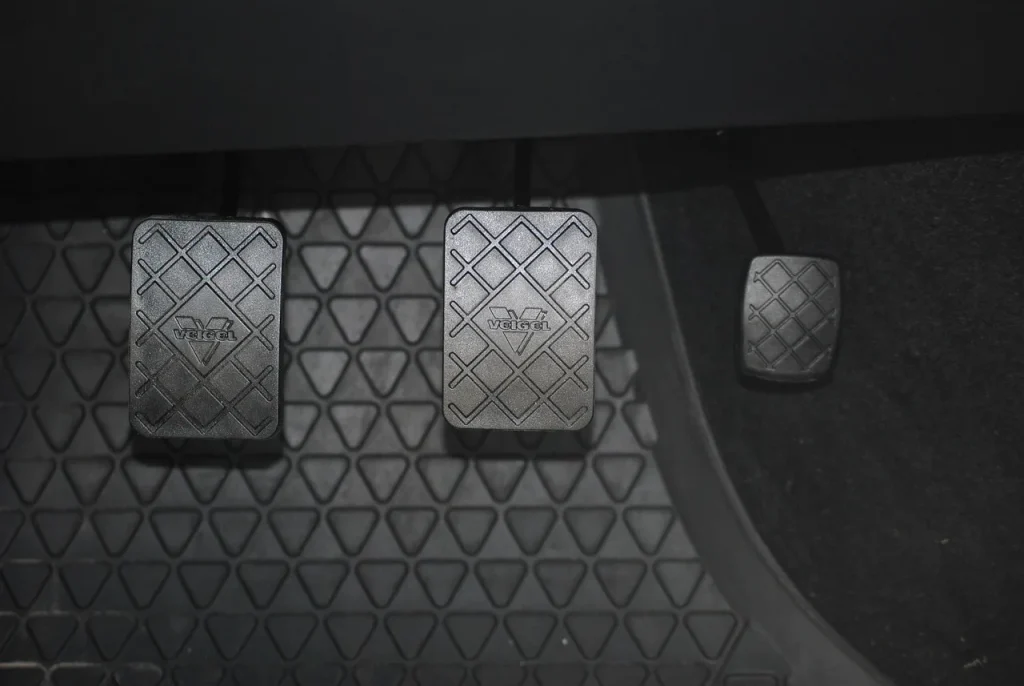
Pedal travel after a flush usually points to trapped air, a dry master cylinder, or an open bleeder. The article lists the next checks and bleed order.

ABS pulsing below 10 mph with light pedal pressure usually points to a false wheel-speed signal from a sensor, tone ring, tire, or bearing.
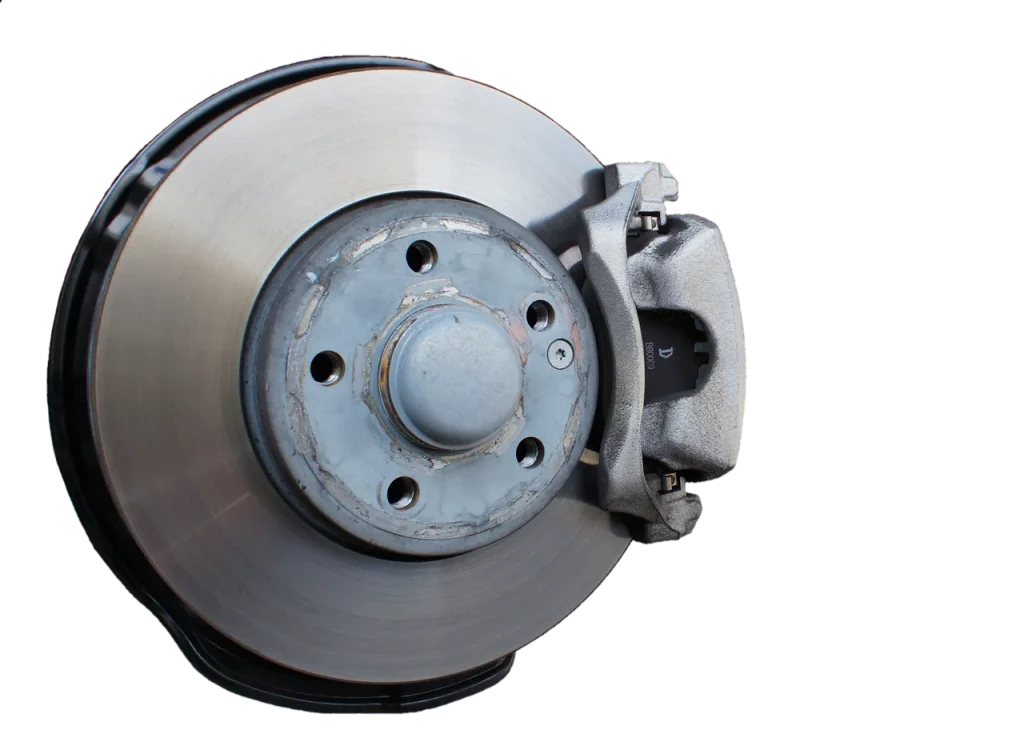
Front noise changes with steering or harder braking; rear noise often changes with parking brake use, light pedal pressure, or trunk load.
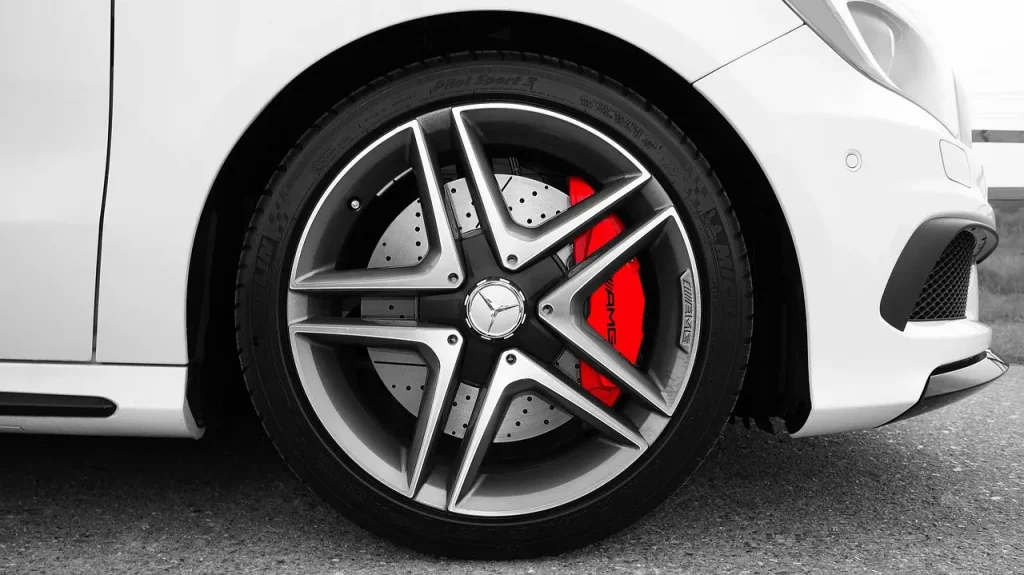
Quick checks for steering play, pad thickness, fluid leaks, and worn parts before a road trip.
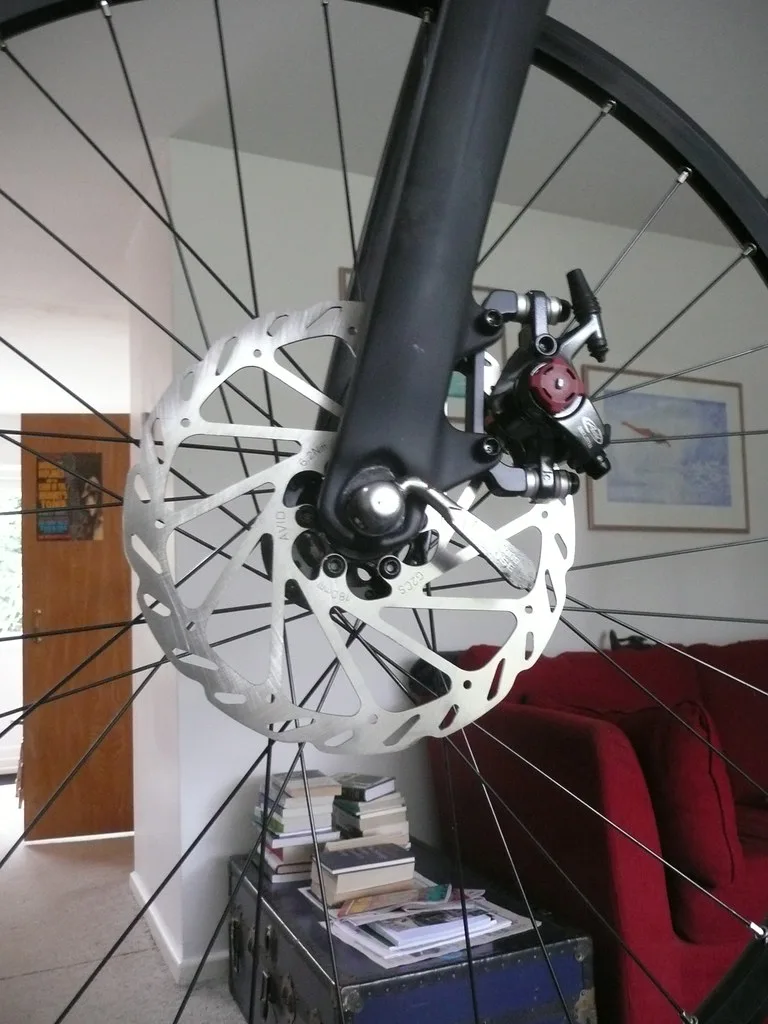
Steering wheel shake during braking usually points to front rotors or pads; if it starts above 50 mph or without braking, suspect balance or suspension.

If you’ve ever hit the brakes in your truck or SUV and felt something off—like a spongy pedal or weak

I’ve been asked some pretty interesting questions about cars over the years, but one that always sparks curiosity is whether