
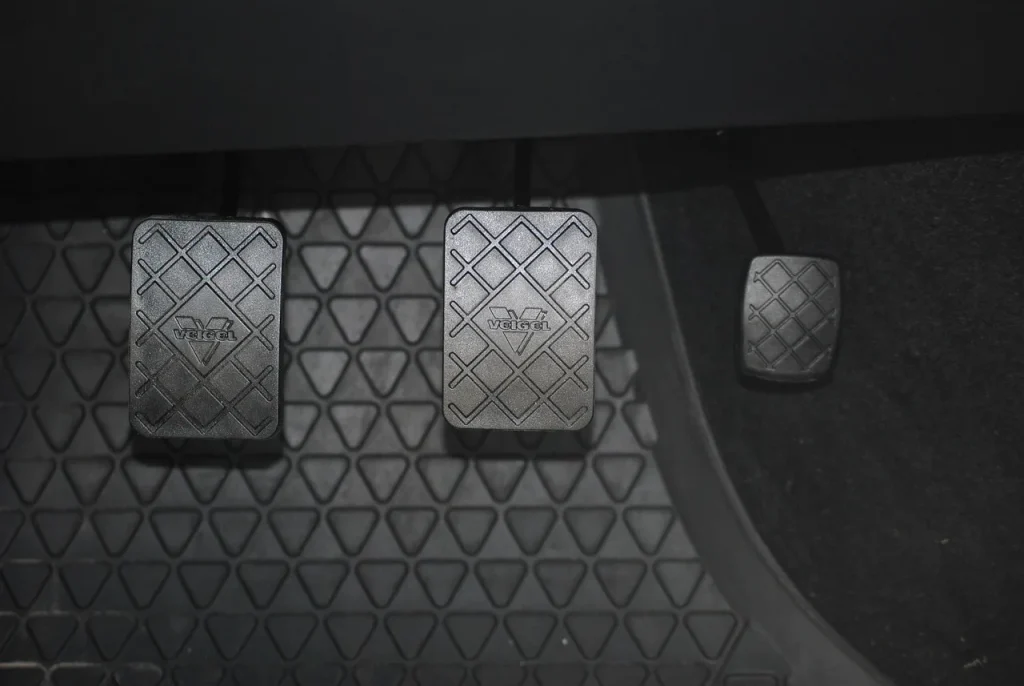
A brake pedal that travels farther after a fluid flush can mean air is still in the system, a caliper or bleeder was left open, or the master cylinder was run dry; in general, a healthy pedal firms after a few pumps. Ignore it and stopping distance can grow fast. This guide separates a normal first-pump change from a real fault and shows which part to inspect next.
Why a brake pedal can change after a fluid flush

What a normal post-service pedal feels like
Brake fluid carries hydraulic pressure from the pedal to the caliper pistons and wheel cylinders. After service, the pedal can feel slightly different for the first few stops because the pads may sit a little farther from the rotors or drums, and the caliper pistons need to take up that clearance.
That change should be small. A good pedal may feel a touch higher or lower for a few presses, then settle. It should not keep sinking farther, become soft, or require repeated pumping to stop the car normally.
When extra travel points to a fault
If the pedal gets longer and stays long, something in the hydraulic path is still wrong. A common flush-related cause is air in the brake lines. Low fluid during the job, an incomplete bleed at one wheel, or air trapped in the ABS unit can all leave the pedal spongy.
Fresh brake fluid ranges from colorless to light brown or amber. Older brake fluid is often a darker brown, and brake fluid can become contaminated over time because it absorbs water from the atmosphere. Fresh fluid by itself does not create a long pedal.
What went wrong during the flush?
When a pedal goes longer after service, the problem is usually tied to how the flush was done, not the flush concept itself. The system may have been opened to air, the reservoir may have dropped too low, or one circuit may not have been bled fully. Wrong fluid or dirty equipment can add another layer of trouble.
Air introduced while the system was opened
Removing the cap can expose brake fluid to air, and any open line or bleeder screw can let air enter the circuit. Air can compress. Brake fluid does not, which is why air in the brake lines can cause a spongy brake pedal and lower the pressure the lines can build.
A wheel circuit that was not fully bled
If one corner was skipped, cracked loose too briefly, or closed before the air was out, the pedal may feel acceptable at first and then go soft on the next drive. That often feels like extra free travel before the brakes begin to bite, especially when the pedal is pressed quickly.
Fluid level dropped too low during service
A low reservoir can pull air into the master cylinder and then into the rest of the system. Once that happens, the pedal often needs pumping to recover. That is not a normal post-flush quirk; it is a sign the system lost its hydraulic fill during the job.
Wrong fluid, contamination, or bad equipment
Wrong brake fluid can damage seals or change how the system behaves, especially if incompatible fluid was added. Contaminated service gear can also introduce moisture or debris. If the fluid came from a bad container or a dirty bleeder setup, the pedal complaint may start right after the flush and keep getting worse.
Can air in the brake lines make the pedal travel farther?
Yes. Air in the brake lines is the most common flush-related reason for a longer pedal because air compresses while brake fluid sends pressure straight to the calipers and wheel cylinders. If air remains anywhere in the circuit, the pedal may feel soft, travel farther, and firm up only after repeated pumps.
Why trapped air makes a soft, longer pedal
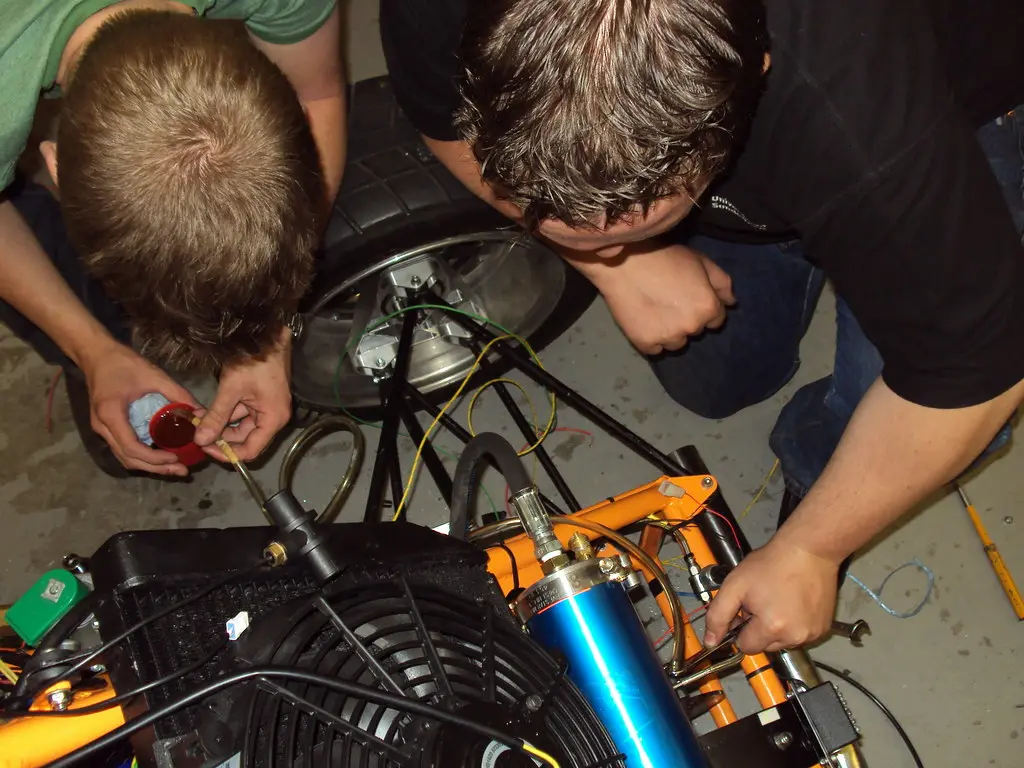
Brake bleeding means pushing the trapped air out of the lines. If that was incomplete, the pedal has to compress the air pocket before the pads or shoes move with full force. The driver feels this as extra stroke, slow response, or a pedal that changes height from one stop to the next.
How to tell air from normal pad knockback
Pad knockback from rotor runout or bearing play usually shows up as a low first pedal after cornering, then a normal pedal on the next press. Air feels different. It tends to stay soft on repeated stops and often improves only after pumping, not after a single application.
When a second bleed is the right move
If the pedal firms after a second bleed, the first bleed likely missed air. That is especially common when a rear circuit, a long hose, or one wheel bleeder was not fully purged. On ABS-equipped cars, a standard bleed may not be enough if air moved into the module.
Could the master cylinder or ABS unit still hold air?
Yes. The master cylinder can trap air if it was allowed to run dry, and the ABS unit can hold air after a poor flush or low-fluid event. Both can mimic a bad bleed. The pedal may sink farther than expected, feel springy, or need repeated pumps to come back.
Master cylinder symptoms that mimic a bad flush
Old contaminated fluid can wear the master-cylinder seals. A failing master cylinder can show a pedal that slowly sinks under steady pressure, not just a soft first press. If pumping the pedal briefly improves it, trapped air is still possible; if it fades again, internal seal bypass is more likely.
ABS module air entrapment and warning signs
The anti-lock brake system can trap air if fluid gets too low or if the unit was not cycled during service. An ABS light may accompany brake issues, but the light is not required for a hydraulic problem to exist. A stubborn long pedal after a flush is a clue.
When ABS-specific bleeding matters
Some vehicles need an ABS-specific procedure because the module holds passages that a normal bleed will not clear. If the pedal stayed long after a conventional bleed and the reservoir was low during service, the next step is often ABS-aware bleeding with the correct scan or activation method.
Could the flush have exposed a worn brake component?
Yes. A flush can bring out wear that was already there. Pads, shoes, rotors, drums, calipers, hoses, and seals all affect how much fluid displacement the system needs. If those parts are worn or sticking, the post-flush pedal may seem worse because the system is finally full of fresh fluid and the hidden fault is easier to feel.
Pads, shoes, rotors, and drums
As pads and shoes wear, more space opens between the friction material and rotors or drums. That means more piston travel and a lower fluid level in the reservoir can be normal over time. If the wear is severe, the pedal can feel longer right after service because there is more clearance to take up.
Caliper piston retraction and seal wear
Brake calipers retract slightly as the pistons and square-cut seals relax. Worn seals can contribute to fluid loss, and corrosion can make a piston sit back farther than it should. That creates extra pedal travel even if the flush itself was done correctly.
How leaks change pedal travel
A brake fluid leak is a separate fault. It can cause a sudden or progressive pedal change, and it often shows up after a flush because the system was disturbed. If fluid is escaping at a bleeder screw, hose, caliper, wheel cylinder, or master cylinder, hydraulic pressure drops and the pedal length increases.
A brake inspection is the first step when brake fluid issues are suspected. That inspection should include the reservoir, all four corners, the master cylinder, and any area that was opened during service.
Is it normal for the brake pedal to feel soft after a flush?
A slight change for the first few stops can be normal, especially if the pad-to-rotor or shoe-to-drum clearance changed a bit during service. A pedal that firms after a few pumps and then holds steady is usually pointing to a temporary post-service feel rather than a major hydraulic fault.
What is normal for the first few stops
Normal means small and short-lived. The pedal may sit a little lower on the first press, then return to expected height. The car should stop predictably, the pedal should not keep dropping, and the feel should not keep changing from one stop to the next.
What is not normal and should not be driven on
A pedal that keeps getting longer, needs repeated pumping, or feels like it sinks under steady pressure is not a typical post-flush condition. That pattern points to air, a leak, trapped air in the ABS unit, or a master-cylinder problem. Those are stop-driving symptoms until verified.
How long a changed feel should last
The changed feel should fade fairly quickly. If it is still soft after a short drive, or if it returns after every stop, the system needs a recheck. Brake fluid issues do not usually fix themselves with use; they usually reveal what was missed during the service.
Post-flush brake pedal diagnosis checklist

Use this checklist to match the pedal feel to the most likely cause and the next verification step. The goal is to separate a harmless short-term change from a fault that needs more bleeding, a leak repair, or parts replacement.
| Symptom | Most likely flush-related cause | Next verification step |
|---|---|---|
| Pedal is slightly different only on the first few presses | Normal pad or shoe clearance taking up after service | Press the pedal 2–4 times and confirm it firms and holds |
| Pedal stays soft and improves only when pumped | Air in the brake lines | Re-bleed the affected circuit and check all bleeder screws for air release |
| Pedal got long right after one corner was serviced | One wheel circuit not fully bled | Bleed that corner again and verify fluid flow is clear and bubble-free |
| Pedal went soft during the flush and never recovered | Reservoir ran low and air entered the master cylinder | Bleed the master cylinder and verify reservoir level stayed above the minimum mark |
| Pedal is long after a good bleed, ABS light is on | Air trapped in the ABS module | Use ABS-specific bleeding steps and cycle the module if the vehicle requires it |
| Pedal slowly sinks while held at a stop | Master cylinder seal wear or internal bypass | Pinch off suspect circuits only for diagnosis or test the master cylinder for pressure loss |
| Pedal is low and fluid level drops again | Brake fluid leak at a disturbed joint, hose, caliper, or wheel cylinder | Inspect all disturbed points for wetness and repair the leak before bleeding again |
| Pedal feels long with uneven wheel response | Caliper piston corrosion or excessive pad/shoe wear | Inspect pads, shoes, rotors, drums, and caliper movement for extra clearance or sticking |
- Press the pedal several times with the engine off and note whether the height improves.
- Check the fluid level and look for leaks at every point opened during the flush.
- Inspect the color and condition of the fluid in the reservoir.
- Re-bleed the likely corner if only one wheel was serviced or if air is suspected.
- Escalate to ABS-specific bleeding if the system uses an ABS module that can trap air.
- Test the master cylinder if the pedal still sinks after a proper bleed and no leak is found.
Frequently asked questions
Why did my brake pedal get longer after a brake fluid flush?
The usual reason is air left in the system, a reservoir that ran too low, or a circuit that was not fully bled. A fresh flush should not make the pedal stay long by itself. If the pedal keeps needing pumps, the hydraulic path still has a fault.
Do I need to re-bleed the brakes after a fluid flush?
If the pedal firms up after a second or third press and then stays normal, a re-bleed may not be needed. If the pedal remains soft, improves only when pumped, or feels worse after a short drive, re-bleeding is the next logical check.
Did the shop use the wrong brake fluid?
Wrong fluid can cause trouble, but the pedal usually does not get long from fluid type alone unless the wrong fluid damaged seals or contaminated the system. Check the container label, the service record, and the reservoir condition. If the fluid looks cloudy or the pedal keeps changing, inspect further.
What are the signs the master cylinder or ABS unit still has air?
A pedal that sinks under steady pressure, needs repeated pumps, or never firms fully after a bleed can point to trapped air in the master cylinder or ABS unit. An ABS light, low reservoir event, or a pedal that improved briefly and then went soft again makes that more likely.
How long should the pedal feel different after a brake bleed?
The change should be brief. A pedal that feels slightly different for the first few stops can be normal, especially after the pads or shoes move back into place. If the feel does not settle quickly, or if travel keeps increasing, the system needs another check.

Hi, I’m Melvin, an automobile engineer with extensive experience in automobile equipment. I currently work for a local automobile firm, where I specialize in the car parts industry. I’ve had the opportunity to collaborate with seasoned inspectors, gaining invaluable hands-on experience that goes beyond just theory.
My passion for automotive care started at a young age, which led me to create CarSpareCare. Through CarSpareCare, I share the knowledge and skills I’ve acquired over the years to help others navigate the world of car maintenance and repairs.
My goal is to provide practical tutorials, essential safety advice, and the latest industry insights so that anyone—whether a beginner or an expert—can confidently tackle their automotive projects.

