
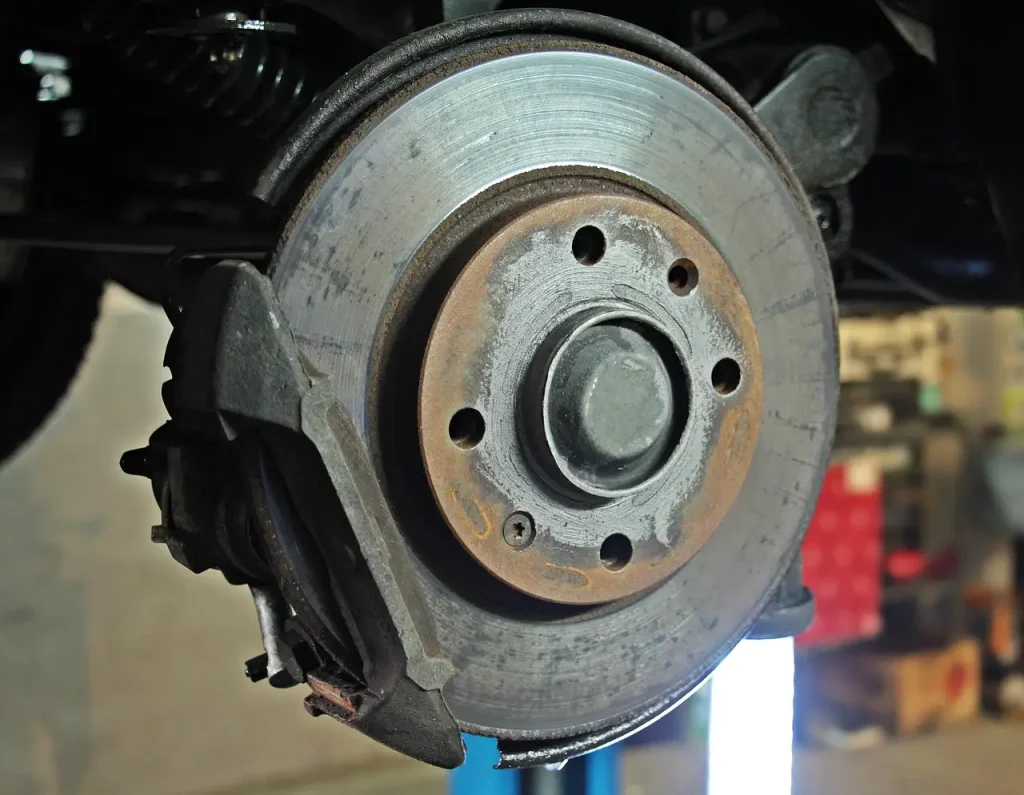
Low brake fluid may be a likely cause if the brake warning light stays on after the parking brake is fully released and the reservoir is below the MIN mark; a flashing ABS light usually points to something else. Ignoring it can reduce braking, lengthen stopping distances, or let a leak worsen. This guide shows how to check the light pattern, reservoir level, and pedal symptoms so you can separate low fluid from other brake problems.
Brake warning light basics
The red brake warning light can mean low fluid, a parking brake that is still applied, or a brake system fault. Some cars also show a text message on the dash, and that message can narrow the cause more than the icon alone.
Do not treat every brake light the same. A red brake warning light and a separate ABS light point to different systems, and a full reservoir does not rule out a brake problem if the sensor or switch is acting up.
What the red brake light can mean
A red brake warning light often connects to the hydraulic side of the brake system, but it can also come from the parking brake switch. On many cars, the same lamp will warn about low fluid, a brake fault, or an engaged parking brake.
Low brake fluid can point to pad wear or a leak. That matters because pad wear is slow, while a leak can drop the level quickly and leave you with a soft pedal.
Why the same light has different causes on different cars
Manufacturers do not all trigger the brake warning lamp in the same way. Some use a float-type fluid level sensor in the reservoir, some lean on a parking brake switch, and some add text warnings that appear before or with the icon.
That is why the warning pattern matters. A red brake light alone is not the same as a red brake light with ABS, and neither one means the fluid is low until you check the reservoir and the pedal feel.
When the dashboard message matters as much as the icon
If the cluster shows a message such as low brake fluid or brake system fault, take that text seriously. It often tells you whether the issue is hydraulic, a switch, or an electronic fault that needs more than a quick top-off.
How do you check the reservoir?
Check the brake fluid reservoir on level ground with the engine off and the parking brake released. The translucent plastic reservoir on many cars sits near the master cylinder, and the fluid should sit between the MIN and MAX marks.
Read the level before you open the cap. If the level is below MIN, that points toward low fluid, worn pads, or a leak. If it is at MAX or near it, the warning may come from the sensor, switch, or ABS system instead.
Find the reservoir near the master cylinder
Look at the brake booster and master cylinder area at the rear of the engine bay. The reservoir is often a small, light-colored plastic tank mounted on top of the master cylinder, and many cars use a clear body so the level can be read without opening it.
Check the level on level ground against MIN and MAX marks
Park on a flat surface before judging the level. Tilt can hide a low reservoir or make a normal one look low, so level ground gives the most reliable reading.
Compare the fluid line with the molded MIN and MAX marks on the reservoir wall. A level just under MAX is normal on many cars; a level at or below MIN needs a closer look at pad wear and possible leaks.
Read the fluid level before you open the cap
Do not open a hot reservoir cap right away. Brake fluid can splash, and dirt or moisture can enter the system if the cap and neck are handled carelessly.
Picture a sedan with the red brake light on after a highway drive. If the reservoir is below MIN and the pedal also feels longer than usual, that combination points more toward a real hydraulic issue than a simple switch fault.
How do I tell if the brake light is on because of low fluid or the parking brake?
Start with the parking brake, because it is one of the most common non-fluid causes of a red brake light. If the lever or pedal is fully released and the light stays on, look at the reservoir and pedal feel next.
A parking brake issue often brings a warning light without changing pedal feel much. Low fluid usually comes with a lower reservoir, and if the level keeps falling, there may be wear at the pads or an active leak.
Check the manual parking brake first
Make sure the lever or foot pedal is fully released. A misadjusted switch can keep the red light on even when the brake is disengaged, so the lamp alone does not prove low fluid.
Electronic parking brake faults and switch issues
Cars with an electronic parking brake can show the same red warning lamp for a switch or module problem. If the system does not release normally, or if the warning appears after an EPB action, the fault may be in the parking brake system rather than the fluid level.
When a stuck switch can mimic low fluid
A parking brake switch can stick or get misadjusted and leave the lamp on. If the reservoir is full and the pedal feels normal, a bad switch may be more likely than low brake fluid, though the car still needs a proper inspection.
What does it mean if the brake light and ABS light are both on?
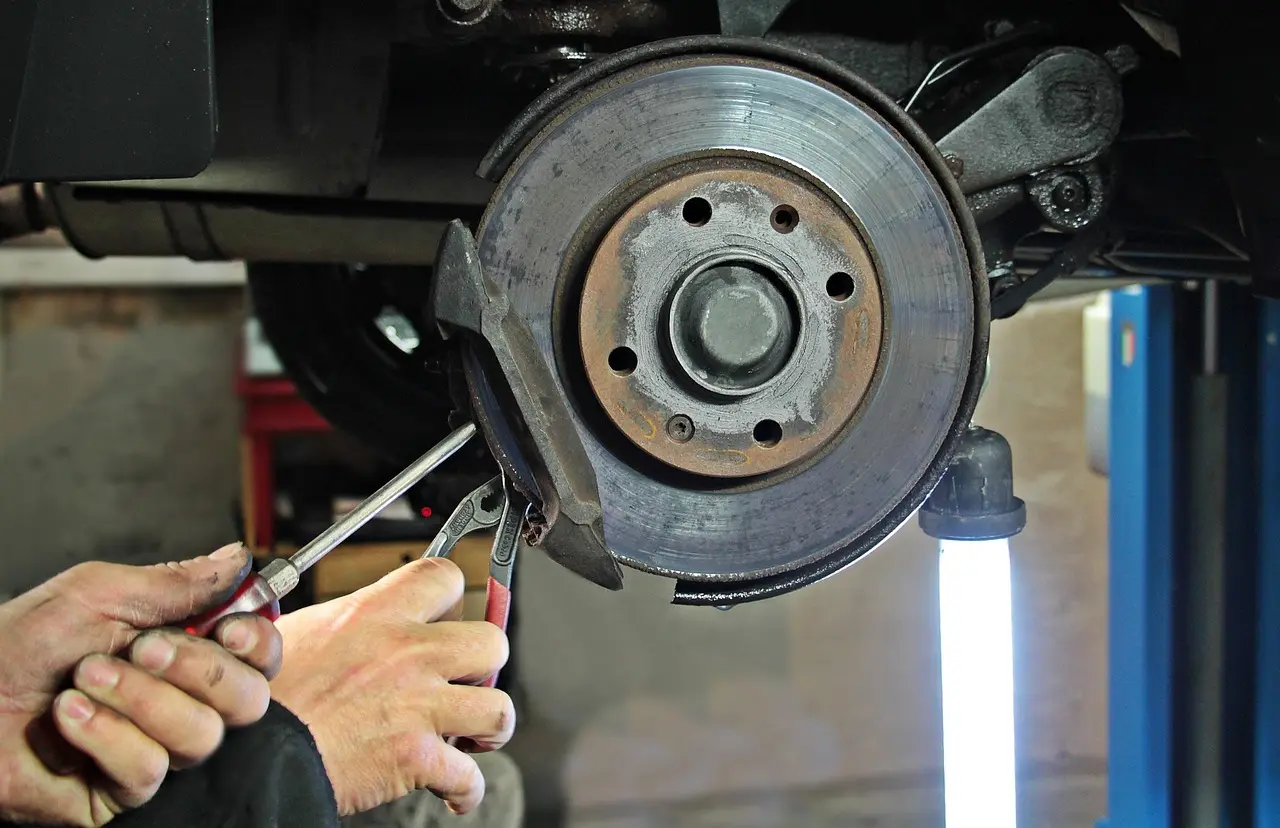
When the brake warning light and ABS light come on together, the car may have two different faults at the same time. The red brake lamp can still mean low fluid or a parking brake issue, while the ABS light usually points to wheel-speed sensor, module, or ABS hydraulic faults.
Do not assume the ABS light means low fluid. ABS and base braking are related, but the warning paths are separate on many vehicles, so the combination deserves a wider check than a quick reservoir top-off.
Why ABS faults are often separate from low fluid
ABS monitors wheel speed and anti-lock control, not just fluid level. A bad wheel-speed sensor can light the ABS lamp while the brake warning light stays off, and a low reservoir can trigger the red light without causing an ABS code.
What to do when both lights stay
If both lights remain on, check the reservoir, then inspect for visible leaks and pedal symptoms. A soft or sinking pedal makes the hydraulic side more urgent, while a normal pedal with a full reservoir points more toward an ABS or sensor fault.
Brake fluid decision table
This table helps separate the common warning-light patterns before you add fluid or assume the system is fine. Use the reservoir reading, the warning pattern, and the pedal feel together.
| Warning-light pattern | Reservoir level | Likely cause | Next action |
|---|---|---|---|
| Brake light only | Below MIN | Low fluid from pad wear or a leak | Check for wet calipers, lines, master cylinder, or fluid on the ground; inspect pad thickness; top off only with the correct fluid after checking for leaks |
| Brake + ABS light | Below MIN or normal | Brake fault plus a separate ABS or sensor fault | Check the reservoir and pedal first, then have the ABS system scanned and inspected |
| Brake light only | At or near MAX | Parking brake switch, float sensor, or switch fault | Verify the parking brake is fully released; if the light stays on, inspect the switch or level sensor |
| Brake light with soft pedal or visible fluid loss | Low or dropping again | Active hydraulic leak | Do not drive far; inspect for leaks at calipers, lines, hoses, and the master cylinder; get the car checked quickly |
What visible signs point to a real hydraulic problem
A soft pedal, a pedal that sinks when held, or fluid on the inside of a wheel usually points to a real hydraulic fault. Wet fittings around calipers, brake lines, hoses, or the master cylinder deserve attention right away.
Suppose a compact car shows a red brake lamp and the brake pedal feels spongy after sitting overnight. If there is dampness behind one front wheel, that is more consistent with a leak than with a simple parking brake warning.
Could it be the parking brake?
Yes. The parking brake is one of the first things to check when the red brake light comes on, especially if the reservoir is full and the pedal feels normal. A stuck switch or an electronic parking brake fault can leave the lamp on even without low fluid.
If the parking brake is fully released and the light stays on, move on to the reservoir and symptom checks instead of topping off blindly.
Check the manual parking brake first: make sure the lever
Make sure the lever or pedal is completely down and that the indicator goes out after release. If it does not, the switch at the parking brake mechanism may be misadjusted or stuck.
Electronic parking brake faults and switch issues: electronic parking brake systems
Electronic parking brake systems can set warning lights when a module, motor, or switch has a fault. Those warnings can look similar to a low-fluid alert, so a full reservoir does not clear the issue by itself.
Why the light stays on after topping up
If the brake warning light stays on after you add fluid, the cause may be a failed level sensor, a leak that lowered the level again, or worn pads that still need inspection. A top-off fixes only the level, not the reason it dropped.
Use the cap or owner’s manual to confirm the brake fluid specification before adding anything. Most cars call for DOT 3, DOT 4, or a manufacturer-specified fluid, and incompatible fluids should not be mixed.
Stuck or failed fluid level sensor
Many reservoirs use a float-type sensor. If the float sticks or the sensor fails, the warning can stay on even when the fluid is between MIN and MAX.
A full reservoir with a persistent warning is one of the clearest signs that the sensor or its circuit needs attention.
Leak that lowers the level again
If the reservoir looks normal after topping up but drops again later, a leak is likely. Check the master cylinder, brake hoses, hard lines, calipers, and wheel area for dampness or fresh fluid.
Worn pads that need inspection
Brake pad wear lowers the fluid level because more fluid sits in the caliper as the pistons move outward. Thin pads may show up before the low-fluid warning, so a low reservoir is a reason to inspect the friction material, not just refill the tank.
A common first-timer mistake is topping off the reservoir on a car with very thin pads, then assuming the light was only a bad sensor. If the pads are near the wear limit, the fluid level can drop again as soon as the brakes are used normally.
Is it safe to drive with a brake fluid warning light on?
It is not a good idea to drive far with the warning light on if the pedal feels soft, the level is below MIN, or fluid is visibly low. Those signs can mean less braking force or a leak that may worsen quickly.
If the light is on but the reservoir is full, the pedal feels normal, and the parking brake is fully released, short movement to a repair site may be possible. Even then, the brake system still needs prompt inspection.
What not to do
Do not ignore repeated pedal drop, sinking pedal travel, or visible fluid loss. Do not keep driving just because the car still stops; a brake system can feel acceptable right up until the fault gets worse.
What to do before you add fluid
Check the reservoir, inspect the brake areas you can see, and confirm the fluid type first. Adding the wrong fluid can damage seals or create new problems, so use the specification listed on the cap or in the owner’s manual.
How low does brake fluid have to be before the warning light comes on?
There is no single universal level. Many cars trigger the warning when the fluid drops near the MIN mark or when the float sensor changes position, but the exact trigger point depends on the reservoir design and sensor calibration.
That is why the MIN/MAX marks matter more than guessing a percentage. If the level is close to MIN, treat it as a real clue and inspect the pads and hydraulic parts before driving much farther.
How do I check brake fluid level without tools?
You can check brake fluid without tools by looking at the translucent reservoir on level ground, with the parking brake released and the engine off. Read the line against the MIN and MAX marks, and inspect nearby parts for wetness.
If the reservoir is hard to see, use a flashlight and look straight at the side of the tank. Do not open the cap unless you have confirmed the fluid type and the engine bay is cool enough to handle safely.
Can worn brake pads cause a low brake fluid warning?
Yes. Worn pads can lower the reservoir because the caliper pistons move outward as the friction material gets thinner. That can bring the fluid level down toward MIN even when there is no leak.
This is why a low fluid warning should lead to a pad inspection, not just a refill. If the pads are thin, the level may return to normal after replacement without any added fluid.
Can a bad brake fluid sensor cause a warning light?
Yes. A float-type brake fluid level sensor can stick or fail and trigger a warning even when the reservoir is full. A bad parking brake switch can also keep the red brake light on with a normal fluid level.
If the reservoir is between MIN and MAX, the pedal feels normal, and the light remains on, sensor or switch trouble becomes more likely. That still needs diagnosis, because the warning may be masking a separate brake fault.
Frequently asked questions
Can low brake fluid trigger the brake warning light?
Yes. Low brake fluid is a common reason for the red brake warning light, especially when the reservoir falls below MIN. The light can also come on for a released parking brake switch issue or another brake fault, so check the fluid level and pedal feel before assuming the cause.
Why is my brake warning light on after topping off the fluid?
The light can stay on if the sensor is stuck, the parking brake switch is still tripped, or the fluid level drops again because of a leak. If the reservoir is full and the pedal feels normal, the warning is less likely to be from low fluid alone.

Hi, I’m Melvin, an automobile engineer with extensive experience in automobile equipment. I currently work for a local automobile firm, where I specialize in the car parts industry. I’ve had the opportunity to collaborate with seasoned inspectors, gaining invaluable hands-on experience that goes beyond just theory.
My passion for automotive care started at a young age, which led me to create CarSpareCare. Through CarSpareCare, I share the knowledge and skills I’ve acquired over the years to help others navigate the world of car maintenance and repairs.
My goal is to provide practical tutorials, essential safety advice, and the latest industry insights so that anyone—whether a beginner or an expert—can confidently tackle their automotive projects.

