
Your car feels unstable in curves because braking and cornering split tire grip; if it pulls, shakes, or feels looser only while turning, check tires, suspension, and brake balance right away. Waiting can lengthen stopping distance and hide a failing tire, bushing, caliper, or wheel bearing until control is lost in a hard stop. This guide shows how to separate brake faults from tire and suspension causes, and when the car needs urgent inspection.
That symptom is different from straight-line braking trouble. In a curve, weight shifts forward, then side to side, and the front tires must both slow the car and steer it. A weak brake corner, low tire pressure, worn suspension joint, or bad alignment can show up only when those loads overlap.
Why does my car feel unstable when braking on curves?
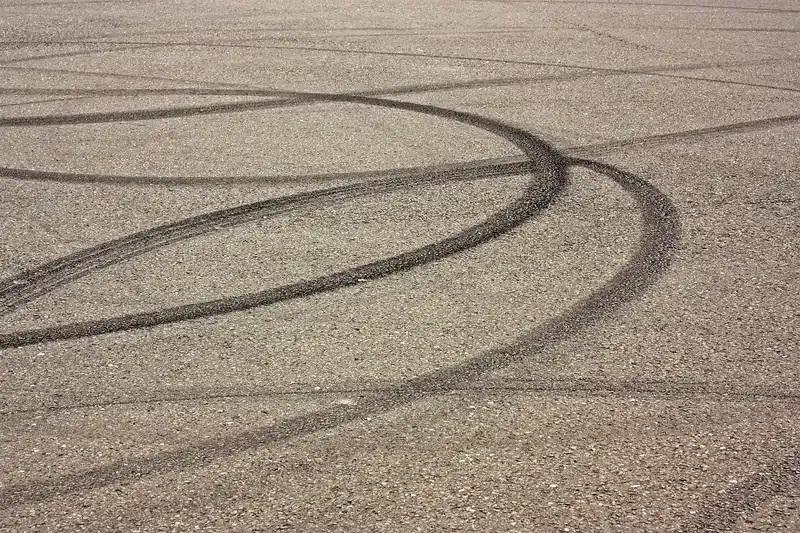
What changes when braking and turning happen together
Braking loads the front axle. Turning loads the outside tires. On a wet road, or with one tire already low on tread, the available grip drops fast. A car can feel nervous, pull, or twitch even if the brakes seem fine in a straight stop.
That is why the same vehicle may stop straight on a level road, then feel wrong on a downhill curve or a right-hand turn. The corner changes how much each tire can do. The weakest corner usually shows itself first.
What the symptom usually points to first
Start with the simplest split: brake force, tire grip, and suspension control. Worn brake pads, warped rotors, or a sticking caliper can create uneven braking pressure. Low tire pressure, uneven wear, or sidewall damage can reduce grip. Struts, shocks, control arms, and alignment affect how settled the car feels in the turn.
Brake warning lights should also move the problem higher on the list. A warning lamp is a sign to inspect now, not to wait and see.
Use this symptom-to-cause triage table
| What the driver feels in the curve | Most likely subsystem | Next no-tools check |
|---|---|---|
| Pulling left or right only while braking through a turn | Brakes or alignment | Check for a brake warning light, then inspect for uneven pad wear and note whether the pull started after a pothole or curb hit |
| Shaking, vibration, or a loose rear-end feel | Rotors, tires, or suspension | Look for steering-wheel vibration when braking, check tire pressure, and inspect tread depth and visible tire damage |
| Noise only while braking through turns | Pads, calipers, or control-arm wear | Listen for grinding or scraping, then look for a wheel that seems hotter, dustier, or more worn than the others after a short drive |
Say your sedan pulls right only on downhill left turns after hitting a pothole. That pattern points more toward alignment or a tired suspension part than a simple pad wear issue. Suppose a compact car shakes at the steering wheel only when braking into a bend on wet pavement. Tire grip and rotor condition move up the list.
Could the brake system be the cause?
Yes. Worn or damaged brake pads, rotors, or calipers can cause uneven braking pressure, and that can feel worse in a curve than in a straight stop. Brake faults do not always show up as one obvious symptom. They may appear as pull, vibration, noise, or a change in pedal feel.
Brake pads: wear level and uneven contact
Brake pads with uneven wear can grab one side harder than the other. If one pad is near the end of its life, it may leave the car feeling unstable when the brakes load up in a turn. A brake pad thickness gauge helps assess pad wear without removing much hardware.
Replacement is usually needed when the friction material is thin, uneven, cracked, or contaminated. Brake pad replacement typically costs between $100 to $300 per axle.
Brake rotors: wear, runout, and vibration symptoms
Brake rotors can make the car shake or pulse when braking, especially if they are warped or worn unevenly. Vibrations in the steering wheel or chassis when braking may indicate warped brake rotors. In a curve, that vibration can feel like the whole car is moving sideways, even when the root cause is brake-related.
Inspect the rotor surface for scoring, heat spots, heavy rust, or a lip at the edge. If the wheel shakes only when brake pressure is applied, rotors deserve a close look before you assume the tires are at fault.
Brake calipers: sticking, damage, or uneven application
A sticking caliper can hold one pad against the rotor or apply force unevenly from side to side. That makes the car pull under braking and can heat one wheel more than the others. In a curve, that added imbalance can feel worse because the outside tire is already carrying more load.
Caliper issues often come with uneven brake dust, a hotter wheel, or a dragging sensation after a short drive. If the wheel smell is sharp or one side feels different from the others, the brake system needs inspection.
Could the tires be causing the instability?
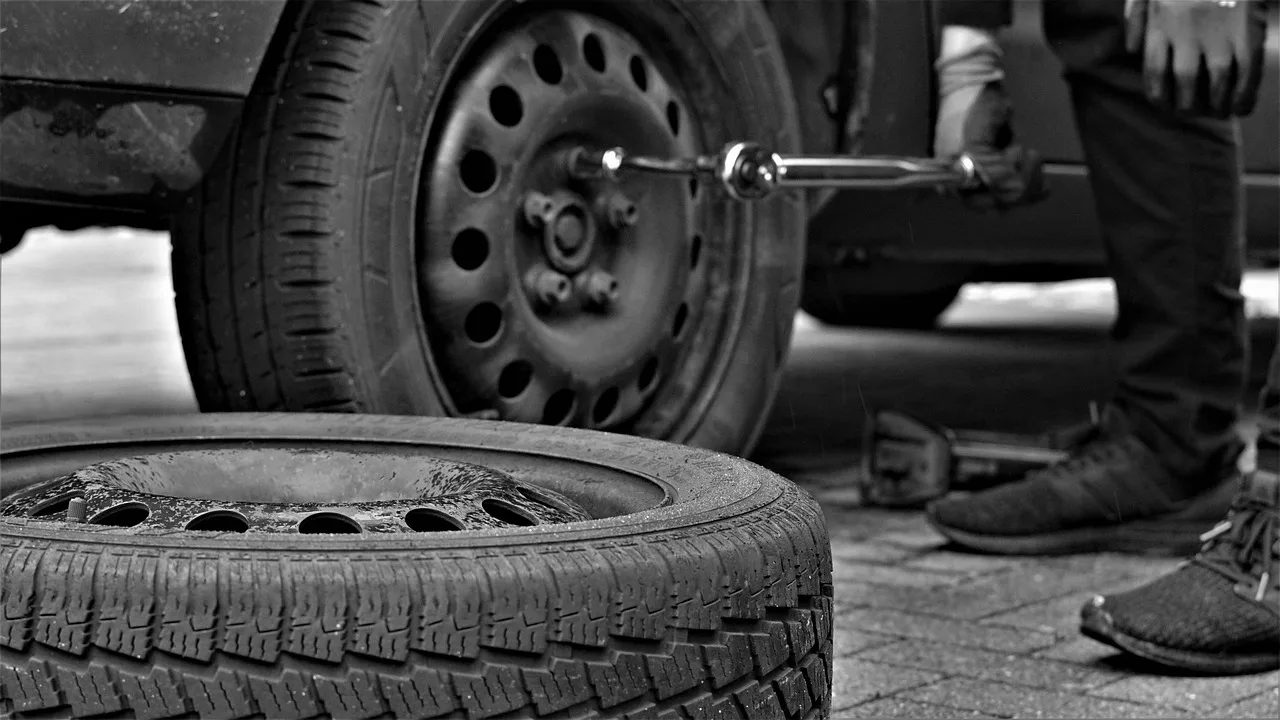
Yes. Low tire pressure can make a vehicle feel unstable during turns, and unevenly worn or improperly inflated tires can severely affect stability. Tires are the road connection. If that connection is weak, the car can feel loose, slow to respond, or nervous when braking and turning together.
Check inflation, tread depth, and sidewall damage
Start with tire pressure, then inspect tread depth and sidewalls. A tire that is underinflated, overinflated, or visibly damaged can change grip enough to cause pull or instability. Cuts, bulges, and exposed cords are urgent findings.
Uneven wear can also reveal a problem elsewhere. Feathered edges may point to alignment trouble. Cupping can point to suspension wear. A bald shoulder may mean the car has been running low on pressure for some time.
How uneven wear can change cornering grip
When tread depth varies across an axle, one tire may keep grip while the other starts to slide. That difference matters most when braking in a bend. The car can feel as if it wants to step outward or drift into the lane line.
Tire rotation usually costs around $20 to $50. Tires may cost $100 to $300 per tire depending on brand and specifications.
Why wet roads make tire-related symptoms more obvious
Wet pavement reduces the margin for error. A tire with shallow tread or uneven pressure can lose grip sooner, so the symptom shows up more clearly in rain. That is why some drivers only notice the problem in wet curves, even though the tires have been weakening for a while.
In that case, the road is not the cause. It is exposing a weakness that dry pavement was hiding.
Could suspension or alignment be involved?
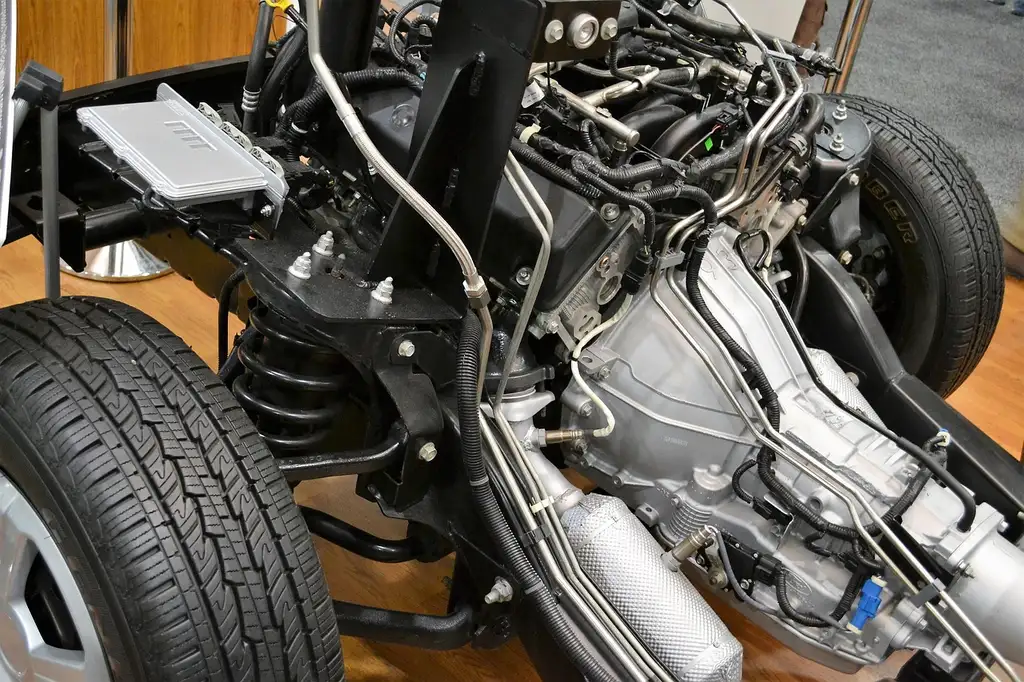
Yes. Suspension problems can lead to a bouncy or unstable ride, especially in turns. Struts, shocks, control arms, and alignment all influence how steady the car stays when braking shifts weight forward and cornering loads one side more than the other.
Struts and shocks: ride control and turn-in stability
Worn struts or shocks let the body move too much. That extra motion can make braking feel delayed or floaty, especially when the car enters a curve. Replacing struts or shocks can range from $300 to $800 per axle.
If the car bounces more than once after a dip, leans hard in turns, or feels unsettled on uneven pavement, ride control parts move up the list.
Control arms and worn joints: how looseness shows up
Control arms connect the wheels to the suspension. Worn bushings or joints can create vague steering, clunks, or a wandering feel when braking and turning. The car may still stop, but it no longer feels tied down.
Loose suspension parts can be hard to spot without lifting the car, but a visible split bushing, torn boot, or shifted wheel position is enough to justify service.
Wheel alignment: pulling after potholes or curb impacts
Misalignment can cause the vehicle to pull to one side during braking or turning. A curb strike or pothole hit is a common trigger. A full alignment can range from $75 to $100.
If the pull began right after road impact, alignment should be checked early. If the car also wears tires unevenly, the alignment case gets stronger.
How do I diagnose instability while braking and turning?
Use a short, careful sequence. Start with a visual inspection, then do a safe test drive on a quiet road. A quiet road is recommended for a focused test drive diagnosis. The goal is to reproduce the symptom without traffic noise or sudden steering inputs hiding the pattern.
- Check the dashboard for brake warning lights.
- Inspect all four tires for pressure, tread depth, and visible damage.
- Look for uneven brake pad wear through the wheel spokes if possible.
- Scan the rotor surfaces for scoring, heavy rust, or obvious uneven wear.
- Check for fresh curb rash, a recent pothole hit, or a wheel that sits oddly.
- Drive slowly on a quiet road and note pull, vibration, and noise while braking through a gentle curve.
On the road test, keep the inputs gentle. Do not brake hard or steer sharply. If the pull repeats in the same direction, that pattern matters. If the vibration appears only under brake pressure, rotors or brake force balance move higher on the list. If the rear of the car feels loose, tires or suspension become more likely.
When should I stop driving if the car feels unstable under braking?
Stop driving if the car pulls hard, grinds, scrapes, steers differently during braking, or shows a brake warning light. Those symptoms can point to a failing brake, a badly worn tire, or suspension damage that can worsen quickly. If control feels reduced, treat it as a safety problem, not a comfort issue.
A repeating symptom also deserves prompt attention. If the car feels unstable in one turn, then again in the same direction, a professional inspection matters even if the warning light is off. Problems can hide until a panic stop or a wet curve exposes them.
What repairs usually fix braking instability in turns?
The fix depends on the failed subsystem. Brake issues may need pad, rotor, or caliper replacement. Tire issues may need inflation correction, rotation, or replacement. Alignment problems need an alignment. Worn suspension parts may need struts, shocks, or control arms. The right repair follows the symptom pattern, not the cheapest guess.
A practical repair path often starts with the tires and brakes, because both are easy to inspect and both can create pull or shake. If those pass inspection, move to suspension and alignment. A simple repair can be enough, but repeated symptoms usually mean more than one part needs attention.
Typical cost overview
Use the ranges as planning guides, not promises. Brake pad replacement typically costs between $100 to $300 per axle. Tire rotation usually costs around $20 to $50. A full alignment can range from $75 to $100.
If tires are due, the bill can rise fast because tires may cost $100 to $300 per tire depending on brand and specifications. If ride control parts are worn, replacing struts or shocks can range from $300 to $800 per axle.
Frequently asked questions
Is it normal for a car to pull when braking in a turn?
No. Some small change in feel can happen, but a clear pull usually points to uneven brake force, low tire pressure, uneven tire wear, or alignment trouble. If the pull began after a pothole or curb hit, alignment and suspension checks should move up the list.
Can worn brake pads make a car unstable while cornering?
Yes. Brake pads with uneven wear or low friction material can create uneven braking pressure, which may feel worse in turns. That can show up as pull, noise, or a change in pedal response. A brake pad thickness gauge helps confirm wear before parts are replaced.
Could tire pressure cause instability when braking and turning?
Yes. Low tire pressure can make a vehicle feel unstable during turns, and unevenly worn or improperly inflated tires can severely affect stability. Check all four tires, including the spare if it has a role in the setup, and inspect for cuts, bulges, or abnormal wear.
Do warped rotors cause shaking only when braking in curves?
Not only in curves. Warped or uneven rotors usually cause vibration whenever the brakes are applied, but the effect can feel stronger in a turn because the car is already under side load. Steering-wheel or chassis vibration under braking is a key clue.
Can suspension problems make braking feel unsafe on corners?
Yes. Struts, shocks, and control arms help keep the car settled as weight shifts in a turn. If they are worn, the car can feel bouncy, vague, or unstable under braking. That unstable feel is often most obvious on uneven roads or in sharper curves.

Hi, I’m Melvin, an automobile engineer with extensive experience in automobile equipment. I currently work for a local automobile firm, where I specialize in the car parts industry. I’ve had the opportunity to collaborate with seasoned inspectors, gaining invaluable hands-on experience that goes beyond just theory.
My passion for automotive care started at a young age, which led me to create CarSpareCare. Through CarSpareCare, I share the knowledge and skills I’ve acquired over the years to help others navigate the world of car maintenance and repairs.
My goal is to provide practical tutorials, essential safety advice, and the latest industry insights so that anyone—whether a beginner or an expert—can confidently tackle their automotive projects.

