If you’ve ever taken a moment to look at your car’s front wheels and wondered, “What exactly is holding these things in place?”—you’re not alone. I asked myself the same question years ago when I started working on cars.
I was changing my tires for the first time and, while loosening the lug nuts, I realized just how many components were working together to keep the wheel securely mounted.
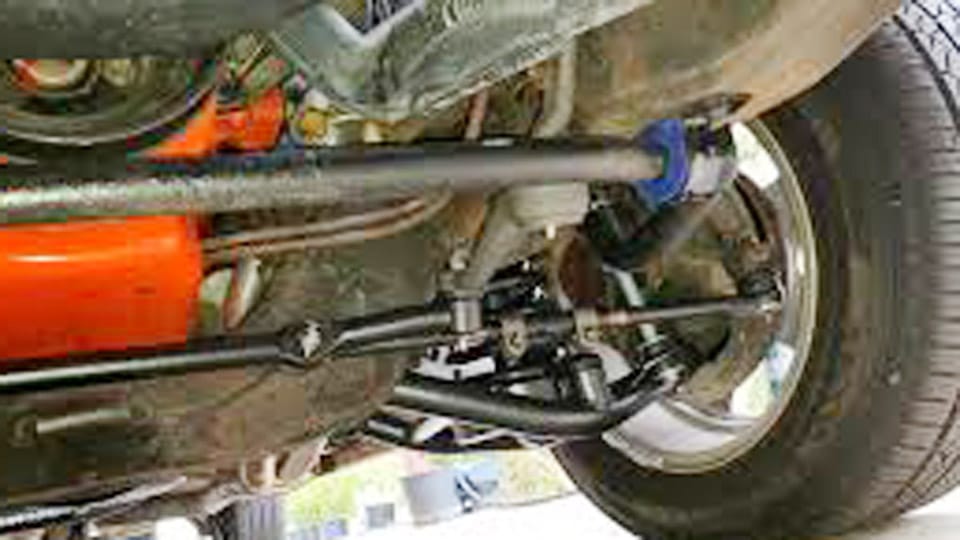
Photo by elcaminocentral
The truth is, it’s not just one part that holds the front wheel on a car. It’s a group of well-engineered components that work as a system to ensure safety, steering, and stability while you’re driving.
These parts are built to withstand thousands of miles of driving, rough roads, sharp turns, and unexpected potholes. And understanding them gives you a whole new appreciation for how well cars are designed.
If you’re curious, learning to work on your own car, or just love understanding how things work—let’s dive into what really holds your front wheel in place. I’ll walk you through each part, how it works, and why it’s important.
Why Knowing What Holds Your Front Wheel Matters
Before we get into the parts themselves, let’s talk about why this even matters. The front wheels are not just about rolling—they’re about control, steering, and safety.
Here’s why it’s important to understand:
Steering precision: The front wheels help direct the car. If something is loose or damaged, it affects how well your car handles.
Braking safety: Most of your stopping power happens through the front wheels. Faulty components can reduce braking efficiency.
Tire wear: Misalignment or loose components can cause uneven tire wear, which leads to early replacement and poor road grip.
Vibration and noise: Knowing what holds the front wheel helps identify strange sounds or shakes early, before things get dangerous.
Core Components That Hold the Front Wheel
When you look at a car’s front wheel, you’re seeing just the surface. Behind it, there’s an entire system at work. These are the key parts that hold the front wheel in place:
- Wheel hub
- Wheel bearings
- Axle shaft (CV axle in FWD/AWD)
- Steering knuckle
- Ball joints
- Tie rods
- Strut and suspension components
- Brake rotor (attached to the hub)
- Lug nuts and studs
Wheel Hub
The wheel hub is basically the foundation. It’s a sturdy metal assembly that the wheel mounts onto. Think of it like the platform everything else is built around.
The hub connects to the steering knuckle and houses the wheel bearings. Your brake rotor also attaches to it, and your wheel bolts on via studs or bolts.
When you remove a tire, you’re looking right at the wheel hub. This is what spins when you drive and what holds your wheel directly.
Key Functions:
- Holds the wheel in place
- Connects to the axle or CV joint
- Supports braking components
Wheel Bearings
Inside the hub are the wheel bearings. These are sets of small metal balls or rollers that let the wheel spin smoothly with very little friction. You rarely think about them, but they’re essential.
They carry the vehicle’s weight and allow the wheel to rotate at high speeds. If your bearings wear out, you’ll hear grinding or humming noises and might even notice some play in the wheel.
Symptoms of bad bearings:
- Humming or growling sound while driving
- Steering feels loose
- Wheel wobbles slightly
- ABS light may turn on
Without good bearings, the front wheel can’t spin properly or stay securely mounted.
Axle Shaft (CV Axle)
On front-wheel-drive and all-wheel-drive vehicles, the front wheels are driven by constant velocity (CV) axles. These axles transmit engine power to the wheels so the car can move.
The axle connects directly to the hub and spins with it. The inner part connects to the transmission, and the outer part connects to the wheel hub.
If the axle fails, your wheel may still be mounted, but your car won’t move correctly—or at all.
Signs of a bad CV axle:
- Clicking sound when turning
- Grease on the inside of the wheel or undercarriage
- Vibration during acceleration
Steering Knuckle
The steering knuckle is a strong, forged piece of metal that connects the suspension, steering, and braking systems to the wheel hub.
It’s a central link between the wheel hub and the rest of the car. The hub is either pressed or bolted into the knuckle. This knuckle then connects to your control arms and tie rods, making sure the wheel can pivot for steering.
Without the knuckle, your wheel has nothing to turn on—it’s that important.
Ball Joints
The ball joints connect the steering knuckle to the control arms, which are part of the suspension. These joints allow the wheel to move up and down (for bumps) and side to side (for steering).
There’s usually an upper and a lower ball joint. If one of them wears out or breaks, the wheel could literally fall off or collapse under the car. I’ve seen it happen, and it’s scary.
Warning signs:
- Clunking noise when going over bumps
- Loose or wandering steering
- Uneven tire wear
Tie Rod Ends
The tie rods are connected to the steering rack and are responsible for turning the wheels when you move the steering wheel.
They screw into the steering knuckle and allow precise control of the front wheels’ direction. If they fail, steering becomes unpredictable and unsafe.
Symptoms of failing tie rods:
- Loose steering feel
- Front-end alignment problems
- Vibration in the steering wheel
Struts and Suspension
The suspension system, including the struts and control arms, holds the wheel vertically in place and allows it to absorb road shock.
While they don’t directly attach the wheel to the car, they do help maintain wheel position and alignment under pressure, acceleration, and braking.
If a strut mount or bushing fails, the wheel could shift out of place or bounce excessively, affecting safety.
Brake Rotor
Though its main job is to help stop the car, the brake rotor is directly connected to the wheel hub. It spins with the wheel and provides a mounting surface for the brake caliper.
While not a structural component by itself, it’s a vital part of the hub system that keeps the wheel assembly balanced.
Lug Nuts and Studs
Once all the internal components are secure, the wheel is mounted to the hub using lug nuts (or bolts) that screw onto studs. These are the last but critical piece of the puzzle.
Tightening the lug nuts to the right torque ensures the wheel stays firmly in place. Over-tightening or under-tightening can both be dangerous.
Tips from my experience:
- Always use a torque wrench
- Recheck lug nuts after 50-100 miles
- Don’t use an impact wrench for final tightening
Visual Breakdown Table
Here’s a quick overview of the main parts and what they do:
| Component | Main Function | Common Issues |
|---|---|---|
| Wheel Hub | Base platform for mounting the wheel | Bearing wear, wobble |
| Wheel Bearings | Enable smooth wheel rotation | Noise, vibration |
| CV Axle | Transmits power to the wheel | Clicking, leaking grease |
| Steering Knuckle | Connects suspension to the wheel hub | Crack, misalignment |
| Ball Joints | Allow vertical and pivot movement | Clunking, loss of control |
| Tie Rod Ends | Turn wheels left or right | Loose steering |
| Struts/Suspension | Maintain wheel position and ride comfort | Excessive bounce, tilt |
| Brake Rotor | Mounting surface for brakes and wheel | Warping, noise |
| Lug Nuts & Studs | Secure wheel to the hub | Loose or stripped studs |
What Happens if Any of These Fail?
Here’s something I always tell people: if even one of these parts fails, it can cause a dangerous situation.
- If a ball joint breaks, the wheel can collapse under the car.
- If the hub fails, the wheel might spin unevenly or fall off.
- If bearings seize, your wheel could lock while driving.
- If tie rods fail, you’ll lose steering control.
This is why regular inspection and maintenance are key. Don’t ignore noises, vibrations, or strange steering feedback. Your car is always giving you signs.
How Mechanics Diagnose Front Wheel Issues
If you’re hearing strange noises or feeling steering problems, a good mechanic will check:
- Wheel play (by shaking the wheel side to side)
- Noise while rotating the wheel
- Condition of tie rods, ball joints, and bushings
- Alignment and tire wear
- Torque on the lug nuts
Sometimes, fixing one small part can prevent major damage later on.
Conclusion
We’ve walked through everything that holds the front wheel on a car, you can see it’s not just one bolt or part doing all the work—it’s a team effort. The wheel hub, bearings, knuckle, ball joints, tie rods, and suspension all work together to give you control, safety, and comfort on the road.
As someone who has worked on dozens of front-end systems over the years, I always recommend regular checks—even if you’re not experiencing issues. A small wobble or noise today can turn into a big repair tomorrow.
Take care of your front-end components, torque your lug nuts properly, and if something doesn’t feel right—get it checked out. Your wheels are what connect you to the road. And knowing what holds them in place keeps you ahead of the curve.
Frequently Asked Questions
What part actually holds the wheel onto the car?
The wheel hub holds the wheel, and it’s secured with lug nuts on studs. Together with bearings, the hub keeps the wheel aligned and spinning properly.
Can a bad wheel bearing cause a wheel to fall off?
Yes, in extreme cases. If the bearing completely fails, it can cause the hub to separate and lead to the wheel coming off.
What happens if lug nuts are loose?
Loose lug nuts can cause the wheel to wobble and eventually fall off. Always torque them correctly and check them after installation.
How do I know if my front wheel is loose?
You might hear clunking sounds, feel vibrations in the steering wheel, or notice unstable steering. A visual inspection can also reveal movement if you shake the tire.
Are front and rear wheel attachments the same?
They share many components like hubs and lug nuts, but front wheels also include steering elements like tie rods and ball joints, which the rear wheels may not have.

Hi, I’m Melvin, an automobile engineer with extensive experience in automobile equipment. I currently work for a local automobile firm, where I specialize in the car parts industry. I’ve had the opportunity to collaborate with seasoned inspectors, gaining invaluable hands-on experience that goes beyond just theory.
My passion for automotive care started at a young age, which led me to create CarSpareCare. Through CarSpareCare, I share the knowledge and skills I’ve acquired over the years to help others navigate the world of car maintenance and repairs.
My goal is to provide practical tutorials, essential safety advice, and the latest industry insights so that anyone—whether a beginner or an expert—can confidently tackle their automotive projects.