Changing spark plugs and ignition coils might sound like a job for a mechanic, but I promise you—it’s not as intimidating as it seems. I’ve done this on multiple cars, from old-school sedans to modern SUVs, and I can confidently say it’s one of those maintenance tasks that feels great to do yourself.

Image by bestparts.ca
The first time I popped the hood to replace these parts, I was a little nervous. I wasn’t sure how long it would take or what tools I’d need. With each car I worked on, I got faster and more confident.
I’ll walk you through exactly how long it takes to change spark plugs and coils, when you should do it, what you’ll need, and how to make the process as smooth as possible.
This article is for everyone—whether you’re a DIY beginner, a weekend warrior, or just someone who wants to better understand what goes on under the hood.
What Are Spark Plugs and Ignition Coils?
Let’s start with a simple explanation.
Spark plugs are tiny but mighty parts inside your engine. They create a spark that ignites the fuel-air mixture in each cylinder, which is what powers your car.
Ignition coils are the parts that convert your car’s low-voltage battery power into the high voltage needed to create that spark. Each cylinder usually has its own ignition coil in modern vehicles.
Without these two working together, your engine won’t start—or it’ll run rough, misfire, or guzzle gas like there’s no tomorrow.
How Long Does It Take to Change Spark Plugs and Coils?
The time it takes can vary a lot based on your vehicle and your level of experience. But here’s what I’ve seen from doing it myself over the years.
| Vehicle Type | Experience Level | Time to Replace Spark Plugs | Time to Replace Coils | Total Estimated Time |
|---|---|---|---|---|
| Compact or Sedan | Beginner | 1.5 – 2 hours | 30 – 45 minutes | 2 – 2.5 hours |
| SUV or Truck | Beginner | 2 – 3 hours | 45 minutes – 1 hour | 2.5 – 3.5 hours |
| Compact or Sedan | Experienced DIYer | 45 minutes – 1 hour | 20 – 30 minutes | 1 – 1.5 hours |
| SUV or Truck | Experienced DIYer | 1 – 1.5 hours | 30 – 45 minutes | 1.5 – 2 hours |
If your engine layout is tight (which it is on many modern V6 or V8 engines), some spark plugs can be tough to reach. That can stretch the job longer, especially if it’s your first time.
How Often Should You Change Spark Plugs and Coils?
Most spark plugs are rated for every 60,000 to 100,000 miles, depending on the material (copper, platinum, or iridium). But if you’re noticing engine issues like misfires or hesitation, it could be time to change them sooner.
Ignition coils tend to last longer, often 100,000 miles or more, but they can fail earlier—especially if bad spark plugs have been putting strain on them.
A good rule of thumb I follow: if I’m already replacing the spark plugs and my car has high mileage, I change the ignition coils at the same time. It saves time and prevents future issues.
Signs Your Spark Plugs or Coils Need Replacing
If your spark plugs or coils are wearing out, your car will usually let you know. Here’s what to watch for:
- Engine misfires or rough idling
- Poor fuel economy
- Sluggish acceleration
- Check engine light comes on
- Engine shaking or vibrating
- Trouble starting the car
- Decreased engine power
I’ve personally dealt with misfires and reduced mileage that magically disappeared once I swapped out the old plugs and coils.
Tools You’ll Need to Change Spark Plugs and Coils
This is a job you can do with basic tools. Here’s what I keep in my garage whenever I’m getting ready for this task:
- Ratchet wrench
- Spark plug socket (with rubber insert)
- Extension bar
- Torque wrench (optional but ideal)
- Dielectric grease
- Anti-seize compound (some say yes, some say no—use it carefully)
- Compressed air or a small vacuum (to clean plug wells)
- Gloves and safety glasses
- A flashlight or shop light
You don’t need a fancy garage setup. I’ve done this in a driveway with just a basic tool kit.
Step-by-Step: How I Change Spark Plugs and Coils
Let me walk you through how I typically do it. This process works for most modern cars, but always check your vehicle’s manual just to be safe.
Step 1: Let the Engine Cool Down
Spark plugs get really hot. I always let the engine cool for at least 30–60 minutes before starting. A cool engine also means a cooler and safer working environment.
Step 2: Disconnect the Battery
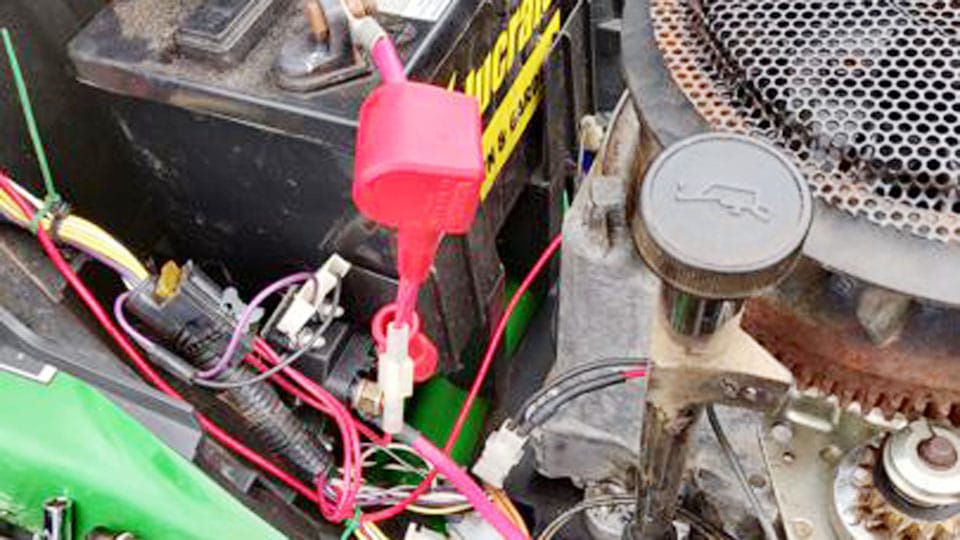
Safety first! Disconnecting the negative terminal prevents accidental shorts or shocks.
Step 3: Remove Engine Covers (if any)
Most modern engines have plastic covers. These are usually held on with bolts or clips. Remove them gently and set them aside.
Step 4: Access the Ignition Coils
The ignition coils are usually on top of the engine, right above the spark plugs. Disconnect the electrical connector and unbolt the coil. Gently pull it straight out.
Step 5: Clean the Area Around Spark Plugs
Before removing the plugs, I use compressed air to clean any dirt or debris around the wells. You don’t want that falling into the engine.
Step 6: Remove the Spark Plugs
Using a spark plug socket and ratchet, unscrew each plug slowly. Be careful not to use too much force.
Step 7: Check the Spark Plugs
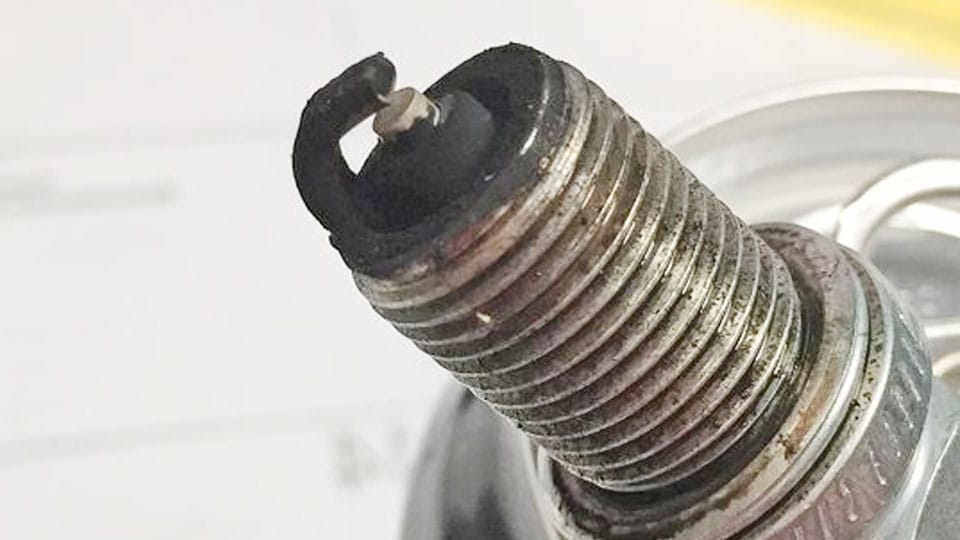
Even if you’re replacing them, it’s a good idea to inspect the old plugs. They can tell you a lot about how your engine is running. Black and sooty? Maybe running rich. White and crusty? Possibly overheating.
Step 8: Install New Spark Plugs
I always hand-thread them first to avoid cross-threading. Then I tighten with a torque wrench if I have the specs. A small dab of anti-seize on the threads can help with removal down the road, but don’t overdo it.
Step 9: Apply Dielectric Grease and Install New Coils
A tiny bit of dielectric grease inside the boot helps prevent corrosion and makes removal easier later. Slide the new coil into place, bolt it down, and reconnect the wiring.
Step 10: Reassemble and Test
Once everything’s back in place, reconnect the battery, start the engine, and listen. If all went well, it should start right up and run smoother than before.
Why Replacing Spark Plugs and Coils Together Makes Sense
You can change spark plugs without changing the coils, and vice versa. I’ve found that doing them together saves time and effort. Coils are easy to access once the plugs are out. If one coil is going bad, the others often follow not long after.
If I’m selling a car, I make sure both are fresh. It makes a great impression and gives the buyer confidence.
Should You Change Spark Plugs and Coils Yourself?
If you’re comfortable using basic hand tools and taking your time, absolutely. This is one of the most satisfying DIY jobs you can do. You’ll not only save money, but also gain confidence in your car’s reliability.
If your engine bay is especially tight, or you’re not sure about torque settings and electrical connectors, it’s totally fine to ask a mechanic. There’s no shame in wanting it done right.
Cost Breakdown: DIY vs Mechanic
Here’s a rough comparison of what I’ve paid (or saved) by doing it myself:
| Part or Service | DIY Cost (per cylinder) | Mechanic Cost (per cylinder) |
|---|---|---|
| Spark Plug | $5 – $12 | $25 – $50 |
| Ignition Coil | $20 – $60 | $75 – $150 |
| Labor (total) | Free (your time) | $150 – $300 (varies by shop) |
On a 4-cylinder car, doing it yourself can save you anywhere from $200 to $500 or more. That’s a weekend well spent, in my opinion.
Final Thoughts and Takeaways
Changing your spark plugs and coils might seem like a small task, but it has a big impact. Smooth starts, better gas mileage, more power, and a quieter engine—it all adds up. I’ve felt the difference firsthand, and it’s one of those things where you’ll ask yourself afterward, “Why didn’t I do this sooner?”
If you’re thinking about taking on the job yourself, I encourage you to go for it. Take your time, follow the steps, and enjoy the satisfaction of doing something meaningful for your vehicle. You’ve got this.
FAQs
How often should spark plugs be changed?
Most spark plugs last between 60,000 to 100,000 miles depending on the material and your driving conditions.
How long do ignition coils last?
Ignition coils can last up to 100,000 miles or more, but they sometimes fail earlier, especially if spark plugs are worn.
Can I just change one coil or one spark plug?
You can, but it’s often better to change all at once to maintain performance and avoid future labor costs.
Do I need to disconnect the battery before changing plugs and coils?
Yes, it’s always safer to disconnect the negative terminal to prevent electrical shorts or accidental starts.
What happens if I don’t replace bad spark plugs or coils?
Your engine will run rough, use more gas, possibly misfire, and eventually cause long-term damage to other components.

Hi, I’m Melvin, an automobile engineer with extensive experience in automobile equipment. I currently work for a local automobile firm, where I specialize in the car parts industry. I’ve had the opportunity to collaborate with seasoned inspectors, gaining invaluable hands-on experience that goes beyond just theory.
My passion for automotive care started at a young age, which led me to create CarSpareCare. Through CarSpareCare, I share the knowledge and skills I’ve acquired over the years to help others navigate the world of car maintenance and repairs.
My goal is to provide practical tutorials, essential safety advice, and the latest industry insights so that anyone—whether a beginner or an expert—can confidently tackle their automotive projects.