Let me start by saying that this is one of the most common questions I hear from folks trying to squeeze a few extra miles out of their gas tank. And honestly, it’s a great question—because many car owners overlook spark plugs when they think about improving fuel efficiency.
I’ve been down this road myself, trying to stretch every gallon, and after dealing with this issue hands-on, I can tell you: yes, changing your spark plugs can improve gas mileage—but there’s more to it than just a simple yes or no.

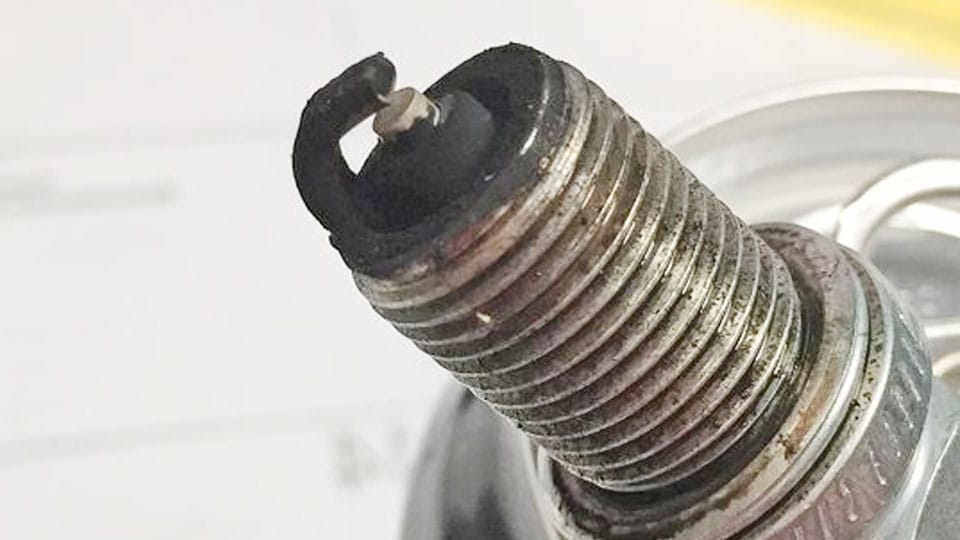
Photo by dieselworksntx
What Do Spark Plugs Actually Do?
Spark plugs are small, but they’re mighty. They sit inside your engine’s combustion chamber and are responsible for igniting the air-fuel mixture. That explosion is what powers your engine and keeps your car moving. If the spark is weak or inconsistent, your engine doesn’t run as efficiently—and that includes how it uses fuel.
When spark plugs are working properly, they ignite the fuel at just the right time, ensuring optimal combustion. But when they’re dirty, worn, or faulty, they can misfire, delay ignition, or even cause partial burns in the chamber. All of this leads to wasted fuel, rough engine performance, and yes—lower gas mileage.
Signs Your Spark Plugs Might Be Hurting Your Fuel Economy
Before we dive into how much gas mileage you might gain by replacing your plugs, it’s important to spot the symptoms of bad ones. I’ve personally experienced many of these in older vehicles I’ve worked on.
Here are a few telltale signs:
- Poor acceleration
- Rough engine idle
- Engine misfires
- Difficulty starting the car
- Reduced gas mileage
- Check engine light on
If you’ve been noticing any of these, there’s a good chance your spark plugs are overdue for replacement.
How Spark Plugs Affect Gas Mileage
So, let’s get to the real meat of the question—does replacing spark plugs improve fuel economy? Yes, and here’s why.
When a spark plug isn’t firing properly, it causes incomplete combustion. That means not all the fuel in the cylinder is being used. Some of it goes right out the exhaust pipe without ever giving you power. Multiply that by thousands of firings per minute, and you’re wasting a lot of gas.
Fresh spark plugs create a stronger, cleaner, more reliable spark. That helps burn the air-fuel mixture more completely and efficiently. The result? A smoother-running engine, more power, and—importantly—better fuel economy.
How Much of a Difference Can New Spark Plugs Make?
Based on my own experience and what I’ve seen from others, the fuel economy improvement from new spark plugs typically ranges between 2% to 4%, but sometimes even more in really neglected engines.
Let’s break that down in a table:
| Condition of Old Spark Plugs | Potential MPG Gain After Replacement | Notes |
|---|---|---|
| Mildly Worn | 1% – 2% | Not too noticeable |
| Moderately Worn | 2% – 4% | Moderate improvement |
| Severely Worn or Fouled | 4% – 10% | Big improvement possible |
| Already New or Recently Changed | 0% | No noticeable change |
To put that in perspective—if your car usually gets 25 MPG, and you improve by just 4%, you could gain 1 MPG. Over the course of a year, that adds up, especially with gas prices being what they are.
When Should You Change Spark Plugs?
This depends a lot on the type of spark plugs and your vehicle. Here’s a simple guideline I follow:
- Copper spark plugs: Every 20,000 to 30,000 miles
- Platinum spark plugs: Every 60,000 miles
- Iridium spark plugs: Every 80,000 to 100,000 miles
Always check your owner’s manual, though. Some vehicles are more sensitive to plug wear than others, especially modern engines with turbochargers or direct injection.
Other Benefits of Changing Spark Plugs
Improved gas mileage isn’t the only perk. Here are a few more reasons I always recommend keeping your spark plugs fresh:
- Better throttle response: Your car feels peppier when you hit the gas.
- Smoother engine idle: No more shaking or rattling at red lights.
- Reduced emissions: Cleaner combustion means fewer pollutants.
- Fewer engine misfires: This protects your catalytic converter too.
- Easier starts: Especially in colder climates.
It’s a small investment that pays off in several areas.
Role of Spark Plug Wires and Ignition Coils
While we’re on the subject, it’s worth noting that your spark plugs aren’t working alone. They rely on spark plug wires (or ignition coil packs in newer cars) to deliver voltage from the ignition system.
If these are worn or failing, you won’t get a strong spark—even with brand-new plugs.
I always recommend checking or replacing these components at the same time. It’s like changing batteries in a remote—if the contacts are rusty, new batteries won’t help much.
DIY vs. Professional Installation: What’s Better?
Replacing spark plugs isn’t too complicated, especially if you’re handy. But depending on your engine layout, it can be a tight squeeze. I’ve worked on engines where the plugs were easily accessible, and others where I needed special tools or even had to remove parts of the intake manifold.
If you’re comfortable under the hood, go ahead and DIY it. Just make sure to:
- Let the engine cool first
- Use the correct socket
- Gap the new plugs properly
- Torque them to spec
If that sounds intimidating, it’s perfectly okay to take it to a mechanic. Labor usually runs between $100 and $200, depending on the car.
Other Things That Affect Gas Mileage
Of course, spark plugs aren’t the only factor in fuel economy. If you’re serious about saving gas, here are a few other areas worth looking into:
- Tire pressure: Low pressure = higher rolling resistance
- Air filter: A clogged filter makes your engine work harder
- Fuel injectors: Dirty injectors can throw off your air-fuel ratio
- Wheel alignment: Misalignment causes drag and uneven wear
- Driving habits: Fast acceleration and hard braking eat up fuel
Replacing spark plugs should be part of a larger maintenance plan, not a standalone fix.
Real-Life Results: My Experience
I recently helped a neighbor change the spark plugs in his 2014 Honda Accord. He was getting around 23 MPG and thought that was just normal for the car. Turns out, his plugs were never changed—nearly 100,000 miles on the originals!
We put in a fresh set of iridium plugs, and the difference was immediate. The engine sounded quieter, ran smoother, and within a week, his fuel economy climbed to 26 MPG. That’s over a 10% improvement. Just from plugs!
It doesn’t always work out that dramatically, but it shows what’s possible if your current plugs are in bad shape.
Are Expensive Spark Plugs Worth It?
You might wonder if paying extra for platinum or iridium spark plugs is worth it. I think it depends on your vehicle and how long you plan to keep it.
Iridium plugs cost more upfront but can last up to 100,000 miles. That’s a lot of miles between replacements. Copper plugs are cheaper, but you’ll be changing them two or three times as often.
I usually go with what the manufacturer recommends. If they suggest iridium, stick with it. Your engine was designed for that level of performance and longevity.
Summary Table: Spark Plugs and Fuel Efficiency
Here’s a quick recap of the most important points:
| Topic | Key Insight |
|---|---|
| Do spark plugs affect fuel economy? | Yes, significantly if they’re worn or fouled |
| MPG improvement possible | 2% to 10% depending on condition |
| Best plug types | Iridium (longest life), Platinum (good mid-range) |
| DIY difficulty | Moderate (varies by engine layout) |
| Ideal replacement interval | 20,000 to 100,000 miles based on plug type |
Conclusion
If you’re trying to get better gas mileage and haven’t changed your spark plugs in a while, it’s one of the smartest and simplest steps you can take. I’ve seen firsthand how much of a difference fresh plugs can make—not just in MPG, but in how the car runs overall.
Think of spark plugs like your car’s heartbeat. If the pulse is weak, everything else suffers. But when it’s strong, your car feels alive again.
So yes, changing your spark plugs absolutely can improve your gas mileage. And for such a small part, that’s a pretty big win.
FAQs
Does changing spark plugs always improve gas mileage?
Not always. If your spark plugs are still in good shape, you might not see any change. But if they’re worn or fouled, you can expect noticeable improvement.
How often should spark plugs be replaced for best mileage?
It depends on the type—copper plugs need changing around 20,000–30,000 miles, while iridium ones can last up to 100,000 miles.
Can bad spark plugs cause poor acceleration too?
Yes. Poor spark timing or weak ignition from worn plugs can lead to sluggish performance and delayed throttle response.
Is it safe to drive with old spark plugs?
You can, but it’s not ideal. It may lead to reduced fuel economy, engine misfires, and long-term damage to your ignition system or catalytic converter.
Can I replace just one spark plug if only one is bad?
Technically yes, but I always recommend replacing all of them at the same time for consistent performance.

Hi, I’m Melvin, an automobile engineer with extensive experience in automobile equipment. I currently work for a local automobile firm, where I specialize in the car parts industry. I’ve had the opportunity to collaborate with seasoned inspectors, gaining invaluable hands-on experience that goes beyond just theory.
My passion for automotive care started at a young age, which led me to create CarSpareCare. Through CarSpareCare, I share the knowledge and skills I’ve acquired over the years to help others navigate the world of car maintenance and repairs.
My goal is to provide practical tutorials, essential safety advice, and the latest industry insights so that anyone—whether a beginner or an expert—can confidently tackle their automotive projects.