
If you’re curious about how much it costs to tint your car windows, you’re in the right spot. I’ve been through this process myself, diving into the world of window tinting to make my car look sleek and stay comfortable. Window tinting isn’t just about style—it’s about privacy, UV protection, and keeping your car cooler in the scorching sun.
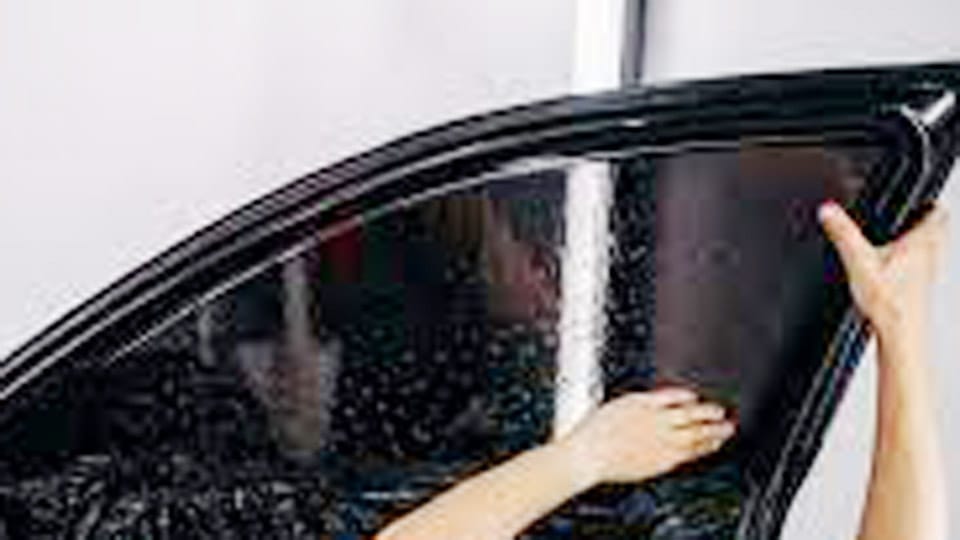
Photo by americanwrapco
The big question is: how much will it set you back? Let’s sit down together and break it all down. I’ll share everything I’ve learned, from costs to types of tint, so you can make the best choice for your ride. If you’re a first-timer or just want to upgrade your tint, this guide has you covered.
What Is Window Tinting and Why Does It Matter?
Window tinting is when a thin film is applied to your car’s windows to make them darker or add special features. This film can block sunlight, reduce glare, and even protect your skin from harmful UV rays. When I first got my car tinted, I was amazed at how much cooler it felt inside, especially during summer road trips.
Tinting does more than just make your car look cool. It adds privacy, so people can’t easily see inside. It also protects your car’s interior from fading due to sun exposure. It can make driving safer by cutting down on glare from the sun or headlights. I remember squinting through bright sunlight before I got my windows tinted—now, it’s a game-changer.
How Much Does It Cost to Tint Car Windows?
Let’s get to the big question: the cost. The price to tint your car windows varies depending on several factors, like the type of tint, the number of windows, and where you get it done. On average, professional window tinting in the USA costs between $200 and $600 for a standard car.
For a basic sedan, you might pay $200 to $400. SUVs, trucks, or luxury cars can run $400 to $600 or more because they have larger or more windows.
I drive a compact sedan, and I paid about $250 to tint all my windows at a local shop. My friend with an SUV paid closer to $450 because of the extra glass.
If you only want specific windows tinted, like just the front or rear, it’ll cost less—maybe $50 to $150 per window. But most people go for the whole car for a consistent look.
Doing it yourself is an option, but it’s tricky. DIY tint kits cost $50 to $150, depending on quality. I tried this once to save money, but it was a hassle to get the film smooth and bubble-free. I ended up going to a pro, and the results were worth it. If you’re not confident with DIY, I’d recommend spending the extra for a professional job.
Here’s a quick cost breakdown:
| Vehicle Type | Basic Tint Cost | Premium Tint Cost | DIY Cost |
|---|---|---|---|
| Sedan (4 doors) | $200–$400 | $400–$600 | $50–$150 |
| SUV/Truck | $300–$500 | $500–$800 | $80–$200 |
| Coupe (2 doors) | $150–$300 | $300–$500 | $40–$120 |
| Single Window | $50–$100 | $100–$200 | $20–$50 |
Types of Window Tint and Their Costs
Not all window tints are the same. I was surprised by how many options there were when I started shopping around. Each type has its own benefits and price tag. Here’s what I found:
Dyed Tint
This is the cheapest option, costing $100 to $300 for a full car. It’s great for looks and privacy but doesn’t block much heat. I went with this for my first car because it was budget-friendly.
Metalized Tint
This type has tiny metal particles to reflect heat and UV rays. It’s more durable and costs $200 to $400. I noticed it kept my car cooler, but it can interfere with phone or GPS signals.
Carbon Tint
A step up, carbon tint blocks more heat and doesn’t fade as fast. It costs $300 to $500. I’ve seen this on friends’ cars, and it has a nice matte finish.
Ceramic Tint
The premium choice, ceramic tint blocks the most heat and UV rays without affecting electronics. It’s pricier, at $400 to $800. I splurged on this for my current car, and it’s been worth every penny for comfort.
Crystalline Tint
This is a high-end option that’s nearly clear but still blocks heat and UV rays. It’s great for keeping a natural look and costs $500 to $1,000. I haven’t tried this yet, but it’s tempting.
The type you choose depends on your budget and needs. If you live in a hot state like Arizona or Florida, I’d lean toward ceramic or carbon for better heat rejection. For milder climates, dyed or metalized might be enough.
Factors That Affect Window Tinting Costs
I learned the hard way that costs can vary a lot based on a few key factors. Here’s what impacts the price:
Vehicle Size
Bigger vehicles like SUVs or vans have more windows, so they cost more. My sedan was cheaper to tint than my brother’s pickup truck.
Number of Windows
Tinting all windows costs more than just doing the sides or rear. Some people skip the windshield to save money, but I like the full package for a uniform look.
Tint Quality
Higher-end tints like ceramic cost more but last longer and perform better. I regretted going cheap on my first tint because it faded in a couple of years.
Shop Location
Prices are higher in big cities or high-cost areas. I got a better deal at a shop in a smaller town compared to quotes in a nearby city.
Professional vs DIY
Pros charge for labor, which adds $100 to $300 depending on the shop. DIY is cheaper but takes time and skill. I messed up my first DIY attempt and wished I’d gone to a pro.
Warranty
Some shops offer lifetime warranties, which can bump up the price. I paid a bit extra for a warranty, and it gave me peace of mind.
Special Features
Some tints have extras like scratch resistance or custom shades, which add to the cost. I stuck with standard features to keep things simple.
Is Window Tinting Legal?
Before you tint your windows, you need to know the laws. I didn’t realize this at first and almost got a ticket! Every state in the USA has rules about how dark your tint can be and which windows can be tinted. These rules are based on Visible Light Transmission (VLT), which measures how much light passes through the tint. A lower VLT percentage means darker tint.
For example, in California, front side windows must allow at least 70% VLT, while rear windows can be darker. In Texas, front windows need 25% VLT, but rear windows have no limit. Windshields usually can’t be fully tinted, but most states allow a strip at the top.
I checked my state’s laws online before getting my tint, and I recommend you do the same. Your tint shop should know the rules, but it’s smart to double-check.
If your tint is too dark, you could get a fine or have to remove it. I saw a friend deal with this, and it was such a hassle. Stick to legal limits to avoid trouble.
Benefits of Window Tinting
I can’t stop raving about why I love my tinted windows. Here are the biggest perks:
- Heat Reduction: My car used to feel like an oven in the summer. Now, with ceramic tint, it stays much cooler, even on 90-degree days.
- UV Protection: Tints block up to 99% of UV rays, protecting your skin and car’s interior. I noticed my dashboard looks brand new after years.
- Privacy: I feel more secure knowing people can’t see my stuff inside the car. It’s great for parking in busy areas.
- Glare Reduction: Driving at sunset used to be a pain. Tint cuts glare, making it easier on my eyes.
- Style: Let’s be honest—tinted windows look sharp. My car went from plain to stylish with a good tint job.
These benefits make tinting worth the investment, especially if you drive a lot or live in a sunny area.
How Long Does Window Tinting Take?
The process doesn’t take forever, which is nice. A professional shop usually needs 2 to 4 hours to tint a whole car. My sedan took about 3 hours, while my friend’s SUV took closer to 4.
The time depends on the number of windows and how tricky they are to tint. Curved or small windows, like those on some sports cars, can take longer.
DIY tinting takes more time, especially if you’re new to it. My first attempt took an entire afternoon, and I still didn’t get it perfect. Pros have the tools and experience to make it quick and clean.
After tinting, you’ll need to wait a few days before rolling down your windows—usually 3 to 5 days. I forgot this once and rolled down a window too soon, which caused a bubble. Follow your shop’s advice to avoid issues.
Where to Get Your Windows Tinted
You’ve got a few options for getting this done. I’ve tried a couple, and here’s what I think:
Professional Tint Shops
These are my favorite. They specialize in tinting and do a flawless job. I found a great local shop with awesome reviews.
Car Dealerships
Some dealers offer tinting, but it’s often pricier. I got a quote from one, and it was way more than a local shop.
Chain Auto Shops
Places like Pep Boys or AutoZone sometimes do tinting. They’re convenient but may not be as specialized. I haven’t tried this option.
DIY
If you’re patient and handy, you can buy a kit and do it yourself. I gave it a shot, but it’s not as easy as it looks on YouTube.
If you go, check reviews and ask to see examples of their work. I always feel better when I know the shop has a good reputation.
Tips to Save Money on Window Tinting
I’m all about getting a good deal. Here are some ways to keep costs down:
- Get Multiple Quotes: I called three shops and saved $50 by picking the cheapest one with good reviews.
- Choose a Basic Tint: Dyed tint is affordable and still looks great. I went with this when I was on a tight budget.
- Tint Fewer Windows: If you’re short on cash, just do the rear or side windows. I did this on my old car and still loved the look.
- Look for Deals: Some shops offer discounts or seasonal specials. I found a coupon online that shaved 10% off my bill.
- Maintain Your Tint: Clean it properly to make it last longer. I use ammonia-free cleaner to avoid damaging the film.
How to Care for Tinted Windows
Taking care of your tint keeps it looking great for years. I learned a few tricks to avoid ruining mine:
- Wait Before Rolling Down Windows: Give the tint 3 to 5 days to cure. I messed this up once, and it wasn’t pretty.
- Use the Right Cleaner: Avoid ammonia-based cleaners like Windex. I use a mix of water and mild soap or a tint-safe cleaner.
- Be Gentle: Don’t scrub the tint with rough sponges. I use a soft microfiber cloth to keep it scratch-free.
- Check for Bubbles: Small bubbles might go away in a few weeks. If they don’t, I take it back to the shop for a fix.
Good care means your tint can last 5 to 15 years, depending on the type. My ceramic tint is still perfect after three years.
What Happens If You Skip Window Tinting?
You don’t have to tint your windows, but I wouldn’t skip it. Without tint, your car gets hotter, your interior fades faster, and you miss out on privacy.
I drove without tint for a while, and I hated how exposed I felt in parking lots. Plus, the sun made my seats crack over time. Tinting is an investment that pays off in comfort and protection.
Conclusion
Getting your car windows tinted is one of the best upgrades you can make. It’s not just about the cool factor—though I’ll admit, my car looks pretty sharp with its dark windows. It’s about staying comfortable, protecting your car, and driving safer. I’ve been through the process a few times, from budget DIY to premium ceramic tint, and I can say it’s worth every penny when done right.
If you’re spending $200 or $600, understanding the costs, types, and benefits helps you make a smart choice. So, check your state’s laws, get a few quotes, and treat your car to some tint. You’ll wonder why you didn’t do it sooner!
FAQs
How do I know if a tint shop is good?
Look for reviews online and ask to see their past work. A good shop will have happy customers and clean, bubble-free tint jobs.
Is it worth paying for ceramic tint?
If you live in a hot area or want the best heat and UV protection, ceramic is worth it. I love mine for keeping my car cool.
Can I tint my windshield?
Most states only allow a small tinted strip at the top of the windshield. Check your state’s laws to avoid fines.
How long does window tint last?
With proper care, tint can last 5 to 15 years. My dyed tint lasted 5 years, but ceramic can go longer.
Will window tint make my car too dark at night?
Legal tints are designed to let enough light through for safe driving. I haven’t had issues at night with my 35% VLT tint.

Hi, I’m Melvin, an automobile engineer with extensive experience in automobile equipment. I currently work for a local automobile firm, where I specialize in the car parts industry. I’ve had the opportunity to collaborate with seasoned inspectors, gaining invaluable hands-on experience that goes beyond just theory.
My passion for automotive care started at a young age, which led me to create CarSpareCare. Through CarSpareCare, I share the knowledge and skills I’ve acquired over the years to help others navigate the world of car maintenance and repairs.
My goal is to provide practical tutorials, essential safety advice, and the latest industry insights so that anyone—whether a beginner or an expert—can confidently tackle their automotive projects.

