If you’ve ever been driving and felt your engine stall out of nowhere, you know how nerve-wracking it can be. Your heart skips a beat, and you’re left wondering, “What just happened?” One question I’ve come across while digging into car troubles is, “Can a bad power steering pump cause the engine to stall?” It’s a great question, and as someone who’s spent years poking around under the hood and talking to mechanics, I’m excited to share what I’ve learned.
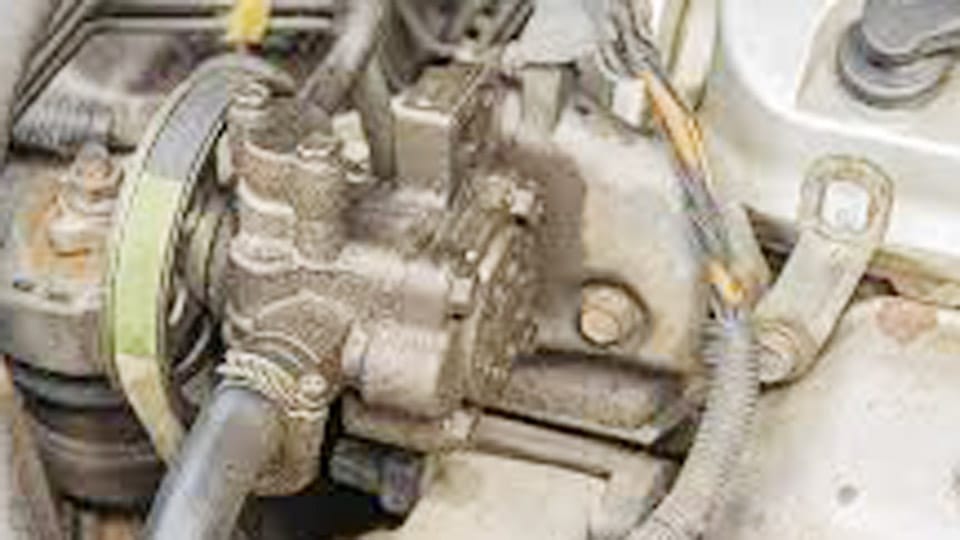
Image by primarycareauto
A bad power steering pump can cause all sorts of issues, but stalling the engine? That’s a bit trickier. Let’s dive in and explore how these two systems might be connected, why it happens, and what you can do about it. Grab a seat—this is going to be an eye-opener!
What Does a Power Steering Pump Do?
The power steering pump is like the muscle behind your car’s steering system, at least in vehicles with hydraulic power steering. It’s a small but mighty component that pushes power steering fluid through the system, helping you turn the steering wheel with ease. Without it, you’d be muscling the wheel like you’re driving a tank.
The pump is driven by a belt connected to your engine, which is key to understanding how it might affect engine performance. If the pump starts acting up, it can put extra strain on the engine or cause other problems. I’ve dealt with a noisy power steering pump before, and let me tell you, it’s not just annoying—it can signal bigger trouble brewing. So, how does a bad pump lead to something as serious as an engine stall? Let’s break it down.
How a Bad Power Steering Pump Can Cause Engine Stalling
Here’s the deal: a bad power steering pump can cause your engine to stall, but it’s not the most common culprit. The connection comes down to how the pump interacts with the engine. Since the pump is powered by the engine’s accessory belt (also called the serpentine belt), any issues with the pump can create a ripple effect. Here’s how it might happen:
Seized or Locked-Up Pump
If the power steering pump seizes (stops spinning), it can cause the accessory belt to slip or stop entirely. This puts a heavy load on the engine, especially at low speeds or idle, which can make it stall. I’ve seen this happen in older cars where the pump was on its last legs.
Belt Issues
A failing pump can damage the belt or cause it to slip. If the belt also drives other critical components (like the alternator or water pump), a slip could disrupt the engine’s operation, leading to a stall.
Fluid Leaks
A bad pump might leak power steering fluid onto the belt or other engine parts. This can make the belt slip, reducing the engine’s efficiency and potentially causing a stall.
Overloaded Engine
If the pump is struggling but not fully seized, it can still drag on the engine, especially during sharp turns when the steering system demands more power. This extra load can bog down the engine and cause it to stall, particularly in smaller or underpowered vehicles.
I remember a time when my buddy’s truck stalled while he was making a tight turn in a parking lot. We popped the hood and found a power steering pump that was leaking and making a horrible grinding noise. Replacing it fixed the problem. While it’s not an everyday occurrence, a bad power steering pump can indeed cause engine stalling in certain situations.
Other Reasons Your Engine Might Stall
Before you point the finger at your power steering pump, let’s consider other reasons your engine might be stalling. I’ve chased down plenty of stalling issues, and it’s rarely just one thing. Here are some common culprits:
- Fuel System Problems: A clogged fuel filter, failing fuel pump, or dirty injectors can starve the engine of fuel, causing it to stall.
- Ignition Issues: Faulty spark plugs, ignition coils, or a bad crankshaft sensor can disrupt the engine’s firing, leading to stalls.
- Vacuum Leaks: A leak in the intake system can mess with the air-fuel mix, making the engine stall, especially at idle.
- Alternator Failure: If the alternator isn’t charging the battery properly, the engine’s electrical systems can falter, causing a stall.
- Idle Control Problems: A dirty throttle body or faulty idle air control valve can make the engine stall when you’re stopped.
To help you figure out what’s going on, here’s a table comparing a bad power steering pump to other causes of stalling:
| Cause | Symptoms | When It Happens |
|---|---|---|
| Bad Power Steering Pump | Stalling during turns, whining noise, belt slip | Sharp turns, low speeds, or idle |
| Fuel System Issues | Hesitation, rough running, stalling | Any time, especially under acceleration |
| Ignition Problems | Misfiring, stalling, rough idle | Varies, often at idle or low RPM |
| Vacuum Leaks | Hiss sound, high idle, stalling | Usually at idle or low speeds |
| Alternator Failure | Dim lights, battery warning, stalling | Varies, worsens as battery drains |
This table can help you narrow down the issue. If your engine stalls when you’re turning the wheel and you hear a whining noise, the power steering pump is a good suspect.
Signs of a Bad Power Steering Pump
So, how do you know if your power steering pump is the problem? I’ve learned to spot the signs after dealing with a few failing pumps. Here’s what to look for:
- Whining or Groaning Noise: A bad pump often makes a loud whining sound, especially when you turn the wheel. It’s like the pump is complaining about its job.
- Hard Steering: If the steering wheel feels heavy or stiff, the pump might not be pushing enough fluid.
- Fluid Leaks: Check under your car for red or brown puddles. Power steering fluid leaks are a common sign of a failing pump.
- Belt Slippage: If you hear squealing from the engine bay or notice the belt slipping, the pump could be dragging.
- Stalling During Turns: If the engine stalls or bogs down when you make sharp turns, the pump might be putting too much strain on the engine.
I once ignored a whining noise in my car, thinking it was just “one of those things.” Big mistake. By the time I checked, the pump was leaking, and the belt was starting to fray. Catching these signs early can save you from a stalled engine or worse.
What to Do If You Suspect a Bad Power Steering Pump
If you think your power steering pump is causing the engine to stall, here’s what I’d do:
- Check the Fluid Level: Pop the hood and look at the power steering fluid reservoir. If it’s low, top it off with the right fluid (check your owner’s manual). A low level could mean a leak.
- Inspect for Leaks: Look under the car and around the pump for any signs of fluid. Leaks often show up as wet spots on the pump or hoses.
- Listen for Noises: Turn the steering wheel with the engine running. If you hear whining or grinding, the pump might be failing.
- Check the Belt: Look at the accessory belt for signs of wear, fraying, or slippage. A damaged belt can make the pump act up.
- Test Drive Carefully: If it’s safe, drive slowly and make a few turns. Note if the engine stalls or feels sluggish when you steer.
- Get It Checked: If you’re not sure, take your car to a mechanic. They can test the pump’s pressure and check the belt and other components.
Replacing a power steering pump isn’t cheap—expect to pay $200-$500 with parts and labor, depending on your car. If you’re handy, you can do it yourself, but it’s a messy job with lots of bolts and fluid. I’ve done it once and decided to leave it to the pros after that.
Preventing Power Steering Pump Problems
Nobody wants their engine to stall, so let’s talk about keeping your power steering pump in good shape. Here’s what I do to avoid pump issues:
- Check Fluid Regularly: Make sure the power steering fluid is at the right level and looks clean. Dirty fluid can clog the pump.
- Inspect the Belt: Check the accessory belt for wear every few months. A frayed belt can cause all sorts of problems.
- Listen for Warning Signs: Don’t ignore whining or groaning noises. Catching a failing pump early can prevent bigger issues.
- Drive Smoothly: Avoid sharp, jerky turns that put extra strain on the pump, especially in older cars.
- Regular Maintenance: Have your mechanic check the power steering system during oil changes or tune-ups.
These steps have kept my cars running smoothly for years. I always peek at the fluid and belt when I’m checking my oil—it takes two minutes and can save a lot of trouble.
Why This Matters for Your Safety
A stalling engine isn’t just inconvenient—it’s dangerous. If your engine cuts out in the middle of a busy intersection or on a highway, it could lead to a serious accident. I’ve had an engine stall on me once, and it was terrifying trying to coast to the side of the road. A bad power steering pump might not always cause a stall, but when it does, it’s a wake-up call to get things fixed.
That’s why I’m so passionate about sharing this info. Understanding how your power steering pump works and what to do if it’s failing can keep you safe and confident behind the wheel. Plus, there’s something empowering about knowing your car and fixing problems before they get worse.
Don’t Let a Bad Pump Stall Your Drive
So, can a bad power steering pump cause your engine to stall? Yes, it can, especially if the pump seizes, damages the belt, or puts too much strain on the engine. It’s not the most common reason for stalling, but it’s definitely something to check if you’re noticing hard steering, whining noises, or stalling during turns. By knowing the signs and taking action early, you can keep your car running smoothly and avoid those heart-stopping moments when the engine quits.
FAQs
Can a bad power steering pump cause my engine to stall at idle?
Yes, if the pump is seized or dragging heavily, it can put enough strain on the engine to cause a stall, especially at low RPMs like idle.
How do I know if my power steering pump is failing?
Look for whining noises, hard steering, fluid leaks, or a slipping accessory belt. Stalling during turns is another red flag.
Can low power steering fluid cause the engine to stall?
Not directly, but low fluid can make the pump work harder, potentially causing it to seize or damage the belt, which could lead to a stall.
Is it safe to drive with a bad power steering pump?
It’s risky. A failing pump can make steering difficult and, in rare cases, cause the engine to stall, which could be dangerous in traffic.
How much does it cost to replace a power steering pump?
Replacing a power steering pump typically costs $200-$500, including parts and labor, depending on your vehicle and location.

Hi, I’m Melvin, an automobile engineer with extensive experience in automobile equipment. I currently work for a local automobile firm, where I specialize in the car parts industry. I’ve had the opportunity to collaborate with seasoned inspectors, gaining invaluable hands-on experience that goes beyond just theory.
My passion for automotive care started at a young age, which led me to create CarSpareCare. Through CarSpareCare, I share the knowledge and skills I’ve acquired over the years to help others navigate the world of car maintenance and repairs.
My goal is to provide practical tutorials, essential safety advice, and the latest industry insights so that anyone—whether a beginner or an expert—can confidently tackle their automotive projects.