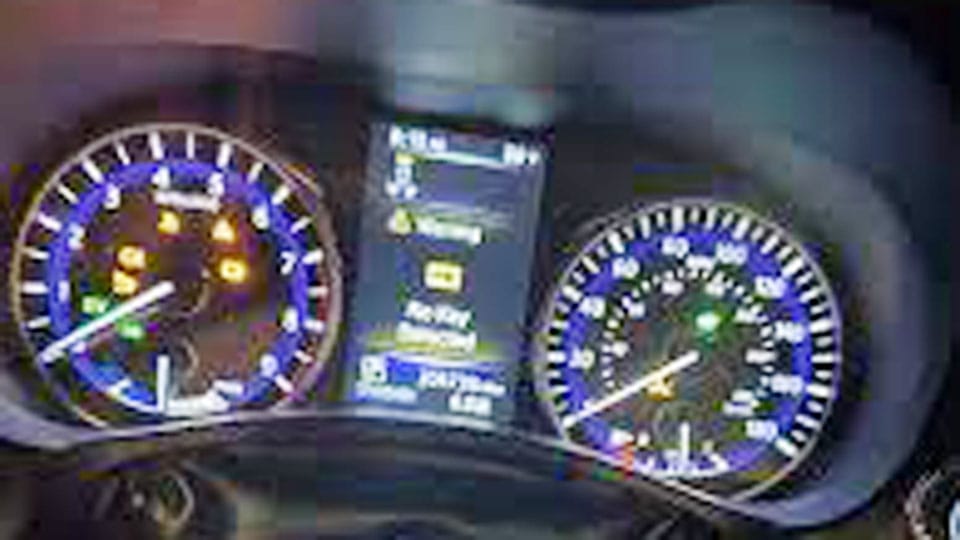
It’s a scorching summer day, you’re stuck in traffic, and your car’s air conditioning is blowing warm air—or worse, not working at all. You start wondering, “Can a low car battery affect the air conditioning?” I’ve been there, sweating it out and scratching my head over this exact issue.
As someone who’s spent years tinkering with cars and troubleshooting all sorts of automotive quirks, I’m excited to share what I’ve learned. A low battery can indeed mess with your AC, and I’m here to explain how, why, and what you can do about it.

Image by cargambia
How Does a Car’s Air Conditioning System Work?
Your car’s air conditioning system is like a mini fridge for your cabin. It uses a compressor, condenser, evaporator, and refrigerant to cool the air. The compressor, which is the heart of the system, is powered by your engine through a belt. When you turn on the AC, an electromagnetic clutch engages the compressor, telling it to start pumping refrigerant.
Here’s where the battery comes in: the AC system relies on electrical components to function. The clutch, blower motor, and control modules all need electricity, which comes from your car’s battery and alternator. If the battery is low, it can struggle to power these parts, leading to weak or no cooling. I’ve seen this happen in my old sedan on a hot day—the AC was barely blowing, and a quick battery check revealed the culprit.
What Does a Low Car Battery Mean?
A low car battery means it doesn’t have enough charge to perform at its best. Think of it like your phone running on 10% battery—it’s sluggish and can’t handle all its tasks. A car battery is typically 12.6 volts when fully charged. If it drops below 12 volts, it’s considered low and may not supply enough power to systems like the AC.
A low battery can happen for a few reasons:
- Age: Batteries last 3-5 years. An old battery loses its ability to hold a charge.
- Parasitic Drain: Leaving lights or electronics on can drain the battery.
- Alternator Issues: If the alternator isn’t charging the battery properly, it’ll run low.
- Extreme Weather: Hot or cold temperatures can weaken a battery over time.
I’ve had a battery go low on me after forgetting to turn off my headlights overnight. The next day, my AC was barely working, and the engine was sluggish. A low battery affects more than just the AC, but cooling is often where you notice it first on a hot day.
How a Low Battery Affects the Air Conditioning
So, can a low car battery really mess with your AC? Absolutely. The air conditioning system needs a steady supply of electricity to run smoothly. A low battery can cause several issues:
Weak Compressor Clutch Engagement
The clutch that turns on the compressor needs enough voltage to engage. A low battery might not provide it, so the compressor won’t kick on, leaving you with no cold air.
Sluggish Blower Motor
The fan that blows air through your vents runs on electricity. If the battery is low, the fan might run weakly or not at all, making the AC feel ineffective.
Control Module Failures
Modern cars use electronic modules to control the AC. A low battery can cause these to malfunction, shutting down the system or making it act erratically.
Voltage Drops
When the battery is low, turning on the AC can pull too much power, causing a voltage drop that affects other systems or stalls the engine.
I remember a road trip where my AC stopped blowing cold air halfway through. A quick stop at an auto shop showed my battery was at 11.8 volts—too low to handle the AC’s demands. Charging it up fixed the problem, and I was back to cruising in comfort.
Other Reasons Your AC Might Not Work
Before you blame the battery, let’s consider other reasons your AC might be on the fritz. I’ve chased down plenty of AC issues, and it’s not always the battery. Here are some common culprits:
- Low Refrigerant: If the system has a leak, refrigerant levels drop, and the AC won’t cool properly.
- Faulty Compressor: A worn-out or seized compressor can’t pump refrigerant, leading to warm air.
- Blown Fuse: A blown fuse in the AC circuit can shut the system down.
- Bad Alternator: If the alternator isn’t charging the battery, the electrical system—including the AC—suffers.
- Clogged Condenser: Dirt or debris can block the condenser, reducing cooling efficiency.
To help you figure it out, here’s a table comparing a low battery to other AC issues:
| Cause | Symptoms | When It Happens |
|---|---|---|
| Low Battery | Weak AC, sluggish fan, dim lights | Worse when engine is idling |
| Low Refrigerant | Warm air, hissing sounds, weak cooling | Constant, regardless of engine load |
| Faulty Compressor | No cooling, loud noises, clutch not engaging | When AC is turned on |
| Blown Fuse | AC completely off, no fan or cooling | Sudden failure |
| Bad Alternator | Weak AC, battery warning light, dim lights | Worsens over time as battery drains |
This table is my go-to for narrowing down AC problems. If your AC is weak and you notice other electrical issues (like dim headlights), a low battery is a likely suspect.
Signs Your Battery Is Affecting the AC
How do you know if a low battery is the problem? I’ve learned to spot the signs after dealing with this issue a few times. Look for these clues:
- Weak or No Cooling: The AC blows warm or barely cool air, especially at idle.
- Sluggish Blower Fan: The fan doesn’t blow as strong as usual, or it cuts in and out.
- Dimming Lights: Headlights or dashboard lights dim when you turn on the AC.
- Slow Engine Cranking: The engine struggles to start, a classic sign of a low battery.
- Electrical Glitches: Other systems, like the radio or power windows, act up when the AC is on.
I had a car where the AC worked fine on the highway but died at stoplights. A quick battery test showed it was barely holding a charge. If you notice these signs, it’s time to check your battery.
How to Test Your Battery
Testing your battery is easier than you might think. I’ve done this enough times to feel like a pro. Here’s how I’d check it:
- Use a Multimeter: Set a multimeter to DC voltage and touch the probes to the battery terminals (red to positive, black to negative). A healthy battery reads 12.6 volts or higher with the engine off.
- Check While Running: Start the engine and test again. It should read 13.5-14.5 volts, showing the alternator is charging.
- Load Test: Auto parts stores like AutoZone can do a load test to see if the battery holds up under stress.
- Visual Inspection: Look for corrosion, loose terminals, or a swollen battery case—signs of trouble.
I keep a cheap multimeter in my toolbox for quick checks. If your battery is below 12 volts or fails a load test, it’s likely affecting your AC and needs replacing.
Fixing a Low Battery to Restore AC Performance
If a low battery is messing with your AC, here’s how I’d fix it:
- Charge the Battery: Use a battery charger to bring it back to full charge. This might restore AC function temporarily.
- Replace the Battery: If it’s old (over 3-5 years) or won’t hold a charge, get a new one. Expect to spend $100-$200 for a quality battery.
- Clean Terminals: Remove corrosion with a wire brush and baking soda solution. Tighten loose connections.
- Test the Alternator: Have a mechanic check the alternator. A bad one will keep draining the battery, even a new one.
- Avoid Draining: Turn off lights, chargers, and electronics when the engine is off to prevent future drains.
I replaced a battery in my SUV last summer after the AC started acting up. It was a quick fix, and the cold air was back in no time. If the AC still doesn’t work after fixing the battery, you might have another issue, like low refrigerant or a bad compressor.
Preventing Battery Issues for Better AC Performance
Nobody wants to sweat through a drive, so let’s talk about keeping your battery healthy. Here’s what I do to avoid low battery problems:
- Regular Testing: Check your battery voltage every 6 months, especially before summer or winter.
- Clean Terminals: Inspect and clean battery terminals during oil changes to prevent corrosion.
- Turn Off Electronics: Don’t leave lights, radio, or chargers on when the engine is off.
- Drive Regularly: Short trips don’t let the battery fully charge. Take longer drives (20+ minutes) weekly.
- Replace on Time: Swap out your battery every 3-5 years, even if it seems fine. It’s cheaper than being stranded.
These habits have kept my cars’ batteries strong, and my AC blowing cold. I always check my battery before a long summer road trip—it’s peace of mind.
Other Electrical Systems Affected by a Low Battery
A low battery doesn’t just hurt the AC—it can mess with other systems too. I’ve seen this in my own cars and helped friends troubleshoot. Here’s what else might act up:
- Starting Issues: The engine cranks slowly or won’t start at all.
- Lighting: Headlights, interior lights, or dashboard lights dim or flicker.
- Audio System: The radio cuts out or resets when you turn on the AC.
- Power Accessories: Windows, locks, or seats move slowly or not at all.
- Engine Performance: A low battery can cause misfires or rough idling in some cars.
If your AC is weak and you’re seeing these issues, the battery is likely the root cause. Fixing it will help everything run better, not just the AC.
When to Call a Professional
Sometimes, a low battery isn’t the only problem, or the fix is more than a DIY job. I know my limits, and here’s when I’d call a pro:
- Alternator Issues: If the battery keeps dying after charging, the alternator might be bad. A mechanic can test and replace it.
- Complex AC Problems: If the battery is fine but the AC still doesn’t work, you might have a refrigerant leak or compressor issue.
- Electrical Diagnostics: If you’re seeing multiple electrical problems, a shop can use advanced tools to find the cause.
- Time or Tools: Changing a battery is easy, but if you don’t have the time or tools, a mechanic can handle it quickly.
I took my car to a shop once when the AC and radio kept cutting out, even with a new battery. Turned out to be a faulty alternator. A pro can save you time and headaches.
Why This Matters for Your Comfort and Safety
A working AC isn’t just about staying cool—it’s about safety and comfort. Driving in extreme heat without AC can lead to fatigue, dehydration, or even heatstroke, especially for kids or elderly passengers. A low battery that kills your AC can also affect other systems, like starting or lighting, leaving you stranded or unsafe. I’ve been stuck in a hot car with no AC, and it’s miserable—you don’t want to go there.
Understanding how a low battery affects your AC empowers you to fix it fast and keep your drives pleasant. Plus, there’s something satisfying about solving a car problem and feeling that blast of cold air again.
Conclusion
So, can a low car battery affect the air conditioning? You bet it can. From weak compressor engagement to sluggish fans, a low battery can turn your cool ride into a sauna. Now you know how to spot the signs, test your battery, and fix the problem. Whether it’s charging the battery, replacing it, or preventing future issues, these tips will keep your AC blowing cold and your drives comfortable.
FAQs
Can a low car battery stop the AC from working completely?
Yes, a low battery might not provide enough power to engage the compressor clutch or run the blower motor, shutting down the AC.
How do I know if my battery is too low for the AC?
Look for weak cooling, a sluggish fan, dimming lights, or slow engine cranking. Test the battery with a multimeter—it should read 12.6 volts or higher.
Will charging my battery fix the AC problem?
If the battery is just low, charging it might restore AC function. If it’s old or damaged, you’ll need to replace it.
Can a bad alternator cause AC issues too?
Yes, a bad alternator fails to charge the battery, leading to low voltage that can weaken or stop the AC.
How often should I replace my car battery to avoid AC problems?
Replace your battery every 3-5 years, or sooner if it shows signs of weakness, like slow cranking or low voltage.

Hi, I’m Melvin, an automobile engineer with extensive experience in automobile equipment. I currently work for a local automobile firm, where I specialize in the car parts industry. I’ve had the opportunity to collaborate with seasoned inspectors, gaining invaluable hands-on experience that goes beyond just theory.
My passion for automotive care started at a young age, which led me to create CarSpareCare. Through CarSpareCare, I share the knowledge and skills I’ve acquired over the years to help others navigate the world of car maintenance and repairs.
My goal is to provide practical tutorials, essential safety advice, and the latest industry insights so that anyone—whether a beginner or an expert—can confidently tackle their automotive projects.