I’ve always believed that taking care of your car doesn’t have to be complicated—or expensive. We spend so much time driving, cleaning, and maintaining our vehicles, yet often overlook simple DIY solutions that work just as well as store-bought products.
One day, while detailing my car in the driveway, I wondered if I could make my own tire shine using something I already had in the kitchen.
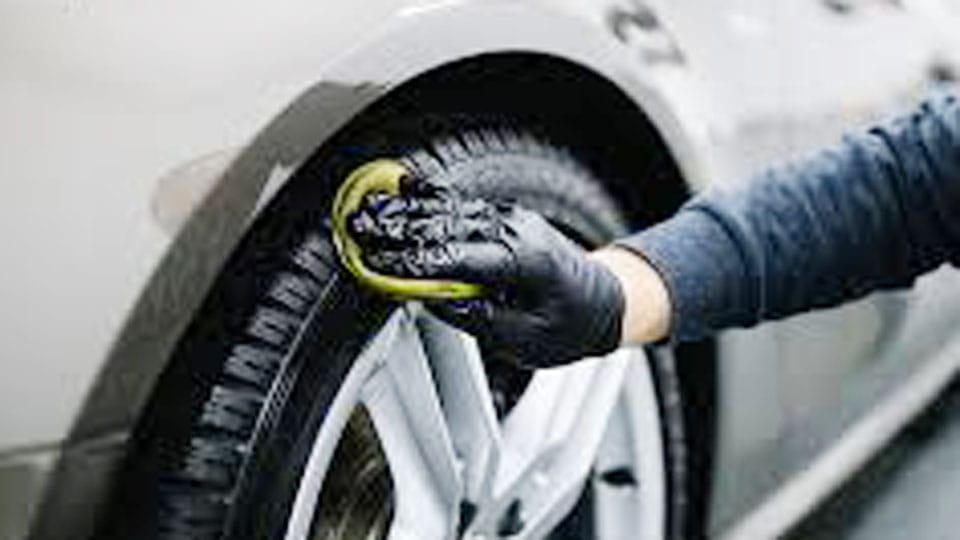
Image by corwheels
That’s when I discovered how well vegetable oil works as a homemade tire shine. It’s simple, safe, and surprisingly effective. And if you’re like me—someone who enjoys finding budget-friendly, eco-conscious car care options—then you’re going to love this idea too.
I’m going to walk you through everything I’ve learned about using vegetable oil to shine your tires. We’ll talk about why it works, how to use it properly, what to avoid, and even how to make your own tire shine recipe at home. You’ll feel confident enough to try it yourself and see just how good your tires can look—naturally.
Why People Use Tire Shine
When you wash your car, your tires often get left out. Sure, they might look clean, but without a shine, they can still appear dull and dry. Tire shine does a few things:
- Makes your tires look deep black and glossy
- Protects the rubber from drying, cracking, and UV rays
- Completes the overall appearance of a freshly detailed car
If you’re heading to a car show, selling your vehicle, or just enjoy a clean ride, shiny tires can make a big difference.
Most people use commercial products for this. They work well, but some of them can be pricey or filled with chemicals that you wouldn’t want touching your skin—or dripping onto your driveway.
That’s where homemade alternatives come in.
Can You Really Use Vegetable Oil on Tires?
Yes, you can—and I’ve done it myself. Vegetable oil works surprisingly well as a DIY tire shine. It brings out that rich, dark color in the rubber and gives it a subtle gloss. It’s completely natural, non-toxic, and something most of us already have in our kitchen cabinet.
It won’t give you that high-gloss “wet look” that some silicone-based tire dressings do, but if you like a clean, natural appearance, it’s a great option.
Pros of Using Vegetable Oil
- Inexpensive and readily available
- Non-toxic and eco-friendly
- Leaves a nice satin finish
- Easy to apply
Cons of Using Vegetable Oil
- Doesn’t last as long as commercial products
- Can attract dust if over-applied
- Needs to be reapplied after rain or washing
Is It Safe for Tires?
This is a question I asked myself before applying it the first time. After doing some research and testing on my own vehicles, I found that vegetable oil is safe for tire rubber when used occasionally and in moderation.
It doesn’t contain harmful solvents, alcohol, or petroleum distillates. But like with any oil-based product, using too much can trap dirt or lead to residue buildup over time.
So the key is to use a light coat and always clean the tire before applying.
How to Make Homemade Tire Shine with Vegetable Oil
Let’s talk about how to actually do it. You can use plain vegetable oil or create a custom blend for even better results.
Here’s my go-to recipe.
Ingredients:
- 1/2 cup vegetable oil (canola, soybean, or corn oil work well)
- 1/4 cup water
- A few drops of lemon juice or white vinegar (optional, helps with cleaning)
- Spray bottle or clean rag
Note: You can also add a few drops of essential oil like tea tree or lemon if you want a pleasant scent.
Tools You’ll Need:
- Microfiber towel or sponge
- Tire brush (for cleaning)
- Spray bottle (optional)
Step-by-Step Instructions:
Clean the Tires First
Always start with clean tires. Use soap and water or a degreaser to remove dirt, grime, and brake dust. Rinse well and let them dry completely.
Mix Your Tire Shine Solution
Combine the vegetable oil, water, and lemon juice or vinegar in a spray bottle. Shake well to mix. If you’re not using a spray bottle, just mix in a bowl and dip your applicator.
Apply the Shine
Spray a light coat onto a microfiber towel or sponge. Gently rub it over the tire sidewalls (avoid the tread). Work it in evenly.
Buff for a Clean Finish
Take a dry towel and lightly buff the tires. This removes excess oil and helps prevent dust attraction.
Let It Sit
Give it 10 to 15 minutes to settle. Then you’re ready to roll!
Tips for Best Results
Over the past few months of trying different combinations, here are a few things I’ve learned:
- Less is more. Don’t over-apply or your tires will feel greasy.
- Avoid tire tread. Only apply to the sidewalls for safety.
- Reapply every 1–2 weeks. Especially if your car is exposed to rain or direct sunlight.
- Store your mixture in a cool place. It can last a couple of weeks in a spray bottle.
Vegetable Oil vs Store-Bought Tire Shine
Let’s compare how homemade tire shine with vegetable oil stacks up against commercial products.
| Feature | Homemade (Vegetable Oil) | Store-Bought Tire Shine |
|---|---|---|
| Cost | Very low | Moderate to high |
| Safety | Non-toxic and natural | May contain chemicals or silicone |
| Environmental Impact | Eco-friendly | Varies by brand |
| Finish | Satin or mild gloss | High gloss or wet look |
| Longevity | Short-term (days to a week) | Long-lasting (up to a few weeks) |
| Application | Easy | Easy to moderate |
If you’re someone who likes natural options and enjoys regular car care, homemade shine might be perfect for you. But if you want a showroom finish that lasts for weeks, a commercial tire shine might still be your go-to.
Can You Use Other Oils?
Vegetable oil isn’t the only natural oil people have tried. I’ve tested a few others myself. Here’s how they compare:
- Olive Oil: Works well but is thicker and more expensive.
- Coconut Oil: Has a strong scent and solidifies in cold weather.
- Baby Oil: Contains mineral oil and can work well but isn’t as natural.
- Castor Oil: Shiny finish but too sticky for my taste.
In my opinion, vegetable oil is the best balance of availability, affordability, and performance.
Common Mistakes to Avoid
When I first started using homemade tire shine, I made a few rookie mistakes. Here are some things to avoid:
- Don’t skip cleaning the tires. Applying oil on a dirty tire traps debris.
- Don’t apply too much. It can become sticky and attract dust.
- Don’t forget to buff. Buffing gives a more natural look and removes residue.
- Don’t expect it to last forever. Reapplication is part of the process.
Taking a few extra minutes to do it right makes all the difference.
How It Performs in Different Weather
Here’s something I tested during a few rainy weeks and summer heatwaves.
In dry weather, vegetable oil holds up nicely for several days. It gives the tires a soft glow and doesn’t attract too much dust if you buff it.
In wet conditions, you’ll notice it fades faster. Rain tends to wash it off quicker than silicone-based dressings. So if you’re expecting bad weather, reapply after the rain clears.
In extreme heat, I didn’t see much issue. As long as the tires are clean and dry before applying, it holds well even on hot pavement.
Who Should Try This Method?
This DIY tire shine is perfect for:
- Car owners who prefer natural products
- People on a budget
- Weekend detailers and hobbyists
- Eco-conscious individuals avoiding chemicals
- Anyone who wants a quick, safe shine between car washes
If that sounds like you, give it a try! It’s satisfying to see your car look great using something from your own kitchen.
Final Thoughts
After using homemade tire shine with vegetable oil for several months now, I can honestly say—it works. It’s simple, safe, and gives your tires that clean, healthy look without spending a dime on expensive products.
Will it replace every commercial tire shine? Probably not. But if you’re someone who values natural alternatives and doesn’t mind reapplying from time to time, it’s a fantastic option.
Just remember to start with clean tires, apply it lightly, and buff it out. You’ll be surprised how good your wheels can look with something as humble as vegetable oil.
It’s one of those little DIY tricks that I’ve come to really enjoy. And I hope it helps you as much as it’s helped me.
FAQs
Can I use vegetable oil on my car tires safely?
Yes, vegetable oil is safe for rubber tires when applied in small amounts and used on clean surfaces. Avoid overuse to prevent residue buildup.
Will vegetable oil make tires slippery?
Not if you apply it properly and only on the sidewalls. Never apply it to the tire tread, as that could reduce traction.
How long does homemade tire shine with vegetable oil last?
It usually lasts for about 3 to 7 days, depending on weather conditions. You may need to reapply after rain or car washes.
Does vegetable oil damage tire rubber over time?
When used occasionally and in moderation, it does not damage the rubber. However, regular cleaning and buffing are important.
Can I use any type of vegetable oil for tire shine?
Yes, most common oils like canola, soybean, or corn oil work well. Olive oil and coconut oil can also be used but may be thicker or more expensive.
How do I store leftover homemade tire shine mix?
Keep it in a spray bottle or sealed container in a cool, dry place. It can last a couple of weeks before needing a fresh batch.
Can I use vegetable oil on other parts of my car?
It’s best used only on tire sidewalls. Avoid using it on paint, glass, or interior materials as it can leave oily residue.

Hi, I’m Melvin, an automobile engineer with extensive experience in automobile equipment. I currently work for a local automobile firm, where I specialize in the car parts industry. I’ve had the opportunity to collaborate with seasoned inspectors, gaining invaluable hands-on experience that goes beyond just theory.
My passion for automotive care started at a young age, which led me to create CarSpareCare. Through CarSpareCare, I share the knowledge and skills I’ve acquired over the years to help others navigate the world of car maintenance and repairs.
My goal is to provide practical tutorials, essential safety advice, and the latest industry insights so that anyone—whether a beginner or an expert—can confidently tackle their automotive projects.