Hey there! If you’re wondering about the cost of changing spark plugs and coils, you’re in the right place. I’ve been down this road myself, digging into the details of car maintenance to keep my vehicle running smoothly. Spark plugs and ignition coils are small but mighty parts of your car’s engine, and replacing them can make a big difference in performance.

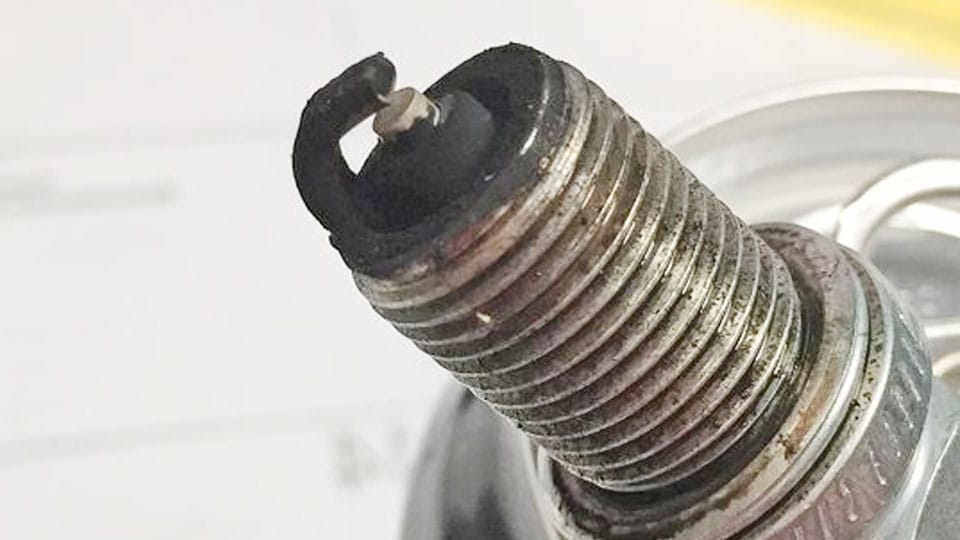
Photo by ifixit
But how much does it really cost? Let’s break it down together in a way that’s easy to understand, whether you’re a car enthusiast or just someone trying to keep their ride reliable. I’ll walk you through everything from costs to signs you need a replacement, so you can feel confident about your next steps.
What Are Spark Plugs and Ignition Coils?
Let’s start with the basics. Spark plugs are tiny components in your car’s engine that create the spark needed to ignite the air-fuel mixture. This spark is what powers your engine and keeps your car moving.
Ignition coils, on the other hand, are like the spark plug’s best friend. They boost the battery’s voltage to create a strong enough spark for the plugs to do their job.
I remember the first time I opened my car’s hood and saw those little spark plugs. They looked so small, but they play a huge role!
If either the spark plugs or coils start failing, you’ll notice your car acting up—think rough idling, poor gas mileage, or even misfires. Replacing them isn’t just about fixing a problem; it’s about keeping your engine happy and efficient.
Why Do Spark Plugs and Coils Need Replacing?
Spark plugs wear out. The electrodes that create the spark erode, and the plugs can get fouled with carbon or oil. Ignition coils can also fail due to heat, vibration, or just age.
When I first noticed my car hesitating during acceleration, I didn’t think much of it. But after some research and a trip to my mechanic, I learned my spark plugs were past their prime.
Most spark plugs last between 30,000 and 100,000 miles, depending on the type—standard copper, platinum, or iridium. Ignition coils typically last longer, around 100,000 miles, but they can fail sooner if there’s an issue like a bad spark plug causing extra strain. Regular maintenance checks can help you catch problems early, saving you money in the long run.
How Much Does It Cost to Replace Spark Plugs?
Now, let’s get to the heart of the question: the cost. The price to replace spark plugs depends on a few factors, like your car’s make and model, the type of spark plugs, and whether you go to a mechanic or do it yourself.
For a professional replacement, you’re looking at $100 to $250 on average for most cars. This includes parts and labor. Basic copper spark plugs are cheaper, costing $5 to $10 each, while premium iridium or platinum plugs can run $20 to $40 each.
Most cars have four to eight spark plugs, so the parts alone can add up. Labor costs vary by location and shop, typically ranging from $50 to $150.
I drive a four-cylinder sedan, and when I had my spark plugs replaced at a local shop, it cost me about $120. My friend with a V8 truck paid closer to $200 because his engine needed eight plugs.
Luxury or high-performance cars, like a BMW or Mustang, can cost more due to pricier parts or trickier access to the engine.
If you’re handy with a wrench, doing it yourself can save you a lot. I’ve tried this once, and while it took me a couple of hours, I only spent about $40 on spark plugs.
You’ll need basic tools like a ratchet, socket, and spark plug socket, plus a little patience. Just be sure to buy the right plugs for your car—check your owner’s manual or ask at an auto parts store.
How Much Does It Cost to Replace Ignition Coils?
Ignition coils are a bit pricier to replace. On average, professional replacement costs $150 to $400 for parts and labor. A single ignition coil typically costs $50 to $100, depending on your car. Most modern cars have one coil per cylinder, so a four-cylinder car needs four coils, while a six-cylinder needs six.
Labor for coil replacement is similar to spark plugs, around $50 to $150, but it can be higher if the coils are hard to reach. For example, my mechanic warned me that some luxury cars or trucks with crowded engine bays can take longer, driving up the cost.
Doing it yourself is an option here too. I haven’t tackled coils myself, but I’ve watched a friend swap one out on his Honda for about $60 in parts.
It’s a bit more involved than spark plugs, as you’ll need to disconnect electrical connectors and sometimes remove other components to get to the coils. If you’re not confident, it’s worth paying a pro to avoid damaging anything.
Here’s a quick cost breakdown for clarity:
| Service | Parts Cost | Labor Cost | Total Cost (Professional) | DIY Cost |
|---|---|---|---|---|
| Spark Plug Replacement | $20–$160 (4–8 plugs) | $50–$150 | $100–$250 | $20–$160 |
| Ignition Coil Replacement | $50–$400 (1–8 coils) | $50–$150 | $150–$400 | $50–$400 |
Factors That Affect the Cost
I’ve learned that several things can make the cost go up or down. Here’s what to watch for:
Car Make and Model
Luxury or performance cars often need pricier parts. My sedan was straightforward, but my cousin’s Audi cost a fortune because of specialized plugs and coils.
Number of Cylinders
More cylinders mean more plugs and coils. A V6 or V8 will cost more than a four-cylinder.
Type of Parts
OEM (original equipment manufacturer) parts are often more expensive than aftermarket ones. I stick with reputable brands like NGK or Bosch for peace of mind.
Labor Rates
Shops in big cities or high-cost areas charge more. My local mechanic in a small town was reasonable, but quotes in nearby cities were 20% higher.
Shop Type
Dealerships charge more than independent shops. Chain shops like Pep Boys or Firestone can be a middle ground.
Additional Repairs
If a bad coil damaged other parts, like the catalytic converter, you might face extra costs. I dodged this bullet, but it’s something to keep in mind.
Signs You Need to Replace Spark Plugs or Coils
How do you know it’s time to replace these parts? I ignored my car’s symptoms for a while, thinking it was just “acting funny,” but here are the red flags I wish I’d known:
- Rough Idling: If your car shakes or vibrates when stopped, it could be a misfiring spark plug or coil.
- Poor Acceleration: My car felt sluggish when I pressed the gas, a classic sign of weak sparks.
- Misfires: You might feel the engine jerk or hear a popping sound. This happened to me on a highway, and it was scary!
- Bad Gas Mileage: Worn plugs or coils make your engine less efficient. I noticed I was filling up more often.
- Check Engine Light: This was my wake-up call. A diagnostic scan at an auto parts store pointed to a bad coil.
If you notice any of these, don’t wait. I learned the hard way that driving with bad plugs can stress your coils and lead to bigger repairs.
Should You Replace Spark Plugs and Coils Together?
This is a question I wrestled with. Many mechanics suggest replacing spark plugs and coils at the same time, especially if one is failing. Why? A bad spark plug can overwork a coil, and a failing coil can damage a new plug. Plus, since the labor involves similar steps, you save money by doing both at once.
When I got my spark plugs replaced, my mechanic checked the coils and said they were fine, so I skipped them. But for older cars or if you’re hitting 100,000 miles, it’s often smart to do both. It’s like changing all the batteries in your smoke detectors at once—better safe than sorry.
Where to Get Spark Plugs and Coils Replaced
You’ve got options for where to get this done. I’ve tried a few, and here’s what I found:
- Dealerships: They’re reliable but pricey. I went to one for a quote, and it was nearly double my local shop.
- Independent Mechanics: My go-to choice. They’re often cheaper and more personal. Just check reviews to find a good one.
- Chain Shops: Places like Jiffy Lube or Midas are convenient and decently priced. I used one when I was in a pinch, and it was fine.
- DIY: If you’re comfortable with basic tools, you can save a lot. I watched YouTube tutorials before trying it, and it wasn’t too bad.
Wherever you go, ask for a breakdown of parts and labor costs upfront. I always feel better when I know exactly what I’m paying for.
Tips to Save Money on Replacement
I’m all about saving a buck without cutting corners. Here are some tricks I’ve picked up:
- Shop Around: Get quotes from a few shops. I saved $50 just by calling around.
- Buy Your Own Parts: Some shops let you bring your own plugs or coils. I got mine from an auto parts store and saved a bit.
- Check for Deals: Chain shops often have coupons online. I found a 10% off deal for my last visit.
- Maintain Regularly: Replacing plugs on schedule prevents coil damage, saving you from bigger bills.
- Learn to DIY: Even if you only do spark plugs, it’s a good skill. I felt like a pro after my first try!
How Often Should You Replace Spark Plugs and Coils?
This depends on your car and driving habits. Most manufacturers recommend replacing spark plugs every 30,000 to 100,000 miles. Check your owner’s manual for specifics—I was surprised to find my car needed plugs every 60,000 miles, not 30,000 like I thought.
Ignition coils don’t have a set replacement schedule, but they often last 100,000 miles or more. If you’re replacing plugs and your car’s high-mileage, it’s worth having the coils tested. I make it a habit to ask my mechanic to check them during tune-ups.
What Happens If You Don’t Replace Them?
Ignoring bad spark plugs or coils is a bad idea. I learned this when my car started misfiring on a road trip. Not only does it make driving unpleasant, but it can lead to:
- Engine Damage: Misfires can harm your pistons or catalytic converter, costing thousands to fix.
- Worse Fuel Economy: I was shocked at how much gas I wasted with bad plugs.
- Stranded on the Road: A failed coil can leave you stuck, like it did to a friend of mine.
- Emissions Issues: Faulty plugs can make your car fail an emissions test, which happened to me once.
Trust me, spending a couple hundred bucks now is better than a massive repair bill later.
Conclusion
Figuring out how much it costs to change spark plugs and coils doesn’t have to be overwhelming. Whether you’re paying a mechanic or rolling up your sleeves to do it yourself, the key is understanding what’s involved and why it matters. I’ve been through this process a few times, and each time, I feel more confident keeping my car in top shape.
By replacing spark plugs and coils when needed, you’re not just fixing a problem—you’re investing in your car’s performance, fuel efficiency, and longevity. So, next time your engine feels off or that check engine light pops on, don’t stress. Use this guide, get a quote, and take care of your ride. You’ve got this!
FAQs
How do I know if my spark plugs need replacing?
You’ll notice signs like rough idling, sluggish acceleration, misfires, or poor gas mileage. A check engine light is a big clue too. Get a diagnostic scan to confirm.
Can I drive with a bad ignition coil?
It’s not a good idea. A bad coil can cause misfires, damage your engine, or leave you stranded. Get it fixed as soon as you can.
Are expensive spark plugs worth it?
Premium plugs like iridium or platinum last longer, so they can save money over time. For my car, I found mid-range plugs worked just fine.
How long does it take to replace spark plugs and coils?
A mechanic can do it in 1–2 hours, depending on your car. DIY might take longer if you’re new to it, like it did for me.
Can I replace just one spark plug or coil?
You can, but it’s better to replace all plugs at once for even performance. Coils can be done individually, but check the others if one fails.

Hi, I’m Melvin, an automobile engineer with extensive experience in automobile equipment. I currently work for a local automobile firm, where I specialize in the car parts industry. I’ve had the opportunity to collaborate with seasoned inspectors, gaining invaluable hands-on experience that goes beyond just theory.
My passion for automotive care started at a young age, which led me to create CarSpareCare. Through CarSpareCare, I share the knowledge and skills I’ve acquired over the years to help others navigate the world of car maintenance and repairs.
My goal is to provide practical tutorials, essential safety advice, and the latest industry insights so that anyone—whether a beginner or an expert—can confidently tackle their automotive projects.