There’s nothing worse than a rough-running engine. If your car has been misfiring, struggling to start, or lacking power, there’s a good chance your spark plugs and ignition coils need attention.

homedepot
I’ve been there before—dealing with hesitation, poor fuel economy, and that annoying check engine light. Replacing spark plugs and coils is one of the most effective ways to keep your car running smoothly. The best part? You can do it yourself with just a few tools and a little patience.
If you’ve never done this before, don’t worry. I’ll walk you through every step so you can confidently change your spark plugs and coils like a pro.
Signs That Your Spark Plugs and Coils Need to Be Replaced
Before we start, let’s make sure you actually need to change them. Here are some common symptoms of failing spark plugs and ignition coils:
- Rough idle – If your engine shakes while idling, worn-out spark plugs could be the cause.
- Engine misfires – A noticeable hesitation or jerking while driving means the plugs aren’t firing properly.
- Poor fuel efficiency – If your MPG is getting worse, your spark plugs may not be igniting fuel efficiently.
- Difficulty starting the car – If your car struggles to turn over, weak spark plugs or bad coils could be the problem.
- Loss of power – If your acceleration feels sluggish, you might not be getting the proper combustion.
- Check engine light – A misfire will usually trigger a check engine light.
If you’re experiencing any of these issues, it’s time to change your spark plugs and coils.
Tools and Materials You’ll Need
Before you start, gather the necessary tools. Here’s a list of what you’ll need:
Essential Tools
- Socket wrench – To remove the spark plugs and coils.
- Spark plug socket – A special deep socket with a rubber insert to hold the spark plug.
- Torque wrench – Ensures you tighten the plugs to the correct specification.
- Ratchet extension – Helps you reach deep spark plug wells.
- Flathead screwdriver – For disconnecting electrical connectors.
- Dielectric grease – Prevents moisture from affecting the electrical connection.
- Anti-seize compound – Helps prevent the spark plugs from getting stuck in the engine.
Materials
- New spark plugs – Check your owner’s manual for the correct type.
- New ignition coils – If replacing them, get the right ones for your vehicle.
- Compressed air (optional) – To clean around the spark plugs before removing them.
Once you have everything, you’re ready to get started.
Step-by-Step Guide to Changing Spark Plugs and Coils
Prepare Your Car
Start by making sure your engine is completely cool. Working on a hot engine can cause burns and make the job harder.
- Turn off the ignition and remove the key.
- Pop the hood and locate the ignition coils and spark plugs.
- Disconnect the battery to prevent accidental electrical shocks.
Now you’re ready to move on.
Remove the Old Ignition Coils
The ignition coils sit on top of the spark plugs. These are responsible for generating the spark needed for combustion.
- Unplug the electrical connector from each coil. Use a flathead screwdriver if necessary.
- Remove the bolt securing the coil (usually a 10mm bolt).
- Gently pull the coil out. If it’s stuck, twist it slightly while pulling.
- Inspect the coil for damage. If it looks burned, cracked, or discolored, it definitely needs to be replaced.
If you’re replacing your ignition coils, now’s the time to grab the new ones.
Remove the Old Spark Plugs
Now that the coils are out, you can access the spark plugs.
- Use compressed air to clean around the plug wells. This prevents debris from falling into the engine.
- Attach the spark plug socket to your ratchet with an extension.
- Turn counterclockwise to loosen and remove the spark plug.
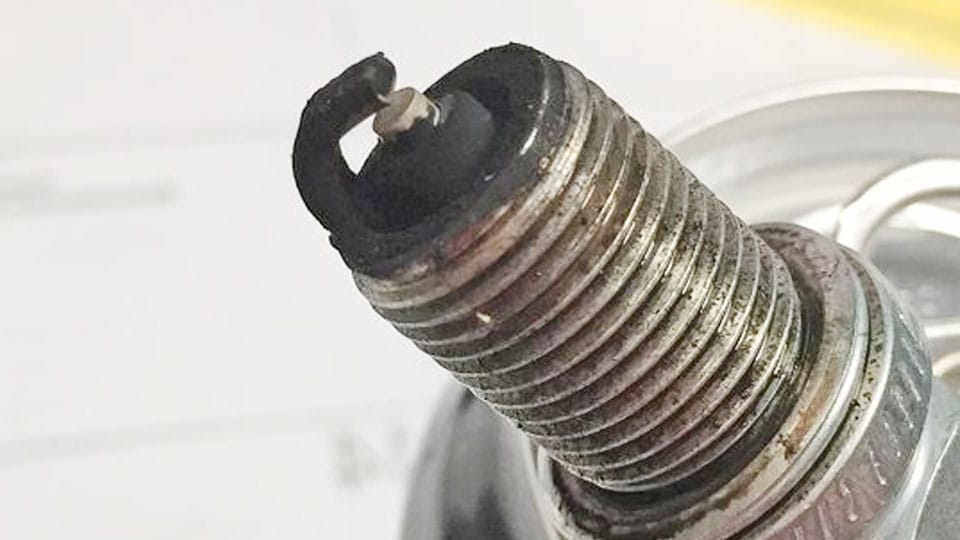
- Inspect the old spark plug. If it’s covered in soot, oil, or corrosion, it was definitely causing problems.
If the spark plug is stuck, don’t force it. Spray a little penetrating oil, wait a few minutes, and then try again.
Install the New Spark Plugs
Before installing the new plugs, apply a tiny amount of anti-seize compound to the threads. This helps prevent them from seizing up in the engine.
- Hand-thread the new spark plug into place. This ensures it goes in straight.
- Tighten it with a torque wrench to the manufacturer’s recommended specification. Overtightening can strip the threads, and undertightening can cause misfires.
- Apply a small amount of dielectric grease to the tip of the spark plug. This helps improve electrical conductivity and prevents moisture buildup.
Now the spark plugs are in place, and you’re almost done!
Install the New Ignition Coils
- Insert the new ignition coil onto each spark plug. Make sure it sits firmly in place.
- Secure the coil with its bolt and tighten it snugly.
- Reconnect the electrical connector by snapping it back into place.
Repeat this process for each coil.
Reconnect the Battery and Test the Car
Now that everything is installed, reconnect the car battery and start the engine. Listen for a smooth idle and check for any warning lights.
If the engine runs smoothly, you’ve successfully changed your spark plugs and coils!
How Often Should You Change Spark Plugs and Coils?
The lifespan of spark plugs and coils depends on the type of plugs and driving conditions. Here’s a general guide:
| Spark Plug Type | Average Lifespan |
|---|---|
| Copper Plugs | 20,000–30,000 miles |
| Platinum Plugs | 50,000–60,000 miles |
| Iridium Plugs | 80,000–100,000 miles |
| Ignition Coils | 80,000–120,000 miles |
Always refer to your owner’s manual for specific recommendations.
Tips for a Successful Spark Plug and Coil Replacement
- Always replace all spark plugs at the same time. Changing just one can cause uneven engine performance.
- Be gentle with the ignition coils. They are delicate and can crack easily.
- Use the correct spark plug gap. Some plugs come pre-gapped, but always double-check with a gap gauge.
- Keep your engine bay clean. Dirt and debris can fall into the engine if you’re not careful.
FAQs
What happens if I don’t change my spark plugs?
Old spark plugs can cause misfires, poor fuel efficiency, and engine damage over time.
Can I replace just one ignition coil?
Yes, but it’s better to replace all of them at once for balanced performance.
How do I know if my ignition coil is bad?
Symptoms include misfires, rough idling, poor acceleration, and a check engine light.
Should I disconnect the battery before changing spark plugs?
Yes, this prevents accidental electrical shocks or damage to the ignition system.
Can I use any spark plugs for my car?
No, always use the manufacturer-recommended spark plugs for the best performance.
Conclusion
Changing your spark plugs and ignition coils is one of the easiest ways to keep your engine running smoothly. If your car has been misfiring, idling roughly, or losing power, replacing these components can make a huge difference.
With a few tools and some patience, you can save money on labor costs and improve your car’s performance. Plus, nothing feels better than knowing you fixed your own vehicle.

Hi, I’m Melvin, an automobile engineer with extensive experience in automobile equipment. I currently work for a local automobile firm, where I specialize in the car parts industry. I’ve had the opportunity to collaborate with seasoned inspectors, gaining invaluable hands-on experience that goes beyond just theory.
My passion for automotive care started at a young age, which led me to create CarSpareCare. Through CarSpareCare, I share the knowledge and skills I’ve acquired over the years to help others navigate the world of car maintenance and repairs.
My goal is to provide practical tutorials, essential safety advice, and the latest industry insights so that anyone—whether a beginner or an expert—can confidently tackle their automotive projects.