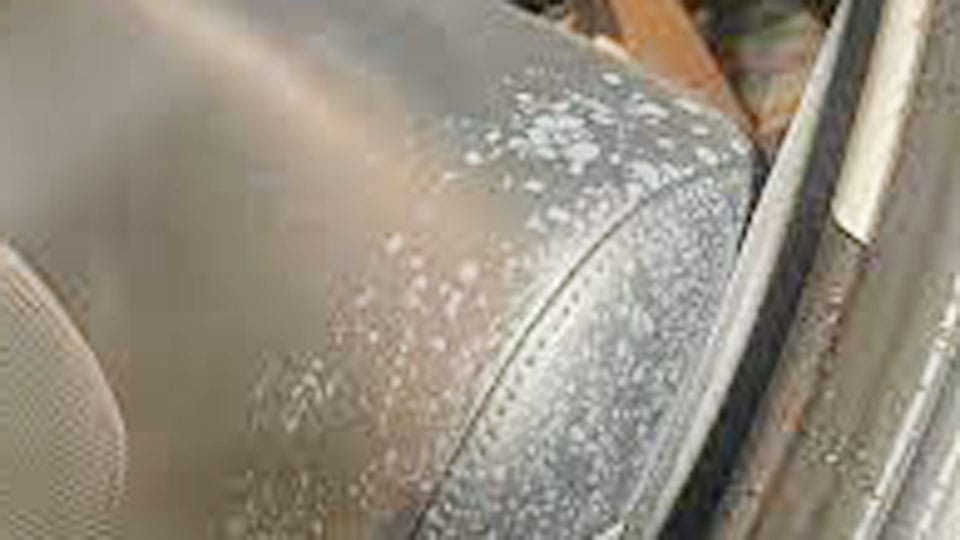
Have you ever hopped out of your car after a beach day or a sunny drive, only to notice stubborn white streaks on your car’s door panels, seats, or dashboard? That’s likely mineral sunscreen, and it can be quite a nuisance. Don’t worry, though! These marks are usually not permanent and can be cleaned up with a few simple steps.
Mineral sunscreens, often praised for being gentle on the skin and the environment, can unfortunately leave behind a powdery residue. This residue can easily transfer to surfaces in your car, especially if it’s tinted or you’ve applied it generously. The good news is you don’t need fancy tools or harsh chemicals to tackle it. We’ll walk you through a safe and effective way to get your car’s interior looking clean again.
This guide will show you exactly what you need and how to use it. We’ll cover everything from the best cleaning solutions to the technique that will leave your car’s interior spotless without causing any damage. Let’s get your car looking fresh and clean!
Why Mineral Sunscreen Leaves Marks in Your Car
Mineral sunscreens work by creating a physical barrier on your skin. They contain mineral ingredients like zinc oxide and titanium dioxide, which sit on top of the skin and reflect UV rays. While great for protecting us, these minerals are in a fine powder form. When this powder comes into contact with your car’s interior surfaces, it can adhere to them.
Think of it like chalk dust or fine powder getting on a surface. If the sunscreen is applied thickly, the powder concentration is higher, making it more likely to transfer and leave visible white or grayish marks. These marks are especially noticeable on darker interiors. Factors like friction from clothing, leaning on surfaces, or even just air currents can help the sunscreen powder spread and embed itself on your dashboard, seats, door panels, and center console.
What You’ll Need: Simple Tools for a Clean Interior
You probably already have most of these items at home! Having the right tools makes the job much easier and more effective. Safety and gentle cleaning are key here, so we’re sticking to mild options.
Here’s a quick checklist:
Microfiber Cloths: These are your best friends for cleaning car interiors. They are soft, absorbent, and won’t scratch surfaces like regular towels might. Have at least two clean ones on hand – one for cleaning and one for drying/buffing. For tough sunscreen marks, having an extra for rinsing is helpful.
Mild Interior Cleaner or DIY Solution:
Option 1: Dedicated Auto Interior Cleaner: Look for a pH-neutral cleaner specifically designed for car interiors. These are formulated to be safe for various surfaces like plastic, vinyl, and upholstery. Always follow the product’s instructions.
Option 2: Gentle Soap and Water: A few drops of mild dish soap (avoid anything too harsh or abrasive) mixed with lukewarm water create a simple yet effective cleaning solution. About a teaspoon of soap in a spray bottle filled with water should do the trick.
Spray Bottle (if using DIY solution): For even application of your soap and water mix.
Clean Water: For rinsing. A separate damp microfiber cloth is ideal.
Optional: Soft Bristle Brush: For very stubborn or ground-in residue. A clean paintbrush or a dedicated interior detailing brush works well.
Optional: All-Purpose Cleaner (less concentrated): If you have a tougher stain on a non-sensitive surface like a plastic trim piece, a very diluted all-purpose cleaner might be considered, but always test in an inconspicuous area first.
Using the right materials ensures you clean effectively without damaging your car’s sensitive interior components. We’re aiming for a clean finish without any streaks or dullness.
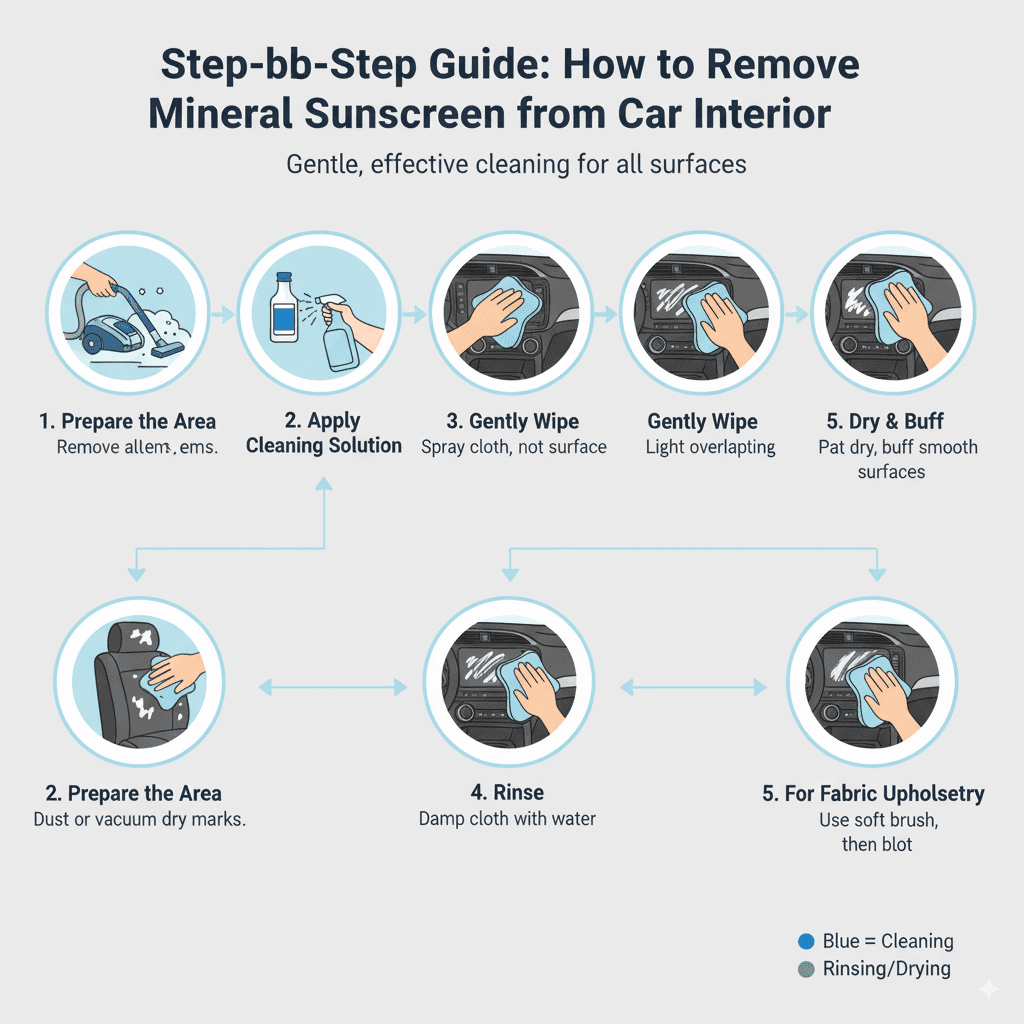
Step-by-Step Guide: How to Remove Mineral Sunscreen from Car Interior
Cleaning sunscreen marks from your car’s interior is a straightforward process. We’ll break it down into simple, easy-to-follow steps. The key is to be gentle and patient.
Step 1: Prepare the Area
First, assess the affected area. Are the marks on leather seats, fabric upholstery, plastic trim, or the dashboard? Knowing the material helps you choose the best approach.
If the sunscreen is dry and powdery, you might be able to remove some of it by gently dusting or vacuuming the area with a soft brush attachment. Be careful not to rub it in more.
Step 2: Apply Your Cleaning Solution
Now, it’s time to clean.
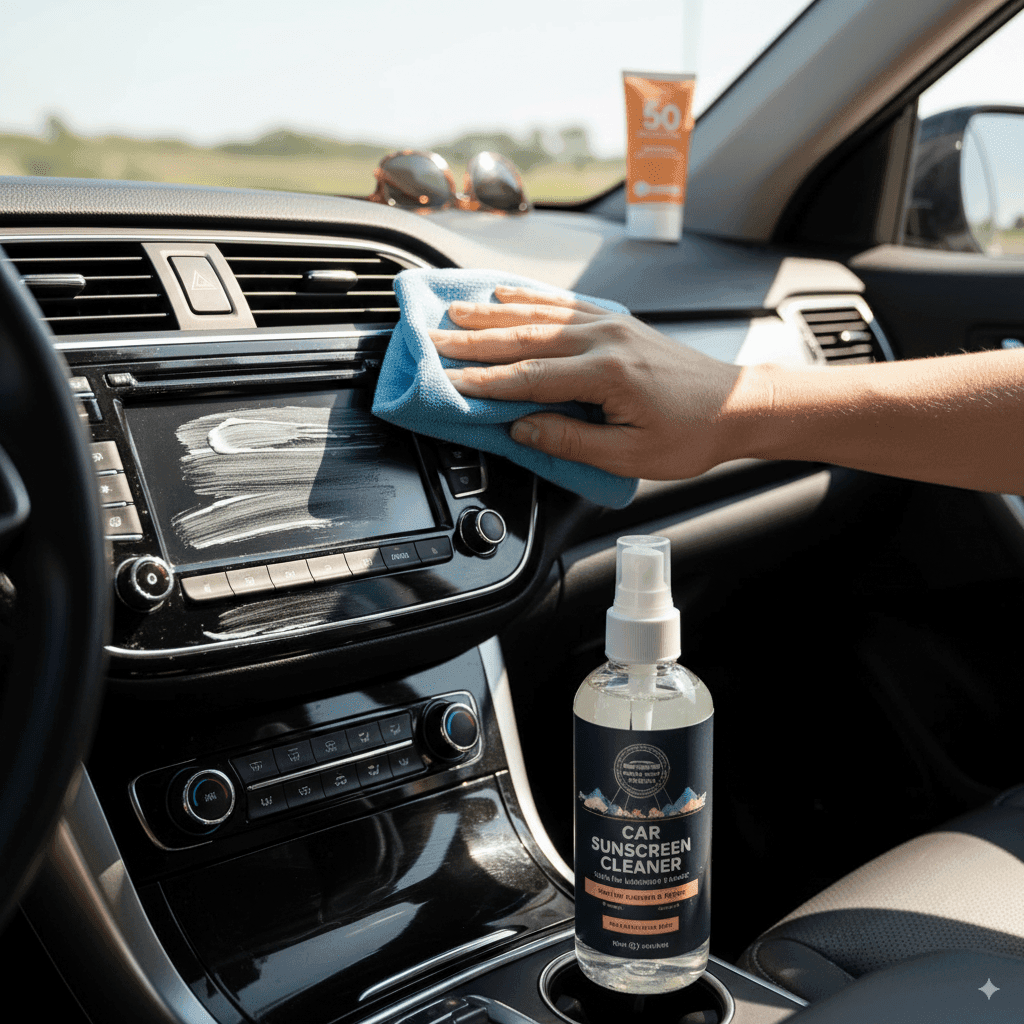
For dedicated auto interior cleaners: Lightly spray the cleaner onto a clean microfiber cloth, not directly onto the surface. This prevents oversaturation, which can be an issue, especially on electronics or delicate materials.
For the soap and water solution: If using a spray bottle, lightly mist the affected area with your soap and water mixture. Alternatively, you can dampen your microfiber cloth with the solution. Again, avoid soaking the surface.
For sensitive surfaces like unprotected leather or certain types of fabric, always start with the least amount of liquid and the mildest cleaning agent.
Step 3: Gently Wipe Away the Sunscreen
Using your dampened microfiber cloth, gently wipe the area with the sunscreen marks. Work in small sections and use light, overlapping strokes. Avoid scrubbing aggressively, as this can push the sunscreen further into the material or cause discoloration.
For smooth surfaces (plastic, vinyl, modern leather): Gentle wiping should be enough to lift the residue. You might need to go over the area a few times, using a clean section of the cloth each time.
For fabric upholstery: Blot or gently wipe. If the sunscreen is deeply embedded, you might use a soft bristle brush to lightly agitate the fibers after applying the cleaner, but do this very gently.
For more robust materials: If you encounter a particularly stubborn mark, you can try applying a tiny bit more cleaner to your cloth or a soft brush and work it in gently.
As you wipe, you should see the white sunscreen marks begin to disappear on your cloth. This indicates the cleaner is working.
Step 4: Rinse the Area
After cleaning, it’s important to remove any residual cleaner and sunscreen.
Take a second, clean microfiber cloth and dampen it lightly with plain water.
Gently wipe down the area you just cleaned. This “rinses” the surface, removing any soap residue that could attract more dirt or leave streaks.
Again, avoid soaking the material. A damp cloth is all you need.
Step 5: Dry and Buff
The final step is to dry the area thoroughly.
Use a third, clean, and dry microfiber cloth.
Gently pat the area dry.
For smooth surfaces like plastic or vinyl, you can lightly buff the area to restore its sheen and ensure no water spots remain. For upholstery, just ensure it’s dry to the touch.
Ensure the area is completely dry before using the car as usual or applying any protective products. This prevents new marks from forming and leaves your interior looking immaculate.
Targeting Specific Interior Surfaces
Mineral sunscreen can end up on various parts of your car’s interior, and each surface might require a slightly different touch. Here’s how to adapt the general steps:
Plastic and Vinyl Trim (Dashboard, Door Panels, Center Console)
These surfaces are generally quite forgiving. You can use your mild interior cleaner or the soap and water solution.
Cleaning: Spray the cleaner onto your microfiber cloth and wipe. If marks are stubborn, a very gentle scrub with the cloth might be needed.
Rinsing: Wipe with a damp cloth.
Drying/Finishing: Dry with a clean microfiber cloth. For a bit of shine, you can use a very small amount of an interior protectant specifically designed for your car’s plastic/vinyl after it’s completely dry. This can also help prevent future marks from sticking as easily. Always choose a matte or satin finish if you don’t want a greasy look.
Leather Seats and Upholstery
Leather requires more care. Harsh cleaners or excessive water can damage the material, leading to drying, cracking, or discoloration.
Cleaning: Lightly dampen a microfiber cloth with your mild cleaning solution. For leather, it’s often best to use an automotive-specific leather cleaner. If using DIY, ensure the soap is very mild and well-diluted. Wipe gently in the direction of the leather grain, if applicable. Avoid scrubbing. You may need to repeat this process with clean sections of the cloth.
Rinsing: Use a separate, slightly damp cloth to wipe away any residue.
Drying: Pat dry with a clean, dry microfiber cloth.
Protection: Once completely dry, it’s highly recommended to apply a leather conditioner. This replenishes moisture and protects the leather, making it more resistant to future stains and damage. Always test conditioners in an inconspicuous area first.
Fabric Seats and Upholstery
Fabric can absorb liquids, so moderation is key to avoid water spots or prolonged dampness, which can lead to mildew.
Cleaning: Lightly spray the fabric cleaner or your DIY solution onto the fabric, or dampen your microfiber cloth. Gently blot or wipe the stained area. If the sunscreen is deeply embedded, use a soft-bristle brush (like a detailing brush or even an old, clean toothbrush) to gently agitate the fibers after applying the cleaner. Work from the outside of the stain inward to prevent spreading.
Rinsing: Use a clean cloth dampened with water to blot the area and remove cleaner. Blotting is generally better than rubbing on fabric.
Drying: Blot up as much moisture as possible with a dry microfiber towel. You can also leave the car doors open in a well-ventilated area to air dry faster. A fan can also help. Avoid using heat, as it can sometimes set stains.
Carpet Mats
Carpet mats are often the most abused surfaces and can handle a bit more robust cleaning.
Cleaning: You can use your mild interior cleaner or soap and water. For carpet, it’s often effective to spray the area directly, let it sit for a minute, and then gently scrub with a soft brush. A dedicated carpet cleaner might also be used here.
Rinsing: Thoroughly rinse the area by wiping with a damp cloth or, if the mats are removable, rinse with a hose.
Drying: Ensure the mats are completely dry before putting them back in the car. This is crucial for preventing mold and mildew growth. Wring out removable mats as much as possible and let them air dry in the sun or a well-ventilated area.
Remember to always test your cleaning solution in an inconspicuous spot first, no matter the surface. This ensures it won’t cause any unexpected discoloration or damage.
Troubleshooting Stubborn Sunscreen Marks
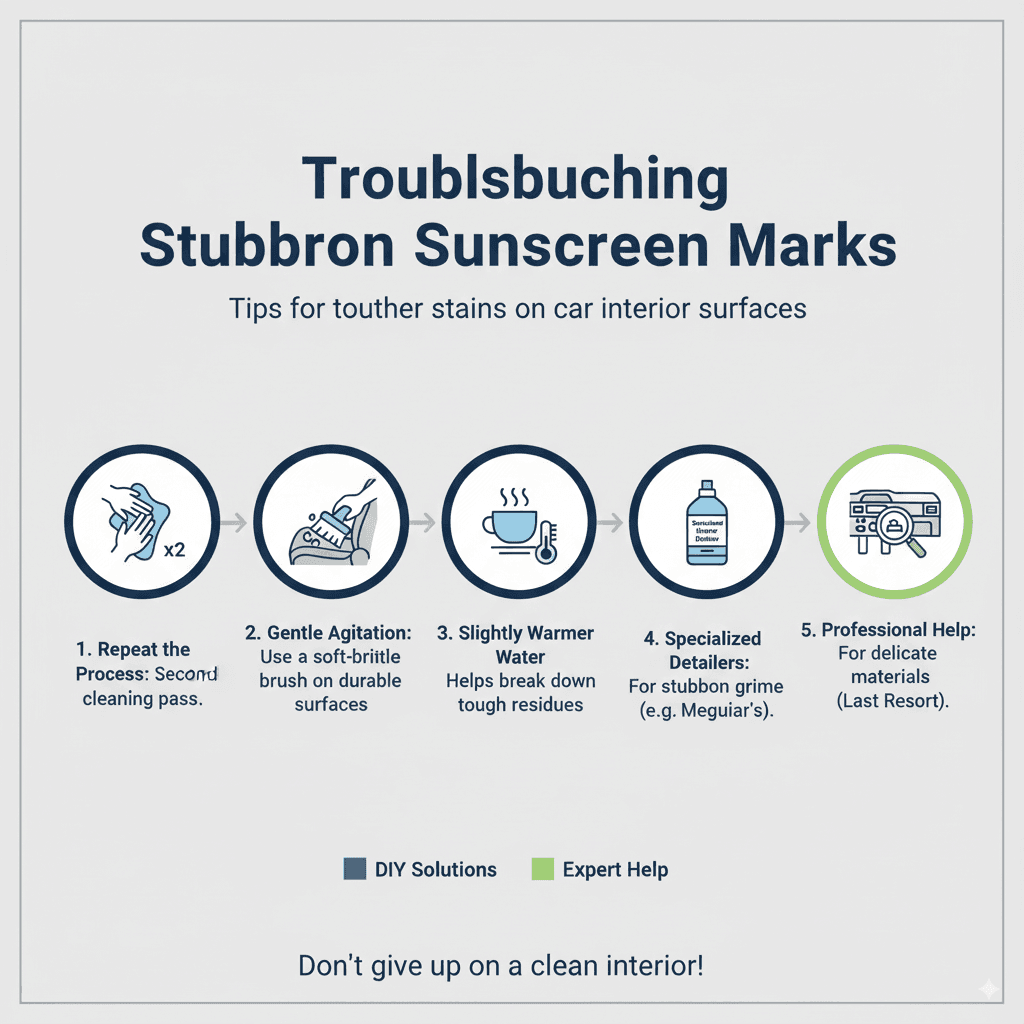
Sometimes, sunscreen marks are more persistent. This can happen if the sunscreen has been baked into the surface by the sun or if it’s an older, dried-out residue. Here are a few tips for those tougher spots:
1.
Repeat the Process: Often, a second gentle cleaning pass is all that’s needed. Don’t be discouraged if it doesn’t all come off the first time.
2. Gentle Agitation: For very stubborn residues on durable surfaces like plastic or robust vinyl, a soft-bristle brush can be very effective. After applying your cleaner, gently agitate the area with the brush. Follow up with wiping, rinsing, and drying.
3. Slightly Warmer Water: For some cleaning tasks, slightly warmer water (not hot!) can sometimes help break down residues more effectively. Ensure it’s still just warm to the touch and safe for your car’s interior materials.
4. Specialized Interior Detailers: If standard methods fail, you might consider referring to specialized automotive detailing products. Some all-purpose interior detailers are designed to tackle tougher grime and residue, but always ensure they are safe for your specific interior materials. Read reviews and product descriptions carefully. You can find resources on reputable detailing forums or manufacturer websites. For example, Meguiar’s offers a range of interior cleaners suitable for various surfaces.
5. Consider Professional Help (Last Resort): If you’ve tried everything and the stains are still prominent, especially on delicate materials like Alcantara or premium leather, it might be time to consult a professional auto detailer. They have specialized tools and knowledge to handle difficult stains without damaging your car’s interior.
Always remember patience and gentleness are your best approaches. Harsh scrubbing or strong chemicals can cause more damage than the sunscreen stain itself.
Preventing Sunscreen Marks in the Future
Prevention is always easier than cure! Here are some ideas to keep your car’s interior spotless from sunscreen:
Wipe Hands Before Driving: A simple habit can make a significant difference. Always wipe off excess sunscreen from your hands onto a towel or a designated cloth before you get back into your car.
Apply Sunscreen Away from the Car: If possible, apply sunscreen while you’re already outside or at home, and let it absorb for a few minutes before getting into your vehicle.
Use a Dedicated Towel: Keep an old towel or a microfiber cloth in your car specifically for wiping down surfaces after applying sunscreen or for cleaning up minor messes.
Consider Lower-SPF or Different Formulas: Some sunscreen formulations might be less prone to leaving residue. While mineral sunscreens are great for your skin, experiment with brands or application techniques to see if some leave less trace.
Protect Surfaces: For periods of intense sun exposure or frequent beach trips, consider using temporary seat covers or steering wheel covers, especially on dark or sensitive interiors.
Regular Interior Cleaning: Keeping your car’s interior clean generally makes it harder for residues like sunscreen to build up and become stubborn stains. A quick wipe-down every week or two can go a long way.
By incorporating these preventative measures, you can significantly reduce the chances of dealing with sunscreen marks in your car moving forward, keeping your interior looking great for longer.
Frequently Asked Questions (FAQ)
Q1: Can I use baby wipes to remove sunscreen from my car interior?
A1: Baby wipes can be effective for light sunscreen marks on certain surfaces like plastic or vinyl, as they contain mild cleaning agents. However, avoid using them on leather, as they can dry out the material or leave a residue. Always test in an inconspicuous area first, and follow up with a proper interior cleaner or conditioner if needed.
Q2: Will window cleaner work on sunscreen stains?
A2: It’s generally not recommended to use window cleaner on your car’s interior surfaces. Window cleaners are designed for glass and can contain ammonia or alcohol, which can dry out, discolor, or damage plastics, vinyl, and leather upholstery. Stick to products specifically made for automotive interiors.
Q3: How can I tell if I have a mineral or chemical sunscreen stain?
A3: Mineral sunscreens (zinc oxide, titanium dioxide) typically leave a white or grayish powdery residue. Chemical sunscreens are absorbed into the skin and are less likely to leave visible marks, though they can sometimes leave an oily residue. The white, chalky appearance is a strong indicator of mineral sunscreen.
Q4: Is it safe to use dish soap on my car’s leather seats?
A4: A very small amount of mild dish soap diluted heavily in water can be used as a last resort on leather, but it’s not ideal. Dish soap can strip natural oils from leather, leading to dryness and cracking. It’s much safer to use a cleaner specifically designed for automotive leather. If you must use dish soap, ensure it’s thoroughly rinsed and followed immediately by a good leather conditioner.
Q5: My car interior is white. Will sunscreen stains be visible?
A5: Yes, sunscreen stains can be visible on white interiors, often appearing as slightly off-white or grayish marks depending on the sunscreen’s properties and how it has interacted with the material. The cleaning methods described above are still effective for removing these marks from white surfaces.
Q6: What is the best way to clean sunscreen off a car’s navigation screen or infotainment system?
A6: For sensitive electronic screens, use a cleaner specifically designed for electronics screens or a slightly damp microfiber cloth with plain water. Never spray cleaner directly onto the screen. Gently wipe the screen, and then dry it with a clean, dry microfiber cloth. Avoid abrasive materials or harsh chemicals entirely.
Q7: How long should I let my car’s interior dry after cleaning?
A7:For most interior surfaces like plastic and vinyl, they should feel dry to the touch within minutes. For fabric or leather, allow them to air dry completely, which might take an hour or two depending on humidity and ventilation. Driving with damp seats can lead to mildew and unpleasant odors, so ensure everything is thoroughly dry before using the vehicle extensively.
Conclusion
Dealing with those stubborn white streaks from mineral sunscreen in your car doesn’t have to be a headache. By following these simple, step-by-step instructions, using the right gentle materials, and being patient, you can successfully restore your car’s interior to its clean, pristine condition. Remember, a combination of a mild cleaner, a soft microfiber cloth, and a bit of gentle effort is usually all it takes.
We’ve covered cleaning techniques for various surfaces – from durable plastic and vinyl to delicate leather and absorbent fabric. Plus, we’ve shared handy tips for tackling those tougher stains and proactive measures to prevent them from happening again. Now you have the confidence and the know-how to handle sunscreen mishaps like a pro!
So, next time you see those unwelcome white marks, don’t fret. Grab your microfiber cloths and your chosen cleaner, and tackle the problem head-on. Your car’s interior will thank you for it, looking fresh and clean for your next drive. Happy cleaning!

Hi, I’m Melvin, an automobile engineer with extensive experience in automobile equipment. I currently work for a local automobile firm, where I specialize in the car parts industry. I’ve had the opportunity to collaborate with seasoned inspectors, gaining invaluable hands-on experience that goes beyond just theory.
My passion for automotive care started at a young age, which led me to create CarSpareCare. Through CarSpareCare, I share the knowledge and skills I’ve acquired over the years to help others navigate the world of car maintenance and repairs.
My goal is to provide practical tutorials, essential safety advice, and the latest industry insights so that anyone—whether a beginner or an expert—can confidently tackle their automotive projects.