Have you ever turned your car’s steering wheel and heard a weird whining noise, only to pop the hood and find your power steering fluid looking like a bubbly milkshake? I’ve been there, staring into my old sedan’s reservoir, wondering why the fluid was foaming and what to do about it.
If you’re asking, “How do I stop power steering fluid from foaming?” you’re in the right place. I’ve spent hours in my garage, talking to mechanics, and digging into this issue to figure out what causes it and how to fix it. I’m thrilled to share everything I’ve learned to help you keep your steering smooth and quiet.
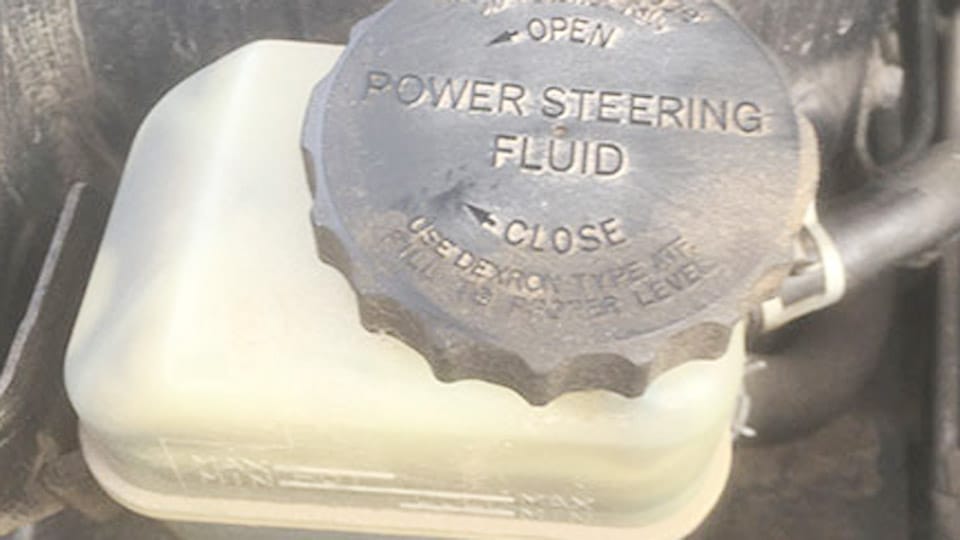
Image by amsoil
What Is Power Steering Fluid Foaming?
Power steering fluid foaming happens when air gets mixed into the fluid, creating bubbles or foam. This fluid is supposed to be a smooth liquid that lubricates and powers your steering system. When it foams, it’s like shaking a soda can—air gets trapped, and things don’t work right.
I first noticed foaming in my car’s reservoir after a long drive. The fluid looked frothy, and the steering felt a bit jerky. Foaming reduces the fluid’s ability to transfer power, causing noises, stiff steering, or even pump damage. Understanding why it happens is the key to stopping it, so let’s dive into the causes this bubbly trouble.
Why Does Power Steering Fluid Foam?
Foaming doesn’t just appear out of nowhere—I’ve learned there are specific reasons it happens. Here’s what I found:
- Air Leaks: Tiny cracks in hoses or loose fittings let air sneak into the system.
- Low Fluid Levels: If the fluid’s too low, the pump sucks in air, creating foam.
- Wrong Fluid Type: Using the wrong fluid can cause chemical reactions or poor performance, leading to bubbles.
- Overfilled Reservoir: Too much fluid can churn and foam, especially at high speeds.
- Worn Pump: A failing power steering pump can agitate fluid, mixing in air.
- Contaminated Fluid: Dirt, water, or old fluid can make foaming worse.
- High Operating Temperatures: Hot fluid is more likely to foam under pressure.
I had a hose leak on my sedan that let air in, and the fluid foamed like crazy. Each cause needs a different fix, so let’s break down how to spot and solve the problem.
Signs of Foaming Power Steering Fluid
How do you know your fluid’s foaming? I’ve seen these signs in my car and others. Keep an eye out for:
- Whining or Groaning: A high-pitched noise when turning the wheel, especially at low speeds.
- Frothy Fluid: Check the reservoir—bubbly or milky fluid is a dead giveaway.
- Jerky Steering: The wheel feels stiff or jumps during turns.
- Low Fluid Levels: The reservoir might be below the “min” mark.
- Burning Smell: Overheated fluid can smell burnt due to foaming stress.
- Vibrations: You might feel shakes in the steering wheel from pump strain.
I noticed the whining in my car during a tight parking maneuver—it was loud enough to turn heads! If you see these signs, it’s time to act before the problem damages your pump or steering rack.
First Steps to Address Foaming
When you spot foaming, don’t panic—I’ve been there, and a calm approach works best. Here’s what I do first:
- Check the Reservoir: Pop the hood and look at the fluid. Is it bubbly or low?
- Turn Off the Engine: Let the car sit for 10-15 minutes to settle the fluid.
- Inspect for Leaks: Look under the car for wet spots or dripping fluid.
- Restart and Test: Start the engine and turn the wheel slowly. Does the noise or jerkiness persist?
- Note Conditions: Was it hot out? Did you drive hard? These clues help diagnose the cause.
I let my car sit overnight once, and the foam settled, but the whining came back when I drove. These steps help you figure out if it’s a quick fix or something bigger.
Diagnosing the Cause of Foaming
To stop the foaming, you need to know what’s causing it. I’ve learned to play detective with my car’s steering system. Here’s how I diagnose:
- Check Fluid Level: Use the dipstick or reservoir marks. Low fluid suggests a leak or air ingestion.
- Inspect Fluid Condition: Clear, reddish fluid is good. Milky, dark, or foamy fluid is bad.
- Look for Leaks: Check hoses, fittings, and the pump for wet spots or cracks.
- Test the Pump: Listen for unusual noises when turning the wheel. A grinding sound means pump trouble.
- Examine Hoses: Feel for soft, cracked, or loose hoses that might let air in.
- Verify Fluid Type: Check your owner’s manual—using ATF instead of power steering fluid can cause foam.
I found a tiny crack in a hose on my car that was sucking air. A mechanic friend helped me spot it. If you’re not sure, a shop can use a pressure tester to find leaks or pump issues.
How to Stop Power Steering Fluid from Foaming
Once you know the cause, it’s time to fix it. I’ve tried several methods to stop foaming, and here’s what works:
Fix Air Leaks:
- Tighten loose hose clamps with a screwdriver.
- Replace cracked hoses (about $20-$50 each).
- Check the pump’s O-ring seal for wear and replace if needed.
Correct Fluid Levels:
- Top off low fluid with the right type (check your manual).
- Drain excess fluid with a turkey baster if overfilled.
Use the Right Fluid:
- Drain wrong fluid by siphoning the reservoir and refilling with the correct type.
- Common types include Dexron ATF or specific power steering fluid.
Bleed the System:
- Start the engine and turn the wheel lock-to-lock 5-10 times to push out air.
- Check for bubbles in the reservoir and repeat if needed.
Replace Contaminated Fluid:
- Siphon old fluid and refill with fresh fluid.
- Drive and repeat 2-3 times for a full flush.
Cool the System:
- Let the car rest if overheating caused foaming.
- Check for clogged cooling fins on the pump or lines.
Repair or Replace the Pump:
- If the pump’s faulty, replace it (costs $100-$500, including labor).
I fixed my foaming by replacing a leaky hose and bleeding the system—it took an hour and cost $30. For pump replacements, I’d call a mechanic unless you’re handy with a wrench.
Bleeding the Power Steering System
Bleeding is my favorite fix for foaming—it’s simple and works wonders. I’ve done this on my car and helped a friend with his truck. Here’s how:
- Lift the Front Wheels: Use a jack and jack stands to raise the front end. This makes turning easier.
- Check Fluid Level: Top off the reservoir to the “full” mark with the right fluid.
- Turn the Wheel: Start the engine and slowly turn the steering wheel from full left to full right 5-10 times.
- Look for Bubbles: Check the reservoir. Foam means air—keep turning until it’s clear.
- Top Off Again: Add fluid if the level drops after bleeding.
- Test Drive: Drive slowly, turning the wheel to ensure it’s smooth and quiet.
I bled my system in 15 minutes, and the whining stopped. If bubbles persist, check for leaks or a bad pump. This step is crucial to get air out and stop foaming.
Common Causes and Fixes for Foaming Power Steering Fluid
To make it clear, here’s a table I put together from my experiences:
| Cause | Symptoms | Fix | Cost Estimate |
|---|---|---|---|
| Air Leaks | Whining, frothy fluid | Tighten clamps, replace hoses | $20-$150 |
| Low Fluid | Bubbles, jerky steering | Top off with correct fluid | $10-$20 |
| Wrong Fluid Type | Foaming, poor steering | Drain and refill with proper fluid | $15-$50 |
| Overfilled Reservoir | Churning, foam | Remove excess fluid | $0-$10 |
| Contaminated Fluid | Milky or dark fluid, whining | Flush and replace fluid | $20-$100 |
| Worn Pump | Grinding, persistent foam | Replace pump | $100-$500 |
| Overheating | Burnt smell, temporary foam | Let cool, check cooling system | $0-$200 |
Preventing Power Steering Fluid Foaming
I’ve learned that stopping foaming before it starts saves time and money. Here’s how I keep my system foam-free:
- Check Fluid Regularly: Look at the reservoir monthly. Top off if low and check for bubbles.
- Use the Right Fluid: Always match your car’s recommended fluid type—check the manual or cap.
- Inspect Hoses: Feel for cracks or leaks during oil changes.
- Maintain the Pump: Listen for noises and replace the pump if it’s failing.
- Avoid Overheating: Don’t overwork the steering in tight spaces for long periods.
- Flush Fluid Periodically: Change the fluid every 30,000-50,000 miles or as your manual suggests.
I check my fluid when I check my oil—it’s a 2-minute habit that’s kept foaming away. These steps keep your steering system happy and your wallet safe.
When to Call a Professional
Some foaming fixes are DIY-friendly, but I know when to call a pro. Here’s when I’d get help:
- Persistent Foaming: If bleeding doesn’t stop bubbles, a leak or pump issue needs a mechanic.
- Complex Repairs: Pump or rack replacements require special tools and skills.
- Noisy Pump: Grinding or screeching means it’s time for a shop visit.
- Leaks You Can’t Find: Pros use pressure testers to pinpoint hidden leaks.
- No Time or Tools: If you lack a jack or wrench, a shop’s faster.
I took my car to a shop for a pump check when the whining wouldn’t quit. It cost $300 to replace, but it saved my steering. Expect $100-$500 for professional repairs, depending on the issue.
Tools and Supplies You’ll Need
To tackle foaming yourself, you’ll need a few things. I keep these in my garage for steering jobs:
- Correct Power Steering Fluid: About 1-2 quarts, $10-$20.
- Turkey Baster or Syringe: For siphoning fluid, $5-$10.
- Funnel: To pour fluid cleanly, $2-$5.
- Jack and Jack Stands: For lifting the car, $50-$150 if you don’t own them.
- Wrenches or Pliers: For hose clamps, $10-$20.
- Rags or Shop Towels: For spills, $5.
- Gloves: To keep hands clean, $5.
- Drain Pan: To catch old fluid, $10.
I bought a $5 baster on amazon, and it’s been my go-to for fluid changes. Most of these are cheap or already in your toolbox, making DIY fixes affordable.
Safety Tips for Working on Your Power Steering System
Safety’s a big deal—I’ve had a few close calls that taught me to be careful. Here’s what I do:
- Use Jack Stands: Never work under a car held only by a jack—it can fall.
- Wear Gloves: Fluid can irritate skin, and gloves keep you clean.
- Work When Cool: Let the engine cool to avoid burns from hot parts.
- Ventilate the Area: Fluid fumes are strong, so open the garage door.
- Avoid Spills: Clean up fluid spills to prevent slips or environmental harm.
I spilled fluid on my driveway once and had to scrub it up—gloves would’ve helped! These tips keep you safe and make the job smooth.
Disposing of Old Power Steering Fluid
Old fluid is hazardous, and I learned not to toss it in the trash. Here’s how I dispose of it:
- Store It Safely: Pour used fluid into a sealed jug or bottle.
- Find a Recycling Center: AutoZone, Advance Auto Parts, or local recycling centers take it for free.
- Don’t Mix Fluids: Keep power steering fluid separate from oil or coolant.
- Clean Spills: Wipe up drips with rags and dispose of them properly.
I drop off my fluid at AutoZone when I buy new parts—it’s easy and eco-friendly. Check local rules to stay compliant.
Why Stopping Foaming Matters
Foaming isn’t just annoying—it’s a threat to your car’s steering. I’ve felt the stress of jerky steering in a busy lot, and it’s no fun. Foam reduces pump efficiency, leading to:
- Pump Damage: A worn pump can cost $500 to replace.
- Steering Failure: Hard steering is dangerous in tight spots.
- Expensive Repairs: Ignoring foam can harm the rack or hoses, costing $1,000+.
- Safety Risks: Poor steering control increases accident chances.
Fixing my foaming issue saved my pump and made driving fun again. A little effort now prevents big headaches later.
Real-Life Lessons from My Experience
I’ve had my share of foaming troubles, and each taught me something. Here’s what stood out:
- Hose Leak: A cracked hose caused my first foaming issue. Replacing it was cheap and fixed the whine.
- Wrong Fluid: I once used ATF in a car needing specific fluid—big mistake. Flushing fixed it.
- Overheating: Hard parking in summer made my fluid foam. Letting it cool worked.
- Bleeding Saved the Day: Bleeding the system after every fix kept bubbles away.
I also talked to a mechanic who sees foaming in older cars (100,000+ miles) due to worn pumps. Sharing these stories makes me feel less alone, and I hope it helps you too.
Maintaining Your Power Steering System
Keeping your steering system in top shape prevents foaming from coming back. I’ve built a routine based on trial and error:
- Monthly Checks: Look at fluid level and condition during oil changes.
- Annual Flush: Change fluid every 30,000 miles or 2-3 years.
- Listen Up: Whining or stiffness means it’s time to inspect.
- Drive Smart: Avoid overworking the steering in tight spots.
- Winter Prep: Check hoses and fluid before cold weather hits.
I flush my fluid every two years now, and my steering’s been quiet ever since. These habits keep your car reliable and your drives stress-free.
Keep Your Steering Smooth and Foam-Free
There you have it—everything I’ve learned about how to stop power steering fluid from foaming. From finding leaks to bleeding the system, you’ve got the tools to banish those bubbles and keep your steering silky smooth. I’ve loved diving into this topic, from fixing my own sedan to helping friends with their cars. Foaming might seem like a small issue, but tackling it early saves your pump, your wallet, and your peace of mind.
FAQs
Why is my power steering fluid foaming?
Foaming happens when air gets into the system, often from leaks, low fluid, wrong fluid type, or a worn pump.
Can I drive with foamy power steering fluid?
It’s risky. Foaming can make steering hard and damage the pump. Fix it soon and drive carefully until it’s resolved.
How much does it cost to fix power steering fluid foaming?
DIY fixes like bleeding or hose replacement cost $10-$150. Pump replacement or shop repairs run $100-$500.
How do I know if I’m using the right power steering fluid?
Check your owner’s manual or reservoir cap. Using the wrong fluid, like ATF in a non-compatible system, can cause foaming.
How often should I change my power steering fluid to prevent foaming?
Flush it every 30,000-50,000 miles or 2-3 years, or as your manual recommends, to keep it clean and foam-free.

Hi, I’m Melvin, an automobile engineer with extensive experience in automobile equipment. I currently work for a local automobile firm, where I specialize in the car parts industry. I’ve had the opportunity to collaborate with seasoned inspectors, gaining invaluable hands-on experience that goes beyond just theory.
My passion for automotive care started at a young age, which led me to create CarSpareCare. Through CarSpareCare, I share the knowledge and skills I’ve acquired over the years to help others navigate the world of car maintenance and repairs.
My goal is to provide practical tutorials, essential safety advice, and the latest industry insights so that anyone—whether a beginner or an expert—can confidently tackle their automotive projects.