I remember the first time I found myself stuck with a car that had a faulty ignition lock cylinder—and no key. It was frustrating, stressful, and frankly, a little overwhelming. I kept thinking, “How on earth am I going to fix this without damaging the steering column or the ignition system?” After doing the research, talking to mechanics, and rolling up my sleeves for some hands-on work, I learned a lot.
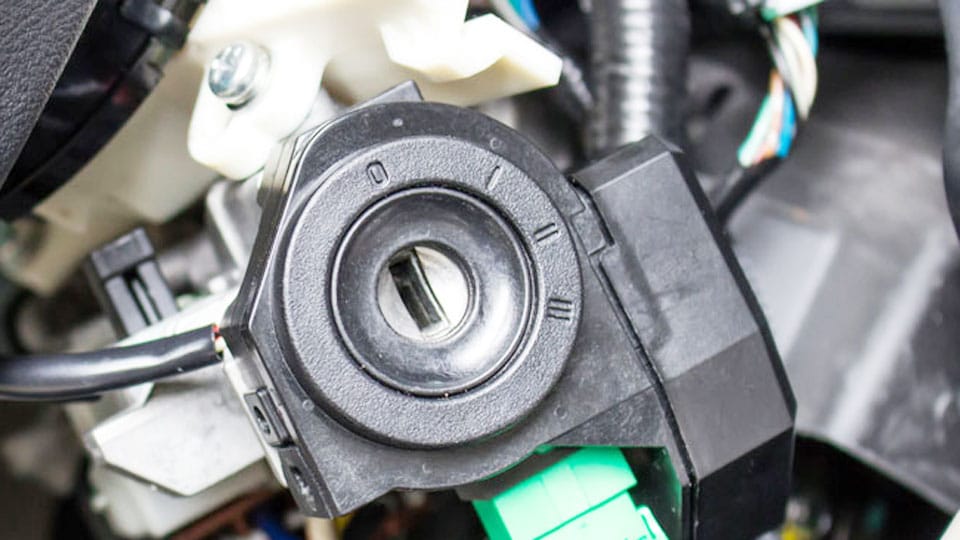
Photo by unitedlocksmith
I’ll walk you through everything you need to know about how to remove an ignition lock cylinder without a key. I’ll explain the process in simple, easy-to-follow steps, as if I were right there with you.
If you’ve lost your key, are dealing with a broken ignition, or trying to replace a worn-out lock cylinder, you’ll find this guide helpful, safe, and beginner-friendly.
This method isn’t about breaking into a car. It’s about taking the right steps if you’re the owner or have legal access and want to fix your ignition yourself.
What Is an Ignition Lock Cylinder?
The ignition lock cylinder is the part of your vehicle where you insert the key to start it. It’s usually located on the right side of the steering column. When you turn the key, the cylinder connects with the ignition switch, sending power to your car’s starter motor, fuel system, and electrical components.
The ignition lock cylinder can wear out. If the key is lost, broken, or jammed, it can stop working properly. That’s when removal becomes necessary.
Common Reasons You May Need to Remove It Without a Key
There are a few common scenarios where you might need to remove the ignition lock cylinder without the key:
- The original key is lost or stolen.
- The key broke off inside the ignition.
- The cylinder is jammed or malfunctioning.
- You’re restoring an old car with no keys.
- The ignition system is being replaced or upgraded.
Each of these situations calls for a careful, well-planned approach.
Is It Legal to Remove the Ignition Lock Without a Key?
Yes—but with an important caveat. You must own the vehicle or have permission from the legal owner. In the United States, tampering with or removing an ignition lock cylinder from a vehicle you don’t own is illegal and considered vehicle theft.
So before going further, make sure you have the title or ownership documents to prove the car is yours. This guide is for responsible car owners who are simply trying to fix their ride—not bypass the law.
Tools You’ll Need for the Job
Before you get started, gather your tools. You don’t need anything fancy, just a few basics that you probably already have in your garage.
Here’s a simple tool checklist:
| Tool | Purpose |
|---|---|
| Flathead screwdriver | For prying plastic panels and pressing tabs |
| Phillips screwdriver | To remove steering column covers |
| Socket wrench set | For bolts and steering housing screws |
| Drill (with metal bit) | If the cylinder must be drilled out |
| Needle-nose pliers | For grabbing and removing small parts |
| Replacement ignition cylinder | You’ll need a new one to install |
| Safety gloves and glasses | To protect your hands and eyes |
| Vehicle manual (optional) | For your specific model’s layout |
Having everything laid out before you begin will make the process smoother and safer.
Safety Tips Before You Start
Working around your ignition system can affect your car’s electrical components and airbag system. Safety always comes first.
Here are a few quick reminders:
- Disconnect the car battery before you begin.
- Wear gloves and eye protection.
- Keep your workspace clean and well-lit.
- Keep track of screws and small components—losing one can delay the process.
Ready? Let’s get to the fun (and slightly tricky) part.
How to Remove the Ignition Lock Cylinder Without a Key: Step-by-Step Guide
Here’s where I’ll break it down for you like I did it myself. Take your time, and be patient. This process isn’t necessarily fast, but it’s manageable even for someone who’s never done it before.
Step 1: Disconnect the Battery
First things first, disconnect the negative terminal of your car battery. This step protects you and your car’s electrical system from accidental shocks or short circuits.
Just use a wrench to loosen the nut, slide the terminal off, and set it aside.
Step 2: Remove Steering Column Covers
Locate the plastic covers around your steering column. These are usually held together by a few Phillips-head screws on the underside.
Once you remove the screws, gently pry apart the upper and lower halves of the cover. Be patient and don’t force it—you don’t want to crack the plastic.
Step 3: Locate the Ignition Lock Cylinder Housing
Now the covers are off, you’ll see the ignition lock cylinder sitting in a metal housing. You might also see wires connected to the ignition switch depending on your car’s make and model.
Take a moment to familiarize yourself with the layout. Every vehicle is slightly different, but most ignition lock cylinders are held in place with a small retaining pin or tab.
Step 4: Find and Access the Retaining Pin
Here’s where it gets a little tricky.
Usually, the cylinder is held in place by a retaining pin that must be pressed in to release it. But without the key, the cylinder won’t rotate to the position where this pin can be accessed normally.
In many cases, you’ll need to manually align or drill to reach it.
Step 5: Use a Drill to Reach the Lock Mechanism (If Needed)
If you can’t access the pin directly, you may need to drill into the lock cylinder to disable the tumblers and simulate the key-turn position.
Here’s what I did:
- Use a ⅛-inch metal drill bit.
- Drill slowly into the key slot, about halfway into the cylinder.
- Apply light pressure—don’t force it.
- Once the tumblers are broken, use a flathead screwdriver to turn the cylinder to the “on” or accessory position.
This step requires a steady hand and caution. The goal is to mimic the effect of turning the key without damaging the surrounding housing.
Step 6: Press the Retaining Pin and Slide the Cylinder Out
Once you’ve turned the cylinder to the accessory position using a screwdriver, use a flathead or a small tool to press the retaining pin.
Now, gently pull the ignition cylinder out. It should slide out smoothly if the pin is fully depressed.
This moment always feels like a small victory—you’re halfway done.
Step 7: Inspect the Housing and Clean the Area
Before installing a new cylinder, inspect the housing for any damage, debris, or metal shavings. Clean out the area using a soft cloth or compressed air.
If the cylinder was drilled, you might find small metal particles inside. Removing them helps ensure the new cylinder seats properly.
Step 8: Install the New Ignition Cylinder
Now, grab your replacement ignition lock cylinder.
If it comes with a key, that’s great. Line it up and slide it into place while turning it slightly to the accessory position.
Once it clicks into place, test it by turning the key. It should rotate smoothly between the “off,” “on,” and “start” positions.
Step 9: Reassemble the Steering Column
Once everything works as expected, reassemble the steering column covers. Make sure all the screws are tight and aligned.
Lastly, reconnect your car battery. Try starting the vehicle with your new ignition key to confirm everything works perfectly.
And that’s it—you’ve successfully removed and replaced your ignition lock cylinder without a key.
What If the Cylinder Still Won’t Come Out?
Sometimes the cylinder gets stuck or is fused with rust or debris. Here are a few things you can try:
- Apply a little penetrating oil around the base and wait 10-15 minutes.
- Use needle-nose pliers to gently wiggle the cylinder while pressing the retaining pin.
- Double-check that it’s fully in the accessory position.
- Tap the surrounding housing lightly (not the cylinder itself) with a rubber mallet.
If it still won’t come loose, it might be worth contacting a locksmith or mechanic. Sometimes, a little professional help can save time and prevent damage.
When to Replace the Entire Ignition Assembly
In some cases, just replacing the lock cylinder isn’t enough. If the ignition switch or electrical components are damaged, you may need to replace the whole ignition assembly.
Look out for these signs:
- The new cylinder doesn’t engage properly.
- The key won’t turn even with a new cylinder.
- The car won’t start despite power from the battery.
Most vehicles offer replacement ignition kits that include a new lock cylinder, ignition switch, and wiring harness.
Final Thoughts Before You Wrap Up
Removing an ignition lock cylinder without a key may sound like a big job—but with patience and the right steps, it’s totally doable. I’ve done it myself and helped friends do it too, and the sense of accomplishment you get when the car starts up again is worth the effort.
Just make sure you’re working legally, safely, and carefully. And don’t rush. Precision is key when working with something as delicate as an ignition system.
Conclusion
If you’ve ever lost your car key or dealt with a jammed ignition, you know how frustrating it can be. But the good news is, removing an ignition lock cylinder without a key is absolutely possible. With the right tools, some steady hands, and a little guidance, you can tackle it yourself and save money on repairs.
If you’re fixing an old vehicle, dealing with a worn-out part, or replacing a faulty system, I hope this guide gave you everything you need to get the job done right.
And remember—take your time, stay safe, and enjoy the process. Every repair you do yourself builds confidence and skills you can use for a lifetime.
Frequently Asked Questions
Can I remove an ignition lock cylinder without a key legally?
Yes, as long as you are the vehicle’s legal owner or have permission from the owner.
Will drilling out the ignition cylinder damage my car?
If done carefully, drilling should only affect the cylinder. Always drill slowly and avoid damaging surrounding parts.
How long does it take to remove the cylinder without a key?
It usually takes 30 to 60 minutes depending on your experience and the condition of the cylinder.
Do I need to replace the ignition switch too?
Not always. If the ignition switch still works properly, you only need to replace the cylinder.
Can a locksmith do this job instead of me?
Absolutely. A locksmith can remove and replace the cylinder, especially if you want to avoid drilling or are uncomfortable with DIY.
Do all cars use the same ignition lock cylinder removal method?
No, each make and model can vary. Always consult your vehicle’s manual for model-specific instructions if possible.

Hi, I’m Melvin, an automobile engineer with extensive experience in automobile equipment. I currently work for a local automobile firm, where I specialize in the car parts industry. I’ve had the opportunity to collaborate with seasoned inspectors, gaining invaluable hands-on experience that goes beyond just theory.
My passion for automotive care started at a young age, which led me to create CarSpareCare. Through CarSpareCare, I share the knowledge and skills I’ve acquired over the years to help others navigate the world of car maintenance and repairs.
My goal is to provide practical tutorials, essential safety advice, and the latest industry insights so that anyone—whether a beginner or an expert—can confidently tackle their automotive projects.