Let me be honest—there’s something deeply satisfying about stepping into a freshly cleaned car. You know that feeling? It’s like a mini reset for your mood. For me, keeping my car’s interior clean isn’t just about appearances. It’s about comfort, hygiene, and protecting the value of something I rely on every single day.
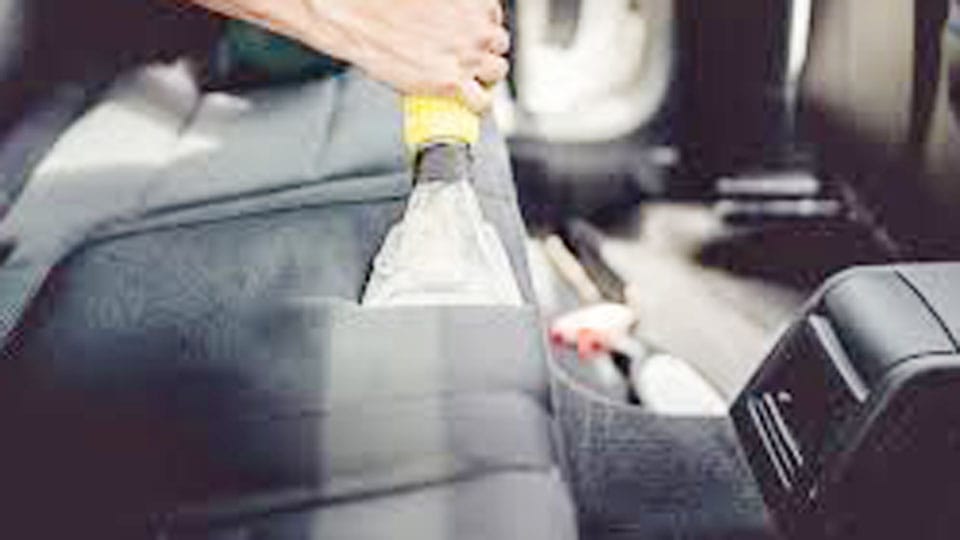
Photo by jimscleaning
I’ve tried just about every method and product out there to get my car’s interior looking and feeling brand new. And through trial and error, I’ve found what really works—without spending a fortune or turning it into a full-day job.
If you’re wondering, “What should I use to clean my car interior?”—you’re in the right place. I’m going to walk you through exactly what to use, how to use it, and some easy tricks I’ve picked up along the way. If your car just needs a light freshening up or a deep detail, you’ll find everything you need here.
Why Cleaning Your Car Interior Matters More Than You Think
Before we talk about tools and products, let me tell you why I take interior cleaning seriously. When we think of car maintenance, we often focus on the engine, tires, or brakes—but the interior is where we spend most of our time.
A clean interior:
- Makes driving more enjoyable
- Keeps allergens and bacteria away
- Helps maintain your car’s resale value
- Prevents wear and tear from setting in
- Just feels better overall
If you have kids or pets (like I do), keeping things clean is about more than just looks—it’s about health and comfort too.
Tools and Products You’ll Want to Have on Hand
Before diving into each section of your car, let me give you a quick list of the tools and cleaners I recommend using. Don’t worry—you probably have a few of these already, and most are very affordable.
| Item | Purpose |
|---|---|
| Microfiber cloths | Dusting, wiping, and polishing |
| Vacuum with crevice tool | Removing dirt, dust, and debris from tight areas |
| Soft detailing brush | Loosening dirt in vents and seams |
| Interior cleaner spray | General-purpose cleaning on all surfaces |
| Glass cleaner (ammonia-free) | Cleaning windows and screens |
| Upholstery cleaner or shampoo | For cloth seats and fabric surfaces |
| Leather cleaner and conditioner | Cleaning and conditioning leather seats |
| Disinfectant wipes | Quick sanitizing of high-touch areas |
| Baking soda | Natural deodorizer for tough odors |
| Plastic trim protectant | Restoring faded plastics and rubber |
You don’t need to buy everything at once. Start with the basics, and build up your kit over time as you find what works best for your car’s interior.
Let’s break down each section of the car and talk about what to use and how to clean it the right way.
Dashboard and Center Console
The dashboard is often the first thing we see when we get into the car—and it’s also a magnet for dust, fingerprints, and even food crumbs. Here’s how I keep it looking fresh.
What to Use
- Microfiber cloth
- All-purpose interior cleaner
- Soft detailing brush (for buttons and tight areas)
- UV protectant spray (optional, but great for sunny climates)
Cleaning Tips
- Start by wiping the dust off with a dry microfiber cloth.
- Spray a little interior cleaner on the cloth (never directly onto the dash).
- Wipe down the surface in circular motions.
- Use the detailing brush to get into air vents, around knobs, and in cup holders.
- Finish with a UV protectant to help prevent cracking or fading if your car sits in the sun often.
Seats: Cloth, Leather, and Vinyl
Seats can get dirty fast—especially if you eat in the car or have kids. The material will determine what you use.
Cloth Seats
- Vacuum thoroughly first to remove crumbs and loose dirt.
- Use a fabric upholstery cleaner or a mild water-vinegar mix.
- Spray lightly, then scrub with a soft brush.
- Blot with a clean towel and let air dry.
Leather Seats
- Wipe with a dry microfiber cloth to remove surface dust.
- Apply a small amount of leather cleaner using a sponge or cloth.
- Gently rub in a circular motion, avoiding soaking the leather.
- Follow up with a leather conditioner to keep it soft and prevent cracks.
Vinyl Seats
- Use an all-purpose interior cleaner.
- Wipe down with a damp cloth.
- Consider using a vinyl protectant afterward to guard against UV damage.
Carpet and Floor Mats
Floor mats are where the dirt piles up—especially in areas with snow, mud, or sand. I like to start with the dirtiest part so the rest of the cleaning feels easier.
What to Use
- Shop vacuum or household vacuum with attachments
- Carpet cleaner or upholstery shampoo
- Baking soda (optional for odor)
- Stiff bristle brush
Cleaning Steps
- Remove the mats and shake off debris.
- Vacuum the mats and carpet thoroughly.
- Sprinkle baking soda if odors are present and let sit for 15 minutes.
- Use carpet cleaner and scrub with a brush.
- Rinse with a little water if needed, then blot and let dry in the sun.
Rubber mats? Those are even easier. Just spray them down, scrub, and let them air dry.
Door Panels and Handles
These areas get touched all the time but are often overlooked.
What to Use
- Interior cleaner or mild soap solution
- Microfiber cloth
- Soft brush for seams and crevices
How to Clean
- Spray cleaner onto the cloth.
- Wipe down panels, armrests, and handles.
- Use a brush around window switches and trim.
- Dry with a clean towel.
Don’t forget the door pockets—they collect everything from coins to straw wrappers.
Steering Wheel and Gear Shifter
These are two of the most touched and germ-heavy spots in the car. I make it a habit to disinfect these regularly, even between deep cleans.
What to Use
- Disinfectant wipes (safe for car surfaces)
- Interior cleaner (for sticky residue)
- Soft cloth
Wipe thoroughly and let it dry. A clean steering wheel just feels better in your hands.
Windows and Windshield (Inside)
Streaky windows can ruin visibility and make the whole car look dirty. Inside grime often builds up from breath, AC, and smokers if you’ve got one.
What to Use
- Ammonia-free glass cleaner (especially if you have tinted windows)
- Lint-free microfiber towel
Spray the cleaner directly onto the towel (not the glass), then wipe in circular motions. Follow up with a dry side to buff away streaks.
Cup Holders and Storage Compartments
Sticky soda rings and crumbs love to hide in these little pockets.
What I Do
- Use an old sock or brush dipped in cleaner for deep scrubbing.
- For removable inserts, I soak them in soapy water, then rinse and dry.
- Wipe all compartments with an all-purpose cleaner and microfiber towel.
A little extra effort here goes a long way toward that “brand-new” feel.
Roof Liner and Sun Visors
Most people forget about the headliner—but it traps odors and dust over time.
What to Use
- Fabric cleaner or mild soapy water
- Damp microfiber cloth
Be gentle—too much scrubbing can loosen the glue that holds the fabric in place.
Natural vs Store-Bought Cleaning Products
I’ve used both natural and store-bought cleaners, and honestly, both have their place. Here’s a quick comparison.
| Cleaner Type | Pros | Cons |
|---|---|---|
| Store-Bought | Designed for cars, very effective | Can be expensive or harsh-smelling |
| Homemade/Natural | Safe, eco-friendly, cheap | May need more scrubbing or time |
A simple homemade mix I’ve used:
- 1 cup vinegar
- 1 cup water
- A few drops of dish soap
Great for glass, fabric, and even wiping plastic surfaces.
How Often Should You Clean Your Car Interior?
I get asked this a lot. It depends on how much you use your car and your lifestyle. But here’s a good rule of thumb:
- Weekly: Quick vacuum, wipe dash and steering wheel, empty trash
- Monthly: Deep clean seats, carpets, doors, windows
- Seasonally: Condition leather, shampoo fabric, check for mold or hidden dirt
Pro Tips for Keeping the Interior Cleaner Longer
Let me leave you with some of my favorite preventative tips:
- Use seat covers and floor mats—they’re easier to clean or replace
- Keep a small trash can or bag in your car
- Avoid eating messy food in the car
- Keep disinfectant wipes and microfiber cloths in the glove box
- Try an air freshener or odor absorber (charcoal bags work well)
Small habits can go a long way in keeping your ride fresh between deep cleans.
Conclusion
If you’re still wondering what should I use to clean car interior?—you now have a full breakdown of everything you need to do the job right.
From the dashboard to the trunk, every surface inside your vehicle deserves care. Not just to make it look better—but to feel better, too. If you use high-end products or simple homemade solutions, the important part is staying consistent and using the right tools for each area.
After all, our cars are an extension of our homes, especially with how much time we spend in them. A clean interior makes driving more pleasant, your passengers more comfortable, and your vehicle more valuable over time.
Grab your cleaning gear, take your time, and enjoy the process. It’s a rewarding habit that pays off every time you open the door.
FAQs
Can I use household cleaners on my car interior?
Some mild cleaners, like vinegar and dish soap, are safe when diluted properly. Avoid anything with bleach or ammonia on leather or plastics.
What’s the best way to remove pet hair from car seats?
Use a rubber glove or a pet hair removal brush. Rubbing the glove over the fabric gathers hair into clumps for easy pickup.
How do I get rid of bad smells in my car?
Start by cleaning carpets and upholstery. Then place baking soda or activated charcoal under the seats to absorb lingering odors.
Is it safe to clean leather seats with vinegar?
Vinegar can dry out leather if overused. Stick to leather-specific cleaners and always follow up with conditioner.
How can I prevent my dashboard from cracking?
Regularly clean and apply a UV protectant to prevent sun damage. Parking in the shade or using a windshield sunshade also helps.
How often should I deep clean my car interior?
A full interior clean every 1–2 months is ideal. High-traffic cars or those with kids or pets may need it more often.

Hi, I’m Melvin, an automobile engineer with extensive experience in automobile equipment. I currently work for a local automobile firm, where I specialize in the car parts industry. I’ve had the opportunity to collaborate with seasoned inspectors, gaining invaluable hands-on experience that goes beyond just theory.
My passion for automotive care started at a young age, which led me to create CarSpareCare. Through CarSpareCare, I share the knowledge and skills I’ve acquired over the years to help others navigate the world of car maintenance and repairs.
My goal is to provide practical tutorials, essential safety advice, and the latest industry insights so that anyone—whether a beginner or an expert—can confidently tackle their automotive projects.