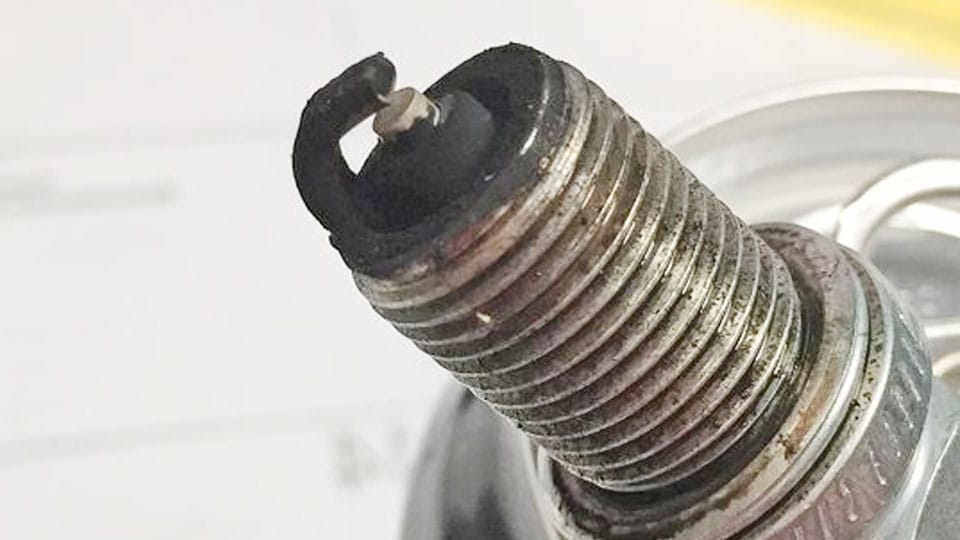
A lawn mower that keeps blowing fuses can be incredibly frustrating. You’re all set to mow your lawn, turn the key or press the start button, and suddenly—nothing. You check the fuse, replace it, and try again. It might work for a little while, but then another fuse blows.
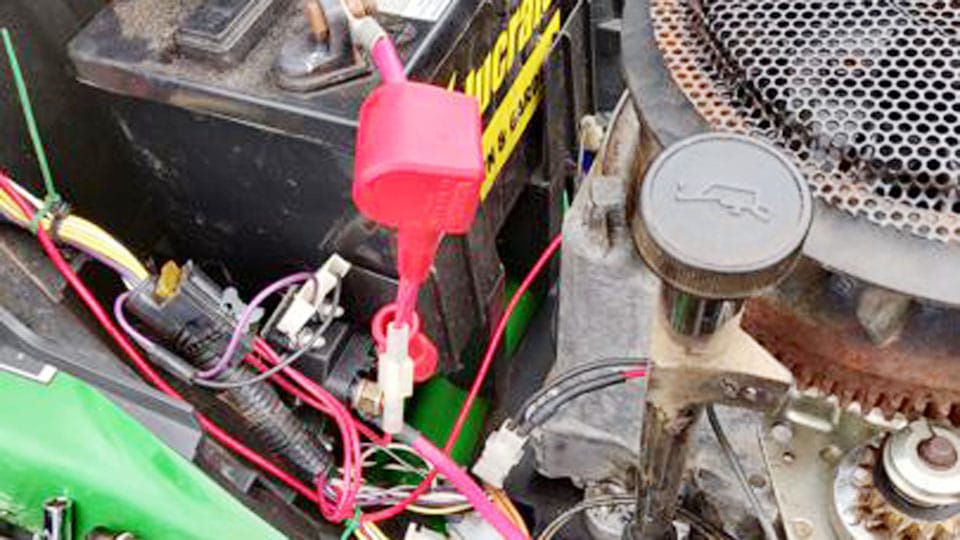
Image by mytractorforum
I’ve been there, and I know how annoying it is to deal with a mower that refuses to stay running because of electrical issues. But don’t worry—there’s always a reason behind this problem, and once you find it, you can fix it for good.
If your lawn mower keeps blowing fuses, it’s usually due to a short circuit, faulty wiring, a bad ignition switch, or a malfunctioning component like the starter solenoid. Let’s go through all the possible causes and how to fix them so you can get back to mowing without interruptions.
Why Lawn Mowers Have Fuses
Before we dive into the causes, let’s quickly cover why your lawn mower has fuses in the first place.
A fuse is a small safety device that protects your mower’s electrical system from damage. If too much current flows through the circuit—due to a short or an overload—the fuse blows, breaking the circuit and preventing potential damage or even a fire.
While this feature is essential for safety, constant fuse blowing is a sign that something is wrong. Finding and fixing the root cause will not only stop the fuses from blowing but also protect other electrical components from failure.
Common Reasons Your Lawn Mower Keeps Blowing Fuses
Short Circuit in the Wiring
A short circuit is the most common reason fuses keep blowing. It happens when a live wire touches a ground surface, allowing electricity to flow where it shouldn’t. This creates a surge of power that quickly blows the fuse.
Fix: Inspect all visible wiring, especially around the battery, ignition switch, and connections leading to the starter. Look for frayed wires, cracked insulation, or any exposed metal touching other parts. If you find damaged wires, replace or insulate them with electrical tape.
Faulty or Loose Connections
Loose connections can create resistance in the circuit, causing overheating and excessive current draw. This can blow the fuse repeatedly.
Fix: Check all wire connections, especially those around the battery terminals, ignition switch, and fuse box. Tighten any loose connections and clean off any corrosion with a wire brush or sandpaper.
Defective Starter Solenoid
The starter solenoid is responsible for sending power from the battery to the starter motor. If the solenoid is faulty or has an internal short, it can cause an electrical overload, blowing the fuse.
Fix: Test the solenoid by disconnecting it and checking for continuity with a multimeter. If it’s bad, replace it with a new one.
A Bad Ignition Switch
A faulty ignition switch can cause electrical issues, including short circuits. If the switch is internally damaged, it may allow power to flow incorrectly, blowing the fuse.
Fix: Test the ignition switch by turning the key while wiggling the wires. If you notice inconsistent power flow or the fuse blows immediately after turning the key, the switch is likely the problem and needs to be replaced.
Issues with the PTO Clutch
The PTO (Power Take-Off) clutch engages the mower blades. If there’s a short in the PTO wiring or if the clutch itself is faulty, it can create an electrical surge that blows the fuse.
Fix: Inspect the PTO wiring for any damage or exposed wires. If the clutch is drawing too much power, consider replacing it.
A Malfunctioning Voltage Regulator or Alternator
Some mowers have a voltage regulator or alternator to control the charging system. If these components fail, they may cause a voltage spike that blows the fuse.
Fix: Test the voltage regulator with a multimeter. If the output voltage is too high or fluctuates wildly, replace the regulator.
Water or Moisture in Electrical Components
If your mower has been exposed to heavy rain, excessive moisture, or was recently washed, water can seep into electrical connections, causing a short circuit.
Fix: Dry out all electrical components with compressed air or a hairdryer. Apply dielectric grease to electrical connections to prevent moisture buildup in the future.
How to Troubleshoot a Lawn Mower That Keeps Blowing Fuses
If you’re not sure where to start, follow this step-by-step troubleshooting process:
- Check the Fuse Rating – Make sure you’re using the correct fuse as specified in your owner’s manual.
- Inspect the Wiring – Look for any visible damage or loose connections.
- Test the Ignition Switch – If the fuse blows when turning the key, the switch might be bad.
- Disconnect Components One by One – Start with the starter solenoid, then the PTO clutch, voltage regulator, and other components. If the fuse stops blowing after disconnecting a specific component, that’s your culprit.
- Use a Multimeter – Check for shorts and excessive voltage that could be overloading the circuit.
Preventing Future Fuse Issues
To keep your lawn mower’s electrical system in good shape and avoid fuse problems, follow these maintenance tips:
- Regularly inspect and clean electrical connections – Corrosion and dirt can cause resistance and overheating.
- Avoid running the mower in wet conditions – Moisture can create shorts in electrical components.
- Use only the recommended fuse size – Installing a fuse with a higher rating can lead to serious electrical damage.
- Secure all wiring properly – Prevent wires from rubbing against metal parts, which can wear through insulation over time.
- Keep the battery in good condition – A weak or failing battery can cause electrical issues that lead to blown fuses.
When to Call a Professional
If you’ve gone through all the troubleshooting steps and your mower still keeps blowing fuses, it may be time to call a professional. Some electrical problems can be tricky to diagnose without the right tools, and a small issue can lead to bigger damage if left untreated.
Final Thoughts
Dealing with a lawn mower that keeps blowing fuses can be a real headache, but the good news is that it’s usually fixable.
Most of the time, the issue is a short circuit, faulty wiring, or a malfunctioning component like the ignition switch or starter solenoid. By carefully inspecting the wiring and electrical parts, you can pinpoint the problem and fix it.
Regular maintenance and keeping electrical connections clean and dry will also help prevent future issues. If you ever feel stuck, don’t hesitate to seek professional help to avoid causing further damage.
Now, go fix that mower and get back to enjoying a neatly trimmed lawn!
Frequently Asked Questions
Why does my lawn mower fuse blow as soon as I turn the key?
This usually means there’s a short circuit, a bad ignition switch, or a faulty starter solenoid. Start by checking the wiring and connections.
Can a bad battery cause a fuse to blow?
A weak or damaged battery can create electrical problems, but it usually doesn’t cause blown fuses unless there’s a short circuit elsewhere.
How do I know if my starter solenoid is bad?
If your mower clicks but doesn’t start, or if the fuse blows when trying to start, the solenoid might be faulty. Test it with a multimeter.
Can I use a higher amp fuse to stop it from blowing?
No! Using a higher amp fuse can cause severe electrical damage or even a fire. Always use the recommended fuse size.
Why does my fuse blow when I engage the mower blades?
This could indicate a problem with the PTO clutch or its wiring. Check for shorts or excessive current draw in the clutch system.

Hi, I’m Melvin, an automobile engineer with extensive experience in automobile equipment. I currently work for a local automobile firm, where I specialize in the car parts industry. I’ve had the opportunity to collaborate with seasoned inspectors, gaining invaluable hands-on experience that goes beyond just theory.
My passion for automotive care started at a young age, which led me to create CarSpareCare. Through CarSpareCare, I share the knowledge and skills I’ve acquired over the years to help others navigate the world of car maintenance and repairs.
My goal is to provide practical tutorials, essential safety advice, and the latest industry insights so that anyone—whether a beginner or an expert—can confidently tackle their automotive projects.