Keeping a lawn mower running smoothly is essential for maintaining a well-manicured yard. But when the spark plug keeps fouling, it can be frustrating. If you’ve been dealing with a lawn mower that won’t start or runs rough, chances are your spark plug is the culprit.
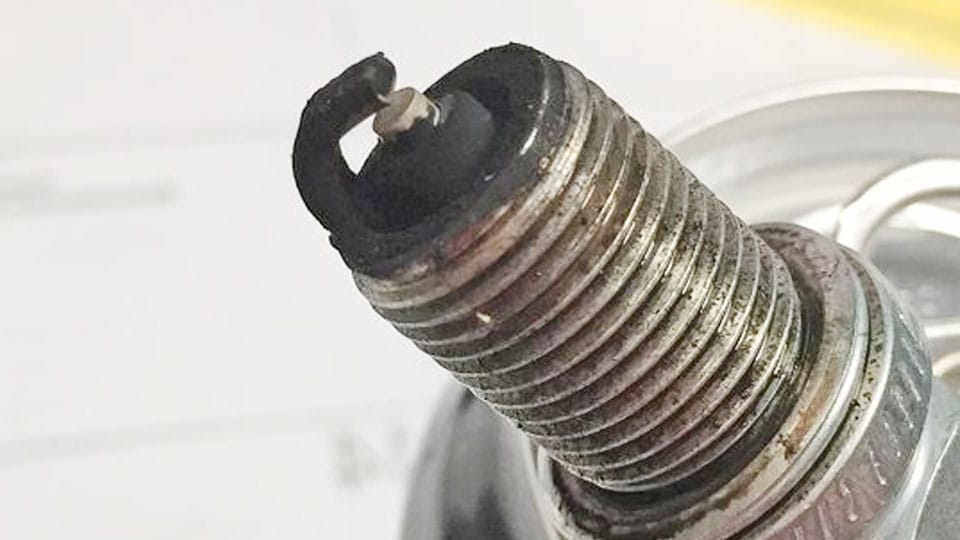
Image by mytractorforum
A fouled spark plug can lead to poor engine performance, increased fuel consumption, and even complete failure to start. But why does it happen? Let’s go through the common reasons and how to fix them so your mower runs efficiently every time.
What Is Spark Plug Fouling?
Spark plug fouling occurs when unwanted substances—like carbon, oil, or fuel—build up on the plug’s electrode. This buildup prevents the plug from sparking correctly, making it difficult for the engine to ignite the fuel mixture.
Fouling can happen gradually or quickly, depending on various factors like fuel quality, engine condition, and maintenance habits. Understanding the cause of the fouling is the first step toward fixing the problem permanently.
Reasons Your Lawn Mower Spark Plug Keeps Fouling
Using the Wrong Fuel Mixture
One of the biggest reasons for spark plug fouling is using the wrong fuel mixture. Some mowers require a specific gas-to-oil ratio, and if too much oil is mixed in, it can cause excessive carbon deposits on the spark plug.
Fix: Always check your owner’s manual for the correct fuel mix. If your mower takes straight gasoline, never add oil to the fuel. Using fresh, high-quality fuel with the right octane level can also prevent issues.
Dirty or Clogged Air Filter
A clogged air filter restricts airflow to the engine, leading to an overly rich fuel mixture. This can cause black, sooty deposits on the spark plug.
Fix: Inspect the air filter regularly. If it’s dirty, clean it or replace it with a new one. A clean air filter improves combustion efficiency and reduces the chances of spark plug fouling.
Oil Leaking Into the Combustion Chamber
If oil leaks into the combustion chamber, it can coat the spark plug, leading to fouling. This is common in older mowers or those with worn piston rings or valve seals.
Fix: Check for signs of excessive oil consumption, blue smoke from the exhaust, or oil residue on the spark plug. If oil leakage is severe, you may need professional repairs.
Running the Engine at Low Speeds for Too Long
Lawn mower engines are designed to run at a certain speed for optimal performance. If the engine is consistently run at low speeds, it may not burn fuel efficiently, leading to carbon buildup on the spark plug.
Fix: Avoid idling the mower for long periods. When mowing, run the engine at full throttle to ensure proper combustion.
Excessive Fuel in the Combustion Chamber
A flooded engine can lead to a wet, fuel-covered spark plug. This happens if the choke is left on too long or if the carburetor is not properly adjusted.
Fix: If the spark plug is wet with fuel, remove it and let it dry completely before reinstalling. Check the carburetor settings and adjust the choke properly when starting the mower.
Worn or Damaged Spark Plug
Over time, spark plugs wear out due to constant exposure to heat and combustion. If the electrode is worn or the insulator is cracked, the plug may foul more easily.
Fix: Inspect the spark plug for signs of wear. If the electrode looks eroded or the insulator is damaged, replace the plug with a new one.
Improper Spark Plug Gap
The gap between the electrodes on a spark plug must be precise for proper ignition. If the gap is too wide or too narrow, the plug may not fire correctly, leading to fouling.
Fix: Use a spark plug gap gauge to measure and adjust the gap to the manufacturer’s specifications. This ensures a strong and consistent spark.
How to Prevent Spark Plug Fouling
Keeping your lawn mower’s spark plug in good condition requires regular maintenance. Here are some tips to prevent fouling:
- Use high-quality fuel – Avoid stale or contaminated fuel. Ethanol-free gasoline is a great choice for small engines.
- Keep the air filter clean – A well-maintained air filter ensures the engine gets the right air-fuel mixture.
- Check oil levels regularly – Overfilling the crankcase can lead to oil leaking into the combustion chamber.
- Run the engine at full throttle – This helps burn off excess carbon and prevents buildup.
- Replace spark plugs as needed – If a plug is heavily fouled, it’s often better to replace it rather than trying to clean it.
Signs Your Spark Plug Needs Replacement
Sometimes, no amount of cleaning or adjusting will fix a bad spark plug. Here are some signs that indicate it’s time to get a new one:
- Hard starting or failure to start
- Rough running or misfiring
- Black, oily, or carbon-covered plug
- Weak or no spark when tested
Choosing the Right Spark Plug for Your Lawn Mower
Not all spark plugs are the same. Choosing the right one for your mower is essential for preventing fouling and ensuring smooth operation.
| Feature | Why It Matters |
|---|---|
| Correct Heat Range | A plug that’s too cold fouls easily; one that’s too hot can cause engine damage. |
| Proper Gap | Ensures reliable ignition and prevents misfires. |
| OEM Recommended | Always use the plug type recommended by the manufacturer. |
| Resistor vs. Non-Resistor | Some mowers require resistor plugs to reduce electrical noise. |
Can You Clean and Reuse a Fouled Spark Plug?
Yes, in some cases, you can clean a fouled spark plug instead of replacing it. Use a wire brush or spark plug cleaner to remove deposits, and make sure the gap is properly adjusted before reinstalling. However, if the plug is severely worn or damaged, replacement is the best option.
Final Thoughts
A fouled spark plug can be a major headache, but once you understand the causes, fixing the problem becomes much easier. Whether it’s an incorrect fuel mixture, a clogged air filter, or an oil leak, taking the right steps can keep your mower running smoothly all season long.
Regular maintenance is key. By keeping up with routine checks and using the right fuel, spark plugs, and engine settings, you can avoid constant spark plug issues and enjoy a hassle-free mowing experience.
Frequently Asked Questions
Why does my lawn mower spark plug turn black so quickly?
A black spark plug usually means the engine is running too rich, meaning there’s too much fuel and not enough air. Check the air filter, carburetor settings, and spark plug gap to fix the issue.
Can I use any spark plug for my lawn mower?
No, always use the spark plug type recommended by the manufacturer. The wrong plug can lead to performance issues and increased fouling.
How often should I replace my lawn mower spark plug?
Most manufacturers recommend replacing the spark plug every season or after 25-50 hours of use for optimal performance.
Is it normal for a lawn mower spark plug to have a little carbon buildup?
A small amount of light gray or tan carbon buildup is normal. However, thick black deposits indicate an issue with the fuel mixture or engine performance.
Can bad gas cause spark plug fouling?
Yes, old or contaminated fuel can lead to incomplete combustion, which results in carbon buildup on the spark plug. Always use fresh, high-quality gasoline.

Hi, I’m Melvin, an automobile engineer with extensive experience in automobile equipment. I currently work for a local automobile firm, where I specialize in the car parts industry. I’ve had the opportunity to collaborate with seasoned inspectors, gaining invaluable hands-on experience that goes beyond just theory.
My passion for automotive care started at a young age, which led me to create CarSpareCare. Through CarSpareCare, I share the knowledge and skills I’ve acquired over the years to help others navigate the world of car maintenance and repairs.
My goal is to provide practical tutorials, essential safety advice, and the latest industry insights so that anyone—whether a beginner or an expert—can confidently tackle their automotive projects.