Picture this: you’re driving along, enjoying the open road, when suddenly you hear an annoying whining noise coming from under the hood. It gets louder when you turn the steering wheel, and now you’re wondering, “What’s going on?” If this sounds familiar, you’re probably dealing with a power steering pump that’s trying to tell you something.
As someone who’s spent countless hours tinkering with cars and chasing down strange noises, I’ve heard that whine more times than I can count. So, why is your power steering pump whining? Let’s dive into the reasons behind that pesky noise, what it means, and how you can fix it. I’m excited to share what I’ve learned—let’s get started and quiet that pump down!
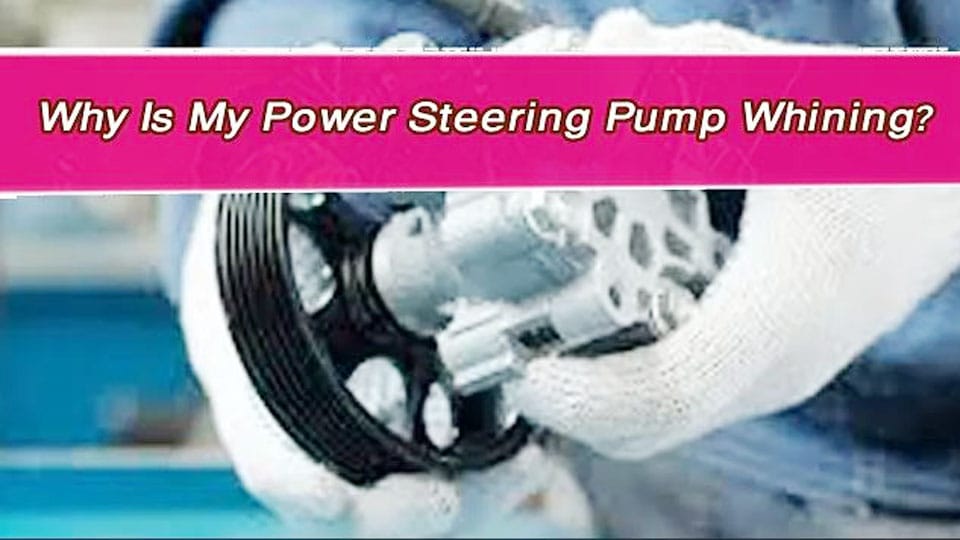
What Is a Power Steering Pump, and Why Does It Whine?
Let’s talk about what a power steering pump does. In cars with hydraulic power steering, the pump is the heart of the system. It pushes power steering fluid through hoses to help you turn the steering wheel without breaking a sweat. The pump is driven by a belt connected to your engine, so it’s always working when your car is running.
That whining noise? It’s usually a sign that something’s off with the pump or the system it supports. Think of it like your car complaining about a headache—it’s trying to get your attention. I’ve tracked down this noise in my own cars and helped friends figure it out too.
The good news? It’s often fixable if you catch it early. Let’s explore the most common reasons your power steering pump is whining.
Low Power Steering Fluid: The Most Common Culprit
If your power steering pump is whining, the first thing I’d check is the fluid level. Low fluid is the number one cause of that annoying noise. The pump needs a steady supply of fluid to work smoothly. When the fluid is low, air gets into the system, causing cavitation (air bubbles collapsing), which makes the pump whine like a cranky toddler.
Here’s why the fluid might be low:
- Leaks: Hoses, seals, or the pump itself can develop leaks over time. I once found a puddle of red fluid under my car—yep, it was a leaky hose.
- Normal Wear: Fluid can slowly evaporate or degrade, especially in older cars.
- Neglect: If you haven’t checked the fluid in a while, it might just be time for a top-up.
To check the fluid, pop the hood and find the power steering reservoir (check your owner’s manual if you’re unsure). The fluid should be between the “min” and “max” marks. If it’s low, add the right type of fluid—don’t mix different kinds, as that can cause more problems. I always keep a bottle of the correct fluid in my garage for quick fixes.
Contaminated or Old Fluid: A Sneaky Problem
Even if your fluid level is fine, the fluid itself could be the issue. Over time, power steering fluid can get dirty, picking up debris, metal particles, or water. Contaminated fluid doesn’t lubricate the pump properly, leading to that whining noise. Old fluid can also break down, losing its ability to flow smoothly.
I learned this the hard way with an old SUV I used to own. The fluid looked like muddy coffee, and the pump was screaming. Flushing the system and adding fresh fluid made a world of difference. If your fluid looks dark, gritty, or smells burnt, it’s time for a flush. A mechanic can do this, or you can try it yourself with a turkey baster to remove the old fluid and replace it with new.
Air in the System: Trapped Bubbles, Big Noise
Air in the power steering system is another common reason for whining. When air gets trapped in the lines, it causes the pump to work harder, creating that high-pitched noise. Air can sneak in if:
- The fluid level drops too low.
- There’s a leak in the system.
- The system wasn’t properly bled after a repair.
I’ve dealt with this after replacing a power steering hose. The system needed to be bled to get the air out. To do this, turn the steering wheel from lock to lock (full left to full right) a few times with the engine running. This helps push air out of the system. If the whining doesn’t stop, you might have a leak letting air back in, so check for wet spots around the pump or hoses.
Worn-Out Power Steering Pump: Time for a Replacement?
Sometimes, the pump itself is the problem. Power steering pumps don’t last forever—typically, they’re good for 100,000 miles or more, but heavy use, poor maintenance, or bad luck can wear them out sooner. A worn pump might whine because:
- Internal Wear: Bearings or gears inside the pump can wear down, causing noise.
- Damaged Vanes: The pump’s internal vanes (which move the fluid) can get damaged, reducing efficiency and creating noise.
- Clogged Passages: Debris can clog the pump’s passages, making it struggle.
I had a pump go bad on an old pickup, and the whining was so loud it drowned out the radio. Replacing the pump fixed it, but it’s not a cheap fix—expect to pay $200-$500 with parts and labor. If the pump is leaking, making grinding noises, or the whining doesn’t stop after checking the fluid, it’s likely time for a new one.
Problems with the Accessory Belt or Pulley
The power steering pump is driven by the accessory belt (or serpentine belt), which is connected to a pulley on the pump. If the belt or pulley is off, you’ll hear whining or squealing. Here’s what to look for:
- Worn Belt: A frayed or glazed belt can slip, causing noise and reducing the pump’s efficiency.
- Loose Belt: If the belt isn’t tight enough, it can slip on the pulley, leading to whining.
- Damaged Pulley: A bent or misaligned pulley can make the pump work harder, causing noise.
I’ve fixed a whining pump by simply tightening the belt—problem solved in 10 minutes. Check the belt for cracks or wear, and make sure it’s snug. If the pulley looks wobbly or damaged, you’ll need a mechanic to replace it.
Other Potential Causes of Whining
While the pump is the usual suspect, other issues can mimic or contribute to the whining noise:
- Rack and Pinion Problems: A failing steering rack can put extra strain on the pump, making it whine.
- Hose Restrictions: Kinked or clogged hoses can restrict fluid flow, causing the pump to work harder.
- Cold Weather: In freezing temperatures, power steering fluid can thicken, making the pump whine until the system warms up. I’ve noticed this in my car during winter—it usually goes away after a few minutes.
If you’ve checked the fluid, belt, and pump and the noise persists, these less common issues might be the culprit. A mechanic can diagnose them with a pressure test or visual inspection.
How to Fix a Whining Power Steering Pump
Ready to silence that whine? Here’s what I’d do, step by step:
- Check the Fluid Level: Make sure the power steering fluid is at the right level. Top it off if needed with the correct fluid.
- Inspect the Fluid: If the fluid looks dirty or smells burnt, flush the system and replace it with fresh fluid.
- Look for Leaks: Check the pump, hoses, and reservoir for wet spots or puddles. Fix any leaks to prevent air from getting in.
- Bleed the System: Turn the steering wheel from lock to lock a few times to push out air bubbles.
- Check the Belt and Pulley: Inspect the accessory belt for wear and ensure it’s properly tensioned. Look at the pulley for damage.
- Test Drive: Take the car for a spin and listen. If the whining stops, you’re golden. If not, the pump or another component might need replacing.
- Call a Pro: If you’re stumped or the pump is failing, a mechanic can run a pressure test or replace the pump.
I’ve fixed whining pumps with just a fluid top-up, but sometimes it takes more elbow grease. Catching the problem early can save you from a costly repair.
Preventing Power Steering Pump Whining
Nobody wants to hear that whine, so let’s talk about keeping your pump happy. Here’s what I do:
- Check Fluid Regularly: Peek at the power steering fluid every few months. Keep it topped up and clean.
- Inspect the Belt: Look at the accessory belt during oil changes. Replace it if it’s worn or frayed.
- Listen for Changes: Pay attention to new noises. A faint whine can turn into a big problem if ignored.
- Avoid Overworking the System: Don’t crank the steering wheel to its limit too often—it stresses the pump.
- Regular Maintenance: Have your mechanic check the power steering system during routine service.
These habits have kept my cars quiet and smooth. I always check the fluid when I’m under the hood—it’s a small step that goes a long way.
Why This Matters for Your Car and Safety
A whining power steering pump isn’t just annoying—it’s a warning sign. If left unchecked, a failing pump can lead to hard steering, which makes driving tougher and less safe. In extreme cases, a seized pump can damage the accessory belt or even cause engine issues, leaving you stranded. I’ve had a pump fail on a busy road, and it was no fun wrestling the wheel to pull over.
That’s why I’m passionate about helping you understand this noise. Fixing a whining pump early can save you money and keep you safe behind the wheel. Plus, there’s something satisfying about silencing a car’s complaints and getting back to a smooth ride.
Conclusion: Quiet That Whining Pump and Drive On
So, why is your power steering pump whining? It could be low fluid, dirty fluid, air in the system, a worn pump, or issues with the belt or pulley. Whatever the cause, you now have the know-how to track it down and fix it. From checking the fluid to bleeding the system, these steps can help you silence that noise and keep your steering smooth.
FAQs
Why does my power steering pump whine when I turn the wheel?
The pump works harder when you turn, so low fluid, air in the system, or a worn pump can make it whine louder during steering.
Can I drive with a whining power steering pump?
You can, but it’s not ideal. The whining could signal a failing pump or low fluid, which can lead to hard steering or pump failure.
How much does it cost to fix a whining power steering pump?
A fluid flush might cost $50-$100. Replacing the pump can run $200-$500, depending on your car and labor rates.
Can bad power steering fluid cause whining?
Yes, dirty or old fluid can’t lubricate the pump properly, causing it to whine. A flush with fresh fluid often fixes it.
How do I know if my power steering pump needs replacing?
If the whining persists after checking fluid, bleeding the system, and inspecting the belt, or if the pump is leaking or grinding, it’s likely time for a new one.

Hi, I’m Melvin, an automobile engineer with extensive experience in automobile equipment. I currently work for a local automobile firm, where I specialize in the car parts industry. I’ve had the opportunity to collaborate with seasoned inspectors, gaining invaluable hands-on experience that goes beyond just theory.
My passion for automotive care started at a young age, which led me to create CarSpareCare. Through CarSpareCare, I share the knowledge and skills I’ve acquired over the years to help others navigate the world of car maintenance and repairs.
My goal is to provide practical tutorials, essential safety advice, and the latest industry insights so that anyone—whether a beginner or an expert—can confidently tackle their automotive projects.