If you’re thinking about getting a hybrid car or already own one, you might be wondering: Do hybrid cars run hotter than regular cars? Do they need extra fluids to stay cool? These are great questions, and they’re important for keeping your car running smoothly.
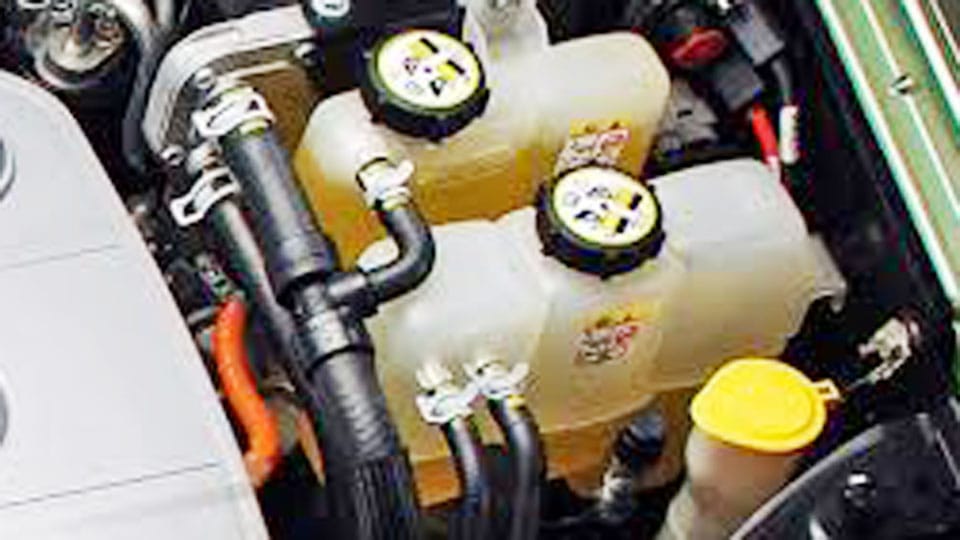
Photos by underhoodservice
I’ve spent a lot of time researching and working with different types of vehicles, including hybrids. From their cooling systems to the unique way they use energy, hybrids work a little differently than gas-powered cars. But does that mean they overheat more often? Do they require special maintenance?
Let’s break it down so you can understand how hybrids handle heat, what extra fluids they might need, and how to keep them in top shape.
Do Hybrid Cars Run Hotter Than Regular Cars?
Hybrid cars use both a gasoline engine and an electric motor. Since they have two power sources, it’s natural to wonder if that means more heat buildup. The short answer? Not necessarily.
Why Hybrid Cars Stay Cooler:
Less engine usage: Hybrids rely on their electric motor at low speeds, meaning the gas engine runs less frequently. Less running time = less heat.
Efficient design: Hybrid engines are typically smaller and more efficient, so they don’t generate as much heat as big, powerful gas engines.
Regenerative braking: Instead of using friction-based brakes that generate heat, hybrids use regenerative braking to slow down. This reduces heat production.
When Hybrids Might Run Hotter:
- During long drives: On highways or when climbing steep hills, the gas engine works harder, leading to more heat.
- Battery cooling struggles: Hybrid batteries generate heat, especially in hot weather. If the cooling system isn’t working properly, this heat can build up.
- Heavy loads: If you’re carrying extra weight or towing something, both the gas engine and battery will work harder, producing more heat.
So, while hybrids don’t automatically run hotter, they do have some unique cooling challenges.
Do Hybrid Cars Need Extra Fluids?
Yes, hybrids do require some additional fluids and maintenance compared to traditional gas cars. Since they have extra components like battery cooling systems, regenerative braking, and an electric motor, they need specific fluids to function properly.
Here’s a breakdown of the fluids hybrid cars need and how they compare to regular gas cars.
Essential Fluids for Hybrid Cars
| Fluid Type | Needed in Regular Cars? | Extra Important for Hybrids? | Purpose in Hybrid Vehicles |
|---|---|---|---|
| Engine Oil | Yes | Same as gas cars | Lubricates the gas engine |
| Coolant | Yes | More important | Cools both the engine and hybrid battery |
| Transmission Fluid | Yes | Hybrid-specific types | Lubricates transmission and hybrid components |
| Brake Fluid | Yes | Same as gas cars | Maintains braking performance |
| Battery Coolant | No | Unique to hybrids | Keeps the hybrid battery from overheating |
| Inverter Coolant | No | Critical for hybrids | Cools the inverter that converts electricity |
As you can see, hybrids use most of the same fluids as gas cars, but they also need a battery coolant and inverter coolant, which are specific to hybrid systems.
Let’s take a closer look at some of these.
Engine Oil in Hybrid Cars: Do You Need to Change It as Often?
Yes, hybrid cars still need regular oil changes, but they may not need them as often.
Why?
- The gas engine doesn’t run all the time, so oil doesn’t break down as quickly.
- Some hybrids use synthetic oil, which lasts longer than conventional oil.
When Should You Change the Oil?
Most hybrid manufacturers recommend changing the oil every 5,000 to 10,000 miles, depending on the type of oil used. However, always check your owner’s manual to see the recommended interval for your specific car.
Coolant: The Most Important Fluid for Hybrids
Cooling systems in hybrids are more complex because they don’t just cool the engine—they also cool the high-voltage battery and the inverter (which converts electricity from the battery to power the electric motor).
Two Types of Coolants in Hybrids:
- Engine Coolant – Keeps the gas engine from overheating.
- Hybrid Battery Coolant – Cools down the battery pack to prevent overheating and damage.
How Often Should You Change Coolant?
- Engine coolant: Every 30,000 to 50,000 miles (varies by car).
- Hybrid battery coolant: Usually every 50,000 to 100,000 miles, depending on the manufacturer.
Signs Your Hybrid Needs a Coolant Change:
- The engine runs hotter than usual.
- Battery overheating warning appears on the dashboard.
- Coolant looks dirty or low.
If you’re in a hot climate, it’s even more important to check and replace coolant regularly.
Transmission Fluid in Hybrids
Hybrid cars have different transmissions than traditional gas cars. Some have continuously variable transmissions (CVTs), which use a different type of transmission fluid.
Do Hybrids Need Transmission Fluid?
Yes, but the type depends on the specific hybrid system. Some hybrids use a unique eCVT (electronic continuously variable transmission) that needs special fluid.
When to Change Transmission Fluid?
- Some hybrid transmissions are sealed for life, meaning they don’t require changes.
- Others should have fluid replaced every 60,000–100,000 miles.
Check your manual to see what’s recommended for your car.
Brake Fluid and Regenerative Braking
Since hybrid cars use regenerative braking, the brake pads last longer. But brake fluid is still needed to keep the hydraulic braking system working.
How Often Should You Change Brake Fluid?
- Every 3–5 years, or when it looks dirty.
- If your brakes feel spongy, you might need fresh fluid.
Even though hybrids use their physical brakes less often, brake fluid should still be checked regularly.
What Happens if You Ignore Hybrid Fluid Maintenance?
Neglecting fluid changes can lead to serious problems, just like with regular gas cars. Here’s what can happen:
- Old oil → Poor engine performance and possible damage.
- Low coolant → Engine and battery overheating, leading to costly repairs.
- Dirty transmission fluid → Transmission slipping or failure.
- Worn-out brake fluid → Reduced braking power and safety risks.
Regular fluid maintenance prevents expensive repairs and keeps your hybrid running smoothly.
FAQs
Do hybrids require special engine oil?
Most hybrids use the same engine oil as regular cars, but some require synthetic oil for better efficiency.
Can I use regular coolant in a hybrid car?
No, hybrids require specific coolants designed for their battery and inverter systems.
Do hybrid batteries overheat easily?
Not usually, but if the cooling system isn’t working properly, they can overheat—especially in hot climates.
How can I tell if my hybrid needs new fluids?
Look for low fluid levels, overheating warnings, sluggish performance, or dirty-looking fluids when checking under the hood.
Is it expensive to maintain a hybrid?
Hybrid maintenance is comparable to gas cars, but battery cooling systems and specialized fluids may add some costs.
Conclusion
Hybrid cars don’t necessarily run hotter than regular cars, but they have unique cooling needs that require extra attention. Their battery and inverter systems generate heat, so maintaining proper coolant levels is essential.
While hybrids use many of the same fluids as gas cars, they also require special coolants for their battery and electrical components. Keeping up with regular maintenance will ensure a smooth, fuel-efficient, and long-lasting hybrid experience.
If you’re already driving a hybrid or thinking about getting one, just remember: Fluids are the lifeblood of your car. Keep them fresh, and your hybrid will treat you well for years to come.

Hi, I’m Melvin, an automobile engineer with extensive experience in automobile equipment. I currently work for a local automobile firm, where I specialize in the car parts industry. I’ve had the opportunity to collaborate with seasoned inspectors, gaining invaluable hands-on experience that goes beyond just theory.
My passion for automotive care started at a young age, which led me to create CarSpareCare. Through CarSpareCare, I share the knowledge and skills I’ve acquired over the years to help others navigate the world of car maintenance and repairs.
My goal is to provide practical tutorials, essential safety advice, and the latest industry insights so that anyone—whether a beginner or an expert—can confidently tackle their automotive projects.