You know, I still remember the first time someone asked me, “Hey, do I really need these wheel locks on my new car?” We were standing in a driveway, coffee in hand, staring at the shiny new set of wheels on their brand-new ride. It’s a simple question—but the answer opens up a whole lot of interesting stuff about security, peace of mind, and how little parts can play big roles.
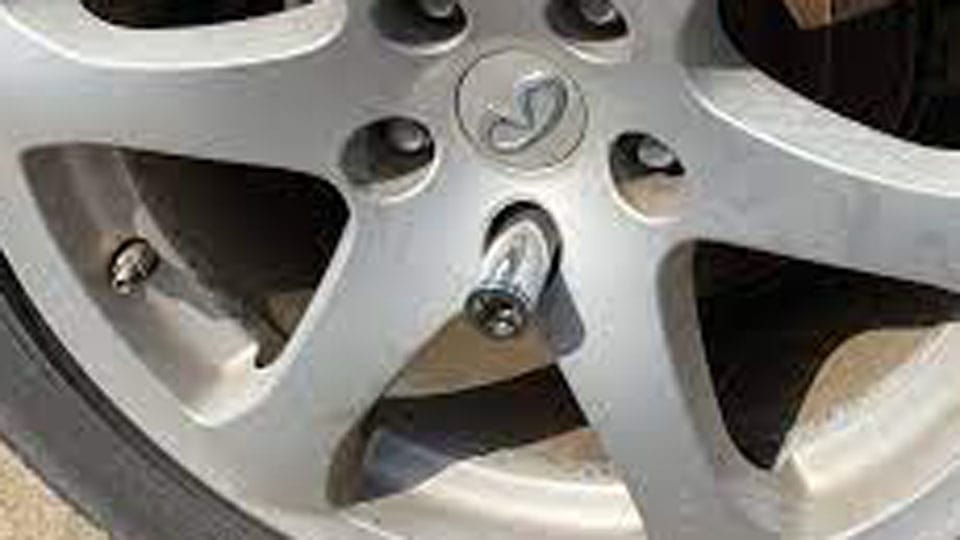
Photos by ifixit
Let’s talk about wheel locks. If you’ve just bought a new car or you’re thinking about upgrading your wheels, you’ve probably heard of them. Some dealers include them, others offer them as an optional accessory, and you might be wondering what they really do, whether you need them, and how they actually work.
Well, you’re in the right place. I’ve dealt with plenty of vehicles and aftermarket setups over the years, and wheel locks are something I always make sure people understand before they hit the road. They’re small, but trust me—they can save you a lot of money and frustration down the line.
Let’s dig into it and I’ll explain everything you need to know, nice and easy.
What Exactly Are Wheel Locks?
Wheel locks are a special type of lug nut designed to prevent thieves from stealing your car’s wheels or tires. They look a lot like standard lug nuts at first glance, but they have one important difference—they can only be removed with a matching “key.”
Think of it like a padlock on your wheel. Instead of being able to remove all your lug nuts with a regular wrench, a thief would need that unique wheel lock key to remove even one of the locked lugs. Without it, the wheel’s not going anywhere.
Why They Exist
It’s simple. Wheels, especially custom ones or OEM rims on high-end cars, are worth a lot of money. Thieves can make quick cash by stealing them, so wheel locks act as a deterrent. They buy you time, and in most cases, time is all you need to stop theft.
How Wheel Locks Work
So here’s how it works in real-world terms:
Each wheel on your car has multiple lug nuts. When you install wheel locks, you replace one lug nut on each wheel with a locking one. The locking nut has a special pattern on its face, kind of like a puzzle piece. The key, which usually looks like a socket adapter, fits that pattern and lets you unscrew it.
Without that exact key? Good luck. Even experienced thieves with tools will have a hard time taking them off quickly, and most won’t bother trying.
Are Wheel Locks Included on New Cars?
This is something I get asked a lot. It depends on the make, model, and dealership.
Common Scenarios:
| Situation | Are Wheel Locks Included? |
|---|---|
| High-end cars (e.g., BMW, Lexus, Audi) | Often included as standard or dealer-installed accessory |
| Mid-range models (Toyota, Honda, Ford) | Sometimes included, sometimes optional |
| Base models or economy cars | Usually not included unless requested |
Dealers might also include them as part of a security or appearance package. It’s always worth checking your new car paperwork or asking the salesperson if they’re already installed.
Where Is the Wheel Lock Key Stored?
The wheel lock key is a small, easy-to-misplace tool—and that’s why it’s crucial to know where it is. On most new cars, it’s stored:
- In the glove box
- Inside the trunk with the spare tire tools
- In a small pouch near the jack
- In a hidden compartment under the trunk floor
When you get a new car, make sure the key is present and you know where it’s kept. If you lose it, you’ll have a hard time changing a tire or rotating your wheels.
What Happens If I Lose the Key?
Losing the wheel lock key can be a real pain, but it’s not the end of the world. You have a few options:
- Check for the key code – Sometimes the original paperwork or the key itself has a code printed on it. You can use that to order a replacement.
- Call the dealership – They might have a master set or be able to match the pattern.
- Visit a tire shop – Some shops have removal tools for common lock patterns.
- As a last resort – The lock can be removed by a mechanic, but it may damage the wheel or stud.
It’s always a good idea to keep your lock key in the car but not just lying around where anyone can find it.
Are Wheel Locks Really Worth It?
Let’s be real. No anti-theft device is 100% foolproof. But wheel locks are a solid layer of protection—especially if you have expensive wheels, live in an area with higher crime, or just want some added peace of mind.
Here’s what I usually tell people:
Use wheel locks if:
- You have custom or performance wheels
- You park your car outside overnight
- You live in a high-traffic urban area
- Your car is often left unattended in public places
You might skip them if:
- You have steel wheels or hubcaps
- You park in a locked garage every night
- You don’t want the hassle of keeping track of the key
Personally, I use them. It’s a small price to pay for some peace of mind, and they’re easy to install.
Are All Wheel Locks the Same?
Nope! That’s a big one. Not all wheel locks are created equal. There are different brands, styles, and security levels.
Main Types of Wheel Locks
| Type | Description | Security Level |
|---|---|---|
| Basic spline drive | Common pattern | Low |
| Patterned locking nuts | Unique groove patterns | Medium |
| Tuned security bolts | Complex designs with rotating sleeves | High |
| OEM-specific locks | Designed for certain car brands | Medium to High |
Cheaper wheel locks are easier to break with universal tools. High-quality ones from trusted brands like McGard or Gorilla offer better protection with unique key patterns that are harder to duplicate.
If your new car came with basic locks, you might consider upgrading if you want more serious protection.
How to Install Wheel Locks
If you’re adding wheel locks yourself, it’s a pretty simple process. You just need a lug wrench and the wheel lock key.
Steps:
- Loosen the existing lug nut using a lug wrench.
- Remove one lug nut from each wheel.
- Replace it with a locking lug nut.
- Tighten it to the manufacturer’s recommended torque using the key.
Just be careful not to overtighten or cross-thread the new locks. Use a torque wrench if possible.
Pros and Cons of Wheel Locks
Let’s weigh them out, just to give you the full picture.
Pros:
- Added layer of theft protection
- Easy to install
- Relatively inexpensive
- Peace of mind in sketchy parking areas
Cons:
- Need to keep track of the key
- Can be lost or misplaced
- Might slow down roadside tire changes
- Not 100% theft-proof
It’s really about balance. If the pros outweigh the minor hassle of keeping the key handy, it’s a no-brainer.
How to Identify If Your Car Has Wheel Locks
Not sure if your new car already has them? Here’s how you can tell:
- Look closely at the lug nuts. One of them will look different—usually with a patterned or round face.
- Check the owner’s manual or new car paperwork.
- Look for a small black or silver “wheel lock key” socket in your glove box or trunk.
- Ask the dealership. They’ll know what was included at delivery.
If you just bought a used car, this check is even more important. You don’t want to get stuck with locked wheels and no key.
Wheel Locks vs Lug Nut Covers
This gets confused sometimes. Let’s clear it up:
- Wheel locks are actual lug nuts that need a key to remove.
- Lug nut covers are plastic or metal caps that go over your existing nuts. They’re cosmetic and offer no theft protection.
So if you see shiny little caps and think you’re safe—you might not be.
Tips for Managing Wheel Locks Like a Pro
Here’s what I’ve learned over the years:
- Always keep the key in the vehicle—but not too obvious. I like to tuck it in with the jack or in a pouch under the trunk liner.
- Make a note or photo of the key code, just in case.
- If you’re rotating tires or getting new ones, remind the shop to use the key (and to put it back!).
- Don’t lose the key—replacing or removing locks can cost time and money.
Final Thoughts
So, what are wheel locks on a new car?
They’re small, specialized lug nuts that help protect your wheels from theft. One per wheel is all it takes to give potential thieves a hard time.
They’re not perfect, but they’re definitely a smart layer of protection—especially if your car has nice wheels or you park outside often.
If you’ve got a new car, check if they’re already installed. If not, they’re a simple and affordable upgrade that can save you a lot of stress down the line. I always say: it’s better to have them and not need them than to wake up to your car sitting on bricks.
Take care of your wheels, my friend. They’re what keep you moving.
Frequently Asked Questions
What is a wheel lock key?
A wheel lock key is a specially shaped tool that matches the unique pattern on your locking lug nuts. You need it to remove the locks without damaging your wheels.
Can I replace lost wheel locks without the key?
Yes, but it’s more difficult. A dealer or tire shop may be able to remove them using special tools, but it could damage the wheel. It’s best to keep your original key safe.
Do all cars come with wheel locks?
Not all. Some new cars include them, especially higher-end models, but many do not. They can usually be added by the dealer or installed yourself.
Can someone still steal my wheels if I have locks?
While it’s possible with the right tools, wheel locks make theft much harder and slower. Most thieves won’t take the risk or time when they see wheel locks.
How much do wheel locks cost?
A good set usually costs between $30 and $70. Premium brands with unique keys may cost more, but they offer better security.
Are wheel locks worth it on cheap wheels?
If your wheels don’t have much resale value, you might skip them. But even standard OEM wheels can cost hundreds to replace, so it’s still worth considering.

Hi, I’m Melvin, an automobile engineer with extensive experience in automobile equipment. I currently work for a local automobile firm, where I specialize in the car parts industry. I’ve had the opportunity to collaborate with seasoned inspectors, gaining invaluable hands-on experience that goes beyond just theory.
My passion for automotive care started at a young age, which led me to create CarSpareCare. Through CarSpareCare, I share the knowledge and skills I’ve acquired over the years to help others navigate the world of car maintenance and repairs.
My goal is to provide practical tutorials, essential safety advice, and the latest industry insights so that anyone—whether a beginner or an expert—can confidently tackle their automotive projects.