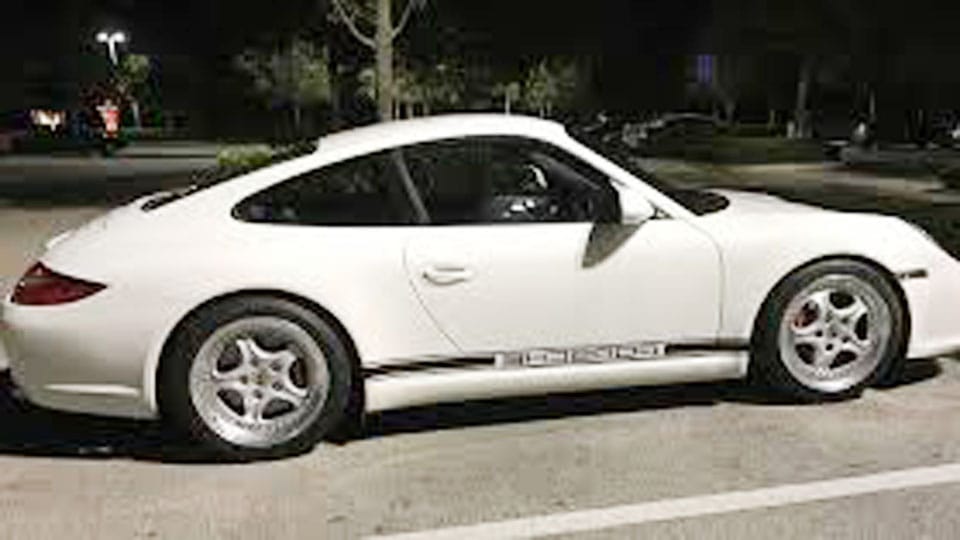
Let’s face it—wheels are one of those things we don’t think much about until we really have to. Whether it’s because of damage, an upgrade, or just curiosity, one question always pops up: How much do car wheels actually cost?
I’ve been around cars and tools most of my life. I’ve seen wheels bent from potholes, cracked from off-roading, and customized to the point where they look like art.
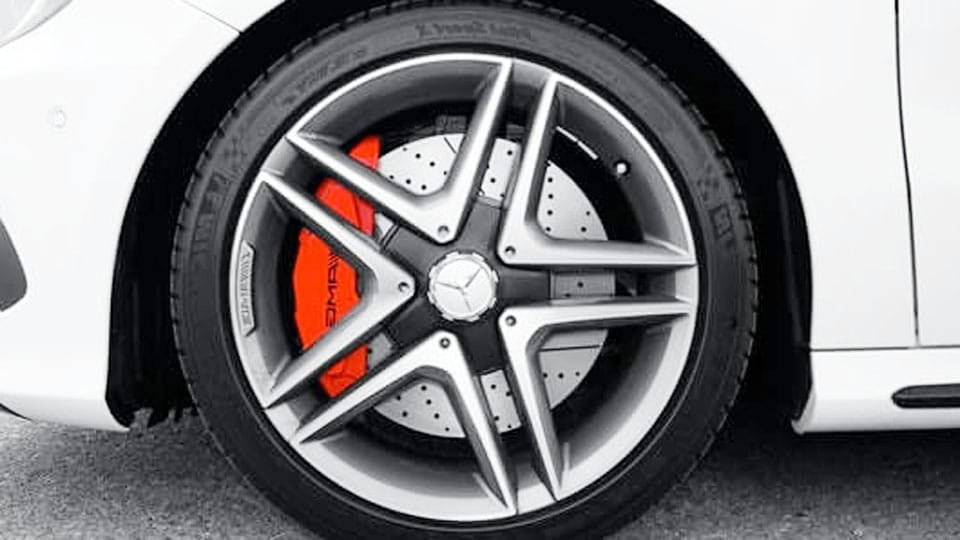
Photos by clickmechanic
If you’re sitting next to me asking this question, I’d tell you—it really depends on a few things. The size, material, brand, style, and whether you’re buying new or used all play a role in how much you’ll end up paying.
Let me walk you through everything I’ve learned about wheel costs so you can make the right choice—without overpaying or sacrificing safety.
Basics of Car Wheels
Before we talk dollars, let’s quickly touch on what a car wheel actually is. The term wheel sometimes gets mixed up with rim or tire, but here’s the simple breakdown:
- The wheel is the entire metal part that the tire mounts onto.
- The rim is technically just the outer edge of the wheel, but many people use it interchangeably.
- The tire is the rubber part that touches the road.
In this article, when I say “wheel,” I mean the whole metal structure.
Factors That Affect Car Wheel Cost
Now to the real question: why is there such a huge range in wheel prices? I’ve seen some wheels sell for $80 and others for over $1,000 each. Let me explain the main things that impact cost.
Wheel Size
Larger wheels cost more—plain and simple. A 14-inch steel wheel will cost a lot less than a 20-inch alloy wheel. Bigger wheels also tend to need wider, more expensive tires, so the total price can climb quickly.
Material
Wheels are made from different materials, and each type affects cost, performance, and durability.
- Steel wheels – Cheapest, strong, but heavy. Mostly seen on older vehicles or base trims.
- Alloy wheels – Lightweight, stylish, and common on modern cars.
- Forged wheels – Strongest and lightest, used in racing and high-performance vehicles. Very expensive.
- Chrome or custom-coated wheels – Add extra cost for looks but don’t always improve performance.
Brand and Quality
Well-known brands charge more—and for good reason. You’re paying for design, engineering, and quality control. Cheap off-brand wheels might save you money up front but can crack or wear out faster.
Style and Finish
A plain silver five-spoke wheel costs way less than a deep-dish chrome wheel with intricate design. Polished, painted, blacked-out, or colored finishes also raise the price.
Vehicle Type
If you’re driving a standard sedan like a Honda Civic, your wheel costs will be lower. But if you own a heavy-duty truck or luxury SUV, expect to pay more. Some wheels are engineered to handle more weight, and that engineering isn’t cheap.
Price Ranges for Car Wheels in the USA
Here’s a general idea of what you can expect to pay for one wheel based on the type and quality:
| Wheel Type | Price Range (Per Wheel) |
|---|---|
| Steel (Basic) | $50 – $100 |
| OEM Alloy (Factory) | $150 – $400 |
| Aftermarket Alloy | $100 – $600 |
| Forged Alloy | $500 – $2,000+ |
| Chrome or Custom | $300 – $1,500+ |
| Used Wheels | $40 – $250 |
Keep in mind that this is for one wheel only, and doesn’t include tires, mounting, balancing, or alignment.
OEM vs Aftermarket Wheels
This is one of the biggest decisions people face when shopping for wheels.
OEM (Original Equipment Manufacturer) wheels are made by or for the car’s manufacturer. They’re designed to fit perfectly and maintain your vehicle’s original performance and look. They tend to be more expensive but offer peace of mind.
Aftermarket wheels are made by third-party companies. They offer more variety and are often cheaper. But quality can vary a lot, and some may not fit or perform as well.
If you’re upgrading for looks or performance, aftermarket is great. But if you’re replacing a damaged wheel, OEM might be the better bet.
Buying New vs Used Wheels
I’ve bought both new and used wheels over the years, and honestly, both have their pros and cons.
New Wheels:
- Clean and perfect
- Full warranty
- Better selection
- Higher cost
Used Wheels:
- Big savings
- Limited availability
- Risk of hidden damage
- May need cleaning or refinishing
If you’re buying used, check for cracks, bends, corrosion, or bad repairs. Stick to local sellers where you can inspect the wheels in person, or buy from a trusted used parts dealer.
Hidden Costs Most People Miss
You know how it goes—you find the perfect set of wheels for $600, but then the final bill is over $1,000. Why? Because of all the extra costs people often forget:
- Tires – New wheels often require new tires, which can cost $400 to $1,200 for a set.
- Mounting and Balancing – Usually $15–$40 per wheel.
- TPMS Sensors – Required by law in most states. These add $40–$70 per wheel.
- Alignment – New wheels may affect your suspension geometry. Expect to pay $75–$150.
- Shipping – Online wheel purchases can have high shipping costs, especially for heavy sets.
Are Expensive Wheels Worth It?
This depends on your goals. If you’re all about performance, forged or lightweight alloy wheels can make a difference. If you want your ride to turn heads, stylish aftermarket wheels do the trick.
But if you just need reliable wheels to get from point A to B, you don’t have to break the bank. There are plenty of safe, affordable options.
It’s all about balance—your needs, your vehicle, and your budget.
Wheel Repair Costs vs Replacement
Sometimes, you don’t need to buy a whole new wheel. Small issues like curb rash or surface rust can be repaired. But cracks or deep bends? That’s usually when it’s safer to replace.
Here’s a quick look at repair vs replacement costs:
| Issue | Repair Cost (Each) | Replacement Cost (Each) |
|---|---|---|
| Curb Rash / Scratches | $50 – $150 | $100 – $600 |
| Bent Rim (Minor) | $75 – $200 | $150 – $800 |
| Cracked or Severely Bent | Not Recommended | $400 – $2,000 |
If the wheel is critical to your car’s safety and alignment, don’t risk a repair. Go with a replacement.
Where to Buy Car Wheels in the USA
Whether you’re shopping online or at a local shop, there are tons of options. Here are some of my favorite places to check:
- Online Retailers: Tire Rack, Discount Tire Direct, CarID, Amazon, and eBay
- Big Box Stores: Costco, Walmart Auto, Sam’s Club
- Local Tire Shops: Great for installation and personalized help
- Junkyards/Salvage Yards: For cheap OEM wheels
- Car Dealerships: For factory-fresh OEM wheels
I personally like to compare online prices and then see if my local shop will match or come close. That way, I get expert help and can support local businesses.
Tips to Save Money on Car Wheels
Let me give you some real-world advice I’ve picked up along the way:
- Buy sets instead of singles – Sellers often discount when you buy four wheels.
- Check for rebates or sales – Major brands often run seasonal deals.
- Consider factory take-offs – These are brand-new OEM wheels pulled from upgraded vehicles.
- Avoid exotic finishes – Stick with painted or machined finishes to cut costs.
- Don’t forget used options – Especially if you’re just replacing one wheel after damage.
Final Thoughts on Car Wheel Costs
So, how much do car wheels cost? As you’ve seen, there’s no one-size-fits-all answer. It can be as little as $50 for a basic steel wheel or well over $2,000 for a custom forged setup.
It all depends on your car, your style, and your goals.
If you just want something practical and affordable, you can get a good set for under $500. But if you’re into performance, show cars, or personalization, the sky’s the limit.
At the end of the day, wheels aren’t just a cosmetic upgrade—they’re a key part of your car’s safety, handling, and ride quality. So take your time, do your research, and don’t be afraid to ask for help from someone who’s been down that road before.
I’ve helped friends, family, and clients pick wheels over the years, and the best results always come from balancing function, style, and value.
FAQs
How much do four car wheels cost?
A complete set of four wheels can cost anywhere from $200 to over $8,000 depending on size, material, and brand.
Are wheels and rims the same thing?
Technically no. The rim is the outer edge of the wheel. But most people use the terms interchangeably.
Can I just replace one wheel?
Yes, but it’s best if the replacement matches the others in size and design to avoid balance or traction issues.
Why are forged wheels so expensive?
Forged wheels are made under extreme pressure, making them stronger and lighter than regular cast wheels. The process is more expensive, which drives up the cost.
Do bigger wheels cost more?
Yes. Bigger wheels use more material and are often paired with more expensive tires.
Are used wheels safe to buy?
Yes, if inspected properly. Avoid any with cracks, severe bends, or signs of previous welding repairs.
What’s the cheapest place to buy wheels?
Used parts yards, online marketplaces like eBay, and local classifieds can offer big savings if you’re comfortable with second-hand parts.

Hi, I’m Melvin, an automobile engineer with extensive experience in automobile equipment. I currently work for a local automobile firm, where I specialize in the car parts industry. I’ve had the opportunity to collaborate with seasoned inspectors, gaining invaluable hands-on experience that goes beyond just theory.
My passion for automotive care started at a young age, which led me to create CarSpareCare. Through CarSpareCare, I share the knowledge and skills I’ve acquired over the years to help others navigate the world of car maintenance and repairs.
My goal is to provide practical tutorials, essential safety advice, and the latest industry insights so that anyone—whether a beginner or an expert—can confidently tackle their automotive projects.