
Let’s talk about something a bit unexpected today—brake fluid and car paint. If you’re like me and you’ve spent years around garages, body shops, and welding bays, you’ve probably seen some strange chemical reactions happen. One question I’ve been asked quite a bit lately is: Does brake fluid really remove car paint?
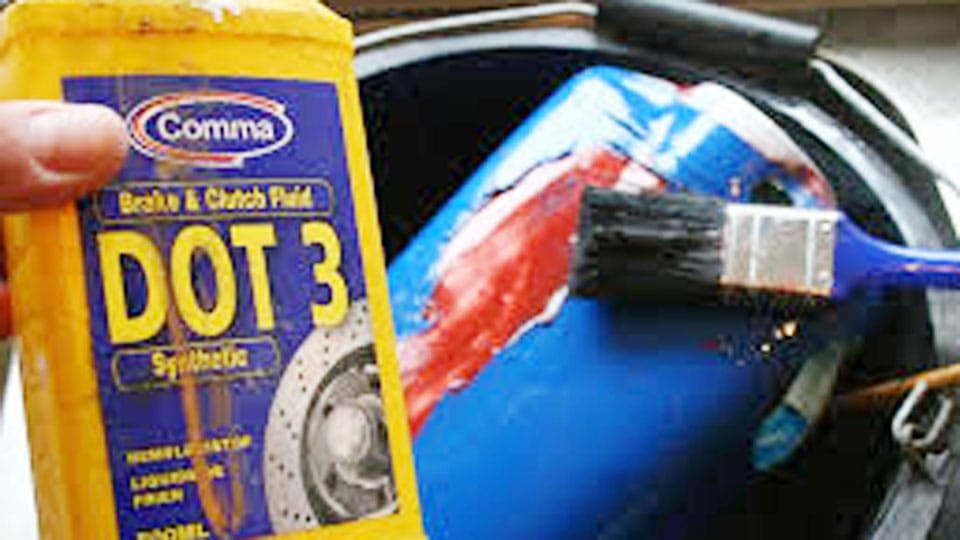
Image by modelflying
The answer is: yes, it absolutely can. But how, why, and when it happens is what we’re going to break down today. Whether you’re a DIY enthusiast, an auto mechanic, a welding expert, or just someone trying to protect their ride, this topic is worth your time.
Why Brake Fluid Affects Car Paint
Brake fluid isn’t just some slippery liquid that keeps your braking system working smoothly—it’s actually a highly reactive chemical compound.
Most traditional brake fluids are glycol-based, and these glycols are known to be aggressive solvents. That means they can break down or soften paint if they sit on a painted surface for too long.
Paint is designed to withstand weather, road debris, and even some chemicals, but brake fluid is a different beast. When brake fluid comes into contact with your car’s paint and is not wiped off quickly, it can penetrate the protective clear coat, soften the paint underneath, and eventually cause bubbling, peeling, or fading.
So yes—brake fluid can damage or remove car paint, especially if it’s left there too long. But let’s dive deeper.
How Quickly Can Brake Fluid Damage Paint?
Now, this really depends on a few things:
- The type of brake fluid used
- How long it sits on the paint
- The quality and age of the paint job
- Weather conditions (heat can speed up the process)
Here’s a quick table to show how different types of brake fluids affect paint:
| Type of Brake Fluid | Base Component | Paint Reaction Time | Severity of Damage |
|---|---|---|---|
| DOT 3 | Glycol-based | 10-30 minutes | High |
| DOT 4 | Glycol-based | 5-20 minutes | Very High |
| DOT 5 | Silicone-based | Several hours (or more) | Low |
| DOT 5.1 | Glycol-based | 5-15 minutes | Very High |
So if you accidentally spill DOT 3 or DOT 4 brake fluid on your car, and you don’t clean it immediately, you’re probably going to see some damage—fast.
What Happens to Car Paint After Brake Fluid Contact?
The first thing you’ll notice is the gloss starts to fade where the fluid landed. Then, if it’s not cleaned off, the paint may start to wrinkle or bubble. That area can peel away entirely, leaving the bare primer or even metal exposed.
Here’s what the stages typically look like:
- Dulling or discoloration – The clear coat loses its shine.
- Softening and bubbling – The paint starts to deform.
- Peeling or flaking – Layers begin to lift off the surface.
- Bare exposure – The metal or primer underneath is exposed.
It’s not a pretty sight. And once the damage is done, you can’t just polish it out. It usually requires repainting or at least a detailed touch-up.
Why Brake Fluid Was Used to Remove Paint (Old School Trick)
I want to share something a bit old-school. Back in the day, before commercial paint strippers were widely available, some folks actually used brake fluid intentionally to remove paint. Sounds crazy, but it’s true.
The reason? Brake fluid is cheaper, widely available, and very effective at softening paint. For small touch-up jobs, like cleaning up old paint on tools or parts, it worked well in a pinch. But it’s not recommended today, and here’s why:
- It’s messy and hard to control.
- It can damage plastic or rubber parts.
- It’s not environmentally friendly.
- It takes longer than modern paint strippers.
- It can damage the underlying surface if not used carefully.
So yes, brake fluid can remove paint—but it’s not a great tool for that anymore.
Should You Be Worried About Brake Fluid Spills?
Absolutely—especially if you care about your car’s paint job. Even a few drops of brake fluid can leave permanent damage. If you’re topping off your fluid or bleeding the brakes and some accidentally drips onto the fender, you’ve got to act quickly.
Here’s what to do immediately if you spill brake fluid on car paint:
- Blot, don’t wipe – Use a clean microfiber cloth to blot it gently. Wiping might spread it further.
- Wash with soapy water – As soon as you’ve blotted, wash the area with mild soap and water.
- Rinse thoroughly – Use clean water to rinse off all the residue.
- Dry and inspect – Make sure it’s completely dry and check for any signs of damage.
- Apply wax or polish – If no damage has occurred, put a layer of wax to re-seal the surface.
How to Protect Your Car During Brake Maintenance
When you’re doing brake work—especially bleeding or replacing fluid—it’s smart to take a few simple precautions:
- Cover surrounding areas – Use a fender cover or even an old towel.
- Use a funnel or turkey baster – It helps avoid spills when pouring fluid.
- Work in a shaded or cool area – Heat can accelerate chemical reactions.
- Keep clean water and cloths nearby – So you can react instantly if there’s a spill.
I’ve learned the hard way that even a small mistake can lead to a big problem when it comes to fluids around cars. Prevention is your best friend here.
Can You Reverse the Damage?
Sadly, once brake fluid has damaged the paint, there’s not a quick fix. You might try polishing or buffing if the damage is light, but usually, the paint will need to be touched up or re-applied.
For small spots, a touch-up paint kit can work. But for larger or deeper damage, it’s best to consult a professional body shop. They’ll sand it down, re-prime, repaint, and re-clear coat the area to restore the finish.
What About Using Brake Fluid to Intentionally Strip Paint?
I get asked this surprisingly often: “Can I use brake fluid to strip paint on purpose?”
Well, you can, but I wouldn’t recommend it. Brake fluid is not designed for that. It’s slow, messy, inconsistent, and hard to clean up. There are much better options out there like:
- Automotive paint strippers
- Sandblasting
- Heat guns (for certain applications)
- Chemical peelers made specifically for cars
As someone who works with metals and coatings all the time, I’d say stick with proper products. They’re safer, more effective, and give you better control over the outcome.
Safe Alternatives to Remove Car Paint
If you really need to remove car paint—for welding prep, restoration, or repainting—use tools that are built for the job. Here are some solid options:
| Paint Removal Method | Best For | Notes |
|---|---|---|
| Automotive paint stripper | Large panels, thick paint | Follow safety instructions |
| Sandpaper or sanding disc | Spot treatment or blending | Use varying grit levels |
| Chemical peeler | Delicate or detailed areas | Great for trim and edges |
| Heat gun and scraper | Older paint, small jobs | Not suitable for all plastics |
| Media blasting | Rusted or complex surfaces | Must be done carefully |
All of these give you more precision and control compared to brake fluid. And most importantly, they don’t carry the same risk of damaging parts unintentionally.
Final Thoughts From My Experience
As someone who’s been around cars and welding gear for a long time, I can tell you this: the little things make a big difference. Something as simple as a few drops of brake fluid can ruin an otherwise perfect paint job if you’re not careful.
Brake fluid is powerful. That’s why it’s great at what it’s meant for—brakes. But when it comes to paint, it’s like a silent killer.
It doesn’t burn like acid, and it won’t bubble up instantly like some harsh chemicals—but give it time, and it’ll do damage that’s hard to reverse.
If you’re working on your own car, fixing up a project vehicle, or prepping metal parts for welding, just be cautious. Always wipe up spills, cover exposed surfaces, and treat brake fluid with respect.
We all love our cars. Keeping them in good shape means understanding what helps and what hurts. And now you know: brake fluid definitely falls into that “can hurt” category—especially for your paint.
Conclusion
Brake fluid can remove car paint, but not in a good way. It eats through the protective clear coat, softens the color layer, and can leave behind permanent scars on your car’s finish. It’s not something to play around with or use as a paint remover.
If you spill it, clean it up immediately. If you’re working around it, protect your paint. And if you’re considering it as a paint-stripping tool—there are better, safer options out there.
Keep your tools sharp, your hands steady, and your car paint protected. It’s those little steps that keep your vehicle looking great, no matter how old or new it is.
FAQs
Does DOT 3 brake fluid remove paint?
Yes, DOT 3 brake fluid is glycol-based and can quickly damage or remove car paint if left on the surface for more than 10–30 minutes.
Is brake fluid safe for cleaning car parts?
Brake fluid is not meant for cleaning. It’s designed for your brake system. Use dedicated cleaners for parts to avoid damaging paint, plastic, or rubber.
Can I use brake fluid to remove old paint from metal?
While brake fluid can remove paint, it’s not recommended. It’s messy, slow, and hard to control. Use proper paint strippers or sanding methods instead.
What should I do if I accidentally spill brake fluid on my car’s paint?
Blot it gently with a clean cloth, wash the area with soap and water, rinse thoroughly, and inspect for damage. Don’t let it sit.
Why does brake fluid damage paint so easily?
Brake fluid contains solvents like glycols that break down the clear coat and paint layers. It’s designed to be stable under pressure, not safe for painted surfaces.
How can I protect my paint during brake repairs?
Use covers, work slowly, avoid overfilling, and always have a cloth and soapy water nearby. Prevention is key to avoiding paint damage.

Hi, I’m Melvin, an automobile engineer with extensive experience in automobile equipment. I currently work for a local automobile firm, where I specialize in the car parts industry. I’ve had the opportunity to collaborate with seasoned inspectors, gaining invaluable hands-on experience that goes beyond just theory.
My passion for automotive care started at a young age, which led me to create CarSpareCare. Through CarSpareCare, I share the knowledge and skills I’ve acquired over the years to help others navigate the world of car maintenance and repairs.
My goal is to provide practical tutorials, essential safety advice, and the latest industry insights so that anyone—whether a beginner or an expert—can confidently tackle their automotive projects.

