
Hey buddy, I’m glad you asked about sandpaper grit for automotive primer—because let me tell you, it makes a huge difference when you’re prepping a car for paint.
I’ve worked on more panels than I can count, and I’ve seen firsthand what happens when the wrong grit is used. It’s either too rough, which leaves deep scratches under the paint, or too smooth, and the primer doesn’t stick like it should.
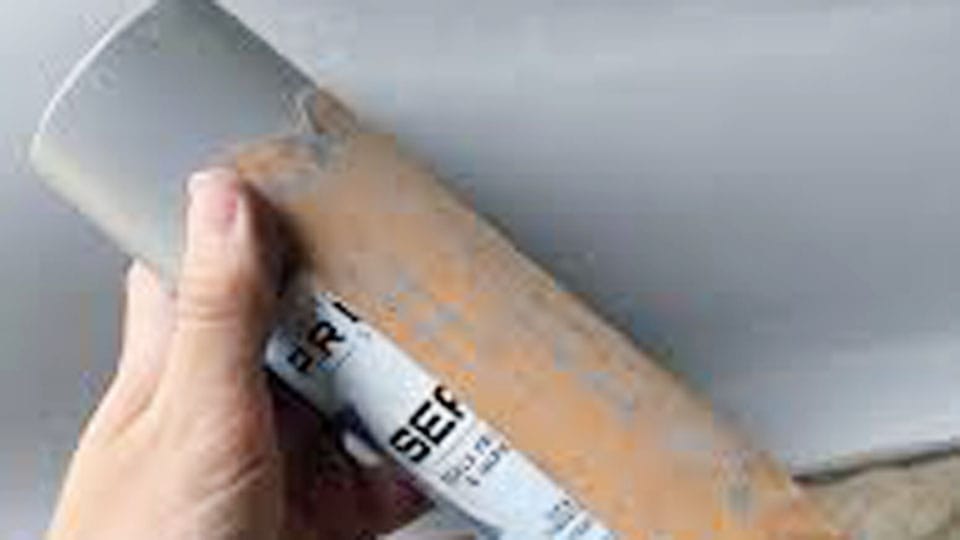
Photos by reddit
If you’re in the process of restoring a vehicle, touching up a spot, or even going all in with a full respray, getting the grit right is one of those simple but critical steps. I’ve explored this topic from every angle, and in this guide, I’ll break it down as if we’re sitting in your garage, just talking shop.
We’ll go through the best grit levels to use, when to use them, how to sand properly, and what mistakes to avoid. I’ll also add a few pro tips I’ve picked up along the way.
Why Sanding Matters Before and After Primer
Before we dive into the grit levels, it’s important to understand why sanding matters so much in the first place. Automotive paint systems are layered—metal, body filler, primer, base coat, and clear coat. Each one depends on a properly prepped surface.
Sanding does two big things:
- Creates a surface texture for the next layer to grip.
- Smooths out imperfections, like scratches, filler edges, or existing paint.
The wrong grit won’t just mess up the look—it can actually cause the paint to peel, crack, or not bond at all. That’s why this step is so important.
Understanding the Sandpaper Grit Ratings
Sandpaper is rated by grit number, and that number tells you how coarse or fine it is. Lower numbers mean coarser sandpaper; higher numbers are finer.
Here’s a quick breakdown:
| Grit Range | Type | Best Used For |
|---|---|---|
| 36–80 | Coarse | Removing old paint, shaping body filler |
| 100–180 | Medium | Initial prep, smoothing primer |
| 220–400 | Fine | Primer sanding before base coat |
| 600–2000+ | Ultra fine | Final wet sanding, polishing clear coat |
For working with automotive primer, we usually deal with the medium to fine range—somewhere between 180 to 400 grit. But let’s break it down further.
Best Grit Sandpaper for Sanding Before Applying Primer
When you’re prepping bare metal or body filler before spraying primer, your goal is to give the primer something to grip without leaving deep scratches that show through the paint.
180 Grit – The Go-To for Primer Prep
This is my personal favorite for prepping panels before applying primer. It’s aggressive enough to remove small imperfections, body filler highs and lows, and any surface rust, but still fine enough to give a good bite for primer.
If I’ve just finished some filler work, I’ll feather it out with 180 grit to make sure the transitions are smooth. Primer will lay down nicely over that.
150 Grit – When You Need More Cutting Power
If you’re working with rougher body filler or sanding down factory paint, 150 grit might help. Just remember, the deeper the scratches, the more layers of primer or filler you’ll need to smooth it out later.
I only use 150 grit when I know I’ll follow up with 180 or 220 to knock those grooves down before primer.
Best Grit Sandpaper for Sanding Primer Before Paint
Once your primer is dry and cured, the next sanding step is key. This is where you knock down texture, level out imperfections, and get a nice, smooth surface for base coat.
Here’s what I recommend:
320 Grit – Perfect for Primer Prep Before Base Coat
This is the sweet spot. 320 grit will smooth your primer without cutting too aggressively. It leaves just enough tooth for the base coat to adhere without visible scratches.
You can use it dry or wet, depending on your setup. I usually prefer wet sanding at this stage—it gives a cleaner finish and keeps dust down.
400 Grit – For a Smoother Finish
If you want a really slick surface—say, for metallic or pearlescent paints—go with 400 grit. It’ll reduce orange peel and help metallics lay down evenly.
Just remember, don’t go too smooth or the paint might not stick. 400 grit is about as fine as you want to go before base coat.
Should You Wet Sand or Dry Sand Primer?
This is a question I hear a lot. Honestly, both methods work—it just depends on your preference and the conditions you’re working in.
Wet Sanding
- Uses water to lubricate the sanding process
- Keeps dust down
- Produces a smoother finish
- Requires cleanup and more prep
I use wet sanding when working on final primer sanding before base coat. It gives me that glassy surface and reveals imperfections better.
Dry Sanding
- Quicker and easier
- Better for rough work or when shaping filler
- Creates more dust
I tend to dry sand in early stages—like before priming or when doing block sanding. Then I switch to wet sanding for the finesse work.
Grit Progression: A Simple Step-by-Step Process
If you’re doing a full paint job or major repair, you’ll go through a few stages. Here’s how I like to do it:
| Stage | Surface | Grit Range | Purpose |
|---|---|---|---|
| Step 1 | Old paint/body filler | 80–150 | Strip or shape surface |
| Step 2 | Prep before primer | 180–220 | Final smooth-out before primer |
| Step 3 | After primer dries | 320–400 | Sand smooth for base coat |
| Step 4 | Final finish (optional) | 600+ | Wet sand clear coat for polish |
This progression avoids big scratches and helps each layer stick the way it should.
Common Mistakes When Sanding Primer
Trust me, I’ve been there and made all the mistakes. Here are a few to avoid:
- Using sandpaper that’s too coarse on primer. It’ll leave scratches that show through paint.
- Not feathering edges properly. You’ll see rings and outlines after painting.
- Skipping sanding after primer. Even if it looks smooth, paint won’t bond without a little texture.
- Over-sanding. If you go too far, you can burn through the primer or even into the filler or metal underneath.
- Sanding too soon. Let the primer fully cure before sanding. If it’s still soft, it’ll gum up and make a mess.
Sandpaper Types: Which One Works Best?
Aside from grit, the sandpaper type makes a big difference. Here’s a breakdown of what I’ve used and why:
| Type | Best For | Notes |
|---|---|---|
| Aluminum Oxide | General sanding | Long-lasting, great for primer and paint prep |
| Silicon Carbide | Wet sanding | Sharp and consistent, ideal for smoothing primer before paint |
| Ceramic | Heavy-duty work | Aggressive cutting power, but overkill for primer |
| Foam-backed pads | Curved areas | Great for sanding around contours and edges |
When I’m working on primer, I usually reach for silicon carbide sheets if I’m wet sanding, or aluminum oxide discs for dry sanding with a DA (dual action) sander.
How to Know You’re Done Sanding Primer
Good question. You don’t want to underdo it or overdo it. Here’s what I look for:
- The surface feels smooth to the touch—no bumps or rough patches
- There’s a consistent dull appearance across the panel
- Any high or low spots are leveled out
- You’ve cleaned off all sanding dust and there’s no gloss or shine left
I’ll sometimes mist the panel with a “guide coat” (just a light dusting of a contrasting color) before sanding. That way, I can see where I’m sanding and when the panel is level.
Tips for Better Sanding Results
Here are some real-world tips I’ve picked up over the years:
- Use a sanding block whenever you can. It keeps things flat and avoids finger grooves.
- Work in even, overlapping passes. Don’t just spot-sand—it’ll leave uneven patches.
- Switch directions often. Crosshatch patterns help level the surface.
- Rinse your wet sandpaper often. Keeps it clean and working better.
- Use clean water when wet sanding. Dirty water just reintroduces grit.
Take your time. Sanding might not be flashy, but it makes or breaks the final paint job.
Conclusion
So, what grit sandpaper should you use for automotive primer? It depends on where you are in the process.
Before primer, go with 180–220 grit to get a smooth, clean surface. After primer, use 320–400 grit to level it out and prep for paint. You can dry sand early, then wet sand for a polished, professional finish.
I’ve learned that paying attention to these small details is what separates a “meh” paint job from one that looks like it rolled out of a showroom. And sanding is one of those details.
If you take the time, choose the right grit, and keep your technique clean, you’ll be amazed at how great your finish turns out.
And hey—if you ever need a second pair of eyes or hands in the garage, you know where to find me.
Frequently Asked Questions
Can I use 220 grit sandpaper before primer?
Yes, 220 grit is great for final prep before spraying primer. It gives just enough bite without scratching too deep.
Is 400 grit sandpaper too fine for primer sanding?
Not at all. 400 grit is excellent for smoothing out primer before applying base coat, especially if you’re doing wet sanding.
What grit should I use to remove old paint?
Use 80–120 grit for stripping old paint or rust. Follow up with 180 grit to prep the surface before primer.
Should I wet sand or dry sand automotive primer?
Both work, but wet sanding gives a cleaner, smoother finish. Dry sanding is quicker and better for early prep stages.
Can I sand primer the same day I apply it?
Only if it’s fully cured. Some primers dry fast, but others need 24–48 hours. Check the product label or do a fingernail test.
What happens if I use sandpaper that’s too rough?
You’ll leave deep scratches that can show through the paint or cause adhesion issues. Always move to a finer grit as you get closer to painting.
Can I paint over primer without sanding?
You can, but you shouldn’t. Always sand primer to create a surface the paint can stick to. Otherwise, it might peel or not bond properly.
Let me know if you’d like a printable chart or sanding cheat sheet for your garage wall—I’d be happy to help you with that too!

Hi, I’m Melvin, an automobile engineer with extensive experience in automobile equipment. I currently work for a local automobile firm, where I specialize in the car parts industry. I’ve had the opportunity to collaborate with seasoned inspectors, gaining invaluable hands-on experience that goes beyond just theory.
My passion for automotive care started at a young age, which led me to create CarSpareCare. Through CarSpareCare, I share the knowledge and skills I’ve acquired over the years to help others navigate the world of car maintenance and repairs.
My goal is to provide practical tutorials, essential safety advice, and the latest industry insights so that anyone—whether a beginner or an expert—can confidently tackle their automotive projects.

