Have you ever wondered what keeps your car’s wheels spinning smoothly as you cruise down the road? If you’re curious about “what is a wheel hub on a car?” you’re in for a treat. I’ve spent countless hours in my garage, wrenching on cars, and I’ve come to appreciate the unsung hero that is the wheel hub.
It’s a small but mighty part that plays a huge role in your car’s performance and safety. I’m excited to share what I’ve learned from years of tinkering, fixing, and exploring this topic.
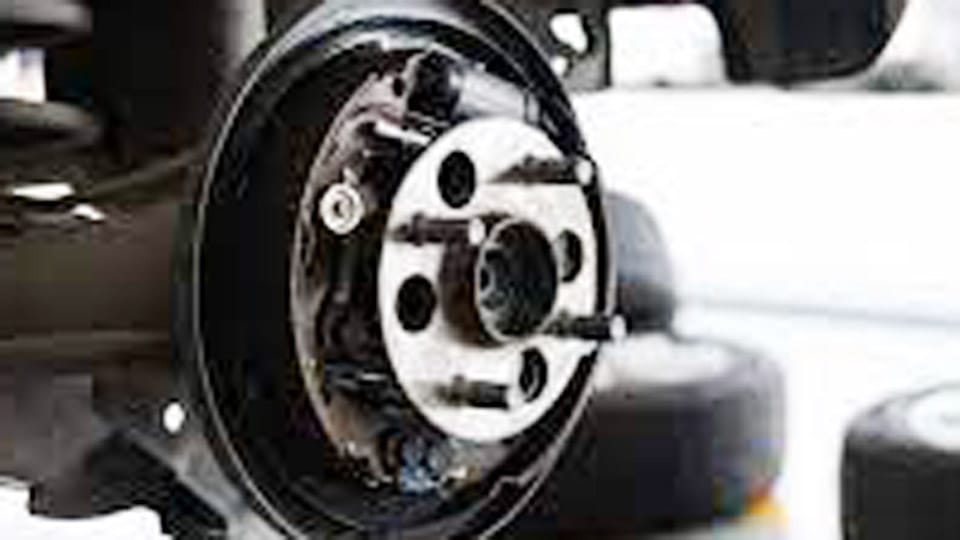
Photo by autozone
What Exactly Is a Wheel Hub?
A wheel hub is a metal component that connects your car’s wheel to the axle and suspension. It’s like the middleman that holds everything together, letting the wheel spin freely while supporting the car’s weight. The hub houses the wheel bearing, which reduces friction, and it’s bolted to the wheel and tire assembly.
I like to think of the wheel hub as the heart of the wheel system. Without it, your wheels wouldn’t turn properly, and you’d be stuck. I first noticed the hub when I changed a tire on my old sedan and saw this sturdy piece holding the wheel in place. It’s a critical part, and understanding it helps you appreciate how your car stays on the move.
Components of a Wheel Hub
A wheel hub isn’t just one piece—it’s an assembly with several parts working together. I’ve taken apart a few hubs, and here’s what I’ve found inside:
- Hub Body: The main metal piece that bolts to the wheel and axle. It’s tough and built to last.
- Wheel Bearing: A set of steel balls or rollers inside the hub that lets the wheel spin smoothly with minimal friction.
- Lug Studs and Nuts: These are the bolts and nuts that secure the wheel to the hub.
- ABS Sensor (if equipped): A sensor in some hubs that monitors wheel speed for the anti-lock brake system.
- Seals: Rubber or metal seals that keep dirt and water out of the bearing and hold in grease.
When I replaced a hub on my truck, I was amazed at how these parts fit together like a puzzle. Each one plays a role in keeping your wheels turning safely and quietly.
How Does a Wheel Hub Work?
The hub is mounted to the car’s axle or steering knuckle, and the wheel bolts directly to it. As the axle spins (driven by the engine or transmission), the hub transfers that rotation to the wheel, making your car move. The wheel bearing inside the hub ensures the wheel spins smoothly without grinding or wobbling.
I noticed this in action when I jacked up my car and spun the wheel by hand—it glided effortlessly thanks to the hub’s bearing. The hub also supports the car’s weight, absorbs road shocks, and keeps the wheel aligned. It’s a hardworking part that does a lot behind the scenes.
Why Is the Wheel Hub Important?
You might be thinking, “Okay, but why should I care about the wheel hub?” Great question! The wheel hub is critical for several reasons:
- Smooth Driving: It ensures your wheels spin without friction, giving you a comfortable ride.
- Safety: A faulty hub can cause wheel wobble, poor handling, or even detachment, which is dangerous.
- Brake Performance: The hub connects to the brake rotor, so it affects how well your brakes work.
- Vehicle Stability: It keeps wheels aligned and stable, especially at high speeds or during turns.
I learned this the hard way when my car started vibrating, and I found a worn hub bearing. Replacing it made the ride smooth again and gave me peace of mind. A good hub keeps you safe and your car reliable.
Signs of a Bad Wheel Hub
How do you know if your wheel hub is going bad? I’ve seen a few telltale signs while working on cars. Here’s what to watch for:
- Vibrations: Shaking in the steering wheel or floor, especially at higher speeds.
- Noises: Grinding, humming, or growling sounds from the wheel area that get louder with speed.
- Wheel Play: If you jack up the car and wiggle the wheel, excessive movement suggests a bad hub.
- ABS Warning Light: A faulty hub sensor can trigger the ABS light on your dashboard.
- Uneven Tire Wear: A bad hub can misalign the wheel, causing tires to wear unevenly.
I caught a bad hub on my SUV when I heard a low hum that got worse on the highway. Checking it early saved me from bigger problems. If you notice these signs, it’s time to inspect your hub.
What Causes a Wheel Hub to Fail?
Wheel hubs are tough, but they don’t last forever. I’ve seen hubs fail for a few reasons:
- Worn Bearings: The bearing inside the hub can wear out from constant spinning, especially if it’s not lubricated.
- Water or Dirt Contamination: If seals break, water or dirt gets into the bearing, causing rust or grinding.
- Impact Damage: Hitting potholes, curbs, or rocks can bend the hub or damage the bearing.
- Poor Installation: If a hub isn’t torqued properly during repair, it can fail early.
- High Mileage: After 80,000-150,000 miles, hubs naturally wear out, especially in harsh conditions.
I hit a pothole once, and a few months later, my hub started humming. Regular checks and careful driving can prevent some of these issues, but wear is inevitable over time.
How to Inspect a Wheel Hub
Checking your wheel hub is something you can do at home. I do this every few months to catch problems early. Here’s my process:
- Jack Up the Car: Lift the wheel off the ground using a jack and secure it with jack stands.
- Wiggle the Wheel: Grab the wheel at 12 and 6 o’clock and shake it. Some play is normal, but excessive movement means a bad hub.
- Spin the Wheel: Rotate it by hand and listen for grinding or roughness. It should spin smoothly.
- Check for Noise: Drive slowly and listen for humming or growling that changes with speed.
- Inspect Visually: Look for damaged seals, grease leaks, or bent studs around the hub.
I found a bad hub on my friend’s car this way—the wheel wobbled like it was loose. A quick check can save you from a costly failure down the road.
Replacing a Wheel Hub
If your hub is bad, replacing it is the fix. I’ve done this a few times, and it’s a solid DIY job if you’re handy. Here’s how I do it:
- Buy the Right Hub: Get a hub assembly for your car’s make, model, and year. They cost $50-$200, depending on the vehicle.
- Gather Tools: You’ll need a jack, jack stands, socket set, torque wrench, breaker bar, and possibly a puller for stuck hubs.
- Remove the Wheel: Take off the tire to access the hub.
- Remove Brake Components: Unbolt the caliper and rotor (hang the caliper with wire to avoid damaging the hose).
- Unbolt the Hub: Remove the hub’s bolts (usually 3-4) from the steering knuckle. You may need to disconnect the ABS sensor.
- Pull the Old Hub: It might be stuck—use a puller or tap gently with a hammer.
- Install the New Hub: Bolt the new hub in place, reconnect the sensor, and torque bolts to spec (check your manual).
- Reassemble: Put back the rotor, caliper, and wheel. Torque lug nuts properly.
- Test Drive: Drive slowly to ensure no noises or vibrations.
I replaced a hub on my truck in about two hours, and it was like night and day—no more shaking. If you’re not comfortable, a shop charges $150-$400 per hub, including labor.
Signs and Causes of a Bad Wheel Hub
To make it clear, here’s a table summarizing the signs and causes of wheel hub issues:
| Sign | What It Feels/Sounds Like | Likely Cause |
|---|---|---|
| Vibrations | Shaking in steering wheel or floor | Worn bearing, bent hub |
| Grinding/Humming | Loud noise that increases with speed | Damaged bearing, contamination |
| Wheel Play | Wheel wobbles when shaken | Loose or worn hub/bearing |
| ABS Light | Dashboard warning light | Faulty ABS sensor in hub |
| Uneven Tire Wear | Tires wear faster on one side | Misaligned hub, damaged components |
This table is my cheat sheet for diagnosing hub problems. It helps me zero in on the issue fast.
Maintaining Your Wheel Hubs
Keeping your wheel hubs in good shape can extend their life. I’ve learned a few tricks to maintain mine:
- Drive Carefully: Avoid potholes, curbs, and rough roads that stress the hub.
- Check Seals: Look for damaged seals or grease leaks during tire rotations.
- Lubricate Bearings (if possible): Some older hubs allow greasing—check your manual.
- Inspect Regularly: Check for play or noise every 6 months or during maintenance.
- Use Quality Parts: Replace with OEM or trusted aftermarket hubs for durability.
I make it a habit to wiggle my wheels when I rotate tires. It’s a quick check that catches issues before they get serious.
Wheel Hub vs Wheel Bearing: What’s the Difference?
A common question I get is, “Isn’t the wheel bearing the same as the hub?” Not quite! The wheel bearing is part of the hub assembly, but they’re not identical. The bearing is the spinning component inside the hub that reduces friction. The hub is the entire unit, including the bearing, studs, and mounting points.
I confused these when I first started working on cars. In older vehicles, bearings were separate and could be replaced alone. Modern cars use sealed hub assemblies, so you replace the whole unit. Knowing this saves time when buying parts or explaining issues to a mechanic.
When to Call a Professional
Sometimes, a wheel hub job is too much for a DIYer. I know when to call in the pros. Here’s when I’d get help:
- Stuck Hub: If the hub won’t budge, a mechanic has tools to remove it safely.
- Complex Vehicles: AWD or luxury cars have trickier hubs that need special equipment.
- No Tools: You need a torque wrench and puller for a proper job.
- Persistent Issues: If vibrations or noises remain after replacement, there might be another problem.
I sent my friend’s Audi to a shop when the hub was rusted in place. It cost $300 but was done right. Expect $150-$500 for professional work, depending on the car.
Why Wheel Hubs Matter for Safety and Performance
A bad wheel hub isn’t just annoying—it’s a safety risk. Vibrations or wobbly wheels can make steering unpredictable, especially at high speeds or in emergencies. I’ve felt the unease of a shaky wheel on the highway, and it’s not fun. A failing hub can also damage brakes or suspension, leading to repairs costing $1,000 or more.
Keeping your hubs in good shape ensures smooth handling, reliable braking, and a comfortable ride. Plus, it’s satisfying to know your car’s ready for the road. I love the feeling of a quiet, steady drive after fixing a hub.
Conclusion
So, what is a wheel hub on a car? It’s the hardworking component that connects your wheel to the axle, letting it spin smoothly while keeping you safe. From housing the bearing to supporting your car’s weight, the hub does it all. Now you know how it works, how to spot problems, and how to maintain or replace it. I’ve loved diving into hubs in my garage—fixing one feels like giving your car a new lease on life.
FAQs
How do I know if my wheel hub is bad?
Look for vibrations, grinding or humming noises, wheel play, uneven tire wear, or an ABS warning light.
Can I drive with a bad wheel hub?
It’s risky. A bad hub can cause wobbly wheels, poor handling, or even detachment, so fix it ASAP.
How much does it cost to replace a wheel hub?
A hub costs $50-$200. DIY is cheaper, but a shop charges $150-$400 per hub, including labor.
How long do wheel hubs last?
Typically 80,000-150,000 miles, but potholes, rough roads, or poor maintenance can shorten their life.
Can a bad wheel hub affect my brakes?
Yes, it connects to the brake rotor, so a faulty hub can cause uneven braking or vibrations when stopping.

Hi, I’m Melvin, an automobile engineer with extensive experience in automobile equipment. I currently work for a local automobile firm, where I specialize in the car parts industry. I’ve had the opportunity to collaborate with seasoned inspectors, gaining invaluable hands-on experience that goes beyond just theory.
My passion for automotive care started at a young age, which led me to create CarSpareCare. Through CarSpareCare, I share the knowledge and skills I’ve acquired over the years to help others navigate the world of car maintenance and repairs.
My goal is to provide practical tutorials, essential safety advice, and the latest industry insights so that anyone—whether a beginner or an expert—can confidently tackle their automotive projects.