
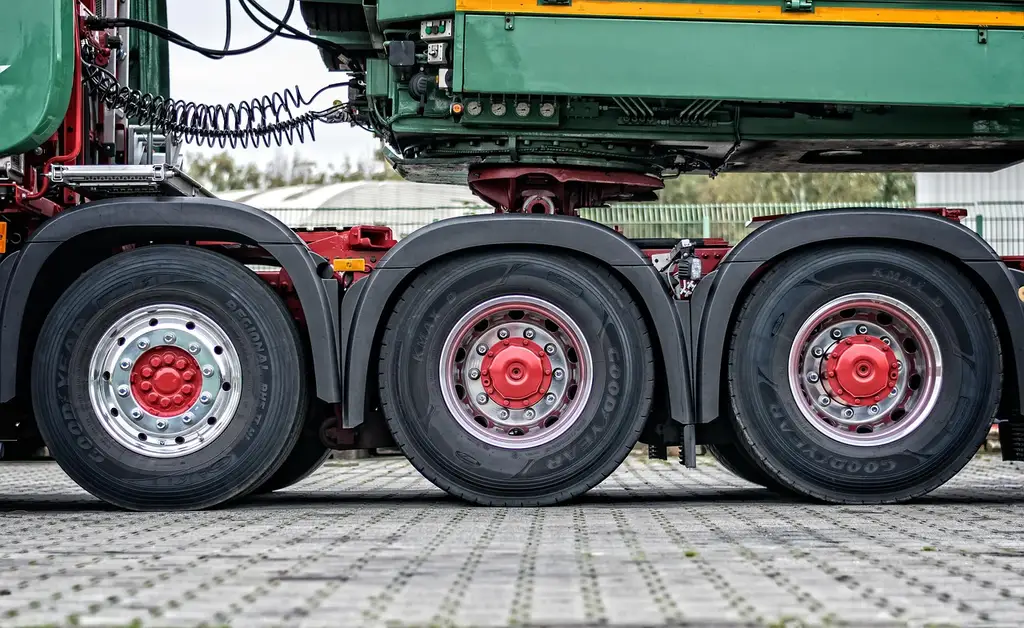
What Is Wheel Load Rating and Why It Matters for Towing
Wheel load rating is the maximum weight one wheel can safely carry. This guide explains the rating, the per-wheel math, and what happens if you ignore it.

Wheel load rating is the maximum weight one wheel can safely carry. This guide explains the rating, the per-wheel math, and what happens if you ignore it.

Check the back of the wheel for an OEM part number. Aftermarket wheels usually show a brand, size, or load rating instead.

Use a contamination-based rule: dust gets a blower or dry microfiber, light grime gets a pH-neutral rinse or rinseless wash, and grit gets a full wash.

Yes—bad shocks or struts can cause braking instability, especially with nose dive, tire skip, or pull during braking.

Distilled water is safe only for flooded lead-acid batteries with removable caps; sealed, AGM, and gel batteries should not be opened or topped up.
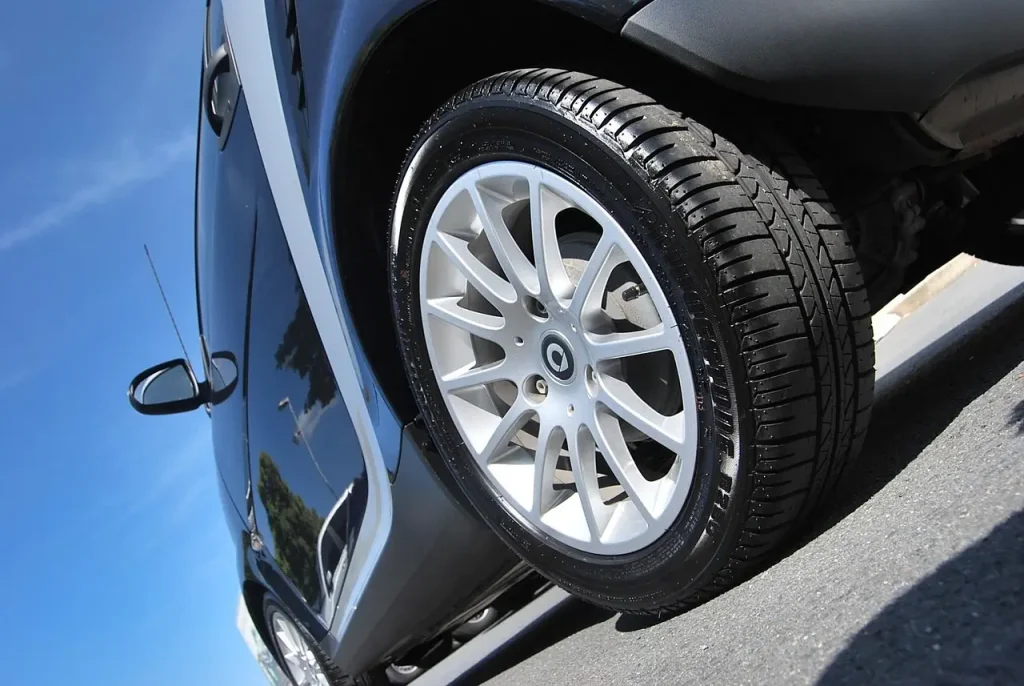
Forged wheels pay off for track use, heavy vehicles, and tight fitments. For daily commuters, the price premium is hard to justify.

A missing wheel cover is usually cosmetic. If the wheel, lug nuts, and tire are intact, driving is normally fine; if anything is loose, stop and inspect it.

Find the key code first; without it, a tyre shop or mobile lock specialist is the safest route.
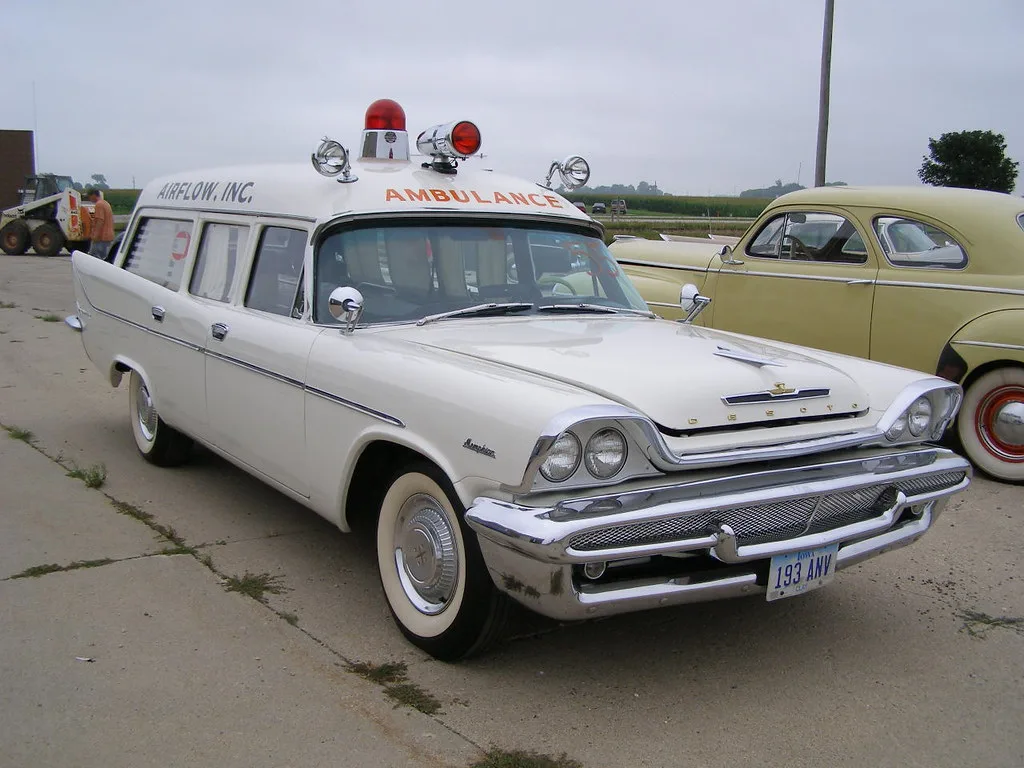
Store the wheel lock key with the car, the code, and the lug-nut tool kit so tire work can start without delay.

Soak the lug nut, use a 6-point socket, and break it loose with steady force; if it still won’t move, reapply penetrating oil and use controlled heat on the nut only.