If you’ve ever wondered what makes your car’s steering feel smooth and effortless, especially in heavy vehicles like trucks or muscle cars, you’re in for a treat. I’ve spent years tinkering with cars, and one system that always fascinated me is hydroboost power steering.
It’s a clever setup that uses hydraulic pressure to make steering a breeze, even in big rigs. When I first learned how it works, I was amazed at how simple yet powerful it is.
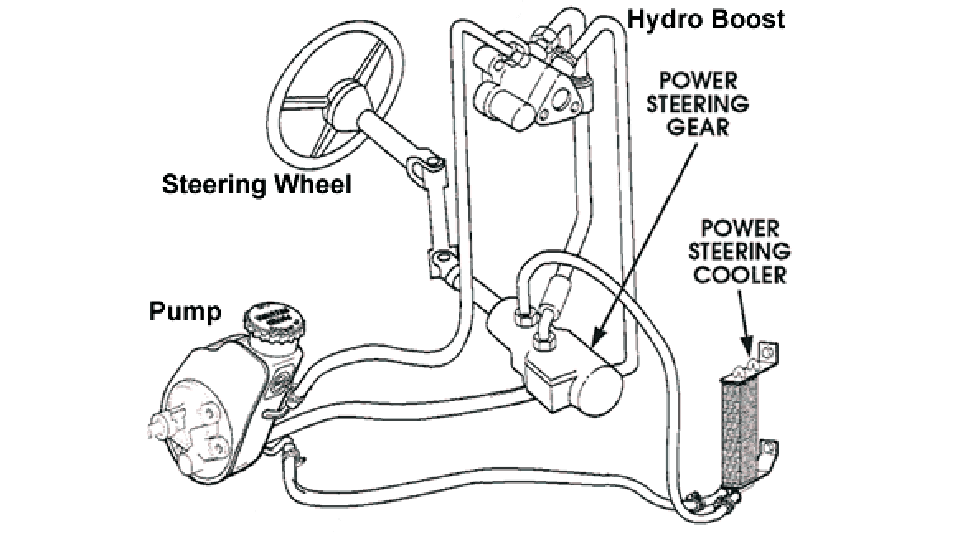
Image by superturbodiesel
I’m going to walk you through everything I’ve discovered about hydroboost power steering, step by step. If you’re a car enthusiast, a mechanic, or just curious, I’ll break it down so you can understand it like a pro. Let’s dive in and explore this awesome system.
What is Hydroboost Power Steering?
Let’s start with the basics. Hydroboost power steering is a system that helps you steer your vehicle with less effort. Unlike traditional power steering, which often relies on a belt-driven pump, hydroboost taps into the hydraulic pressure from your power steering pump or brake system. I first encountered it when working on a friend’s diesel truck. The steering was so smooth, it felt like turning a sports car!
This system is common in heavy-duty vehicles, like trucks, SUVs, and performance cars, where extra steering force is needed. It’s reliable, efficient, and packs a punch when you need precise control. Understanding how it works makes you appreciate the engineering behind your vehicle’s handling.
Why Use Hydroboost Instead of Traditional Power Steering?
When I started digging into hydroboost, I wondered why it’s used over regular power steering. Traditional power steering uses a pump driven by the engine’s belt to create hydraulic pressure.
It works great for smaller cars, but in bigger vehicles, it can struggle. I noticed this when driving an old van—the steering felt heavy at low speeds.
Hydroboost solves this by using hydraulic fluid under high pressure, often shared with the brake system. This makes it more powerful and responsive, especially in demanding situations like towing or off-roading. Plus, it’s less taxing on the engine since it doesn’t rely solely on a belt-driven pump. I’ve seen hydroboost shine in trucks hauling heavy loads—it’s like giving the steering super strength!
Key Components of a Hydroboost System
To get how hydroboost works, you need to know its main parts. I’ve taken apart a few systems, and it’s like a puzzle that fits together perfectly. Here’s what makes it tick:
| Component | Purpose |
|---|---|
| Power Steering Pump | Generates hydraulic pressure for the system. |
| Hydroboost Unit | Converts hydraulic pressure into steering and braking assistance. |
| Hydraulic Lines | Carry high-pressure fluid between components. |
| Accumulator | Stores pressure to ensure consistent performance. |
| Steering Gear | Transfers the hydraulic force to the wheels for steering. |
| Reservoir | Holds hydraulic fluid for the system. |
| Control Valve | Directs fluid flow based on steering input. |
Each part has a job, and when they work together, you get smooth, effortless steering. I’ll explain how they interact as we go through the process.
How Hydroboost Power Steering Works: The Process
Hhow does this system actually work? I love explaining this because it’s like telling a story about engineering magic. Here’s the step-by-step breakdown based on what I’ve seen under the hood.
Step 1: Generating Hydraulic Pressure
Everything starts with the power steering pump. This pump, usually driven by the engine’s belt, pulls hydraulic fluid from the reservoir and pressurizes it. I’ve watched the pump in action—it’s like a heart pumping life into the system. The high-pressure fluid is sent to the hydroboost unit, ready to do some heavy lifting.
Step 2: The Hydroboost Unit Kicks In
The hydroboost unit is the star of the show. It’s a compact device that uses hydraulic pressure to amplify your steering effort. When you turn the steering wheel, a control valve inside the unit opens, letting pressurized fluid flow in. I took one apart once, and it’s amazing how precise the valve is—it responds instantly to your input.
The fluid pushes a piston, which multiplies the force you apply to the wheel. This is why steering a 6,000-pound truck feels so easy. The hydroboost unit also ties into the brake system in many vehicles, sharing pressure to assist with braking too. It’s like a two-for-one deal!
Step 3: Directing Force to the Steering Gear
Once the hydroboost unit amplifies your steering effort, the hydraulic force moves to the steering gear (or rack-and-pinion system). This is where the rubber meets the road—literally. The steering gear translates the hydraulic pressure into mechanical movement, turning the wheels left or right.
I’ve worked on steering gears, and they’re built tough to handle the force. Whether you’re making a tight turn or cruising straight, the gear ensures your wheels follow your command smoothly.
Step 4: Maintaining Consistent Pressure
Here’s where the accumulator comes in. This small tank stores pressurized fluid, acting like a backup battery. If the pump slows down (like at low engine speeds), the accumulator releases stored pressure to keep the system responsive. I noticed this when idling in a hydroboost-equipped truck—the steering stayed light even at a standstill.
The accumulator is a small but mighty part. Without it, you’d feel the steering get heavy during slow maneuvers, like parking.
Step 5: Recycling the Fluid
After doing its job, the hydraulic fluid flows back to the reservoir through return lines. The pump pulls it again, and the cycle repeats. I always check the fluid level in the reservoir during maintenance. Low or dirty fluid can make the system sluggish, so keeping it topped off is key.
This closed-loop system is efficient and keeps the hydroboost running smoothly. It’s one reason I love working on these setups—everything is designed to work in harmony.
Advantages of Hydroboost Power Steering
After years of driving and repairing vehicles with hydroboost, I can vouch for its benefits. Here’s why I think it’s awesome:
- Powerful Assistance: It makes steering heavy vehicles feel effortless, even under load. I’ve towed trailers with hydroboost trucks, and the control is unreal.
- Compact Design: The hydroboost unit is smaller than traditional power steering setups, saving space under the hood.
- Shared System: In many vehicles, it works with the brake system, reducing the need for extra components.
- Reliable at Low Speeds: The accumulator ensures smooth steering during parking or crawling off-road.
- Less Engine Strain: Unlike belt-driven systems, hydroboost is efficient, so it doesn’t bog down the engine.
I’ve driven older trucks without hydroboost, and the difference is night and day. This system makes big vehicles handle like a dream.
Common Issues and How to Spot Them
No system is perfect, and I’ve run into a few hydroboost hiccups. Here’s what I’ve learned to watch for:
- Low Fluid Levels: If the reservoir is low, steering can feel heavy or jerky. I check the fluid monthly and top it off with the right type (usually power steering fluid or ATF).
- Leaky Lines: Hydraulic lines can wear out, causing pressure loss. I once found a slow leak that made the steering sluggish—tightening a fitting fixed it.
- Worn Pump: A failing pump can’t generate enough pressure. If steering and braking both feel off, I suspect the pump.
- Air in the System: Air bubbles can make steering spongy. Bleeding the system (like bleeding brakes) usually solves it.
- Accumulator Failure: If steering gets heavy at low speeds, the accumulator might be shot. I had to replace one once, and it restored the system’s smoothness.
Regular maintenance catches most issues early. I always keep an eye on fluid condition and listen for odd noises, like whining from the pump.
Maintaining Your Hydroboost System
Keeping your hydroboost system in top shape is easy if you stay proactive. Here’s my routine based on years of wrenching:
- Check Fluid Regularly: I pop the reservoir cap every month to check the level and color. Clean, clear fluid is a good sign. If it’s dark or gritty, I flush and replace it.
- Inspect for Leaks: I look under the vehicle for drips and check lines for cracks or loose fittings. A quick tighten can prevent bigger problems.
- Listen to the Pump: A healthy pump runs quietly. If it’s whining, it might be low on fluid or failing. I address it before it worsens.
- Test Steering Feel: During drives, I note how the steering responds. If it feels heavy or uneven, I troubleshoot right away.
- Flush the System Periodically: Every couple of years, I flush the hydraulic fluid to keep things fresh. It’s like an oil change for your steering.
I learned maintenance the hard way after neglecting a system that started acting up. A little care goes a long way to keep hydroboost performing like new.
Hydroboost vs. Traditional Power Steering: A Comparison
I often get asked how hydroboost stacks up against traditional power steering. Here’s a quick comparison based on my experience:
| Feature | Hydroboost Power Steering | Traditional Power Steering |
|---|---|---|
| Power Source | Hydraulic pressure from pump or brake system | Belt-driven pump |
| Best For | Heavy vehicles, trucks, performance cars | Smaller cars, light vehicles |
| Steering Feel | Strong, responsive, even at low speeds | Smooth but can feel heavy in big vehicles |
| Component Size | Compact, integrated with brakes | Larger pump and reservoir |
| Engine Load | Lower, more efficient | Higher, especially at low speeds |
| Maintenance | Fluid checks, leak inspections | Fluid checks, belt maintenance |
I’ve driven both, and hydroboost wins for heavy-duty applications. Traditional systems are fine for sedans, but they can’t match hydroboost’s muscle.
When is Hydroboost Used?
Hydroboost isn’t in every vehicle, but it’s a game-changer where it’s found. I’ve seen it in:
- Trucks and SUVs: Brands like Ford, Chevy, and Dodge use hydroboost in models like the F-250, Silverado, and Ram for towing and off-roading.
- Performance Vehicles: Some muscle cars, like older Mustangs or Camaros, use it for precise steering under high loads.
- Commercial Vehicles: Vans and buses often have hydroboost for easier handling with heavy payloads.
- Diesel Vehicles: The high torque of diesel engines pairs well with hydroboost’s efficiency.
I worked on a Chevy Silverado with hydroboost, and it handled like a much smaller vehicle. If you drive a big rig, chances are you’ve got this system.
Why I Love Hydroboost Power Steering
As a car guy, I’m a bit of a nerd about systems like hydroboost. It’s such a smart design—using hydraulic pressure to make steering and braking effortless without overworking the engine.
I’ve driven trucks with and without it, and hydroboost makes every turn feel confident. It’s reliable, powerful, and built to handle tough jobs.
I also love how it simplifies maintenance. A quick fluid check or line inspection keeps it running smoothly for years. Every time I steer a hydroboost-equipped vehicle, I’m reminded of how clever engineering can make driving more enjoyable.
Conclusion
Understanding how hydroboost power steering works is like peeking behind the curtain of automotive magic. From the pump generating pressure to the hydroboost unit amplifying your effort, every part plays a role in making steering smooth and powerful.
I’ve shared my hands-on experience—from wrenching on trucks to driving heavy loads—so you can appreciate this system as much as I do. If you’re maintaining your vehicle or just curious about what’s under the hood, hydroboost is a fascinating piece of engineering.
FAQs
Is hydroboost power steering better than traditional power steering?
For heavy vehicles, yes. It’s more powerful and efficient, especially for trucks or SUVs. Traditional systems work fine for smaller cars.
Can I drive if my hydroboost system fails?
You can, but steering and braking will be much harder. I’d get it fixed ASAP to stay safe.
How often should I check the hydroboost fluid?
I check mine monthly. Look for low levels or dirty fluid, and top off or flush as needed.
Does hydroboost affect my brakes?
In many vehicles, it shares pressure with the brake system. If steering feels off, check brakes too—they might be related.
Can I install hydroboost on any vehicle?
It’s possible but tricky. It’s designed for heavy vehicles, so retrofitting a small car might not be worth it. Consult a mechanic first.

Hi, I’m Melvin, an automobile engineer with extensive experience in automobile equipment. I currently work for a local automobile firm, where I specialize in the car parts industry. I’ve had the opportunity to collaborate with seasoned inspectors, gaining invaluable hands-on experience that goes beyond just theory.
My passion for automotive care started at a young age, which led me to create CarSpareCare. Through CarSpareCare, I share the knowledge and skills I’ve acquired over the years to help others navigate the world of car maintenance and repairs.
My goal is to provide practical tutorials, essential safety advice, and the latest industry insights so that anyone—whether a beginner or an expert—can confidently tackle their automotive projects.