Seeing the electric power steering (EPS) warning light on your dashboard can be frustrating, especially if you’re unsure what it means or how to fix it. Power steering is something most of us take for granted—until it stops working. When that light turns on, your steering might become heavier, less responsive, or, in some cases, completely unmanageable.
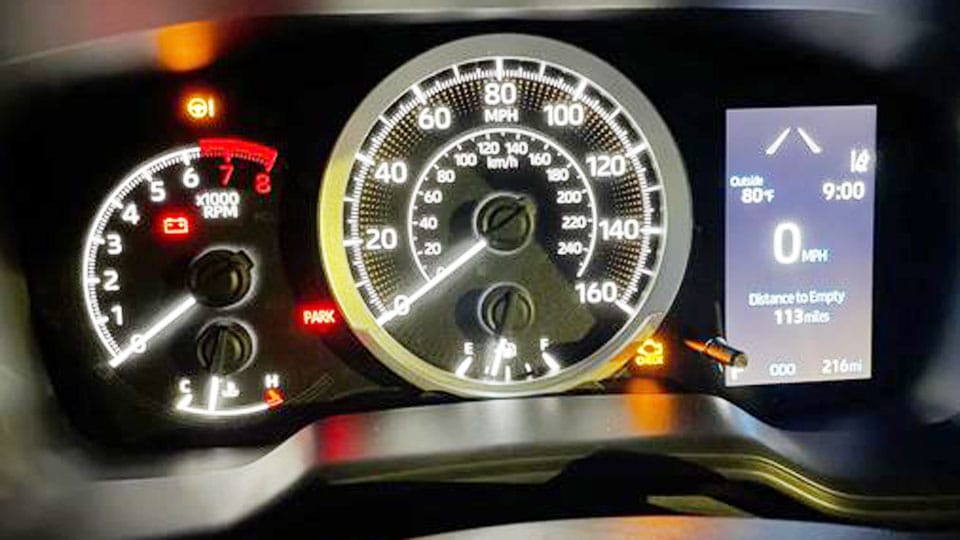
Image by reddit
If you’re facing this issue, don’t worry. I’ll walk you through everything you need to know, from what causes the EPS warning light to how you can fix it.
If you’re dealing with a simple issue like a weak battery or something more complex like a faulty steering motor, you’ll find helpful solutions right here.
What Does the Electric Power Steering Warning Light Mean?
The EPS warning light is your car’s way of telling you that something is wrong with the electric power steering system. Unlike traditional hydraulic power steering, which relies on fluid and a pump, EPS uses an electric motor and sensors to assist with steering.
When the warning light comes on, it means the system has detected a fault. Depending on the issue, you might experience:
- Stiff steering: The wheel becomes harder to turn, especially at low speeds.
- Unresponsive steering: The wheel doesn’t respond as smoothly as usual.
- Intermittent power loss: Steering assistance works sometimes but not always.
Ignoring this warning can make driving unsafe, so it’s important to diagnose and fix the problem as soon as possible.
Why Does the Electric Power Steering Warning Light Turn On?
Several factors can trigger the EPS warning light, ranging from minor electrical issues to more serious system failures. Here are the most common reasons:
Low Battery Voltage or Weak Alternator
Since EPS relies on electricity, any drop in power can cause the system to malfunction. If your battery is weak or your alternator isn’t charging properly, your power steering could stop working.
What to do:
- Check if your car battery is fully charged.
- Test the alternator to ensure it’s supplying enough power.
- If the battery is weak, replace it.
Blown Fuse or Loose Electrical Connections
A blown fuse or loose wiring can disrupt the power steering system, leading to a warning light.
What to do:
- Locate the EPS fuse in your car’s fuse box.
- If it’s blown, replace it with the correct type.
- Check for loose or corroded electrical connections and fix them.
Faulty Power Steering Motor
The electric motor in the EPS system helps with steering assistance. If it malfunctions, you’ll notice increased steering effort.
What to do:
- Listen for unusual sounds when turning the wheel.
- If the motor is faulty, it may need replacement.
Steering Angle Sensor Issues
The steering angle sensor tracks the wheel position. If it fails, the EPS system may stop working properly.
What to do:
- Use an OBD2 scanner to check for sensor-related error codes.
- If needed, recalibrate or replace the sensor.
Software Glitch or ECU Malfunction
Modern vehicles rely on software and electronic control units (ECUs) for power steering. A glitch in the system can trigger the warning light.
What to do:
- Try resetting the system by turning the car off and back on.
- If the issue persists, a software update may be required.
How to Fix the Electric Power Steering Warning Light
Once you’ve identified the possible cause, you can take the appropriate steps to fix the issue. Below is a step-by-step guide to help you resolve it.
Step 1: Restart the Car (Quick Fix)
Sometimes, the warning light comes on due to a temporary glitch. Turning the car off and restarting it can reset the system.
How to do it:
- Turn off the engine and remove the key.
- Wait for 30 seconds to 1 minute.
- Restart the car and check if the light is still on.
Step 2: Check the Battery and Alternator
Since the EPS system relies on electrical power, a weak battery or bad alternator can cause issues.
How to test the battery:
- Use a multimeter to check the voltage. A healthy battery should be 12.6V or higher when the engine is off and 13.5V–14.5V when running.
- If the voltage is low, replace or charge the battery.
How to test the alternator:
- Start the car and measure the voltage at the battery.
- If it’s below 13V, the alternator may not be charging properly.
Step 3: Inspect Fuses and Wiring
A blown fuse or loose connection can interrupt the EPS system’s power supply.
How to check:
- Find the EPS fuse in the fuse box.
- If it’s blown, replace it with a fuse of the same rating.
- Look for damaged or loose wires connected to the steering system.
Step 4: Reset the Steering System
In some cases, a reset can clear the warning light.
How to do it:
- Turn the steering wheel fully to the left, then fully to the right.
- Center the wheel and turn off the car.
- Restart the engine and check if the light disappears.
Step 5: Scan for Error Codes
If the problem persists, use an OBD2 scanner to check for stored error codes. These codes can help pinpoint the exact issue.
How to do it:
- Plug the scanner into the OBD2 port (usually under the dashboard).
- Read the error codes related to power steering.
- Use the codes to determine if a sensor, motor, or ECU issue needs fixing.
Step 6: Seek Professional Help if Needed
If none of the steps work, it’s best to visit a mechanic. They can run advanced diagnostics and replace any faulty components.
Quick Troubleshooting Guide
| Issue | Possible Cause | Solution |
|---|---|---|
| EPS warning light on | Battery voltage low | Charge or replace the battery |
| Steering feels stiff | Power steering motor failure | Replace the motor |
| Warning light after jump-starting | Electrical glitch | Restart the car |
| Intermittent power loss | Loose wiring or fuse issue | Check and fix connections |
| Light comes on after hitting a bump | Faulty sensor or ECU issue | Scan for error codes and recalibrate |
Preventing Future Power Steering Problems
To avoid power steering issues in the future, follow these maintenance tips:
✅ Check your battery regularly – A weak battery can cause EPS problems.
✅ Inspect fuses and wiring – Loose connections can trigger warning lights.
✅ Keep your alternator in good shape – It ensures your EPS gets enough power.
✅ Don’t ignore early signs of trouble – Fix minor issues before they become big problems.
✅ Get routine diagnostics – Regular checkups can catch potential faults early.
Conclusion
If your electric power steering warning light turns on, don’t ignore it. While your car might still be drivable, losing power steering assistance can make handling difficult and unsafe.
By following the steps outlined above, you can diagnose the issue and take the necessary steps to fix it. Whether it’s a simple battery problem, a blown fuse, or something more serious like a steering motor failure, acting quickly can save you from bigger headaches down the road.
Stay safe, keep your car in good shape, and don’t hesitate to get professional help if needed!
FAQs
Why is my power steering warning light on but the steering feels normal?
It could be an electrical glitch or a minor issue like low battery voltage.
Can I drive with the electric power steering light on?
You can, but it’s not recommended. If the system fails completely, steering will become difficult.
How do I reset the power steering warning light?
Try restarting the car or performing a steering reset by turning the wheel left and right.
What happens if I ignore the EPS warning light?
You risk losing steering assistance, which can make driving unsafe.
Will a weak battery cause power steering problems?
Yes, EPS relies on electrical power, so a weak battery can affect it.

Hi, I’m Melvin, an automobile engineer with extensive experience in automobile equipment. I currently work for a local automobile firm, where I specialize in the car parts industry. I’ve had the opportunity to collaborate with seasoned inspectors, gaining invaluable hands-on experience that goes beyond just theory.
My passion for automotive care started at a young age, which led me to create CarSpareCare. Through CarSpareCare, I share the knowledge and skills I’ve acquired over the years to help others navigate the world of car maintenance and repairs.
My goal is to provide practical tutorials, essential safety advice, and the latest industry insights so that anyone—whether a beginner or an expert—can confidently tackle their automotive projects.