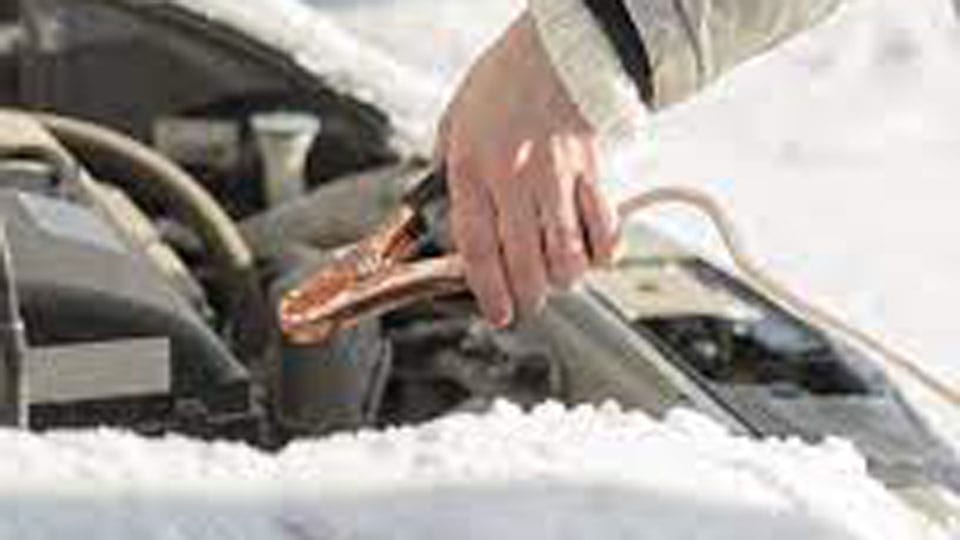
TThere’s nothing more frustrating than hopping into your car, turning the key—or pushing the start button—and hearing nothing but a faint click, or worse, complete silence. It happened to me on a freezing Monday morning, running late for work, coffee in one hand and hope in the other. The culprit? A dead car battery.
At that moment, one question raced through my mind: How long is this going to take?
If you’ve found yourself in a similar situation, you’re not alone. Whether it’s a forgotten dome light, a freezing cold night, or just an aging battery, dead batteries are one of the most common car troubles out there.
And when it happens, knowing how long it takes to jump start your car—and how to do it properly—can make the difference between a minor hiccup and a major headache.
firestonecompleteautocare
I’ll walk you through everything I’ve learned about jump starting a dead battery—from how long it usually takes, to the step-by-step process, and what factors can speed it up or slow it down.
If you’re in a rush or just want to be prepared for next time, stick with me. I’ll explain it all like we’re chatting side by side at a coffee shop, so it’s easy to follow no matter how car-savvy you are.
What Does “Jump Starting” Really Mean?
Jump starting a car means temporarily connecting your dead battery to a working one—usually from another vehicle—using jumper cables. This gives your battery the boost it needs to turn over the engine. Once the engine is running, your car’s alternator takes over and starts recharging the battery.
It’s a quick process, but the exact time it takes can vary depending on several things. So, how long does it actually take?
Average Time to Jump Start a Dead Car Battery
Let’s get right to it. On average, jump starting a car takes between 5 to 15 minutes. That includes:
- Connecting the jumper cables properly
- Waiting a few minutes for a small charge
- Trying to start the car
- Letting the engine run to recharge the battery a bit
If your battery isn’t completely dead or the temperature is mild, it might take less time. But in tougher conditions—like a freezing winter morning or with a really old battery—it could take a bit longer.
Here’s a quick table to give you a rough idea:
| Condition | Estimated Time to Jump Start |
|---|---|
| Mild Weather, Healthy Battery | 3–5 minutes |
| Cold Weather, Weak Battery | 10–15 minutes |
| Completely Dead Battery | Up to 20 minutes |
| Battery Has Internal Damage | May not start at all |
Let’s go deeper and look at what affects how long it takes.
What Affects Jump Start Time?
Battery Condition
If your battery is only slightly drained, it won’t take long to jump it. But if it’s been sitting dead for days or it’s near the end of its life, it will need more help—and more time. A battery that’s more than 3 to 5 years old is more likely to struggle.
Weather
Cold weather slows down the chemical reactions inside a battery. That’s why car batteries tend to die more often in winter. If it’s freezing outside, give the battery a little more time to absorb the charge before trying to start.
Type of Vehicle
Some vehicles, especially bigger ones like trucks or SUVs, require more power to start. This means you may need to leave the cables connected a bit longer.
If your car has a lot of electrical features—like heated seats, screens, or a powerful sound system—those put more strain on the battery.
Jumper Cable Quality
Yes, the cables themselves matter! Thicker cables with strong clamps transfer power better. Cheap or worn-out cables may slow down the process or even fail to deliver a strong enough charge.
Alternator and Charging System
Once the engine starts, your car’s alternator begins recharging the battery. But if your alternator isn’t working well, your battery might die again soon after starting. That’s something to watch for.
How to Jump Start a Car the Right Way
Let me walk you through the steps I follow whenever I jump start a car. It’s not hard, but it’s important to do it safely and in the right order.
What You’ll Need:
- Jumper cables
- A working vehicle with a good battery
- Safety gloves (if you have them)
- A little patience
Step-by-Step Instructions:
Park both vehicles safely: The cars should be close, but not touching. Turn off the engines and remove keys from both vehicles. Engage the parking brakes.
Open both hoods and locate the batteries: Find the positive (+) and negative (-) terminals on both batteries. They’re usually marked clearly.
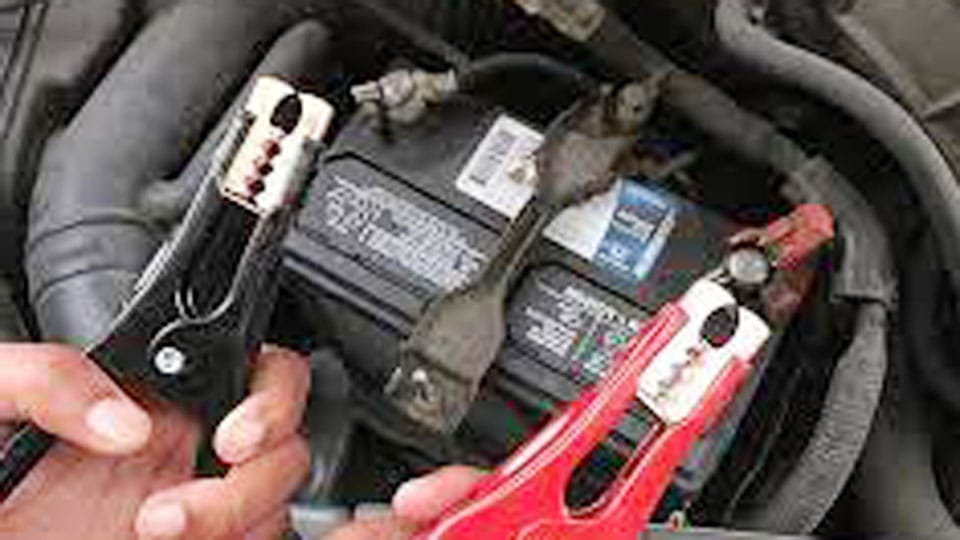
Connect the cables in this exact order:
- Red clamp to dead battery’s positive (+) terminal
- Red clamp to working battery’s positive (+) terminal
- Black clamp to working battery’s negative (-) terminal
- Black clamp to a metal ground on the dead car (not the battery!)
Wait 2–5 minutes: Let the charge build up a little. This is the waiting game part.
Try starting the dead car: If it doesn’t start right away, wait a few more minutes and try again.
Once it starts, don’t shut it off: Let the engine run for at least 15 to 30 minutes, or better yet, drive around. This gives the alternator time to recharge the battery.
Disconnect the cables in reverse order: Carefully remove the black ground clamp first, then the other clamps. Be sure the clamps don’t touch each other.
What If It Doesn’t Start After 15 Minutes?
If the car doesn’t start after a few attempts, here’s what might be happening:
- The battery is too far gone and needs replacing
- The jumper cables aren’t making a good connection
- The donor car’s battery is too weak
- There’s a deeper issue like a bad starter or alternator
In that case, it may be time to call roadside assistance or a mechanic.
Should You Keep the Engine Running After Jump Starting?
Absolutely. After a jump, I always recommend letting your car idle or driving it around for at least 30 minutes. If you just turn it off again right away, the battery might not have enough power stored to restart. The alternator needs time to top it up.
Is It Safe to Jump Start in the Rain?
Yes, it’s generally safe, as long as you follow the steps properly. The voltage involved in jump starting (12 volts) is low enough that it’s not dangerous if cables are used correctly. Just don’t let the clamps touch each other, and keep your hands dry if possible.
Can Jump Starting Damage Your Car?
It’s rare, but it can happen if:
- You connect the cables incorrectly
- You leave the cables on too long
- The donor car’s system is unstable or mismatched
That’s why it’s important to follow the proper order and be careful.
How to Know If Your Battery Needs Replacing
Here are some signs I look for:
- It keeps dying, even after long drives
- The engine cranks slowly
- Headlights dim or flicker
- The battery is older than 3–5 years
- You see corrosion or swelling around the terminals
If you’re seeing these signs often, it’s probably time for a new battery.
How to Keep Your Battery Healthy
After learning the hard way, I now follow these tips to avoid dead battery surprises:
- Don’t leave lights or electronics on when the engine is off
- Drive your car regularly, especially in winter
- Get your battery checked every 6 months
- Keep the terminals clean from corrosion
- Park in a garage or cover the car in cold weather
Portable Jump Starters: A Smart Backup
I always keep a portable jump starter in my trunk. It’s a small device with its own battery that can jump your car without needing another vehicle. It’s been a real lifesaver more than once.
They’re easy to use, especially in tight situations like parking lots or when no one else is around. If you don’t have one yet, it’s worth the investment—especially if you live in colder states or drive an older vehicle.
Conclusion
So, how long does it take to jump start a dead car battery? On a good day, just 5 to 15 minutes. It depends on your battery’s condition, the weather, and how well the cables are connected. Once it’s started, you’ll want to let it run or drive it for at least 30 minutes to recharge the battery fully.
From my experience, jump starting is a simple but powerful tool every driver should know. It doesn’t take long to do, but it can save you a ton of stress. And while jump starting is great for emergencies, don’t ignore the signs of a dying battery. Sometimes it’s better to replace it before it leaves you stranded again.
Frequently Asked Questions
How long should I leave jumper cables connected?
I usually leave them connected for 3 to 5 minutes before trying to start the dead car. If it doesn’t work, I wait another few minutes. Never leave them on for more than 15–20 minutes total.
Can I jump start a completely dead battery?
Yes, you can—if the battery isn’t damaged. It might take longer, though. Let the cables sit connected for up to 10 minutes before trying.
Is it bad to jump start a car often?
Jump starting occasionally is fine. But if you’re doing it regularly, it means your battery or charging system needs attention.
Can I jump start my car alone?
Yes, with a portable jump starter. These devices are great for solo drivers and emergencies when no one else is around.
Will driving after a jump fully charge my battery?
It depends. A 30-minute drive can give your battery a decent charge, but if it’s old or weak, it might not hold it for long. A mechanic can test it for you.
Can jump starting damage electronics in my car?
It’s rare, but possible. Modern vehicles have lots of sensitive electronics. Always use the correct jump start procedure to avoid issues.
Do I need to replace my battery after jump starting?
Not always. If your battery holds a charge afterward and doesn’t die again, you’re probably fine. But if it keeps dying, it’s time for a new one.

Hi, I’m Melvin, an automobile engineer with extensive experience in automobile equipment. I currently work for a local automobile firm, where I specialize in the car parts industry. I’ve had the opportunity to collaborate with seasoned inspectors, gaining invaluable hands-on experience that goes beyond just theory.
My passion for automotive care started at a young age, which led me to create CarSpareCare. Through CarSpareCare, I share the knowledge and skills I’ve acquired over the years to help others navigate the world of car maintenance and repairs.
My goal is to provide practical tutorials, essential safety advice, and the latest industry insights so that anyone—whether a beginner or an expert—can confidently tackle their automotive projects.