
I’ve spent years working on cars, from my own projects to helping friends out of tough spots, and one question that always raises eyebrows is how to drive a car with bad brakes. Let me be clear upfront: driving with faulty brakes is risky, and I’ve learned through experience that it’s something you should avoid whenever possible.
I also know that sometimes you’re stuck—like when your brakes start acting up far from a shop, and you need to get to safety. I’ve been in that situation, nursing a car with a spongy pedal to a mechanic, and I’ve picked up some strategies along the way.
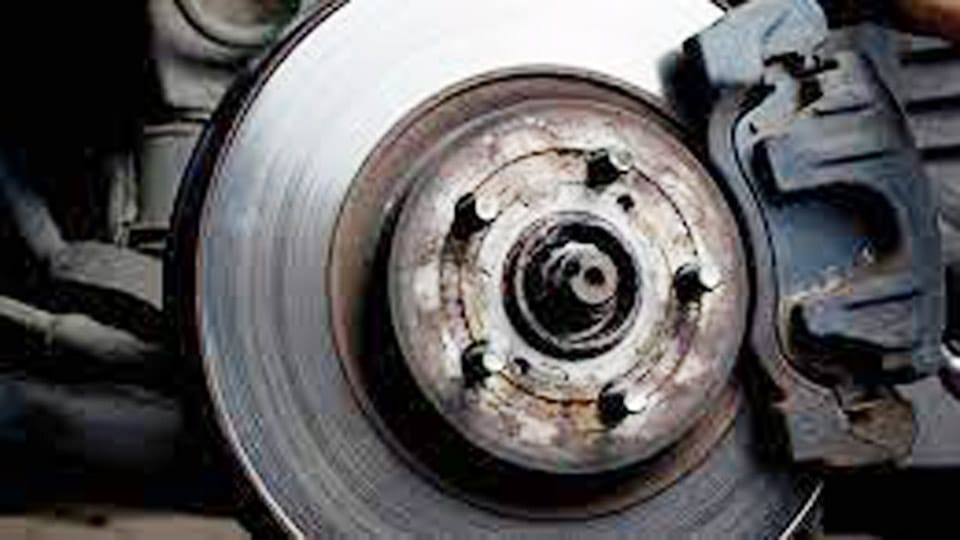
Image by elkrivertireandauto
I’ll share everything I’ve learned about safely driving a car with bad brakes, focusing on practical tips to minimize danger. This is for emergencies only—fix those brakes ASAP! Let’s dive in and talk about how to handle this tricky situation.
Understanding the Bad Brakes
Before we get to the how-to, let’s talk about what “bad brakes” means. I’ve dealt with all sorts of brake issues, and they can show up in different ways. A spongy pedal might mean air in the lines or low fluid. A hard pedal could point to a booster problem. Grinding or squealing often means worn pads, and if the car pulls to one side when braking, it could be a stuck caliper.
I once drove a friend’s car that had a soft pedal due to a leaking brake line. It was nerve-wracking, but I managed to get it to a shop by being cautious. Knowing the symptoms helps you gauge how bad the problem is and what to do next. Bad brakes reduce your stopping power, so every move needs to be deliberate.
Why Driving with Bad Brakes is Dangerous
I can’t stress this enough—bad brakes are a safety hazard. Your brakes are your car’s primary way to stop, and when they’re not working right, you’re gambling with your safety and others’. I’ve seen what happens when brakes fail completely: a buddy of mine rear-ended another car because his pads were shot. The repair bill was nothing compared to the stress.
Driving with bad brakes means longer stopping distances, less control, and a higher chance of accidents. I only drive in these conditions as a last resort, like getting to a mechanic or a safe spot. The tips I’m sharing are for emergencies, not daily driving.
Signs of Bad Brakes
I always check for these warning signs to confirm brake issues before deciding to drive:
- Spongy or Soft Pedal: The pedal sinks or feels mushy, like pressing a sponge. I had this with low fluid once.
- Grinding or Squealing: Metal-on-metal sounds mean worn pads or debris. My truck made this noise when the pads were down to nothing.
- Pulling to One Side: The car veers left or right when braking, often from a stuck caliper. I noticed this on a loaner car.
- Hard Pedal: You have to press hard to brake, possibly a booster issue. I’ve felt this in older vehicles.
- Vibrations: The pedal or steering wheel shakes, usually from warped rotors. My sedan did this after heavy braking.
- Warning Light: The brake or ABS light on the dash is a red flag. I never ignore it.
If you notice any of these, I recommend stopping as soon as it’s safe and assessing the situation. Driving with these symptoms requires extreme caution.
Tools and Supplies for Emergency Driving
I keep a basic kit in my car for emergencies, and it’s come in handy when brakes act up. Here’s what I carry:
| Item | Purpose |
|---|---|
| Brake Fluid | To top off the reservoir if it’s low (check your manual for the right type). |
| Flashlight | To inspect under the hood or wheels in low light. |
| Rags | To clean up fluid spills or check for leaks. |
| Screwdriver | To pry off reservoir caps or inspect components. |
| Gloves | To keep hands clean and safe from hot parts. |
| Phone or GPS | To find the nearest mechanic or call for help. |
I also keep a spare bottle of brake fluid (DOT 3 or 4, per my car’s specs) in the trunk. It saved me once when a slow leak dropped the fluid level mid-trip.
Preparing to Drive with Bad Brakes
Before you even turn the key, I do some prep to make driving as safe as possible. Here’s my checklist:
- Check the Brake Fluid: I pop the hood and look at the brake fluid reservoir. If it’s low, I top it off with the right fluid, checking for leaks around the master cylinder or lines.
- Test the Pedal: With the engine off, I pump the brake pedal. If it’s spongy or hard, I note how it feels to judge stopping power.
- Inspect the Wheels: I look for fluid leaks, damaged rotors, or worn pads. A quick check once revealed a loose caliper bolt on my SUV.
- Plan Your Route: I choose a path with light traffic, flat roads, and no steep hills. I use my GPS to find the nearest shop.
- Clear the Car: I remove heavy items from the trunk to reduce weight, which helps with stopping.
I once skipped checking the fluid and regretted it when the pedal went to the floor. A few minutes of prep can make a big difference.
How to Drive a Car with Bad Brakes
I’ve driven cars with bad brakes a few times, always as a last resort, and these techniques helped me stay safe. Here’s how I do it:
Drive Slowly and Smoothly
Speed is your enemy with bad brakes. I keep my speed low—20-30 mph max in urban areas, even slower if the brakes are really bad. I accelerate gently and avoid sudden moves. On my friend’s car with a soft pedal, I crept along at 15 mph to a shop a mile away.
Slow driving gives you more time to react and reduces the force needed to stop. I stay in the right lane to avoid faster traffic and keep my foot off the gas when not needed.
Use Engine Braking
Engine braking is a lifesaver. In a manual car, I downshift to a lower gear to slow the engine, which reduces wheel speed. In an automatic, I shift to a lower gear (like “2” or “L”) if available. I used this on a hilly road when my truck’s brakes were grinding, and it kept my speed in check.
This technique takes pressure off the brakes. I practice smooth shifts to avoid jerking the car, especially in a manual.
Pump the Brake Pedal
If the pedal is spongy, I pump it a few times to build pressure before braking. This helped when I drove a car with air in the lines—it made the brakes slightly more responsive. I press lightly and repeatedly, never slamming the pedal, which can make things worse.
Pumping works best for temporary air or fluid issues. I keep my foot ready to pump again if the pedal softens mid-drive.
Use the Handbrake Carefully
The handbrake (or parking brake) can slow the car in an emergency, but I use it with caution. It only affects the rear wheels, so pulling it too hard can cause a skid. I tested this in an empty lot once, and yanking the lever at 10 mph made the rear fishtail.
If I need it, I pull the handbrake slowly, keeping the steering wheel straight. It’s a last resort if the foot brake fails completely. I used it once to stop a car with a major fluid leak, easing it on to avoid sliding.
Keep a Safe Distance
I leave extra space—at least three or four car lengths—between me and the vehicle ahead. This gives me more time to stop, especially since bad brakes need longer distances. I’ve driven in traffic with worn pads, and the extra gap saved me from a close call at a red light.
I also watch the road far ahead to anticipate stops, like traffic lights or slowdowns, so I can coast and avoid hard braking.
Avoid Hills and Sharp Turns
Steep hills are a nightmare with bad brakes. I avoid them if possible, sticking to flat routes. Downhill slopes make stopping harder, and I’ve felt the panic of a soft pedal on a decline. If I can’t avoid a hill, I use engine braking and the handbrake sparingly to control speed.
Sharp turns are risky too, as bad brakes can make cornering unstable. I take turns slowly and wide, keeping my speed down.
Stay Alert and Calm
Driving with bad brakes is stressful, but I stay focused. I turn off the radio, keep my phone down, and watch for hazards like pedestrians or sudden stops. I breathe deeply to avoid panic, which can lead to bad decisions.
I once drove a car with grinding brakes to a shop, and staying calm helped me navigate busy streets without incident. Focus is your best tool in a tough spot.
When to Pull Over and Stop
Sometimes, driving isn’t worth the risk. I pull over if:
- The brake pedal goes to the floor with no response.
- The car won’t slow down even with pumping or the handbrake.
- I hear loud grinding or feel severe vibrations.
- The brake warning light comes on and stays on.
I find a safe spot, like a parking lot or shoulder, and call for a tow or roadside help. I’ve had to do this once when a caliper seized up mid-drive—it was safer than pushing my luck.
Emergency Tips for Total Brake Failure
If your brakes fail completely, I use these last-ditch moves to stop safely:
- Handbrake: I pull it gradually to slow the car, avoiding a full lockup.
- Downshift: I shift to the lowest gear to reduce speed via the engine.
- Steer to Safety: I aim for an open area, like a grassy median, to coast to a stop.
- Warn Others: I use my horn or flashers to alert nearby drivers.
- Drag Against Obstacles: As a final resort, I gently rub the car against a curb or barrier to slow it, but only if there’s no other option.
I’ve never had to use all these, but I practiced them in a safe lot to be ready. Total failure is rare, but preparation saves lives.
Maintaining Your Brakes to Avoid Problems
I’ve learned that regular brake maintenance prevents most issues. Here’s my routine to keep brakes in top shape:
- Check Brake Fluid Monthly: I look at the reservoir level and top it off if needed. Low fluid was the culprit in one of my scares.
- Inspect Pads Every 6 Months: I check pad thickness and replace them if they’re under ¼ inch.
- Listen for Noises: Squealing or grinding means I inspect ASAP. I caught worn pads early this way.
- Flush Fluid Every 2 Years: Old fluid can cause spongy pedals. I flush it to keep the system fresh.
- Watch for Leaks: I check under the car for fluid drips, especially after a soft pedal.
This routine has kept my current car’s brakes reliable for years. It’s easier to prevent problems than to drive with them.
When to Get Professional Help
I fix small brake issues myself, but some problems need a mechanic. I take my car to a shop if:
- There’s a major fluid leak or no pedal response.
- I hear grinding or feel severe shaking.
- The brakes pull hard to one side, suggesting a caliper or line issue.
- I’m unsure of the problem after my checks.
I’ve saved money by diagnosing issues—like low fluid—before going to the shop, but I don’t mess with complex repairs. A pro fixed a seized caliper on my SUV, and it was worth every penny for safety.
Why I Share These Tips
I love working on cars, but I also know how scary it is to drive with bad brakes. I’ve been in those moments, heart racing as I coaxed a car to a shop with a pedal that barely worked. Sharing these strategies is my way of helping you stay safe in a pinch.
Driving with bad brakes isn’t something to take lightly, but with caution and the right techniques, you can handle an emergency. My goal is to give you the confidence to make smart choices and get those brakes fixed fast.
Conclusion
Driving a car with bad brakes is a last resort, but sometimes you have no choice. From slow driving and engine braking to using the handbrake carefully, I’ve shared the techniques I’ve used to navigate this risky situation safely. My experiences—creeping along with a spongy pedal or downshifting on a hill—taught me how to stay calm and in control.
The best fix is prevention, so maintain your brakes and address issues early. If you’re stuck, use these tips to get to a shop or safe spot, then let a pro handle the rest. Your safety comes first, and I hope this guide helps you drive smart—let me know if you’ve ever had to deal with bad brakes!
FAQs
Is it legal to drive with bad brakes?
No, it’s illegal and unsafe. I only drive to a shop in an emergency, and even then, I’m extra cautious.
Can I use the handbrake to stop if my brakes are bad?
Yes, but carefully. I pull it slowly to avoid skidding, as it only brakes the rear wheels.
How do I know if my brakes are too bad to drive?
If the pedal goes to the floor, or you hear loud grinding, I’d stop and call a tow. It’s not worth the risk.
What’s the safest way to slow down with bad brakes?
I use engine braking by downshifting and keep my speed low. It reduces reliance on faulty brakes.
How can I prevent brake problems?
I check fluid monthly, inspect pads every 6 months, and flush the system every 2 years. Regular care keeps brakes reliable.

Hi, I’m Melvin, an automobile engineer with extensive experience in automobile equipment. I currently work for a local automobile firm, where I specialize in the car parts industry. I’ve had the opportunity to collaborate with seasoned inspectors, gaining invaluable hands-on experience that goes beyond just theory.
My passion for automotive care started at a young age, which led me to create CarSpareCare. Through CarSpareCare, I share the knowledge and skills I’ve acquired over the years to help others navigate the world of car maintenance and repairs.
My goal is to provide practical tutorials, essential safety advice, and the latest industry insights so that anyone—whether a beginner or an expert—can confidently tackle their automotive projects.

