Picture this: You’re running late, you hop in your car, turn the key, and… nothing. The dreaded silence of a dead battery. You’d flag someone down for a jump, but what if there’s no other car around? Don’t worry—there are other ways to get your car running again.
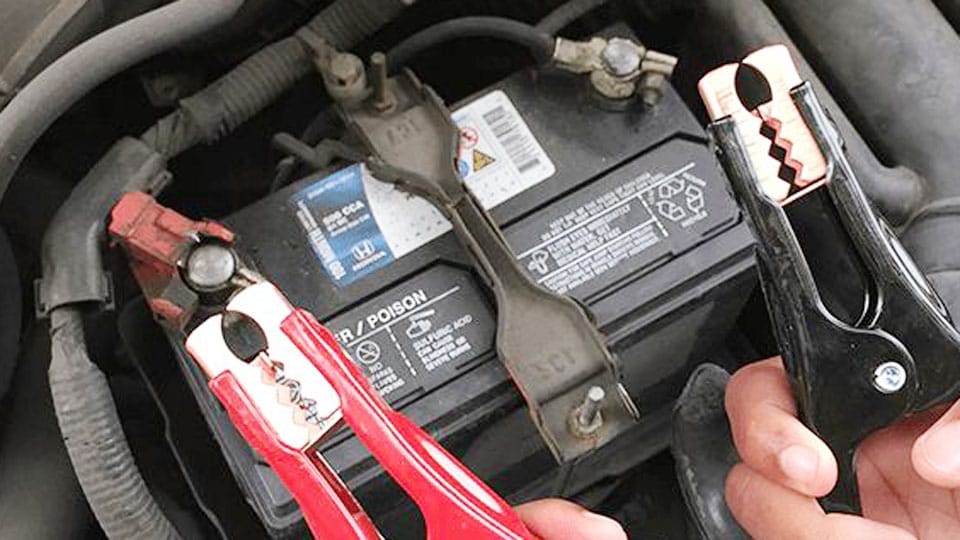
Image by firestonecompleteautocare
I’ve been in this situation before, and through trial, error, and research, I’ve found some reliable methods to jump-start a car battery without another vehicle. If you’re at home, in a parking lot, or stuck on a quiet roadside, these methods can help you get back on the road safely.
Let’s go step by step so you can be prepared for any situation.
Why Your Car Battery Died
Before attempting to jump-start your car, it’s good to understand why the battery might have died. Here are the most common reasons:
- Leaving lights on – Interior or exterior lights left on overnight can drain the battery.
- Old battery – Car batteries typically last 3–5 years. If yours is older, it may be time for a replacement.
- Extreme temperatures – Cold weather slows down battery performance, while extreme heat can shorten its lifespan.
- Faulty alternator – If the alternator isn’t charging the battery while you drive, it will eventually die.
- Parasitic drain – A malfunctioning electrical component might be draining your battery even when the car is off.
Now that we know what might have caused the problem, let’s go over some solutions.
Methods to Jump-Start a Car Battery Without Another Car
Using a Portable Jump Starter
A portable jump starter is the best and easiest way to start a dead battery without another vehicle. These small, rechargeable battery packs can be a lifesaver in emergencies.
How to Use a Portable Jump Starter:
- Turn Off Everything – Ensure all electrical components (lights, radio, AC) are turned off.
- Connect the Clamps – Attach the red clamp to the positive terminal (+) and the black clamp to the negative terminal (-).
- Turn On the Jump Starter – Follow the manufacturer’s instructions.
- Start Your Car – Wait a few seconds, then try turning on the ignition.
- Remove the Clamps – Disconnect the black clamp first, then the red one.
- Recharge the Jump Starter – If your car starts, drive for at least 15 minutes to help recharge the battery.
A portable jump starter is a must-have for emergencies. Keep one in your trunk, and you’ll never be stranded.
Jump-Starting with a Power Bank
If you don’t have a dedicated jump starter, some high-capacity power banks can do the job. These are designed for more than just charging your phone—they can provide enough power to crank your engine.
How to Use a Power Bank to Jump-Start Your Car:
- Check Compatibility – Not all power banks can start a car, so make sure yours has that capability.
- Connect the Cables – Use the jump-start cables provided with the power bank.
- Follow the Same Steps as a Portable Jump Starter – Connect the clamps, turn on the power bank, and start the car.
This method is convenient, but only works if your power bank has enough output power (typically at least 12V and 1000A).
Push Start (For Manual Transmission Cars)
If you drive a manual transmission car, you might be able to push start it. This method uses momentum to turn the engine over and get the car running.
How to Push Start a Car:
- Find a Helper or a Slope – If you’re alone, look for a small downhill slope.
- Turn the Key to “On” – This ensures that the ignition system is ready.
- Press the Clutch and Put the Car in Second Gear – Second gear works best for a smoother start.
- Get the Car Moving – If you have help, they should push the car to about 5–10 mph. If you’re on a hill, let gravity do the work.
- Release the Clutch Quickly – As soon as the car is rolling, take your foot off the clutch. The engine should turn over and start.
This only works for manual cars, but it’s a great trick to know!
Using a Car Battery Charger
A car battery charger (or battery maintainer) is a slow but effective way to recharge a dead battery. Unlike jump starters, these need to be plugged into an electrical outlet.
How to Use a Car Battery Charger:
- Plug in the Charger – Connect it to a power source.
- Attach the Clamps – Red to positive, black to negative.
- Set the Charging Mode – Choose a slow charge for a deeper and healthier recharge.
- Wait – Depending on how dead the battery is, it can take several hours to fully charge.
This is not an instant solution but is great for long-term battery maintenance.
Emergency Battery with Solar Charger
A solar battery charger can slowly charge a dead battery if you have enough sunlight.
How to Use a Solar Charger:
- Place the Panel in Direct Sunlight – The stronger the sunlight, the better.
- Connect the Cables – Attach the positive and negative cables to the battery terminals.
- Wait – This is a very slow process and may take several hours or even a full day to charge the battery.
Solar chargers work best for battery maintenance rather than emergency jump-starts, but they can help in remote locations.
Preventing a Dead Car Battery in the Future
Now that you know how to jump-start your car without another vehicle, here are some tips to prevent a dead battery:
- Turn off lights and electronics when the engine is off.
- Keep your battery terminals clean and corrosion-free.
- Drive your car regularly to keep the battery charged.
- Test your battery and replace it before it fails.
- Carry a portable jump starter for emergencies.
FAQs
What should I do if my battery keeps dying?
If your battery repeatedly dies, it may be time for a replacement, or there may be an underlying issue with the alternator or electrical system.
Can I use a motorcycle battery to jump-start my car?
No, a motorcycle battery typically doesn’t have enough power to start a car.
Will a push start work on an automatic car?
No, push starting only works on manual transmission cars.
How long should I drive after jump-starting my car?
Drive for at least 15–30 minutes to recharge the battery.
Can cold weather kill a car battery?
Yes, extreme cold can slow down the battery’s chemical reactions, making it harder to start the car.
Conclusion
Jump-starting a car battery without another vehicle is possible, and with the right tools, you’ll never have to rely on strangers for help. Whether you use a portable jump starter, a power bank, push-starting, or a battery charger, knowing these methods can save you from being stranded.
To avoid battery troubles, maintain your car’s battery, check its health regularly, and always carry a jump-start device. That way, you’ll be prepared for any situation and can hit the road with confidence.

Hi, I’m Melvin, an automobile engineer with extensive experience in automobile equipment. I currently work for a local automobile firm, where I specialize in the car parts industry. I’ve had the opportunity to collaborate with seasoned inspectors, gaining invaluable hands-on experience that goes beyond just theory.
My passion for automotive care started at a young age, which led me to create CarSpareCare. Through CarSpareCare, I share the knowledge and skills I’ve acquired over the years to help others navigate the world of car maintenance and repairs.
My goal is to provide practical tutorials, essential safety advice, and the latest industry insights so that anyone—whether a beginner or an expert—can confidently tackle their automotive projects.